
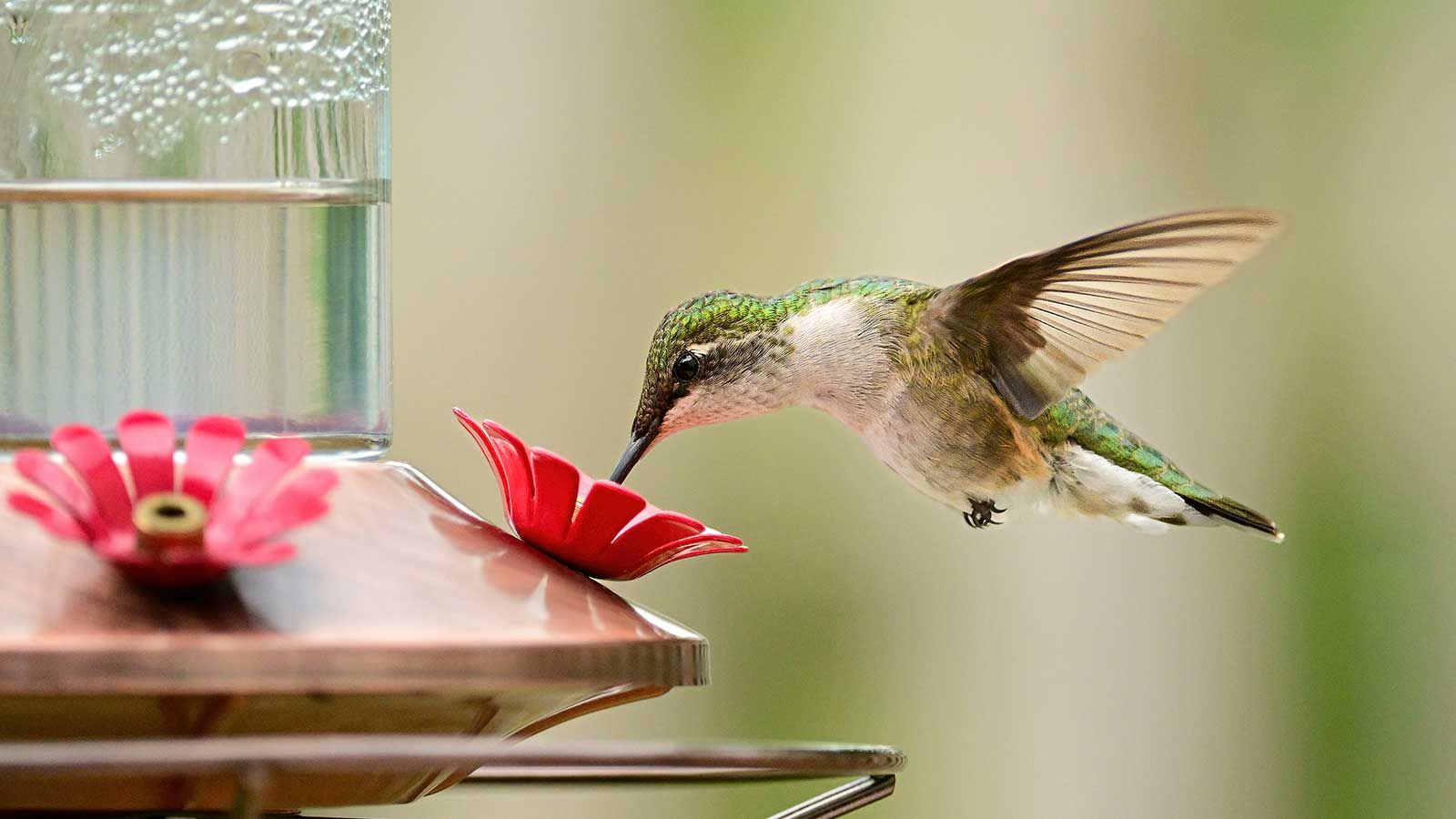
During their spring migration, hummingbirds fly thousands of miles across land and sea to make it back to their breeding grounds in the US, passing through multiple cities on the way. Hummingbird sightings in urban areas are pretty common, and there are simple ways you can help them by making your balcony safer and more attractive to these winged beauties.
With so many glazed buildings, artificial light at night and the lack of vegetation in many urban areas, this stretch of the journey can be particularly hazardous for these tiny avian acrobats.
Article continues below
You may like
How common are hummingbirds in cities?
(Image credit: Getty Images/nebari)
As they migrate across the United States, hummingbirds can be found in many major cities under the four main flyways (Pacific, Central, Mississippi and Atlantic), though the species present varies by region and season.
‘In the eastern half of the country, along the Atlantic and Mississippi flyways, the most widespread species is the Ruby-throated Hummingbird, the only hummingbird that regularly breeds there,’ explains Chad Witko, Specialist in Avian Biology at the National Audubon Society.
‘During the warmer months, it occurs in cities such as Chicago, St. Louis, Washington, D.C., Philadelphia, New York City, and Boston, where parks, gardens, and native plants provide nectar and insect resources, as well as habitat for breeding.
‘In the South, diversity can increase in winter. Around New Orleans, for example, the Ruby-throated Hummingbird may occur year-round and can be joined in winter by more western species such as Black-chinned Hummingbird, Calliope Hummingbird, Rufous Hummingbird, Broad-tailed Hummingbird, and Buff-bellied Hummingbird.
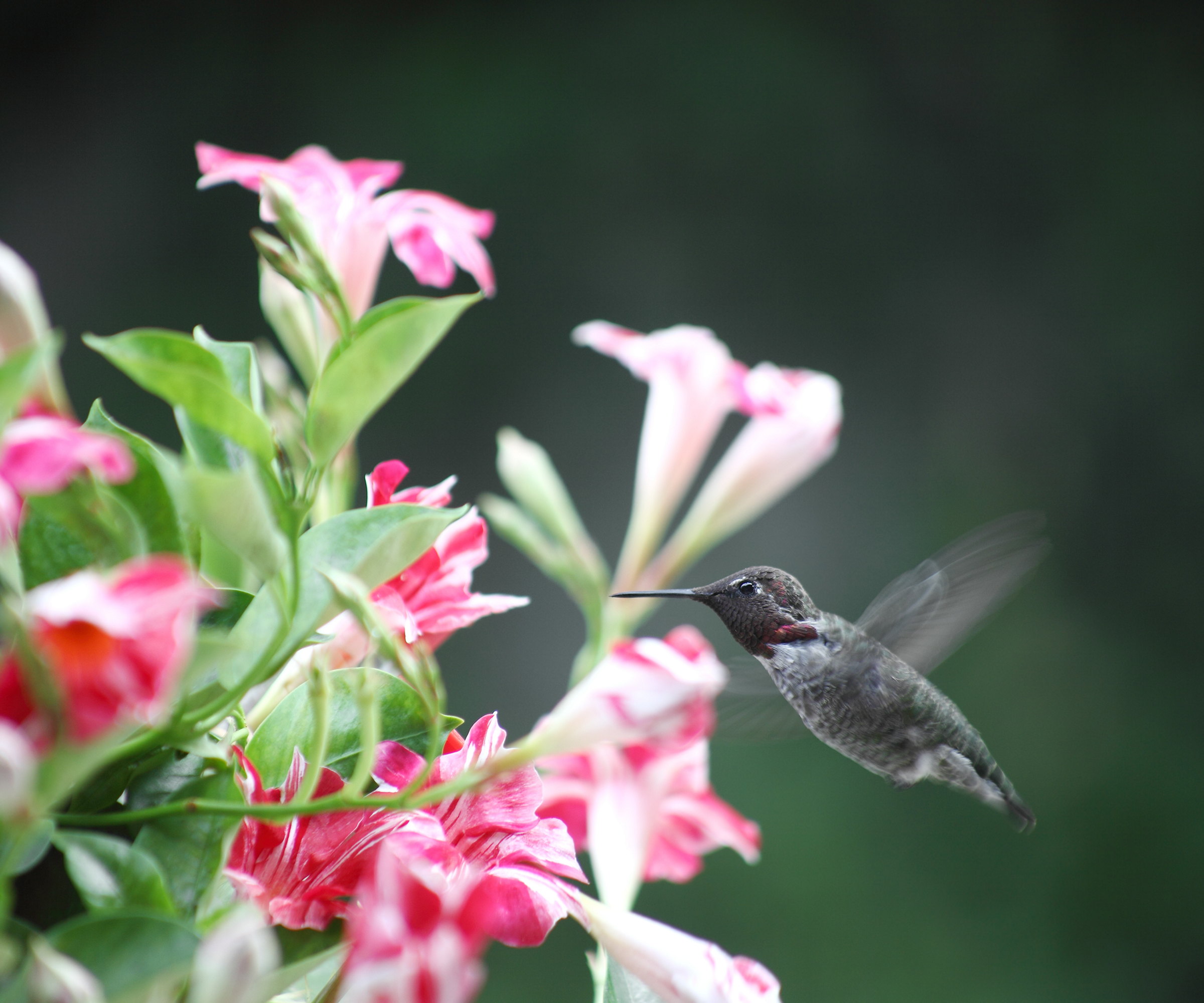
Brad goes on to describe the different species that dominate western cities. ‘Around Denver, in the Central Flyway, the most common hummingbirds are the Black-chinned Hummingbird and Broad-tailed Hummingbird,’ he says. ‘Along the Pacific Flyway, in Los Angeles, the familiar urban hummingbirds are Anna’s Hummingbird and Allen’s Hummingbird.’
In Seattle, the Anna’s Hummingbird (a species that has expanded northward along the Pacific Coast over the past century) is now a common year-round resident, while the Rufous Hummingbird occurs primarily during the breeding season and migration.
‘Overall, hummingbirds are remarkably adaptable to urban environments, taking advantage of flowering plants and supplemental feeders in parks and gardens, and potted plants on balconies, across many North American cities,’ says Chad.
Check Hummingbird Central’s spring migration map, so you can be prepared for their arrival in your city – and follow the steps ahead to pamper and protect these intrepid travellers as they pass through.
Here are the top five ways to make a balcony hummingbird friendly.
What to read next
1. Grow native flowers and climbers in containers
(Image credit: Getty Images/tc2412)
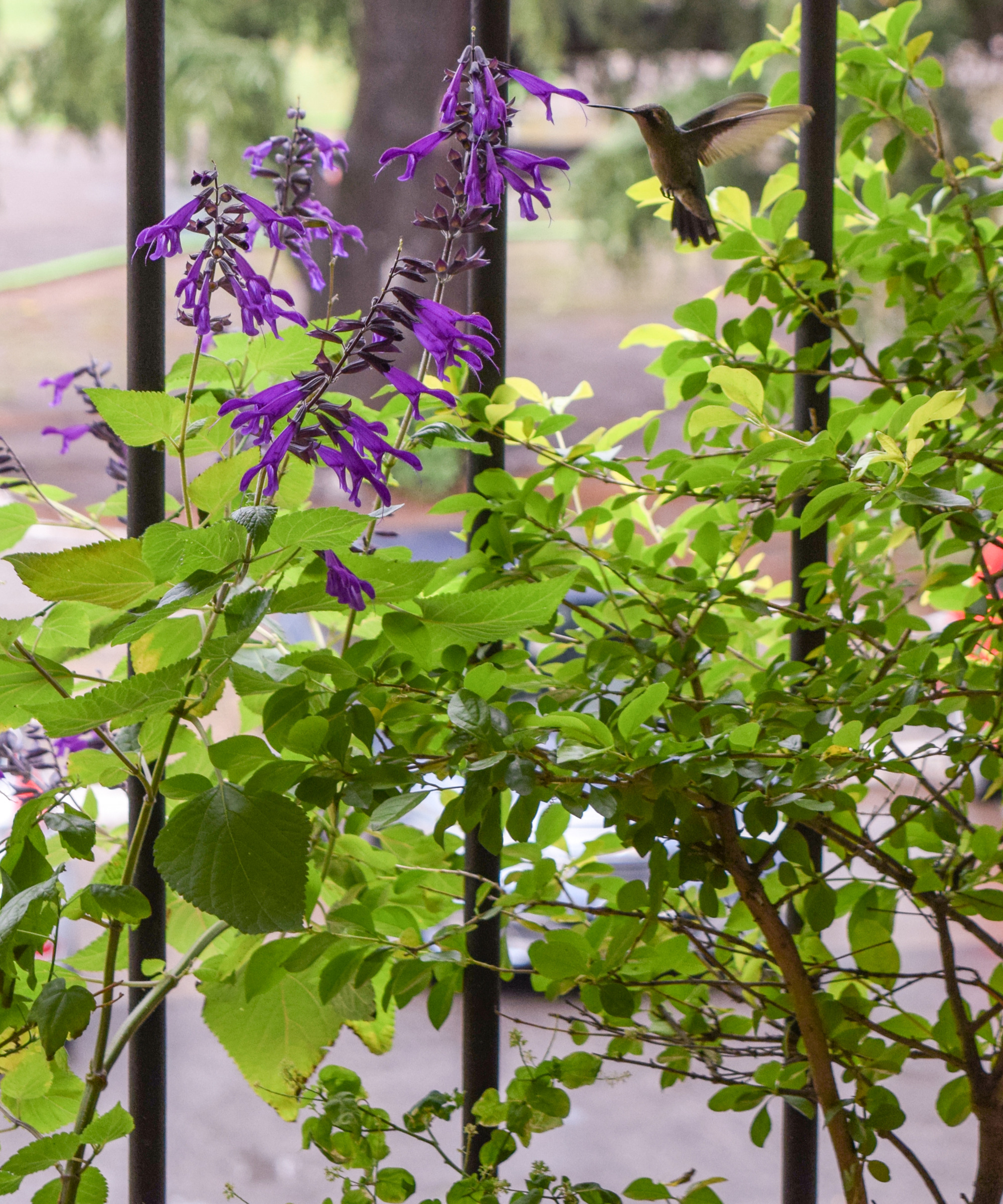
Attracting hummingbirds to your balcony can be surprisingly simple. Food and flowers are the most obvious lure, especially native blooms, which provide nectar in its natural state.
A container garden filled with the hummers favorite flowers will provide much-needed sustenance for these pollinators, as well as make your balcony burst with color and cool it down during the summer.
‘Growing flowers in planters on your balcony is a great way to welcome hummingbirds,’ says Erika Zambello, communications director, National Audubon society. ‘Hummingbirds especially love cardinal flowers, jewelweed, and trumpet honeysuckle.
‘They are particularly attracted to bright colors at the warm end of the color spectrum – so look for those for your containers. Choose native plants based on your area using Audubon’s handy Plants for Birds database.’
On smaller balconies with space constraints vertical planting with climbing vines along a tall trellis–or flower-filled hanging planters will turn your outside space into a hummingbird haven.
Cardinal flowers love moist soil, so will require a lot of watering. Native honeysuckles are lower maintenance and this major wheeler honeysuckle from Nature Hills can be grown easily in containers and trained to climb over balcony railings or a trellis. It’s suitable for US Hardiness zone 4-8.
Also known as jewelweed, these Impatiens seeds from True Leaf Market can be started indoors 10-12 weeks before the final frost.
 Chad Witko
Social Links Navigation
Specialist in Avian Biology, National Audubon Society
Chad Witko is a Specialist in Avian Biology at the National Audubon Society, where he advances data stewardship, scientific communication, and ornithological review for the Migratory Bird Initiative. With over twenty years of field experience and a lifelong passion for birds, Chad is a nationally recognized ornithologist and birder with expertise in bird ecology, species distributions, migration, and vagrancy.
 Erika Zambello
Social Links Navigation
Communications director, National Audubon Society
As Communications Director for Audubon Florida, Erika coordinates engagement, communication, and publications for the Sunshine State’s conservation, coastal, policy, research, Center, and sanctuary programs. Based in Tallahassee, Erika works across the state to tell stories of resiliency, and how birds and people are affected by climate change, development, hurricanes, and more. Erika holds a bachelor’s degree from Cornell University, and master’s degrees from Duke University and the University of West Florida.
2. Choose native plants that will bloom throughout the seasons
(Image credit: Getty Images/Feifei Cui-Paoluzzo)
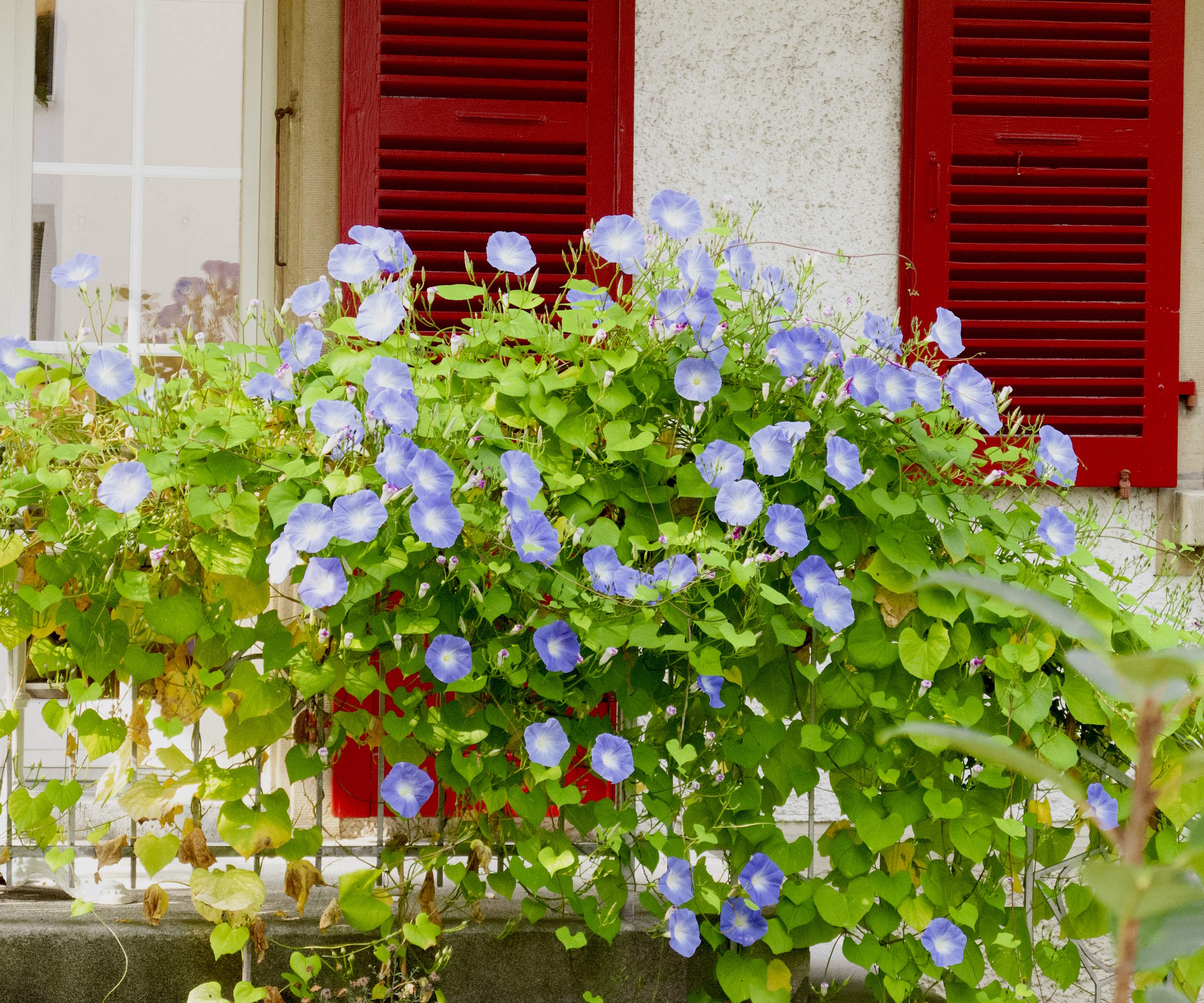
Once hummingbirds start to arrive in spring, they will be passing through some states and feeding and breeding in others until they make their exit again in the fall. Growing flowers with bloom times that coincide with their arrival and departure will make your outside space more friendly for these feathered wonders.
‘Native plants are really the backbone of what hummingbirds rely on,’ says Sean Graesser, biologist and director, Wild Bird Research Group. ‘Ideally, an outside space should have at least three different nectar-producing plants blooming in each part of the season, spring, summer, and fall, so there’s always something available when hummingbirds pass through or are raising young.
‘In eastern balconies and gardens, good spring plants include things like native columbine and native wild honeysuckle, which provide some of the first nectar sources as hummingbirds arrive.
‘Through the summer, plants like bee balm, cardinal flower, and trumpet vine become important food sources. And in late summer into fall, species such late-blooming salvias can help sustain hummingbirds as they prepare for migration. The key is creating a continuous bloom calendar, so there’s never a gap in nectar availability.’
These mixed Salvia seeds from True Leaf Market can be started indoors 6-8 weeks before the final frost for summer blooms.
‘Most commonly the flowers that tend to attract hummingbirds are red tubular-shaped flowers, but they will visit orange, red-yellow, pink, and other colors of flowers as well,’ says Jen McGuinness, author, Bird-friendly Gardening. ‘Wild Bergamot (Monarda fistulosa) is a native perennial that will grow in a large container.’
This Jacob Cline Monarda from Burpee with its bright red blooms is a hummingbird magnet. Suitable for zones 4-9, it blooms in summer and loves a sunny spot.
 Sean Graesser
Social Links Navigation
Biologist & Director, Wild Bird Research Group
Sean is a founding member and Director of Wild Bird Research Group. A biologist, conservation photographer, and storyteller from New Jersey, in his scientific research, Sean specializes in birds, particularly hummingbirds, studying their habitats and migration patterns. Sean has had the opportunity to work on projects with the National Audubon Society, The Nature Conservancy, Rainforest Alliance, National Geographic, and the Smithsonian Tropical Research program.
 Jen McGuiness
Social Links Navigation
Garden writer, author and photographer
Based in Connecticut, Jen McGuinness is a garden writer, photographer and author of Bird-Friendly Gardening from Cool Springs Press. She is also founder of the blog, FrauZinnia and champions organic and wildlife-friendly gardening. She holds a Home Horticulture Certificate from the University of Rhode Island Cooperative Extension and is a product tester for plant nurseries.
3. Hang nectar feeders
(Image credit: Getty Images / Lauren Beehler)
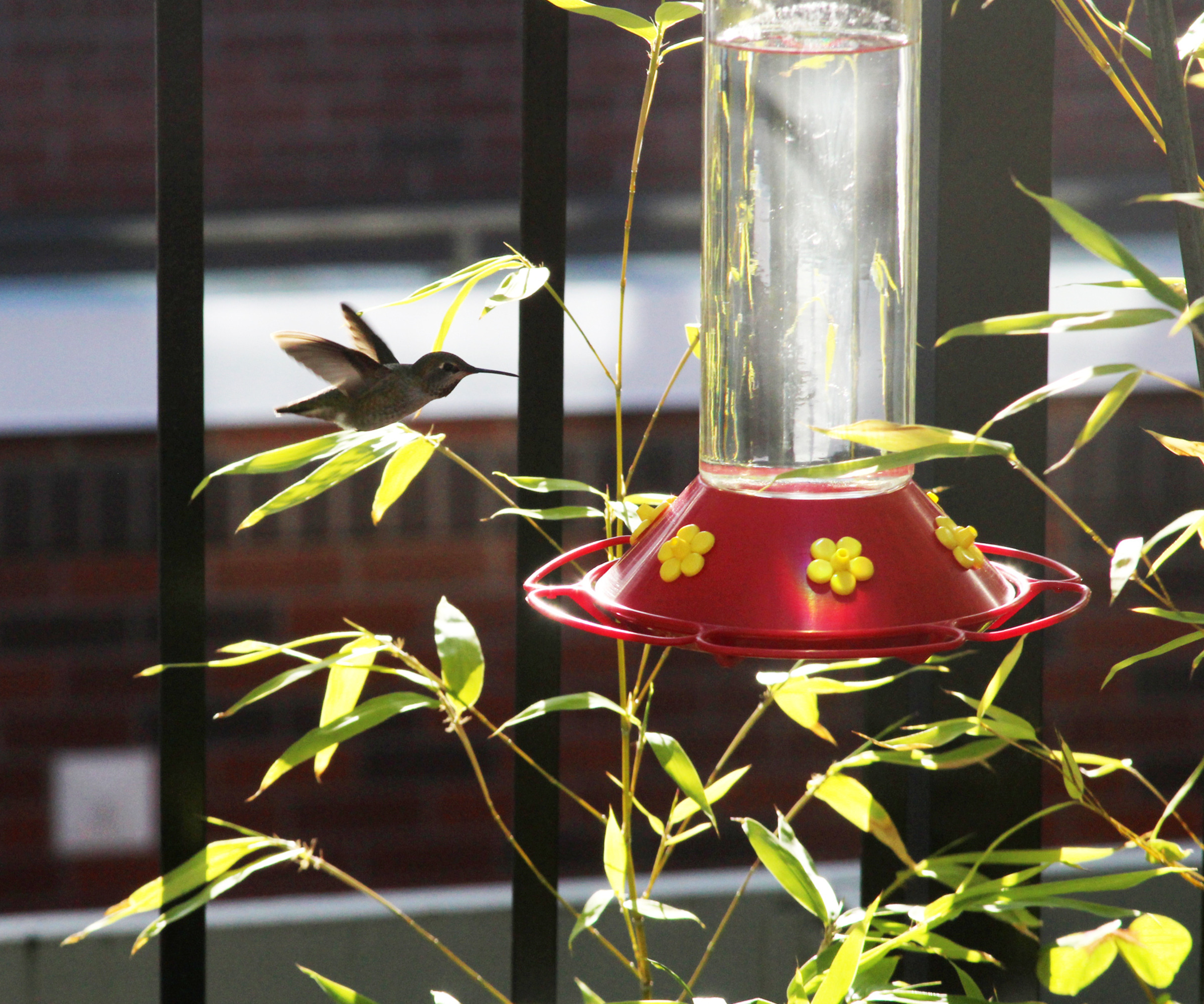
Next to growing native flowers that attract hummingbirds on your balcony, is hanging nectar feeders. If you don’t have a green thumb, this is a simple way to draw these feathered foragers to your outdoor space.
‘In the eastern US, where Ruby-throated Hummingbirds are the primary species, people can put feeders out by late March or early April in the South and mid-to late April farther north,’ says Sean.
‘There’s no risk in putting them out a little early, feeders don’t cause hummingbirds to migrate sooner, they just support birds that are already moving through. A simple mixture of four parts water to one part white sugar works perfectly; there’s no need for red dyes or commercial additives.’
This charming 16oz hummingbird feeder from Ace Hardware is made from red glass and has a metal hook and four feeding ports.
‘It’s important to locate your feeder within three feet of your glass windows,’ says Erika. ‘I know, this is counterintuitive, but if the feeder is within three feet of glass, birds won’t have time to gain speed if they accidentally hit the window. As an added tip, add some perches near your feeder. You can buy them from a bird supply store or make them out of straightened wire hangers.’
A cute hummingbird swing from Ace Hardware would provide a place to perch for those with weary wings.
‘Clean hummingbird feeders every 2-3 days under normal conditions, and every other day in warm weather, or daily in extreme heat, and always immediately if the nectar appears cloudy,’ adds Chad. ‘Use hot water and a scrubbing tool, like a bottle brush, to thoroughly clean the sides of the reservoir and all ports. Do not use soap, as it can leave harmful residues.’
These cleaning brushes from Ace Hardware would be suitable.
4. Create shelter with shrubs and small trees
(Image credit: Jacky Hobbs/Future)
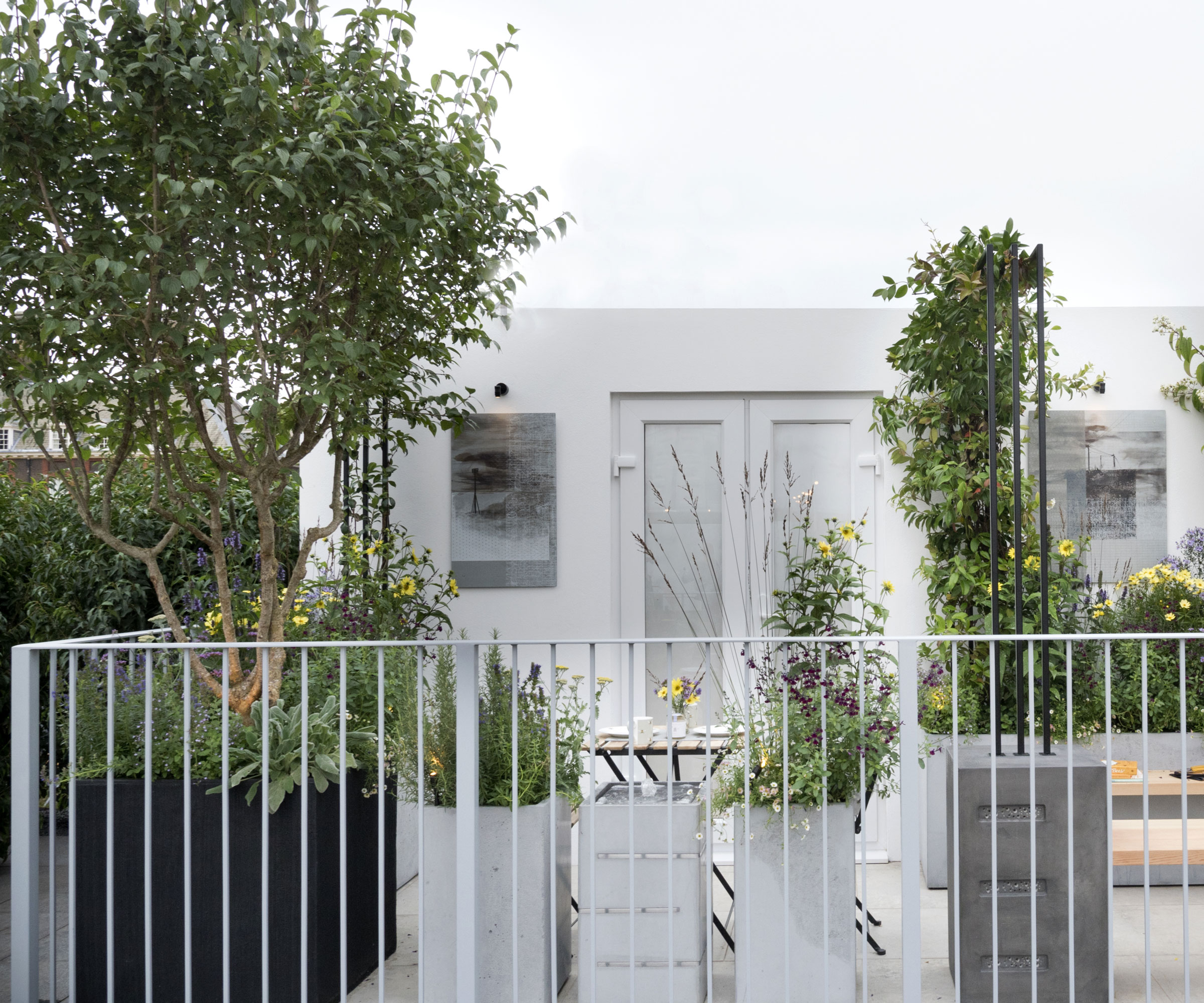
Small trees and shrubs can offer shelter and a place to perch for weary hummingbirds during migration (assuming your balcony can accommodate large containers). Native species which can double up as a nectar source are particularly appealing to hummers. These plants will of course provide privacy and shade for you too.
‘Bush Honeysuckle (Diervilla lonicera) is a medium-size shrub with small yellow flowers that attract hummingbirds,’ says Jen. ‘It is also tolerant of urban pollution, making it a good candidate to include in an inner-city environment.
‘Although, it does share the same common name—bush honeysuckle—as the invasive Lonicera japonica, so make sure you add the correct variety to your outside space.’
This native Bush honeysuckle from Nature Hill’s is often used as a hedging plant and can be grown in pots on a balcony in zones 4-8. It’s cold hardy, low-maintenance and loves sun and partial shade.
‘Native vegetation offers shelter and nesting sites, along with the soft plant materials and spider silk that hummingbirds use to construct nests,’ says Chad. ‘Native plants are especially beneficial because they support hummingbirds throughout their life cycle.
This green mountain boxwood from Nature Hill’s is suitable for containers. As well as offering shelter, it produces tiny flowers in spring, which attract pollinators including hummingbirds.
5. Prevent window strikes

(Image credit: Getty Images/Katarzyna Bialasiewicz)
Whether you have the time and space to create a container garden, or hang hummingbird feeders, there are other important things you can do to make a balcony humming-bird friendly. Cities are hazardous spaces for these captivating creatures–and not just because of the lack of natural food sources.
‘The huge amount of glass and artificial light can disorient hummingbirds as they’re migrating or as they’re looking for places to feed and rest,’ says Erika. ‘Bird-window collisions occur when light confuses the birds and/or they mistake glass for open sky.
‘However, you can make your windows bird friendly by installing an outside blind, closing indoor curtains or blinds, or making a pattern on the glass.’
Fixing screens, applying bird tape, or hanging bird savers break up expanses of glass according to National Audubon Society. Even partially open indoor shutters and venetian blinds create a striped pattern that can help to distort reflections in windows.
Jen adds that window collisions are one of the leading direct human causes of bird mortality and the risk increases in the spring and fall due to migration.
‘The threat exists both during the day or night,’ says Jen. ‘During the day, glass can reflect the surrounding landscape in windows—including trees and vegetation—which birds can mistake as a safe spot to fly toward.
‘While reflectivity is a major problem for birds, transparency of glass is also a cause of collisions. Window decals can also be applied to glass windows, which will help birds “see” the “break” in the window reflection,’ says Jen.
Try this bird deflector window film from Lowe’s on large expanses of glass. Containing six 4’x4′ pieces, the decals can be easily applied or removed without adhesive.
When to expect the hummingbirds return from migration will obviously depend where you live. Yet, there is much that urban balcony gardeners can do to support and attract these petite pollinators.
Anticipation of their arrival can help you prepare a banquet of blooms. Although, as you can see, you don’t have to be a gardener to make your balcony hummingbird-friendly. Simple strategies like window decals and nectar feeders can save lives and support these charming creatures too.
Comments are closed.