
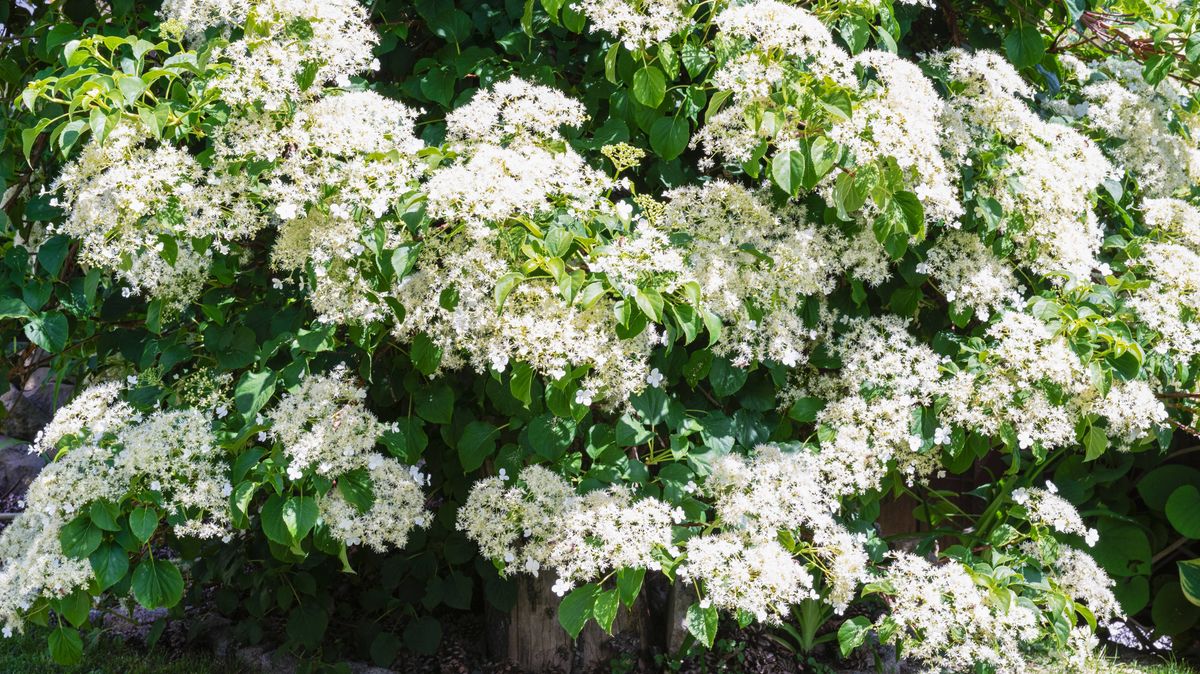
Climbing hydrangeas can produce more flowers with a simple task that many gardeners overlook.
Ellen Jenne U35 Spare Time Writer
11:13, 13 Mar 2026
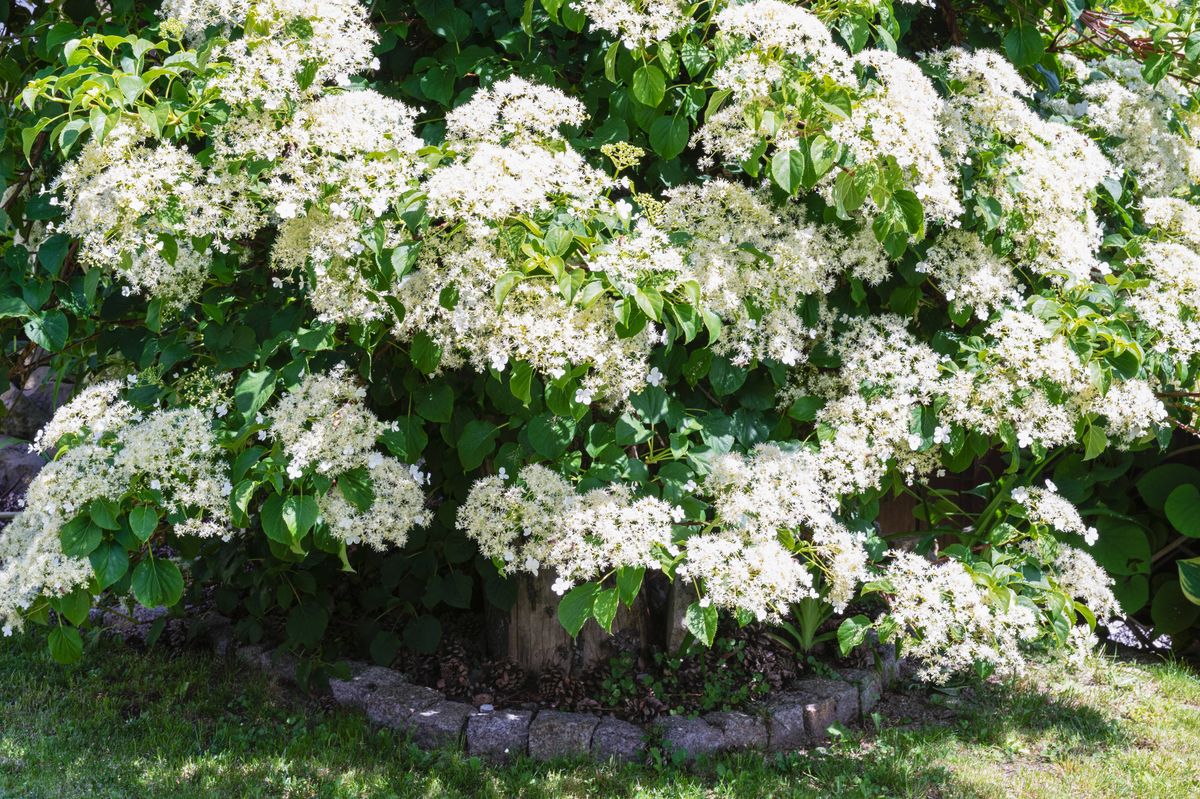
Climbing hydrangeas can produce more flowers with a simple task that many gardeners overlook(Image: FactoryTh via Getty Images)
Hydrangeas remain a favourite amongst gardeners looking to enhance their outdoor spaces, though not all gardens provide suitable conditions for these plants. For those eager to introduce a hydrangea into their collection, gardening specialist and TikTok content creator Ish has disclosed that a climbing variety can thrive in virtually any garden setting.
Whilst these plants require patience during their establishment phase, gardeners can prepare the climber to produce abundant blooms. For those who already possess a climbing hydrangea, flowering typically occurs between June and August.
Generally, these plants need substantial pruning during late summer, which permits sufficient time for flowers to develop fully for the following season.
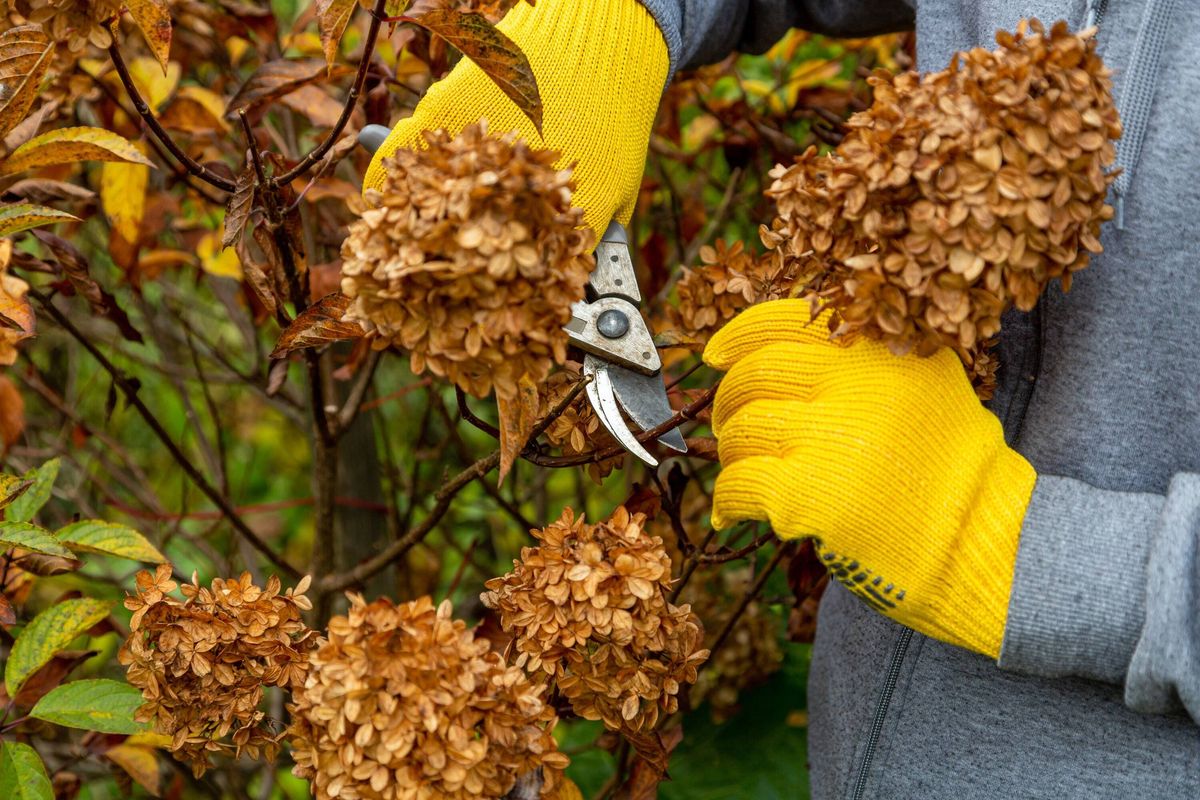
Don’t do a full prune, just trim away any leftover flowers to make space for the new buds(Image: Getty)
Nevertheless, Ish has proposed that well-established climbers might benefit from modest trimming in preparation for the upcoming growing season. With his plant beginning to bud, the specialist advises removing any spent flowers remaining from the previous year.
Cut the stem approximately an inch above any emerging buds. This technique helps channel energy towards new flowers, rather than old ones, reports the Express.
The process is straightforward. The plant won’t require a comprehensive prune at this stage, merely trim any remaining flowers to accommodate new buds.
Indeed, horticultural specialists recommend pruning exclusively during the latter summer months following flowering. Therefore, resist the urge to give these plants an extensive prune, as this would prove counterproductive.
Gardeners’ World cautioned that if your climbing hydrangea has become overly large, you may have to forego the blooms “for a few years”. To restore the plant to its proper form, climbing hydrangeas will require a more severe pruning during either autumn or spring.
Content cannot be displayed without consent
If you’re having difficulty producing flowers on a mature plant, incorrect pruning could be the culprit. Gardeners’ World explained: “Climbing hydrangeas produce flowers on last year’s shoots, so in order for the plant to have enough time to develop flowering wood for the next year, prune in summer straight after flowering. Don’t cut the plant back too much.”
The Royal Horticultural Society concurred that routine pruning of climbing hydrangeas ought to be carried out in summer following flowering, as this allows sufficient time for the plant to develop blooms. The RHS recommended cutting back the flowered shoot and shortening any “overlong new growth”.
Given that the majority of flowers develop at the top of the plant, these should be disturbed as little as possible or only lightly trimmed, according to the RHS. It further noted that more established specimens will be capable of withstanding a hard pruning come spring.
When selecting a location for climbing hydrangeas, Ish noted they thrive happily in shadier areas of the garden. For optimal nourishment, climbing hydrangeas can be grown in clay soil or well-draining soil.
Ish said: “Whilst it takes about two or three years to really establish, once it does, it grows like absolute wildfire. And as you can see, I’ve got a nice thick stem here, and it’s not like climbers where they’ll kind of go brown and not grow anymore, you’ll see I’ll get continuous new growth.
“So if you’re looking for something quite full and vibrant all year round, or until winter, I guess, get yourself a climbing hydrangea.”
Comments are closed.