
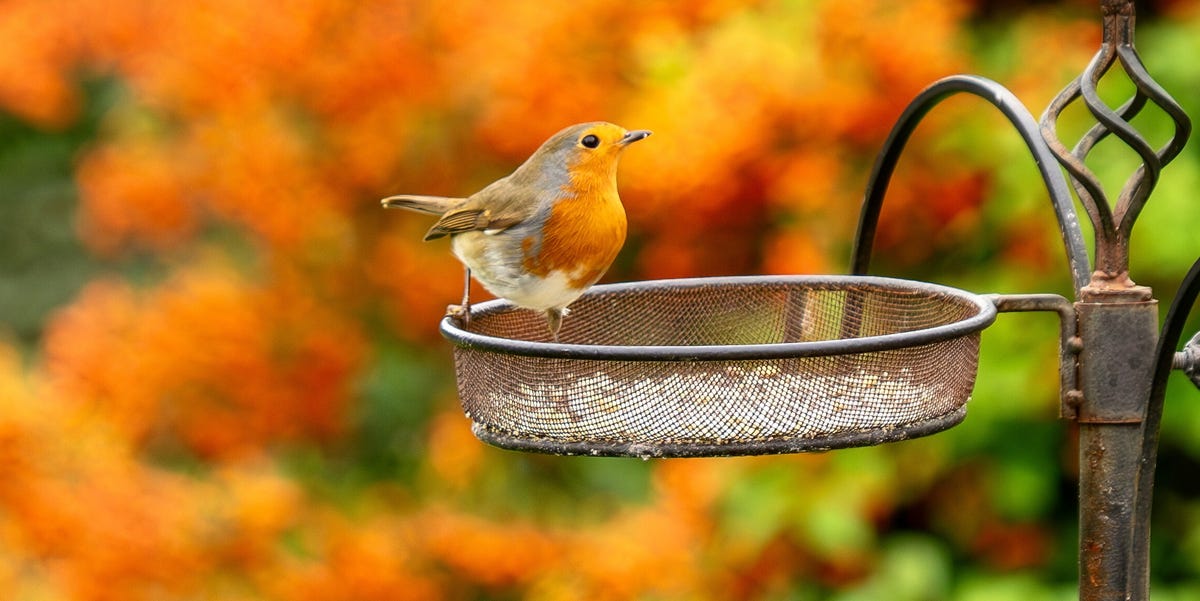
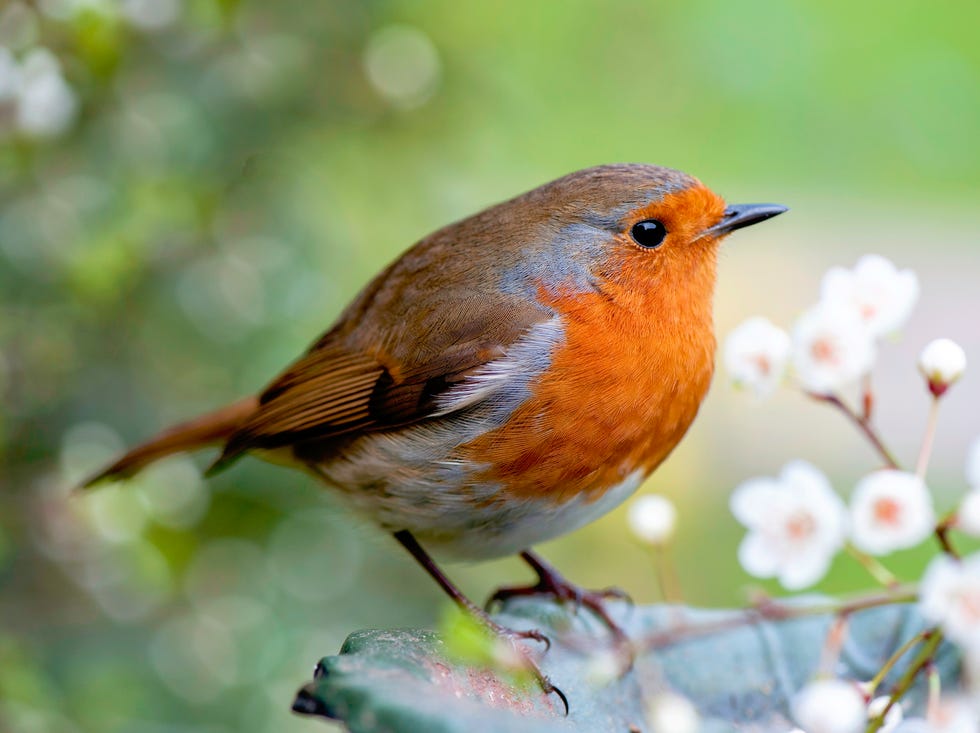
With its bright scarlet breast and cheerful, ticking song, the robin is one of the most recognisable visitors to a British garden. Friendly and curious, it’s just as likely to hop alongside you while you’re digging as it is to perch on a nearby fence.
But if you’ve ever watched your bird feeder closely, you may have noticed something surprising: robins rarely use them. While blue tits, great tits and sparrows happily cling to hanging feeders or fat balls, robins almost always stay away.
The reason is simple — robins are natural ground feeders. Instead of clinging to feeders, they prefer to search for food on lawns, borders and garden beds, where they can pick up insects, worms and scattered seed.

Jacky Parker Photography//Getty Images
Read more:Why don’t I see robins on my bird feeder?
Unlike many small garden birds that happily cling to feeders, robins are built to forage on the ground.
‘Robins are natural ground feeders, so feeding trays are ideal,’ explains Rachel Hoskins, content editor at The Woodland Trust. ‘Make a mixture of bird seed, sunflower hearts and mealworms, sprinkle it out on a tray and wait for the robins to arrive.’
sandra standbridge//Getty Images
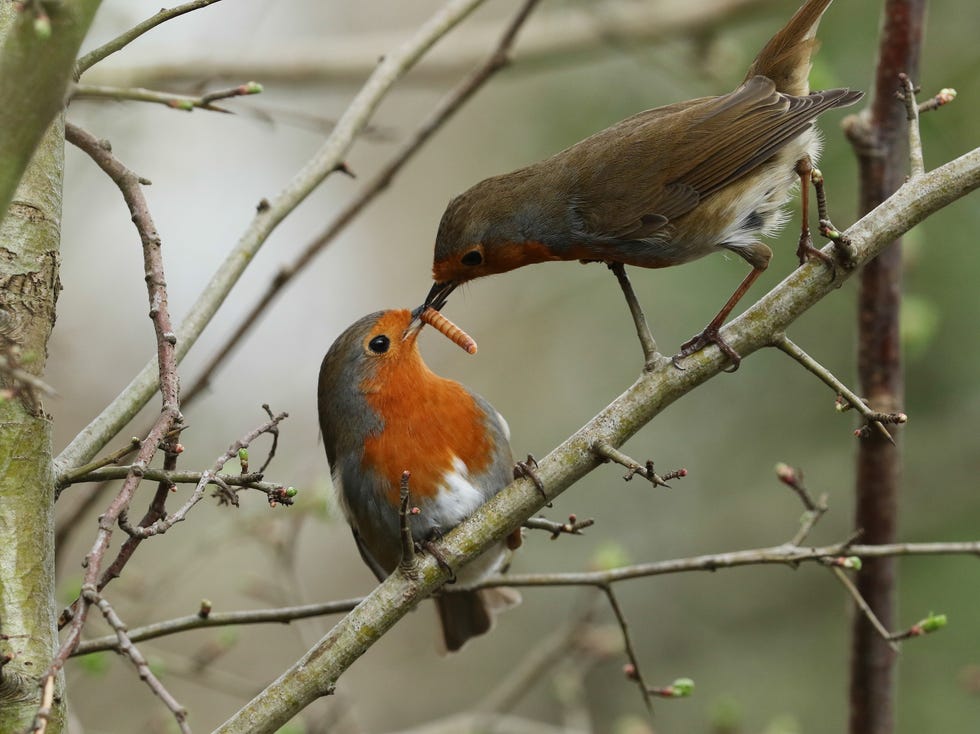
In the wild, robins spend most of their time hopping across lawns, leaf litter and flower beds searching for insects, worms and other small invertebrates. Because their feeding behaviour is adapted to this ground-level hunting style, traditional hanging feeders aren’t always the most appealing option.
Instead, robins prefer flat surfaces where they can land comfortably and pick up food — such as feeding trays, bird tables or even seed scattered directly on the ground.
What are the best feeders for robins?
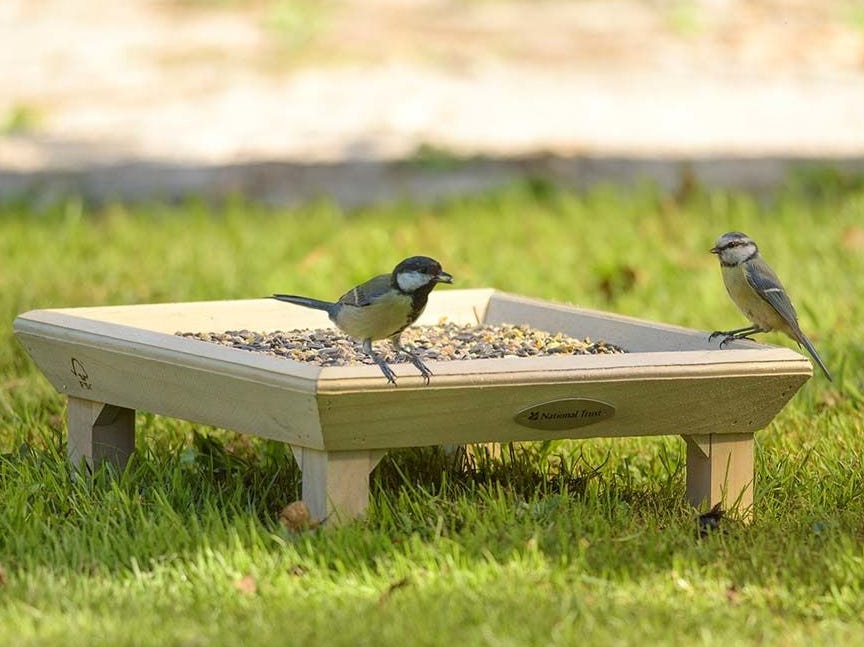
Because robins prefer to feed at ground level, trays and platform-style feeders are often the most effective option.
Jacobi Jayne Garden Feeder Tray – Mealworm And Robin Bird Feeder
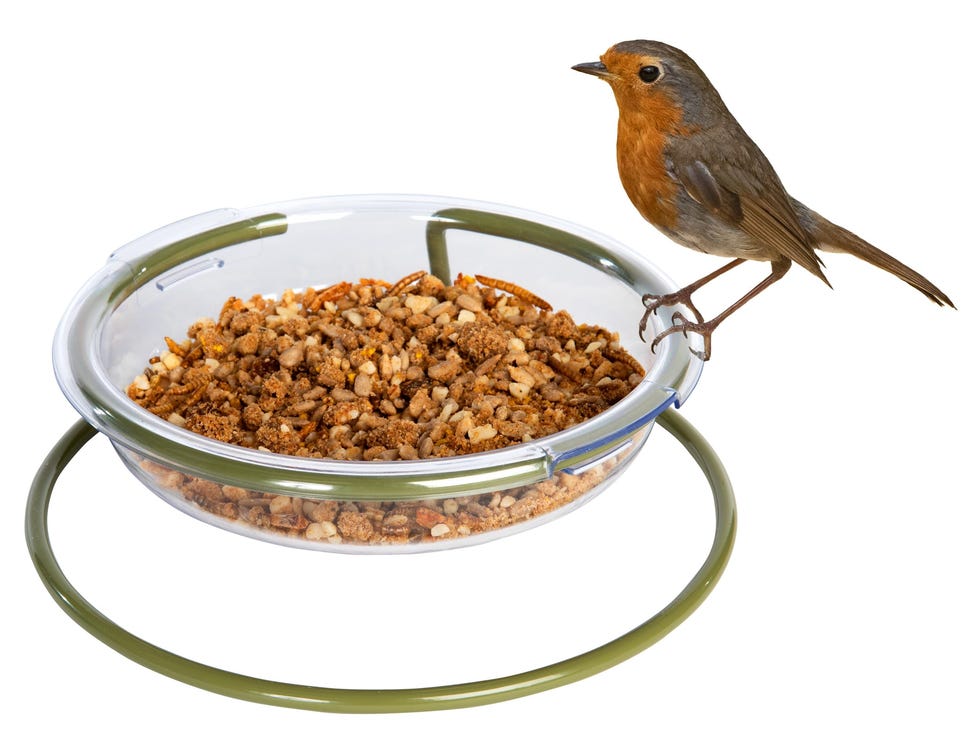
‘European Robins mostly feed on the ground, so adding their favourite foods to a ground feeder is a fantastic choice,’ says Maria Kincaid, ornithology research specialist for smart bird feeder company, FeatherSnap.
‘Ground feeders or platform feeders are best – they’re easy to fill and clean, and can be regularly refilled as needed.’
Flat feeders allow robins to land comfortably and pick up food, mimicking the way they naturally forage along lawns, borders and garden beds.
National Trust Bird Ground Feeding Table
Maria also notes that hopper-style feeders can work well and offer variety: ‘Hopper style feeders – like the FeatherSnap Smart Seed Feeder – are great for a variety of different food types, and the dual bin system allows you to add different types of food to attract the widest variety of birds, or put different types of seed mixes made to attract robins specifically.’
Smart feeders can also help keen birders learn more about which species are visiting.
‘Several smart bird feeders help you keep track of what birds are visiting via photos and videos sent directly to your device through the app, and can advise changing your food offerings depending on the birds you’re looking to attract.’
Which foods do robins love most?
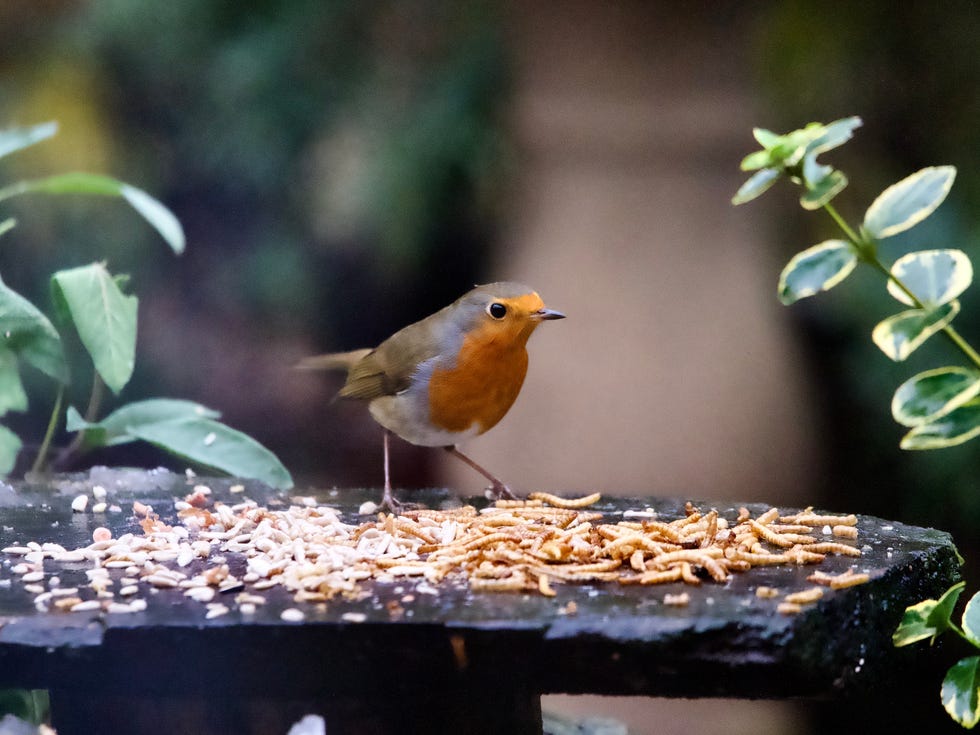
If you want to encourage robins into your garden, offering the right foods can make all the difference. Mealworms are a particular favourite.
helen Reid//Getty Images
‘As they’re such fans of mealworms, you can give them an extra helping hand by soaking dried mealworms in water,’ says Rachel. ‘This gives the robins some valuable moisture from the food, hydrating as well as feeding them.’
Alongside mealworms, robins will also happily eat sunflower hearts, small seeds and other soft foods placed where they can easily reach them.
One important thing to consider
While ground feeding works well for robins, it’s worth thinking about other wildlife before placing food at ground level.
‘Don’t forget to consider the other animals in your garden,’ Maria adds. ‘If you’ve got wild hedgehogs or pet dogs, a ground feeder isn’t the best choice, as they can get sick from some kinds of bird food.’
The good news is that robins can adapt when necessary. Although they naturally prefer feeding on the ground, they will sometimes use hanging or raised feeders — especially when other food sources are scarce.
So if your feeder seems to attract every bird except the robin, don’t worry. Try offering food on a tray or platform instead, ideally with mealworms or sunflower hearts, and you may soon spot that familiar flash of red hopping into view.
Follow House Beautiful on Instagram, TikTok and Pinterest
The Garden Edit 2 Pack Striped Outdoor Seat Pads
 Marcy 2-Seater Sling Garden Sofa, GreigeCredit: John Lewis
 Natural Scalloped Rattan Outdoor Table LampCredit: Next
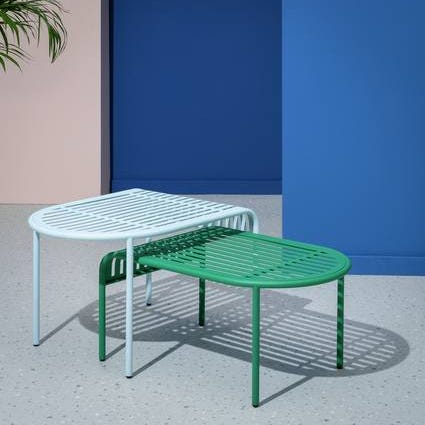 Habitat 60 Lucinda Metal Nesting Garden Tables – Blue & Green
Now 30% Off
Credit: Habitat Scalloped Edge Smooth Fibre Clay Plant PotCredit: Dunelm
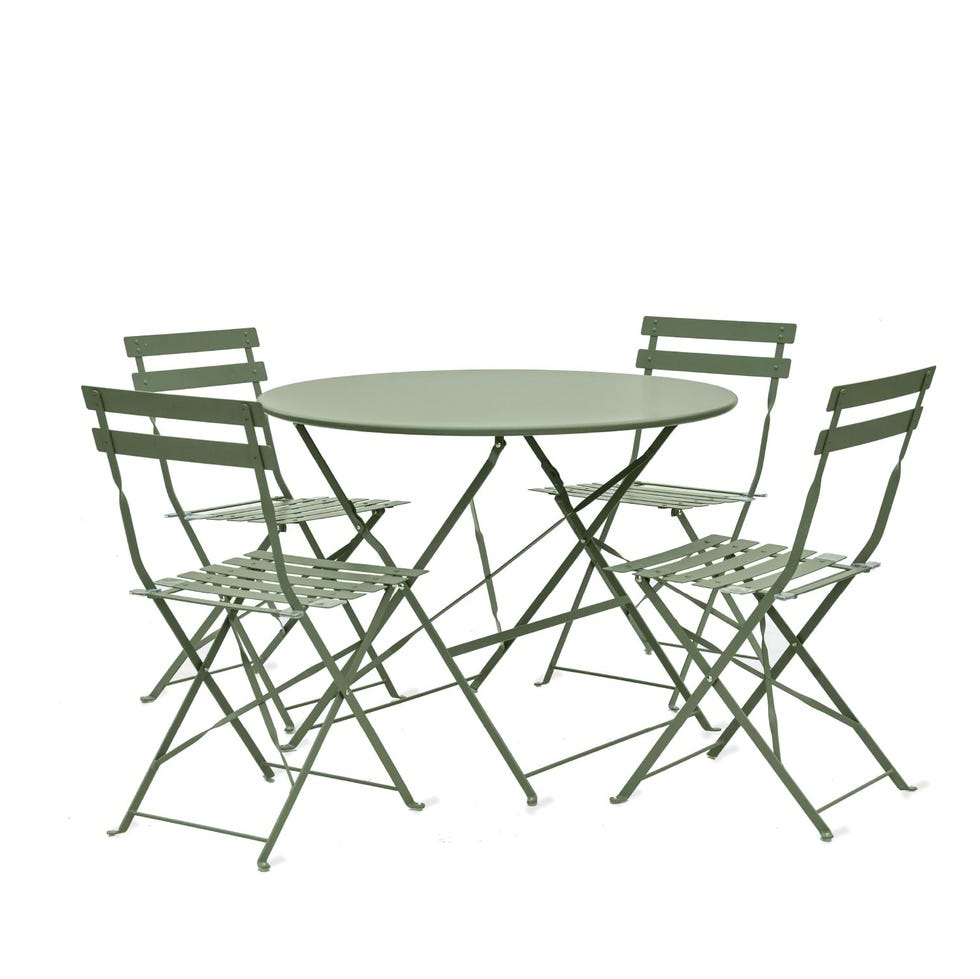 Garden Trading Rive Droite Bistro Set Large Thistle Green
Now 20% Off
Credit: Garden Trading
Comments are closed.