

Have you ever wondered why your lawn looks brown but your neighbor’s doesn’t? This has left me scratching my head before, until I had a realization: they have a completely different type of grass to mine, meaning seasonal weather conditions affect our lawns differently.
Even if you do everything right for lawn care over winter, early spring can leave it looking brown from overly wet and cold winter conditions. This is especially true if you have poor soil structure and your lawn sits in shade, making it harder to bounce back from winter stress. It might also be that you unknowingly have a warm-season grass in your yard, while your neighbor has a cool-season grass that stays green in the colder months (you can explore different grass seed varieties at True Leaf Market).
Article continues below
You may like
Why Does My Lawn Look Brown?
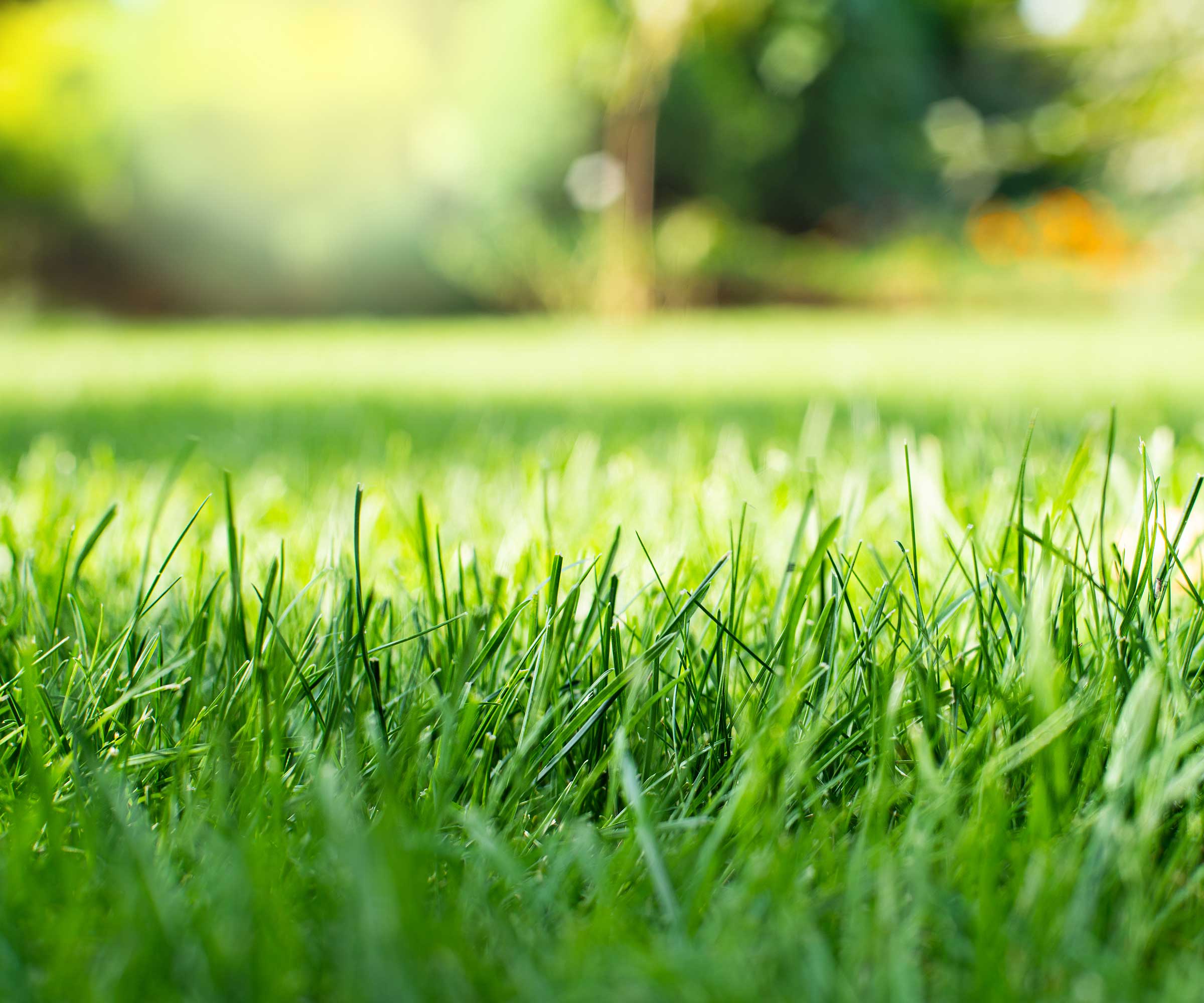
Different grass types cope with different conditions
(Image credit: OlenaMykhaylova / iStock / Getty Images Plus / Getty Images)
During winter our lawns can take a beating.
Oversaturation mixed with poor drainage can result in a waterlogged lawn and rotting roots, causing discoloration. Likewise, the constant freeze-thaw cycle can damage your grass.
The reason why your neighbor’s doesn’t look this way, however, is due to a few factors.
There are some grass varieties that cope better with wet and cold conditions.
For example, you may not realize you have a warm-season grass like Bermuda (you can purchase seed on Amazon) which prefers drier conditions and goes dormant and brown in winter, while your neighbor has a cool-season grass like Fescue (these seeds are also available on Amazon) which is much more resilient to wet conditions.
The same goes for if your lawn looks brown in summer and theirs doesn’t, it may just be they have a drought-tolerant grass variety, for example like this Zoysia grass seed on Amazon.
Generally speaking, warm-season grass is best for hotter US hardiness zones (coping with 80-95°F in summer), while cool-season grass is best for cooler zones, preferring 60-75°F in spring and fall and staying green during colder months.
What to read next
Other factors making your lawn brown include soil type. It can be surprising, but some neighboring yards will have completely different soil types which impacts soil structure and nutrients available to the grass.
It may even be that your neighbor has aerated their lawn (like with this aerator tool on Amazon) to improve drainage, coping better with wetter conditions and making their lawn greener and thicker.
Likewise, sunlight can also impact the color of your lawn in early spring.
If your grass is dormant in winter and sits in shade in your yard, it will take much longer to wake up in spring. This can be any garden shade, like shadows from trees, houses, and other structures.
In comparison, your neighbor might have their lawn in full sun, helping it to break dormancy in early spring and encouraging new growth more quickly.
When to Worry and What to Do
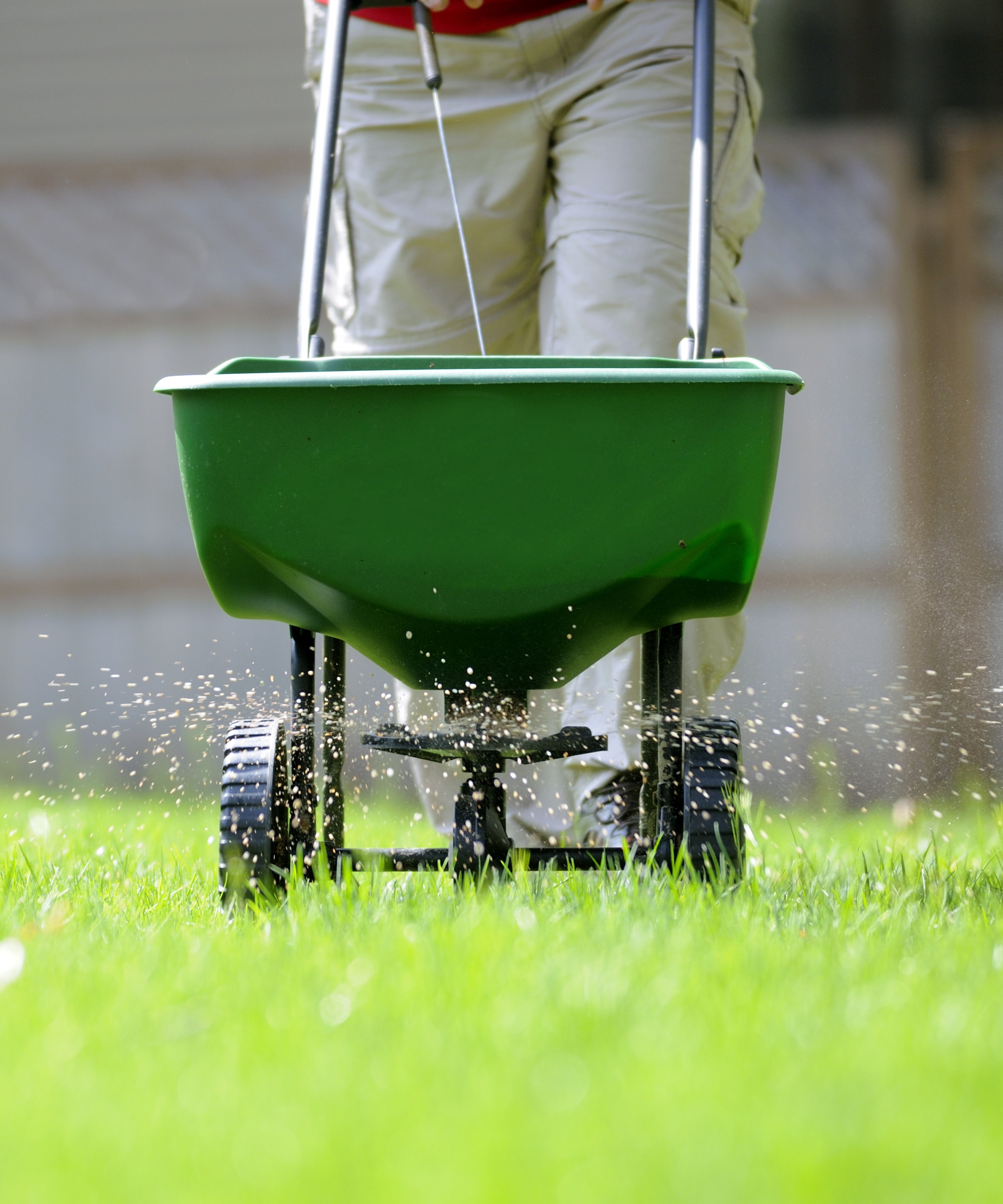
A seed spreader makes it quicker to seed your lawn
(Image credit: Getty Images/iStockphoto)
A brown lawn isn’t always something to panic over. Usually, they go through seasonal changes and will bounce back when their dormancy ends.
Though, this does require some TLC from you to encourage good health and new growth, e.g. aerating it and fertilizing your lawn.
In the case that it’s struggling to recover, you should conduct a soil test (like this lab soil test kit on Amazon) and see if your soil is the problem.
It might be that your soil isn’t right for the grass variety you have grown, or nutrients are lacking.
If the latter is true, you can take steps to improve your garden soil, like with this lawn feed from Lowe’s.
Another issue to be aware of is pests. Leather jackets, for example, eat grass roots beneath the surface and turn entire lawns brown. You can use beneficial nematodes (available on Amazon) to take care of this issue.
Something else that will help your lawn recover from winter damage is overseeding.
This is a tried-and-tested method helps lawns become thicker and bounce back from winter damage (and recover from summer damage in fall).
Using a seed spreader (like this one from Lowe’s) will make this job more efficient, alongside special overseeding grass blends (like this one from Amazon).
Our guide to signs of an unhealthy lawn has more insight that can help diagnose the issue.
FAQsHow Often Should I Fertilize My Lawn?
Generally speaking, you only need to fertilize your lawn 3-4 times a year, roughly every 6-8 weeks from spring-fall. This will provide the essential plant nutrients it needs to stay healthy and vibrant for the whole season.
Don’t forget to check our our guide to spring lawn care for more information on how to get your lawn looking its best for the spring and summer months.
Love inspiring garden ideas, outdoor advice, and the latest news? Sign up for our newsletter and get the latest features delivered straight to your inbox.
Shop Lawn Care Essentials
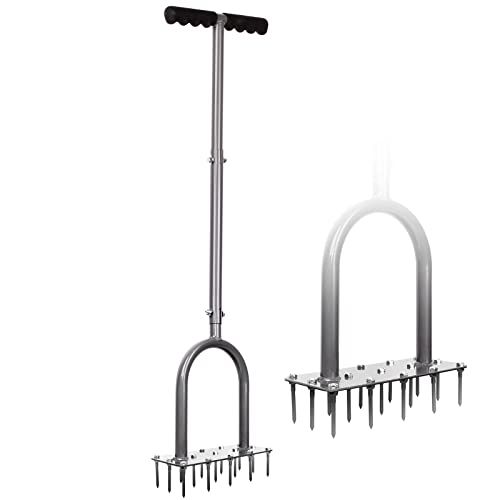
This lawn aerator tool helps improve soil structure on your lawn by creating air pockets. It’s heavy-duty and made to last.
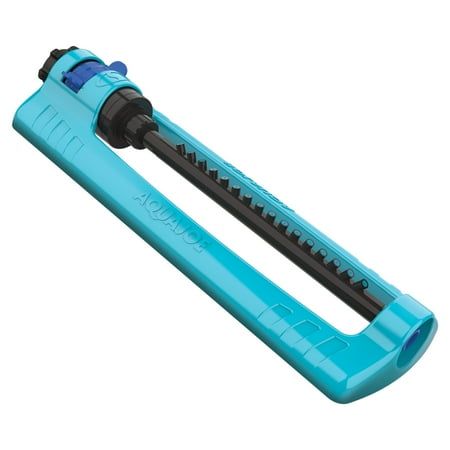
Oscillating Lawn Sprinkler
This oscillating lawn sprinkler makes watering your grass low-maintenance. It can cover up to 3,600 sq ft.
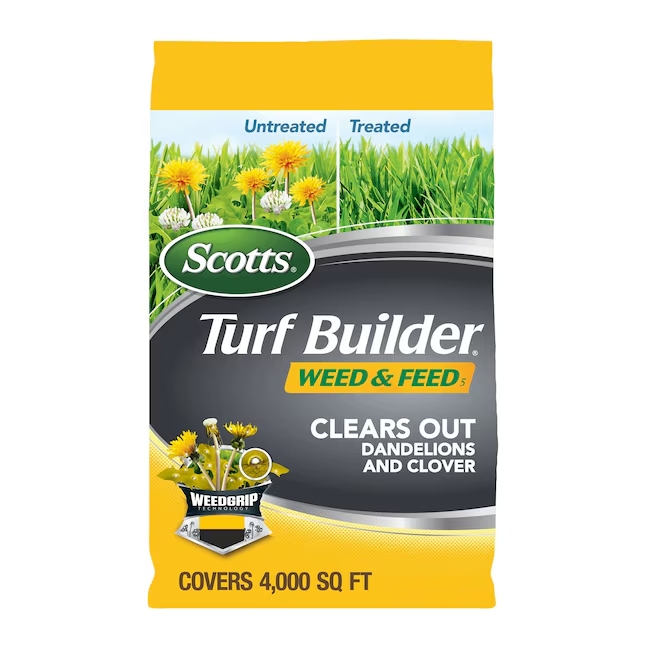
This lawn weed and feed helps fertilize your grass and get rid of weeds, ready for a vibrant spring and summer.
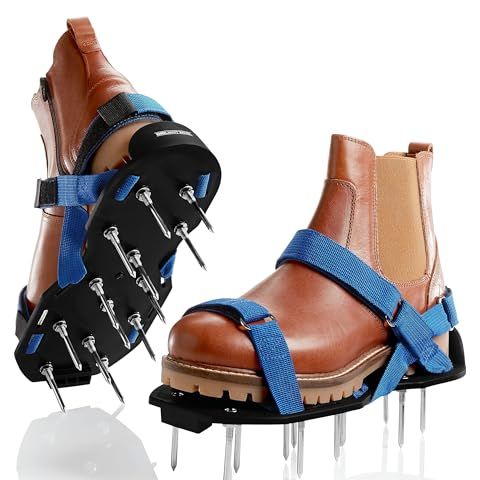
These aerators attach to your shoes so you can aerate your lawn by just walking on it. They have adjustable straps for a comfortable fit.
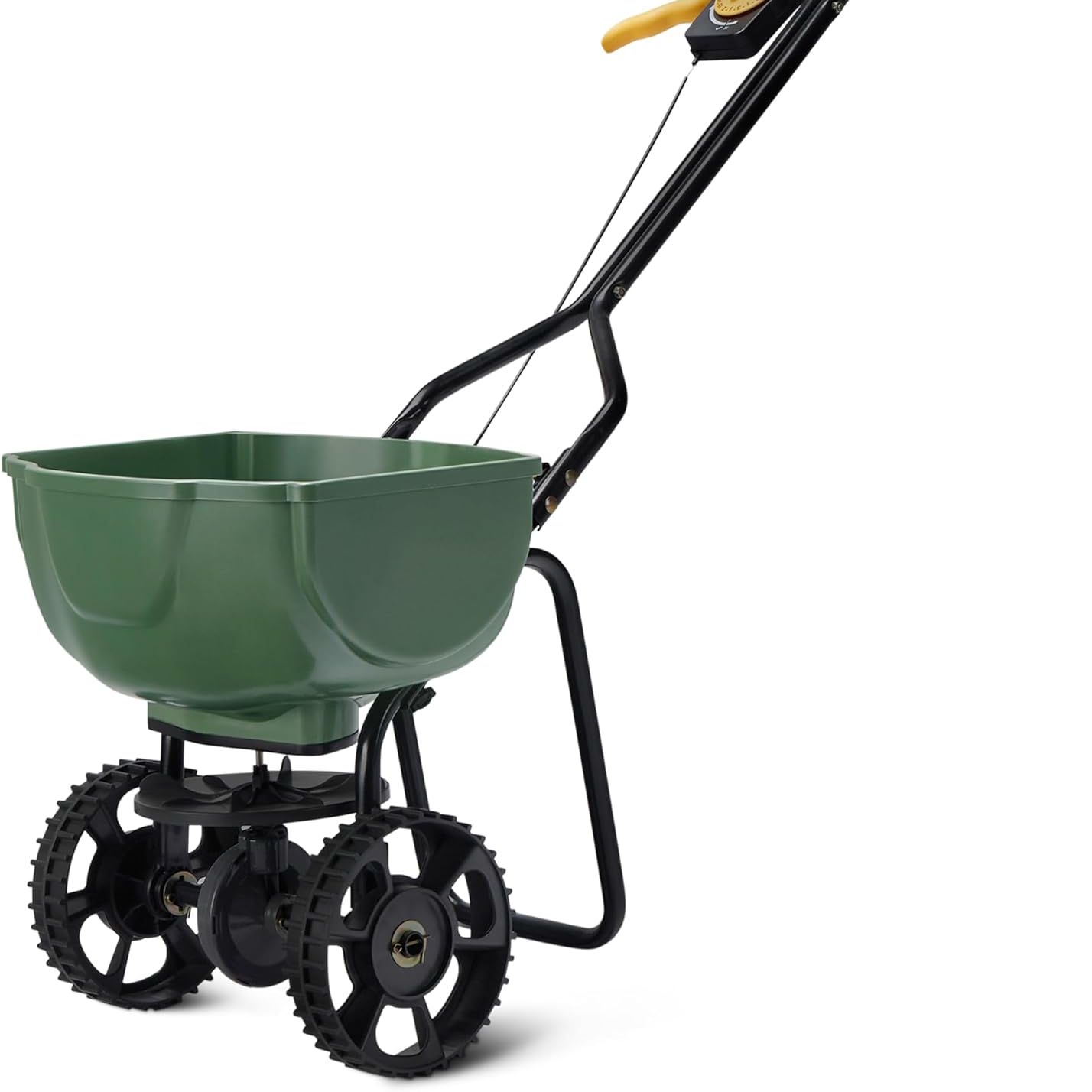
This lawn seed spreader makes seeding and fertilizing your lawn much more efficient. It can cover up to 5,000 sq ft at a time.
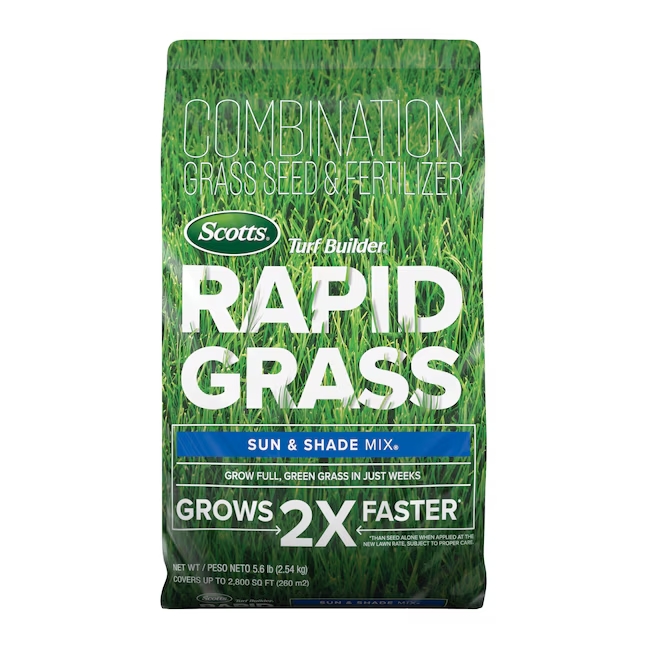
This rapid grass seed is a sun and shade mix. It helps grow grass fast, thanks to a special blend of seed and fertilizer.
Comments are closed.