
Here are some things to do in the garden.
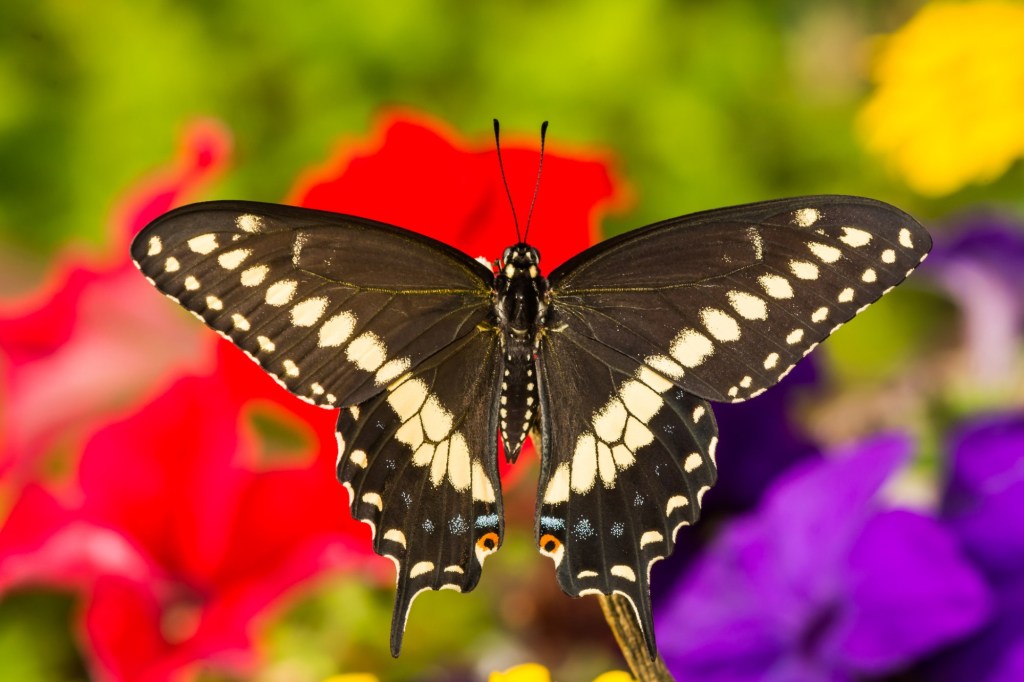
Herbs: If you want black swallowtail butterflies to lay eggs in your garden, plant common fennel (Foeniculum vulgare). Fennel is a relative of parsley, cilantro, carrot and dill, with soft and lacy foliage to match. It has a licorice fragrance when crushed, and although it develops as a biennial (blooming, setting seeds and dying in its second season of growth), it self-sows reliably upon its demise. The Purpureum or bronze fennel variety has purplish-bronze foliage for an extra ornamental touch.
Fruit: Having reached mid-March, the danger of frost in this part of the world has passed, and you can now plant fruit trees without concern that freezing weather will damage incipient spring growth. The recent rain is beneficial since it will most likely leave the soil moist once flowering begins. Should we have a hot and dry spell between now and anthesis — the botanical term for flowering — it is important to make sure the soil is moist since the fruit set that accompanies flowering demands moisture in the root zone to eliminate stress that could impede fruit development.
Vegetables: Peas, beans, lentils and lima beans will germinate most reliably and grow most robustly into maturity when treated with an inoculant of living nitrogen-fixing bacteria. You can either dust the inoculant over the seeds, dunk the seeds in the inoculant, or set your seeds on inoculant with which you have lined your furrow. Whichever procedure you employ, make sure the inoculant is wet so that it will adhere to your seeds. This product is available through Internet vendors.
Flowers: Outside the Hadar Mall in Jerusalem’s Talipot neighborhood, I discovered Willow Leaf Persian shield (Strobilanthes persicifolia). Lavender trumpet flowers proliferate against a background of deep purple foliage. This perennial grows expansively out of its container and is three feet tall and wide. You can order it online from Kartuz Greenhouses (kartuz.com). Many more seldom-seen beauties are available from this vendor.
Make sure to water plants growing in containers outdoors more often than those in the ground. You really need to check containerized plants on a daily basis since they are subject to desiccation in windy weather, even when temperatures are mild. As a result of more frequent watering, you will also need to fertilize on a regular basis; apply a low-analysis liquid or water soluble fertilizer, applied through a hose end sprayer, at least once a month during the growing season. Alternatively, scatter slow-release fertilizer pellets over the surface of your containerized soil and re-apply as pellets disappear.
Comments are closed.