
It’s almost gone! I can’t believe all that snow has melted, but it is March.
First thing to think about: Remove your birdfeeders unless you have them attached to windows on the second story of your home. Bears are up and prowling. We saw a pair emerging from a den on our usual wooded walk. Sorry, I didn’t linger to take photos. They are hungry and will find anything edible, especially bird seed or suet.
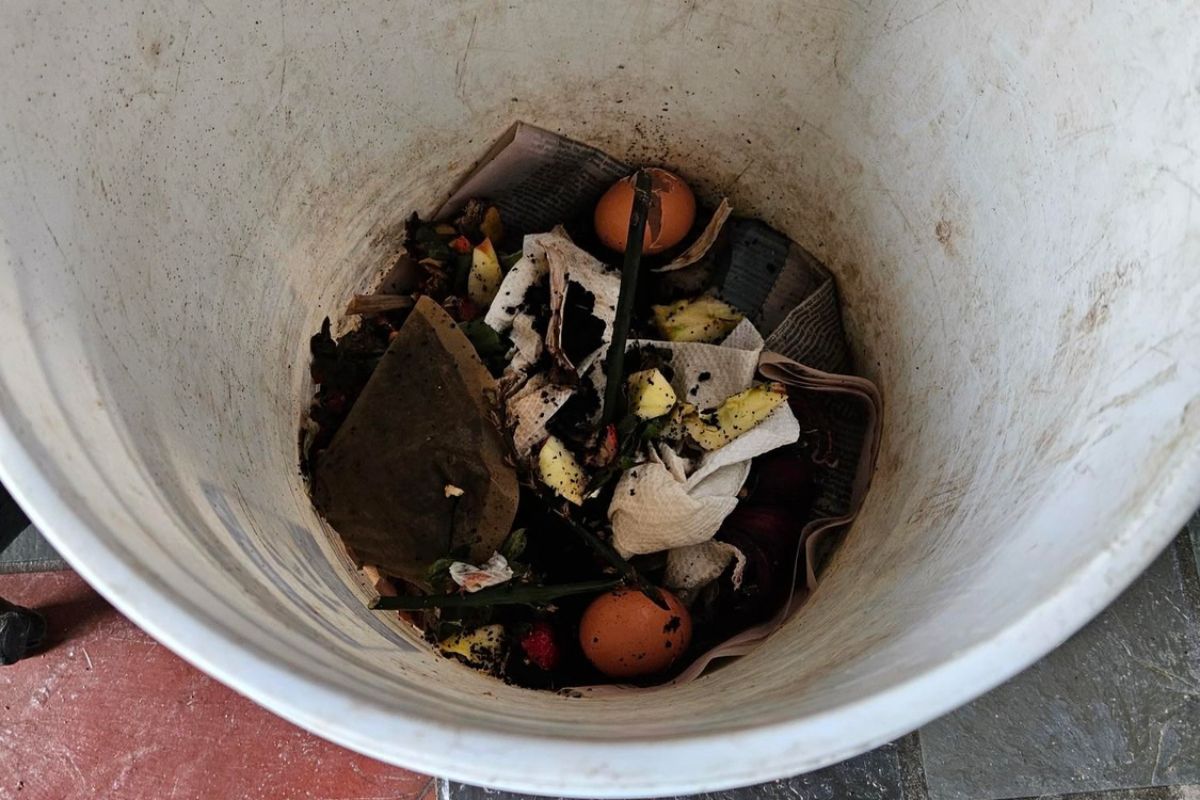
After removing your feeders, cover your compost pile with old leaves and branches. Stop putting food scraps outside and start adding to a five-gallon bucket that you can store in a bear-proof spot like your basement. Once leaves start to emerge on outdoor shrubs in a month, you can start adding to the compost pile again. There will be enough food available at that time for bears to forage without raiding your pile.
With the snow melt, some perennial evergreens may be looking tattered. It is OK to cut away the browning and battered leaves. Fresh growth will emerge shortly. Meanwhile, it is nice to anticipate the spring flowers of hellebores.
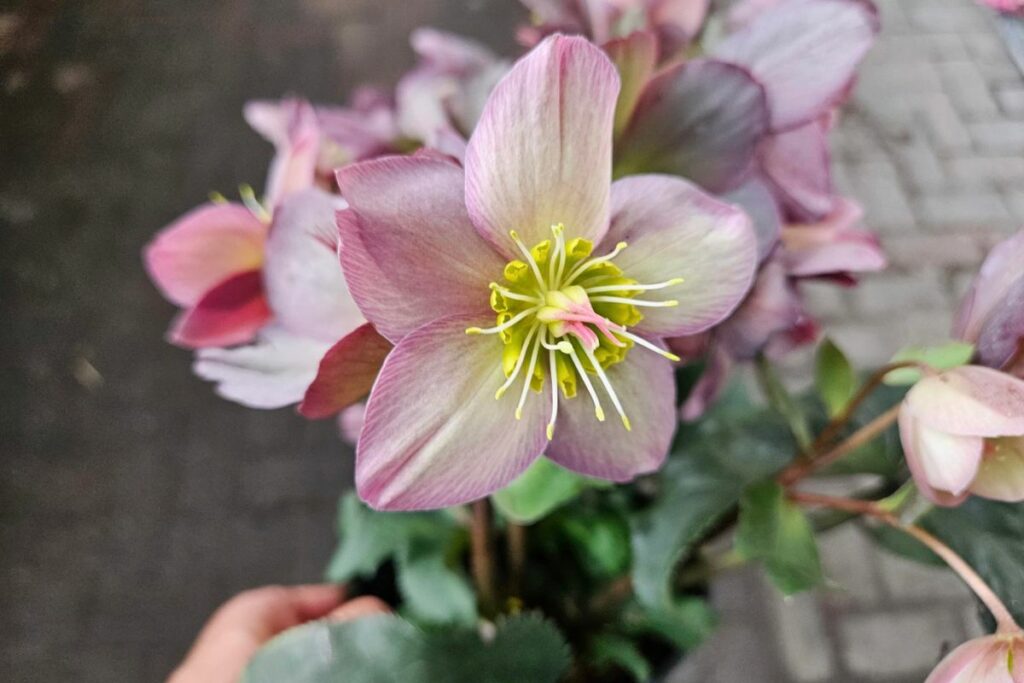 Hellebore, or Lenten rose, is an early perennial flower. In the garden now, you may only see ratty foliage, but you can anticipate these pretty flowers soon.
We have about nine weeks until our last spring frost. What seeds will you start? I have leek seeds and beet seeds. These will go in a tray about half an inch deep into a seed-starting mix. I will let them grow for about six weeks and then put them into the garden.
Supposedly, March 17 is the day to plant peas in the garden. I don’t think my raised beds will be drained and ready for any planting. However, I could plant a row now, and if the seeds don’t germinate (they are more likely to rot), I will sow more peas in about two weeks. There is time!
How we have enjoyed the recent warm temperatures! Sadly, it is March and the upcoming forecast predicts daytime temperatures in the 40s with below freezing overnight. If you didn’t know already, it is time for maple sap to flow. The sap of maple trees starts to rush to the growing tips in these temperatures, and it is the ideal time for tappers to collect sap for syrup. Visit a local sugar house and invest in some natural sweetener. Maple syrup has been used as a local sweetener for generations. Enjoy!
While the snow lingered, I have been considering hedging plant choices. I am most interested in a mixed hedge of native plants, some deciduous and some evergreen. Right now the most flexible native plants seem to be an Ilex glabra choice, with Juniperus and Viburnum. I am not sure of the species, but two of each should spread to 24 feet wide and six feet tall. This hedgerow will create a visual barrier between properties without blocking all the sunlight. I also want the hedge to provide cover/food/nesting for birds and other insect wildlife. Plus, by having a mix of species, I will support a mix of wildlife and also have a planting to withstand disease that can devastate a monoculture.
As we wait for soils to drain, prune sweet autumn clematis now. Sweet autumn clematis (Clematis terniflora) blooms on this year’s growth. Pruning now will encourage new growth through the summer and more buds as we move into fall.
Also, now is a good time to prune red-twig dogwood. Cut back a third of the oldest stems now. You will enjoy the brightest red color next winter from the new wood that grows through this upcoming season.
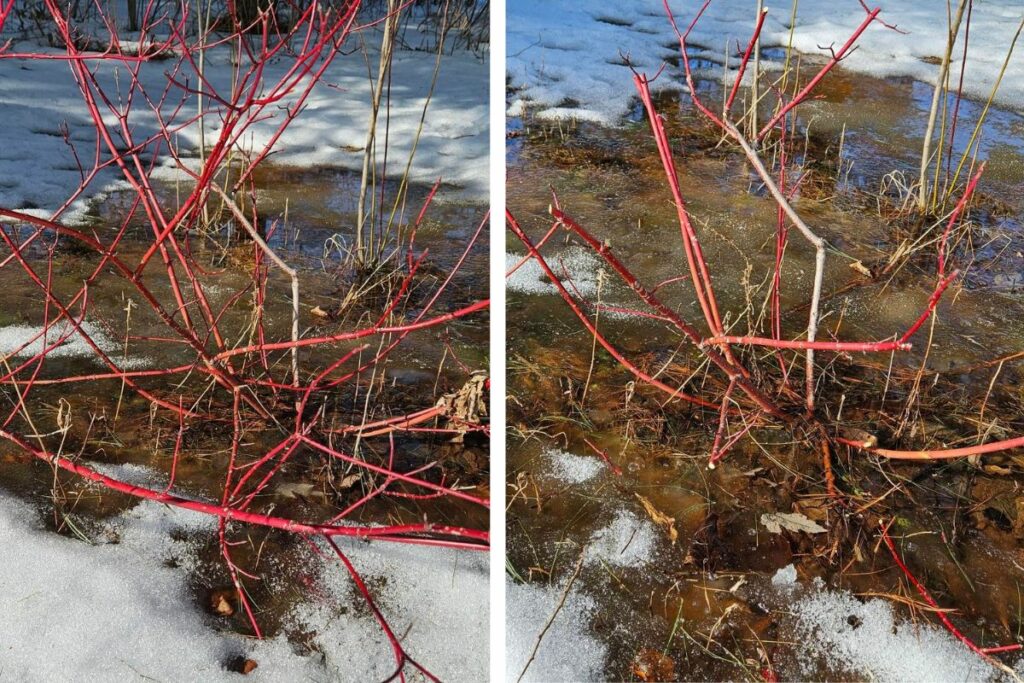 Red-twig dogwood has many purposes in a natural landscape. The native shrubs tolerate wetland or drought, support wildlife, and have dramatically colorful red stems in the winter. Prune the stems now for the best color show next winter. Left shows the stems before pruning, and right shows after pruning. You could prune these within six inches of the soil surface and still have beautiful plants.
If the cold or melting snow prevents you from being outdoors, re-pot your root-bound house plants. If leaves show browning tips or if the plants flag often, they are likely root-bound. Repot the plants in a new pot about one inch wider in diameter with fresh potting soil.
Outdoors we have encountered piles of dirty snow, but look more closely in sunny locations away from roadways. The light pepper speckles you see are actually spring tails on the snow surface. Sometimes called snow fleas, these insects will be seen bouncing across the snow looking like a scattering of black pepper near some decaying ash trees. Wet snow, cold nights, and brighter days signal all animals and plants that it is time to get moving. None of these early insects pose any danger to us or the forest, and they benefit the ecosystem. Snowfleas (not really fleas but arthropods) help breakdown bits of vegetation and convert it into fertile soil. They are eaten by a variety of small predators from flies to fish larvae. Learn more about these important creatures here.
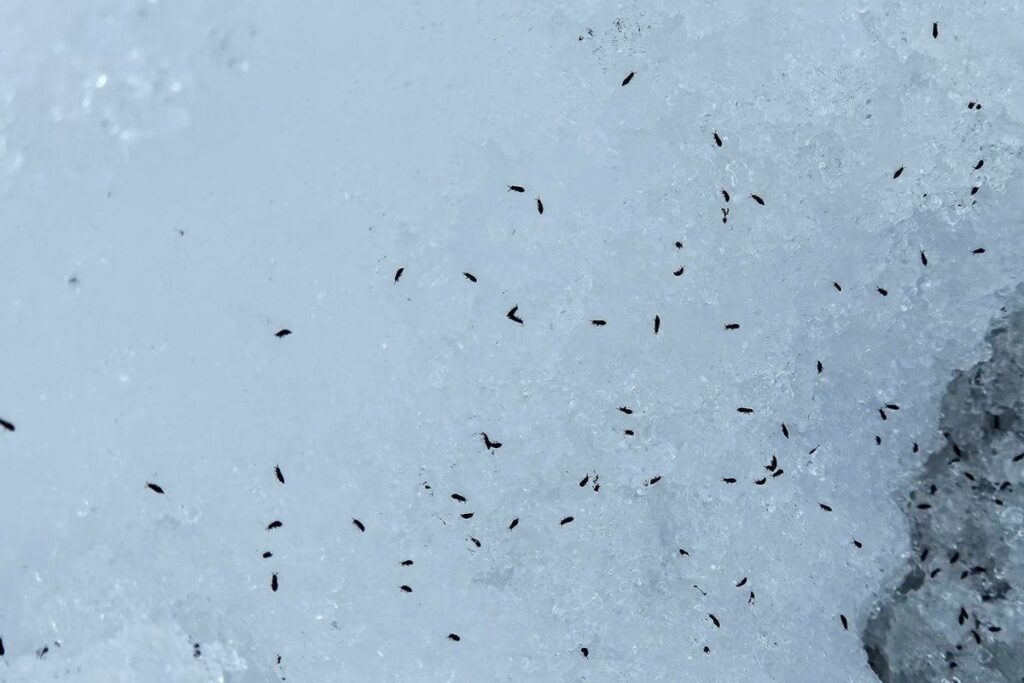 Not all black-specked snow is dirty! Springtails or snow fleas have a job to do, and now is the time.
Don’t delay. Deer are also actively looking for food. The lazy gardener would rather refresh or change repellents and reapply than dig out plants dead from deer browsing. No plant is deer proof, especially now when deer are hungry. Deer will gobble swelling buds on any shrub. Apply those repellents!
I call myself the Lazy Berkshire Gardener because I don’t want to work too hard in my gardens. I want to enjoy them. I find it easier to observe my landscape and let the compost happen, the water pool up, or daisies to self-sow. I look for ways to do the minimum task for the biggest impact. For example, mulching is better than spraying and much better than weeding all season. I look for beautiful, low-maintenance plants that thrive in or at least tolerate my garden conditions. Plus, I am willing to live with the consequences if I miss something.
Comments are closed.