
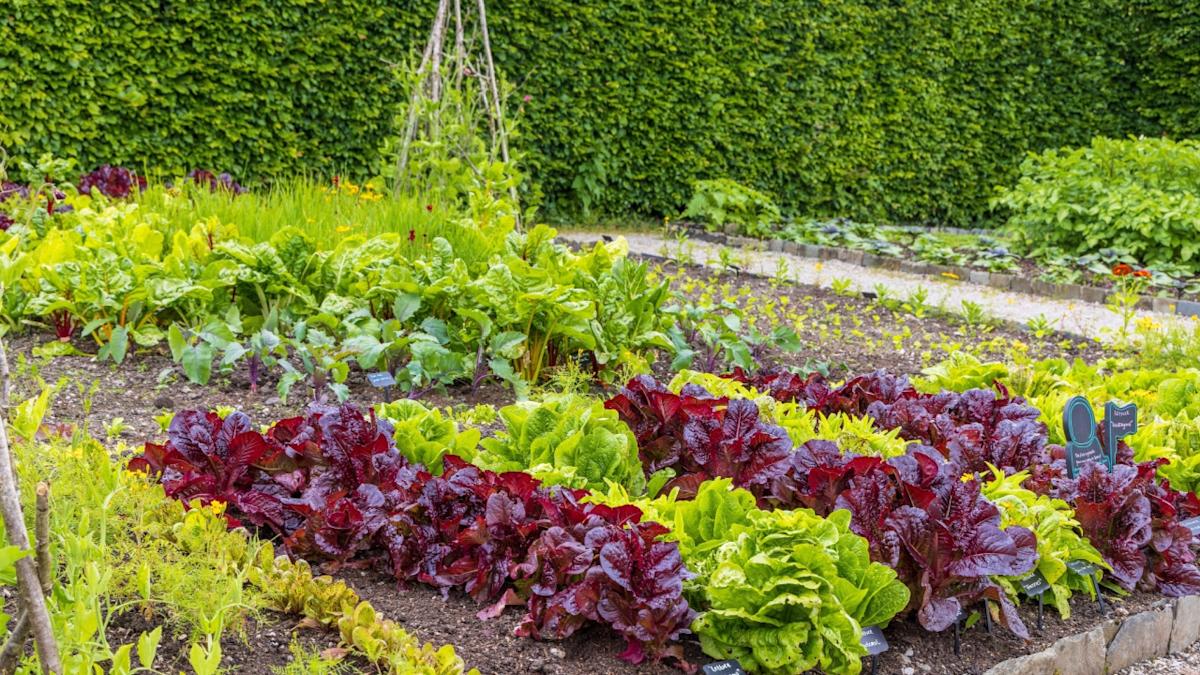
Something is shifting in backyards across the country. People are ditching the traditional vegetable patch in favor of something smaller, smarter, and a lot more beautiful. Kitchen gardens, once a relic of the past, are becoming popular again, and once you understand their appeal, you’ll want to add one to your landscape, too.
A kitchen garden is a small, intentionally designed growing space, typically 25 to 250 square feet, planted with herbs, vegetables, edible flowers, and fruit for daily household use. According to Nicole Johnsey Burke, founder of Rooted Garden and author of Kitchen Garden Revival, the five defining elements are size, location, tending, purpose, and beauty.
All five work together, and that last one matters more than most people expect. Here’s why people love this concept.
1. It Fits in Almost Any Space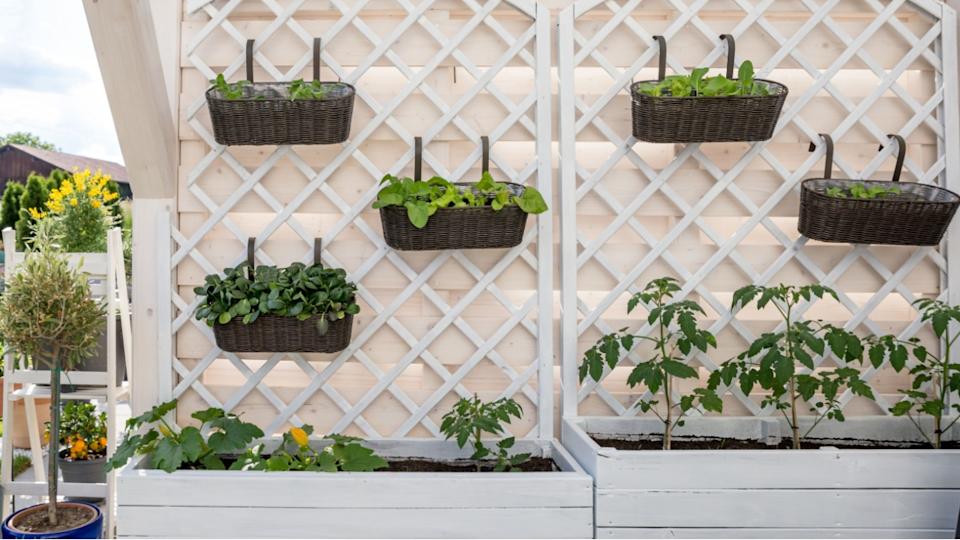
Image Credit: Shutterstock.
This objection stops most people before they start, and it is based on a misconception. Kitchen garden designer Katie Oglesby reports that she has installed functional kitchen gardens in strips of space as narrow as the gap between a driveway and a fence. A single 4×4 raised bed, densely planted and trellised, produces meaningful harvests. A few containers on a sunny balcony do the same.
Vertical gardening also expands the possibilities further. As Sarah Wilson notes in Homes and Gardens, trellises and arches support climbing crops like cucumbers, tomatoes, and beans, freeing up ground space for smaller plants below. You can literally double your growing area without adding a square foot of bed space.
2. It Is Designed to Be Beautiful, Not Just Functional
Image Credit: Shutterstock.
A well-designed kitchen garden does not look like a vegetable patch. It looks like part of the house, and that is the point.
The best kitchen gardens, according to Nicole Burke at the Gardenary, echo the home’s exterior architecture in their materials and layout. Cedar raised beds suit a craftsman bungalow. Corten steel suits a modern farmhouse. Limestone creates an elegance that pairs naturally with traditional or Mediterranean-style homes. Pathways between beds made of gravel or bark chips, a focal point such as a citrus tree or an obelisk trellis, and a restrained plant palette are what distinguish a kitchen garden from a random collection of pots.
Burke identifies five classic layouts: border gardens, twin beds connected by an arch trellis, three-bed groupings, the four-garden classic arranged in a square, and the formal potager, which adds seating and fruit trees to create a true outdoor room.
3. It Inspires Meals Instead of Just Supplying Them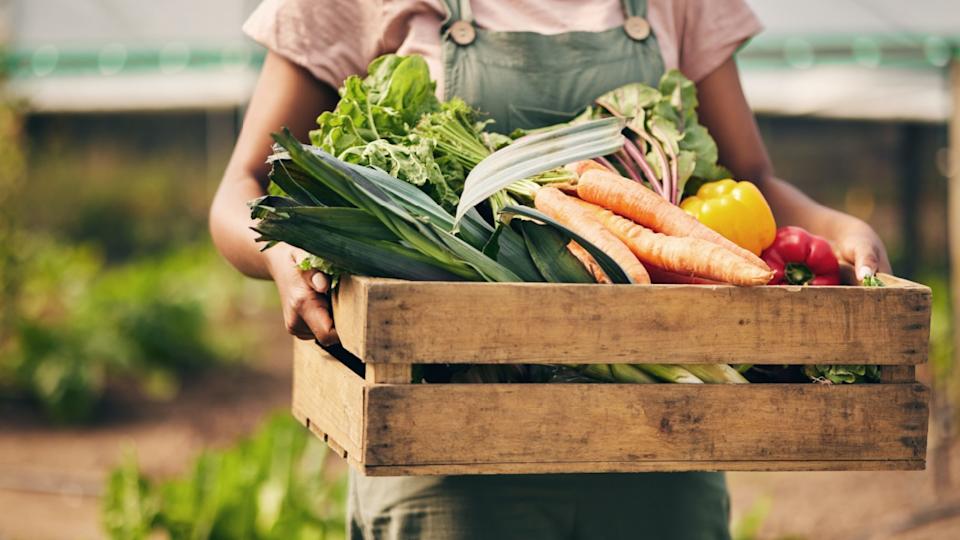
Image Credit: Shutterstock.
This is the shift that surprises people most. Horticulturalist Steven Biggs of Food Garden Life describes it plainly: what’s ready in the garden inspires what you make for supper. You step outside, see what’s thriving, and build dinner around it. That is the opposite of staring into the refrigerator.
The kitchen garden is positioned close to the kitchen door specifically to enable this habit. As landscape architect Jennifer Bartley puts it, the potager is more than a kitchen garden; it is a philosophy of living dependent on the seasons and the immediacy of the garden. That sounds grand, but in practice it simply means you cook more interesting food, more often, with less effort.
4. Herbs Alone Make It Worth It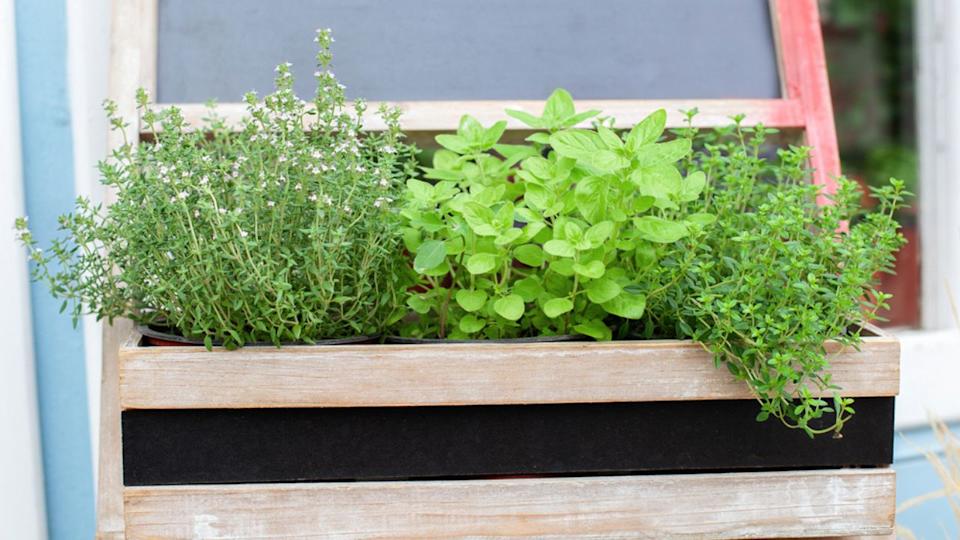
Image Credit: Shutterstock.
Start with herbs, and you will already see results within weeks. A single pot of basil produces dozens of harvests and costs pennies to grow, compared to the $3 to $5 packets that wilt in the refrigerator within days of purchase. Rosemary, thyme, oregano, and sage are the most forgiving; basil, parsley, and chives follow closely.
The highest-value-to-space ratio in any kitchen garden belongs to fresh culinary herbs, and they also happen to be among the easiest crops to grow. One important note: mint should always be contained in its own pot. Left unchecked, it will colonize every neighboring bed it can reach.
5. Cut-and-Come-Again Greens Can Replace Your Grocery Store Salad Habit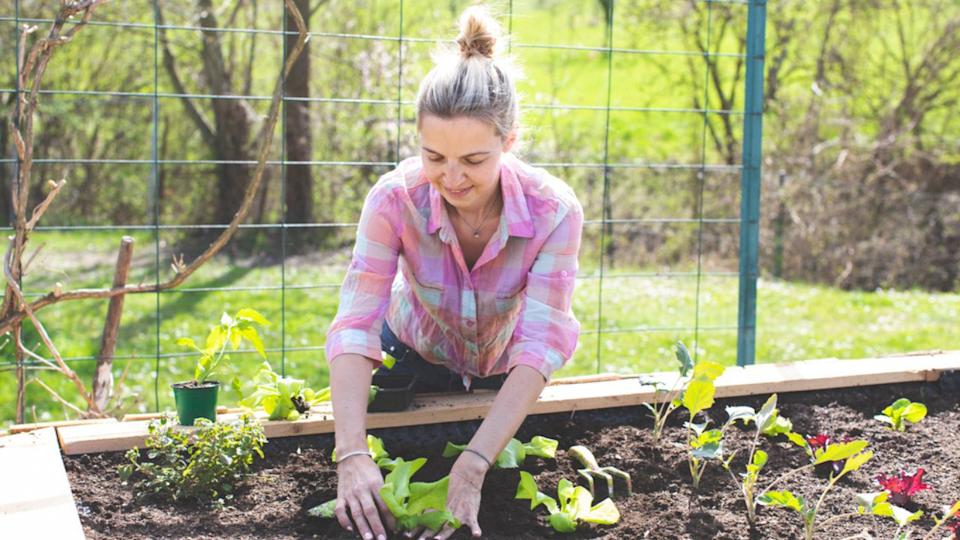
Image Credit: Depositphotos.com
Lettuce, Swiss chard, spinach, arugula, and kale keep producing when you harvest the outer leaves and leave the center growth intact. As Sarah Wilson of Homes and Gardens reports, two successive sowings — one in spring, one in autumn — can provide two to three months of leaves per sowing, enough to virtually eliminate bagged salad purchases.
Here is what most kitchen gardeners discover too late: kale and leafy brassicas taste noticeably sweeter after a frost or two. As the University of Illinois Extension explains, cold temperatures trigger the plant to convert starches to sugars as a natural survival response, improving both flavor and texture. Most home gardeners harvest in early autumn and miss the very best eating of the season.
6. Edible Flowers Do Three Jobs at Once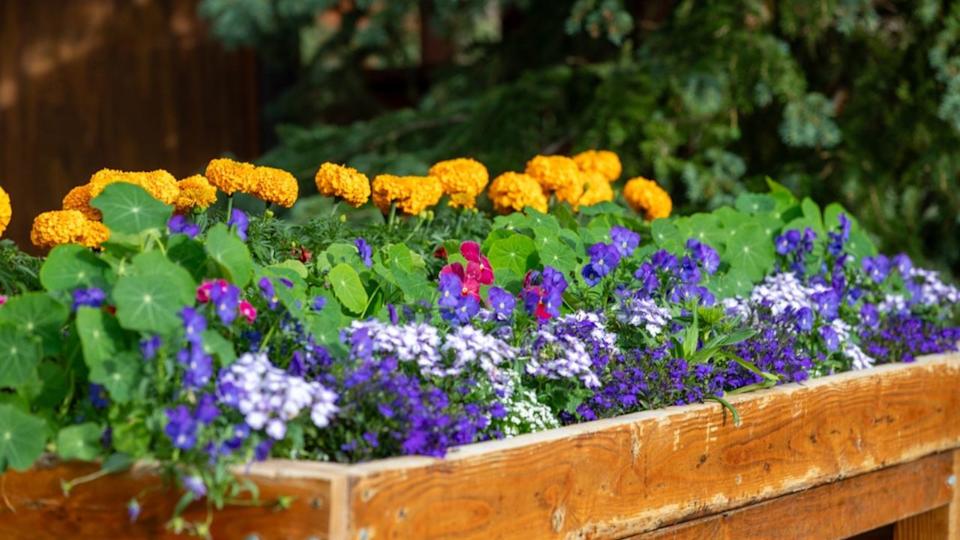
Image Credit: Shutterstock.
Nasturtiums, calendula, and marigolds are the kitchen garden’s most underrated plants. They attract pollinators, deter common pests, and are genuinely delicious in ways most gardeners never expect.
Nasturtium leaves and flowers have a fresh, peppery bite that is wonderful in salads. Calendula petals work in teas or scattered over pasta. Marigolds, according to Epic Gardening, are among the most effective companion plants available, suppressing harmful nematodes in the soil and repelling aphids and whiteflies above ground. A bed edged with marigolds and nasturtiums is prettier than one left bare, and it grows better food. That is the kitchen garden’s real secret: beauty and function are not competing values.
7. The Grocery Math Works Out, Especially in Year Two
Image Credit: Shutterstock.
A basic two-bed setup costs roughly $200 to $500 in year one, including beds, soil, trellises, and starter plants. That is a real investment, and it is worth being clear-eyed about it.
The payoff is most visible in specific categories. Specialty salad greens, fresh organic herbs, and soft fruits carry some of the highest retail premiums in any grocery store. Organic strawberries and blueberries, among the most expensive produce items pound for pound, grow easily in raised beds and return year after year as perennials with no replanting cost.
As Katie Oglesby of Kitchen Garden Design House notes, clients consistently see meaningful reductions in grocery spending during the growing season, concentrated in herbs, salad greens, and soft fruits. The savings accelerate in subsequent years, when soil, beds, and perennial plants are already established. The first year is the most expensive. Every year after that, the garden essentially pays for itself.
How to Get Started This Weekend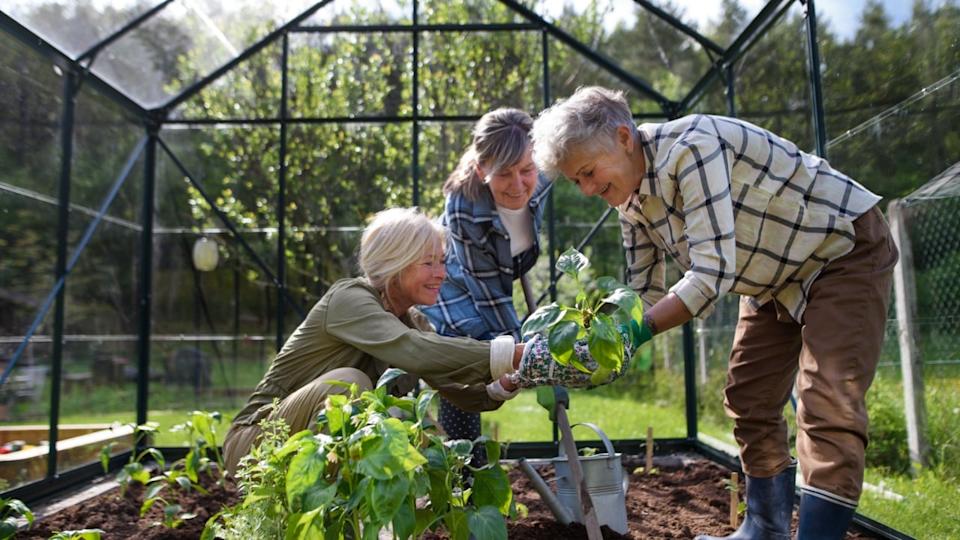
Image Credit: Shutterstock.
Choose one raised bed or three containers, placed as close to the kitchen door as practical, in a spot that gets at least six hours of direct sun. Build your soil before planting anything; as garden designer Mayla Greiner notes in Phoenix Home and Garden, healthy soil is the foundation of a productive garden and matters more than any single plant choice.
Pick five things you genuinely love to eat, add one edible flower, and plant them closely. Dense planting suppresses weeds, conserves moisture, and protects the soil. Water deeply and less frequently rather than lightly every day as deep watering builds stronger root systems and more resilient plants.
Then spend five minutes in the garden each day, just observing. That daily presence is how small problems get caught early, how you learn your plants’ rhythms, and how the kitchen garden becomes a natural part of your routine.
The Garden That Grows With You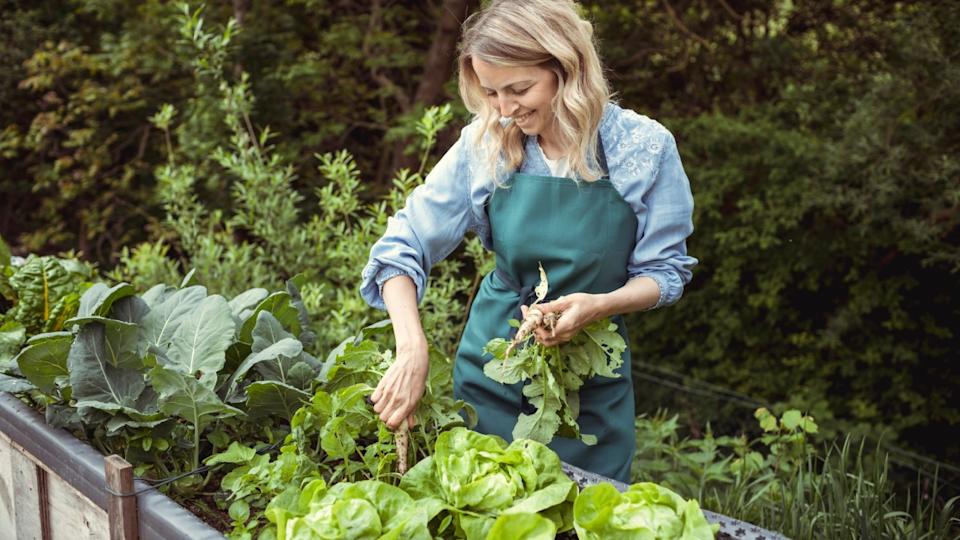
Image Credit: Shutterstock.
The kitchen garden does not ask for perfection; it asks for presence. Even a single raised bed near the back door, planted with herbs, one or two vegetables, and a handful of nasturtiums, is already a kitchen garden. It is already changing the way you cook, the way you eat, and the way you see your outdoor space.
Read more
How to save snow-damaged trees and shrubs after winter storm Hernando
Don’t let your plants die while you’re on vacation: 7 genius hacks
Comments are closed.