
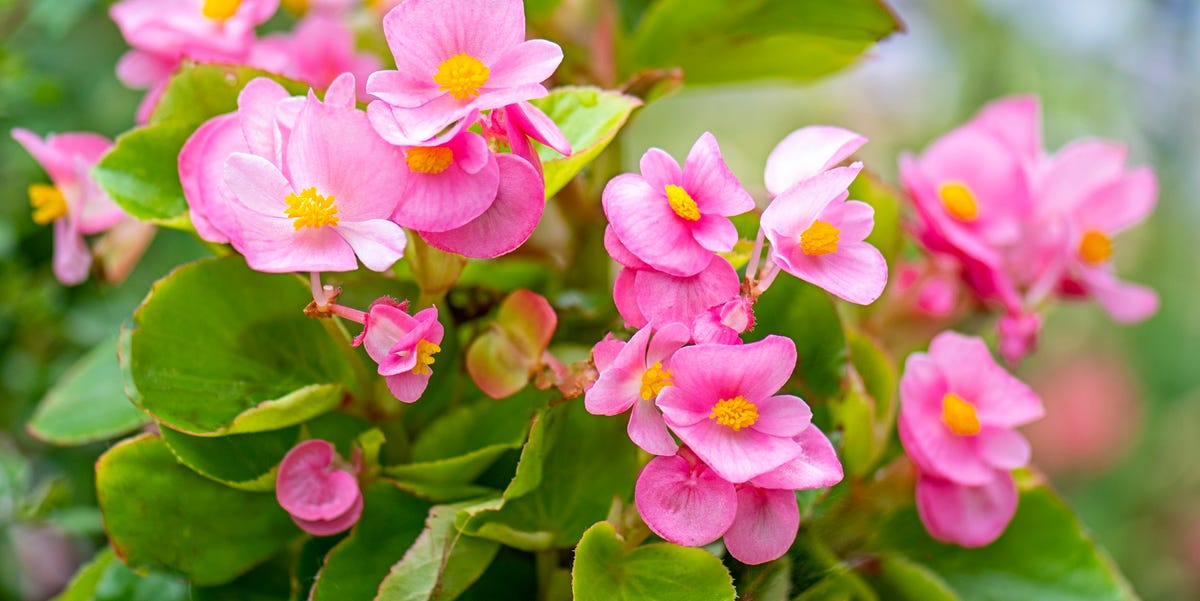
Begonias’ big, blousy blooms in summer are a stunning addition to any garden, bringing plenty of cheering colour to containers, hanging baskets and shaded borders. But are you making a common mistake that could kill them off?
Tuberous begonias are among the most popular summer garden flowers, prized for their large, rose-like blooms and long flowering season.
These plants enjoyed a boom as houseplants in the 1960s and 70s, but today gardeners are rediscovering them as beautiful garden plants for flower beds. While the results are well worth it in the end, planting begonia tubers can be slightly tricky for beginners.
Thankfully, Morris Hankinson, Managing Director of Hopes Grove Nurseries, shared his expert begonia growing tips, including how to plant begonia tubers and the common mistakes to avoid if you want a garden full of colour this summer.
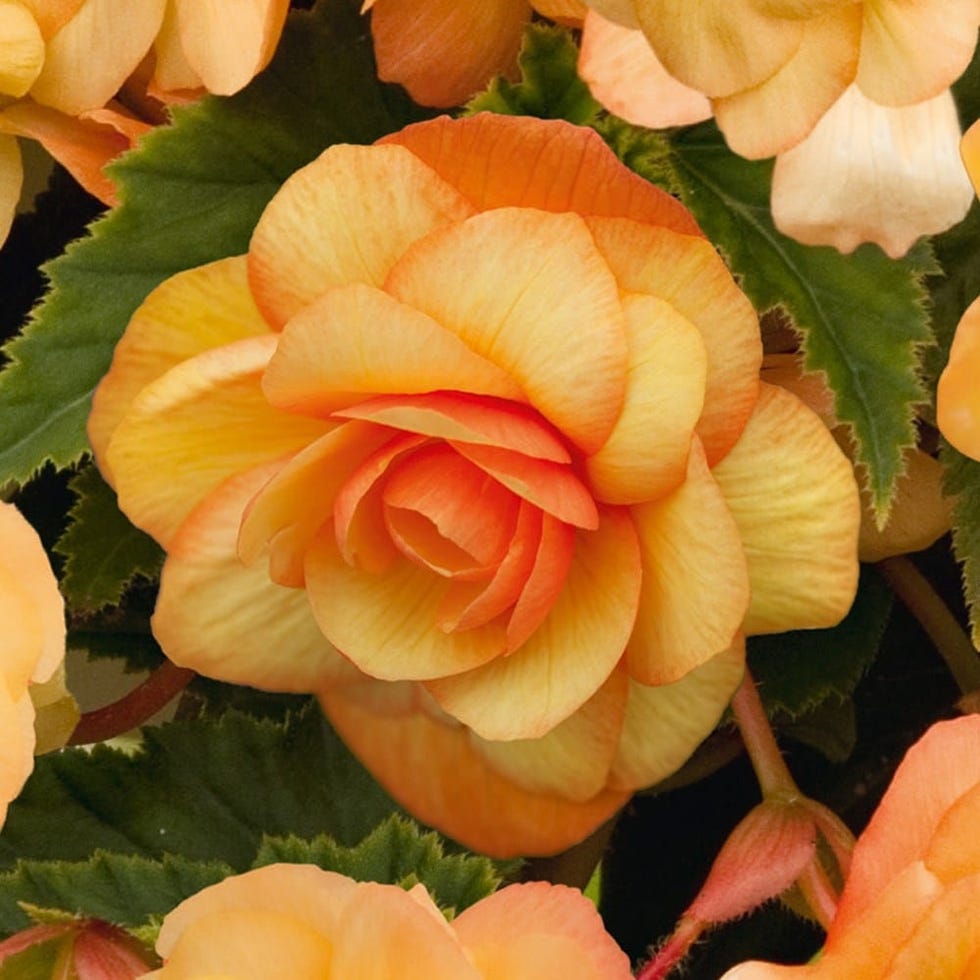
Begonia ‘Illumination Apricot’ (Illumination Series)
 Planting the tuber upside down
This might seem obvious, but according to Morris, one of the biggest mistakes beginners make happens right at the planting stage. “One of the most common beginner mistakes is planting the tuber the wrong way,” he explains.
“Tuberous begonias have a hollow, concave side at the top and a rounded, convex side at the bottom. The shoots emerge from the top and are planted only lightly covered with soil,” he says, noting that gardeners who are unsure should take a cautious approach. “If unsure, start the tubers inside until shoots appear so it’s clear which way is up.”
Starting them too early in cold soil
Don’t get ahead of yourself, Morris advises when it comes to planting begonia tubers outdoors.
“Tuberous begonias do not like the cold and if planted outside before the soil warms up, they can easily rot and never grow. Ideally, start tubers indoors before your last frost date and only transplant outdoors when it is consistently warmer during the day and at night.”
Overwatering your tubers
Probably the biggest killer of begonia tubers is overwatering, Morris warns. “Tubers can’t absorb moisture well, so if they are planted and then sitting in wet soil, they will very quickly rot away,” he explains.
Instead, gardeners should be careful not to overdo it with watering early on. “The soil should be moist but not overly and as the shoots grow, they can be watered gradually more.”

Blanchi Costela//Getty Images
Planting in poor soil
Soil conditions are another important factor to consider when planting begonia tubers. Morris says, “Tuberous begonias need really good, well-drained soil. Dense clay soil holds too much moisture and is not ideal for begonias.”
For gardeners dealing with heavier ground, he suggests adapting how you grow them. “If soil is heavy clay, grow begonias in a container or raised bed with a well-drained soil with plenty of organic matter.”
Too much direct sun
Light levels are also important to consider. “Despite their tropical look, tuberous begonias do prefer the shade,” says Morris. “Hot afternoon sun can scorch leaves and fade blooms, so bright indirect light with some afternoon shade is ideal, as is part or dappled shade.”
Forgetting to feed them
Feeding is also key to keeping begonias flowering well throughout the season.
Morris says their impressive blooms rely on regular nutrients. “Without nutrients, the flowers will soon decrease in growth, so feeding with a balanced liquid fertiliser during flowering can be helpful,” he explains. However, it’s important to choose the right type of feed. “Avoid high nitrogen feed as there will be more foliage than flowers.”
Keeping them out in the cold
When it comes to the end of their flowering season, it’s worth thinking ahead to next year’s display.
“Tuberous begonias do not like cold weather, so they do need to be lifted and stored over winter.”
Once temperatures drop, gardeners should act quickly to protect the tubers. “After the first frost has blackened foliage, lift the tubers and let them dry for a few days,” he says. Proper storage is key to ensuring they can be replanted the following year. “When they are totally dry they can be stored in a cool, dry place over winter for planting again the following spring.”
Gardening must-haves Filberts of Dorset Gardeners Hand Salve
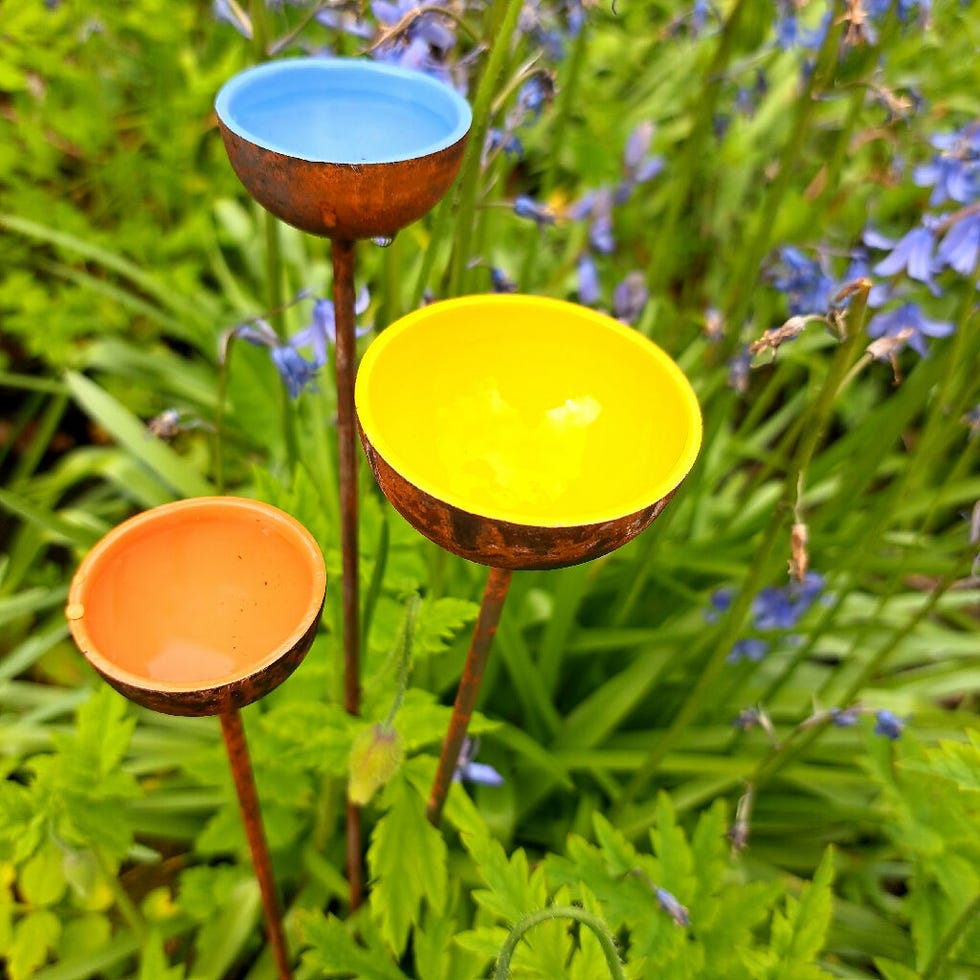 Haywards Garden Bee and Butterfly Water Stations, Garden Décor, set of three colourful bee water cups .
Now 17% Off
 Home Sussex Handmade Peg Apron
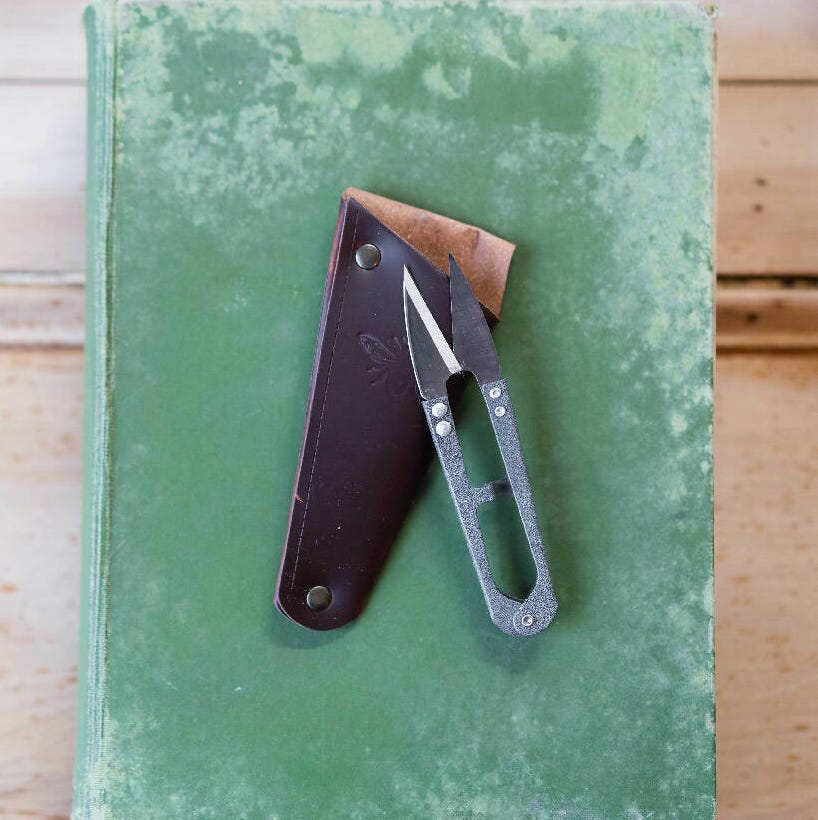 Garden Snips in Leather Pouch
 The Fae Potter Wild Bird Feeder ceramic hanging
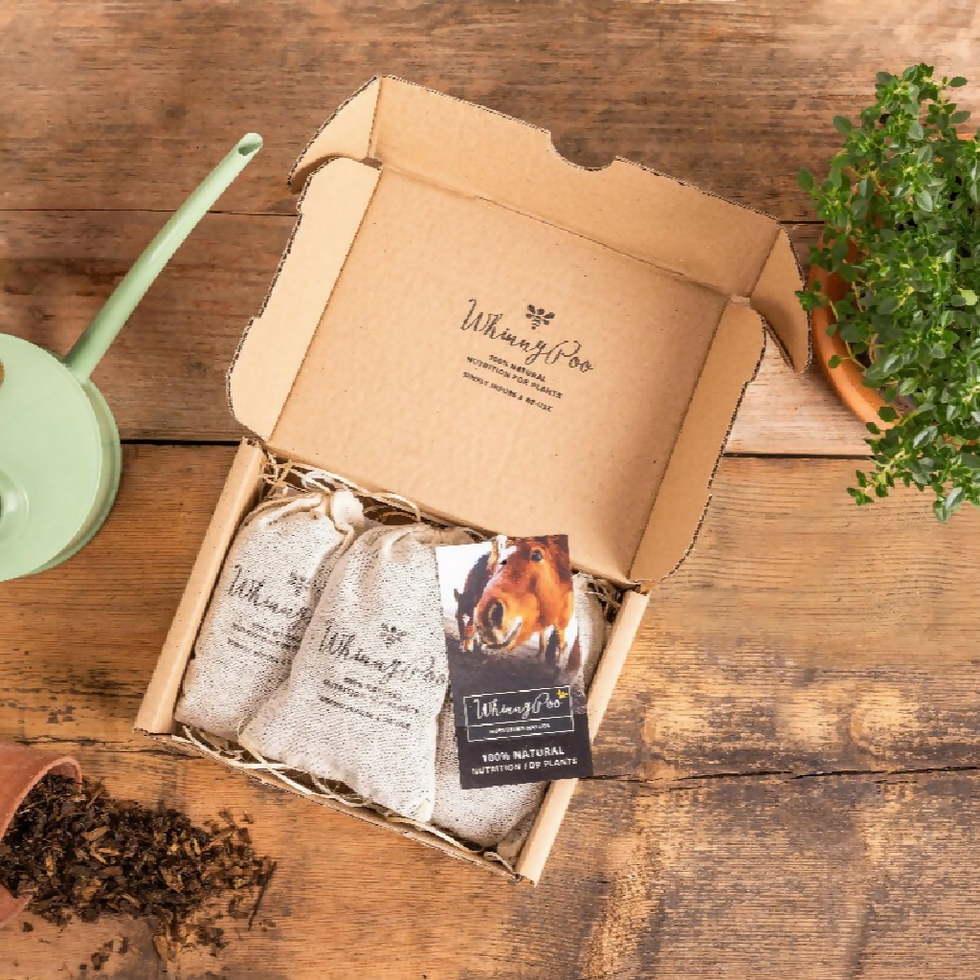 WhinnyPoo WhinnyPoo Box of 3 Plant Feed
Daisy Bendall is the Houses Editor at Country Living and House Beautiful, where she spends her days sourcing some of the most inspiring homes across the country. Prior to specialising in real homes, Daisy worked for Good Housekeeping, Red, Elle Decoration and Prima, styling shoots, covering the latest decorating trends and hunting down the best buys for your home.
Comments are closed.