
Image Credit: Shutterstock.
Propagating houseplants is one of the most satisfying things you can do as a plant owner, and it costs almost nothing.
A single $6 pothos purchased at a garden center can be multiplied into a dozen plants over a season, all from the same parent. You don’t need special soil, rooting hormone, or any prior experience.
What you need is the right plant, and there are several that make the process nearly foolproof.
All You Need Is a Glass of Water and a Pair of Scissors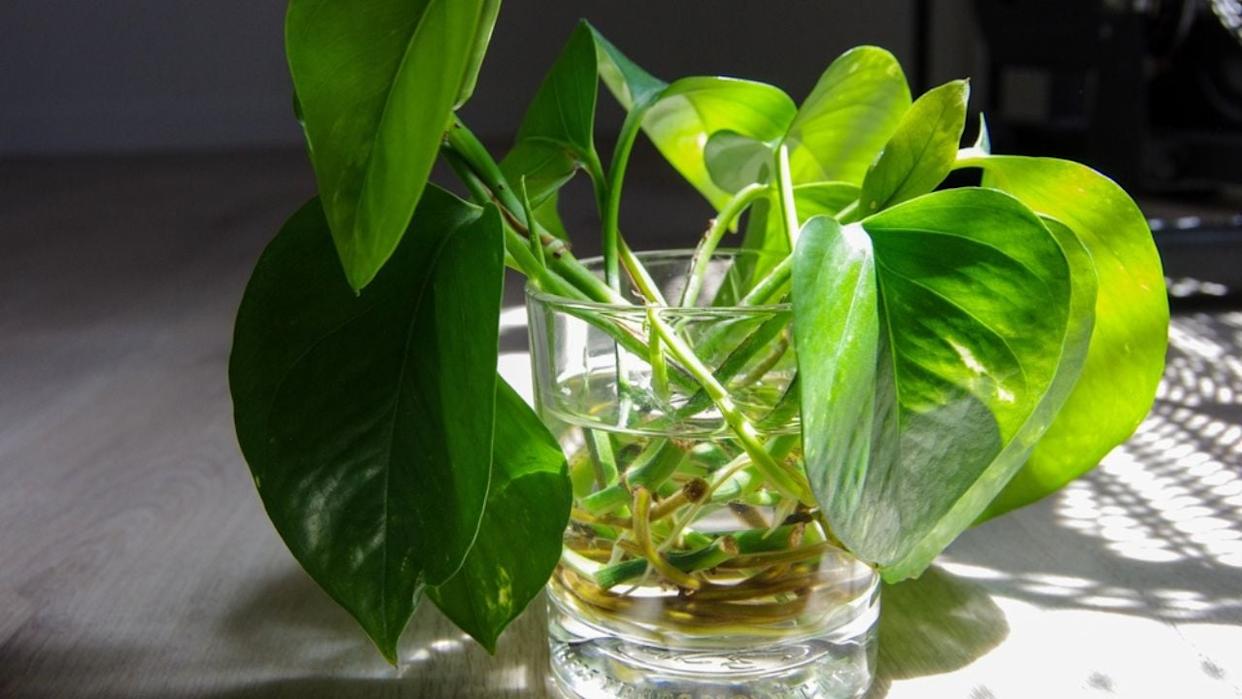
Image Credit: Shutterstock.
The word “propagation” sounds technical, but the basic concept is simple: take a piece of a plant and encourage it to grow roots of its own. For the easiest indoor plants, that means setting a cutting in water and waiting.
The one thing you need to know is what a node looks like. According to Penn State Extension, a node is the point on a stem where a leaf or bud attaches. It appears as a small bump or joint along the stem, and it’s the site from which new roots will emerge. No node means no roots. That’s the entire rule.
Rooting hormone can help speed things along, although it’s entirely optional for beginner-friendly species. A clean cut, a glass of fresh water changed weekly, and bright indirect light are enough to get started.
First, let’s look at the easiest indoor plants to propagate, starting with the most foolproof.
The Easiest Options- 1. Pothos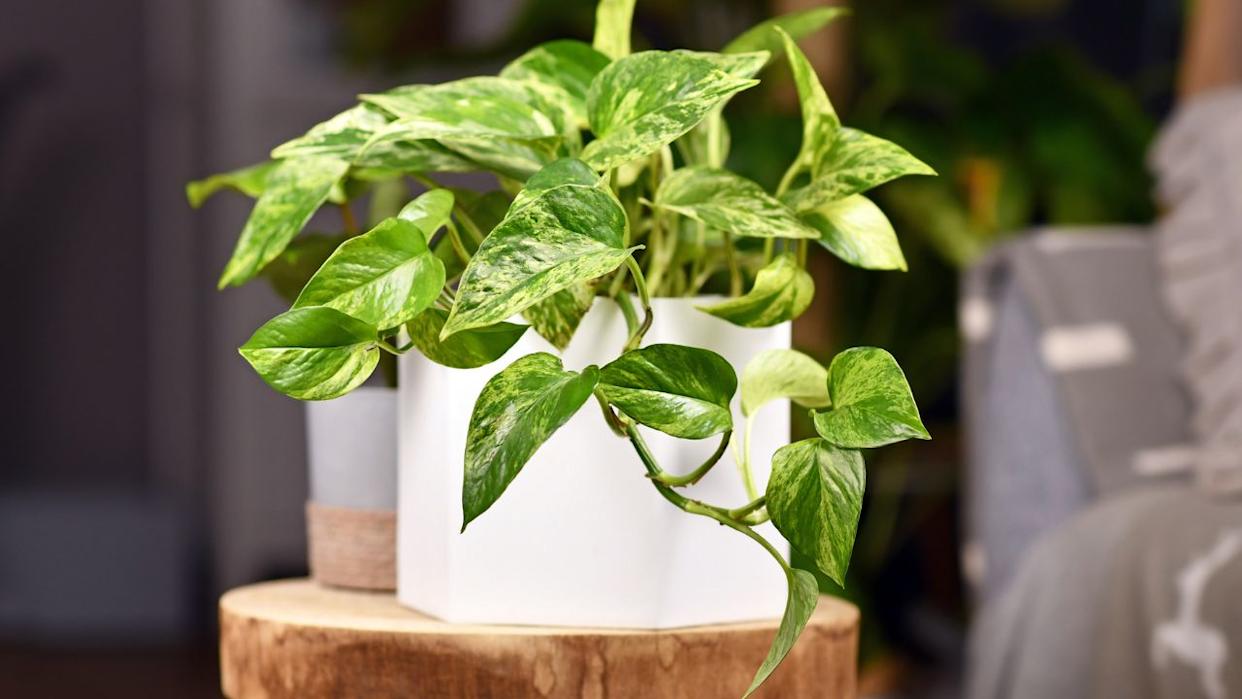
Image Credit: Shutterstock.
Ask any experienced houseplant grower which plant to start with, and the answer is almost always pothos. It tolerates low light, forgives missed waterings, and roots in water with almost no effort. As Justin Hancock of Costa Farms explains in Martha Stewart, as long as a cutting includes a node, pothos will typically root from a single leaf or a longer stem cutting with several leaves.
Take a few snips from the ends of the vines, strip the bottom leaves, and submerge the nodes in a glass of water. Roots appear within one to three weeks. Epic Gardening notes that pothos vines can reach up to 40 feet long indoors, which means your parent plant will never miss a few trimmings.
2. Spider Plant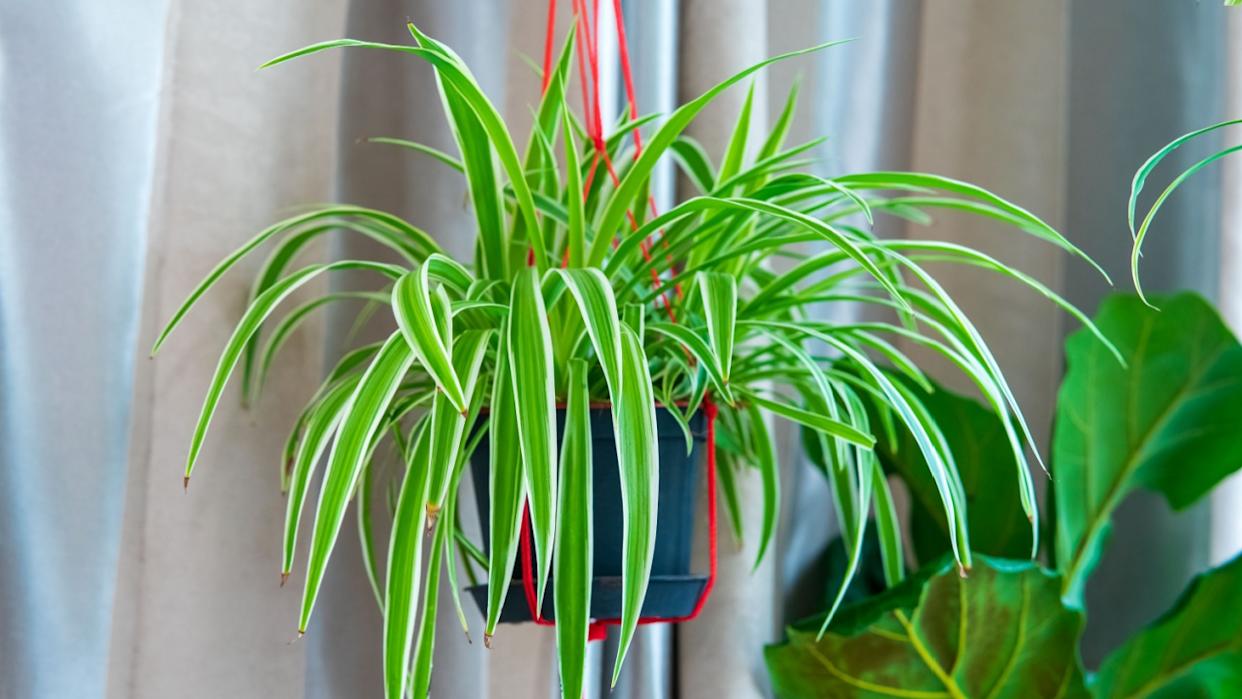
Image Credit: Shutterstock.
Spider plants do most of the work for you. They produce long trailing stems tipped with miniature offshoots called spiderettes, and all you have to do is snip them off and pot them. Lindsey Chastain, founder of The Waddle and Cluck homesteading blog, notes in Homes & Gardens that spider plants placed in bright indirect light and watered regularly will produce pups reliably, often even when slightly neglected. These plants simply want to reproduce, season after season, giving you a steady supply of gift-ready starts without any fuss.
3. Heartleaf Philodendron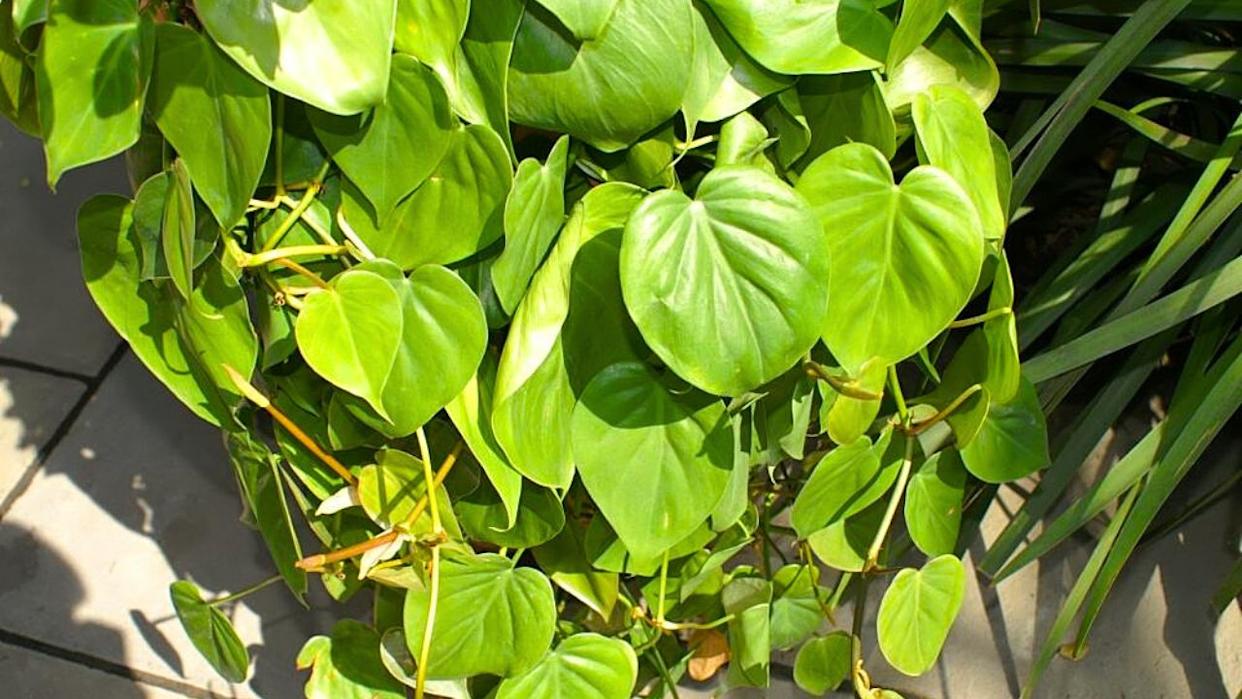
Image Credit: David J. Stang- CC BY-SA 4.0/Wiki Commons.
Think of heartleaf philodendron as pothos’s glossier cousin. It propagates the same way, roots just as readily in water or moist soil, and is equally forgiving of beginner mistakes. According to Madeline Buiano at Martha Stewart, you simply cut just below a leaf node, remove the bottom leaves, and place the cutting in water or damp potting mix. It’s especially useful for rejuvenating leggy plants that have lost their lower leaves.
4. Tradescantia (Wandering Dude)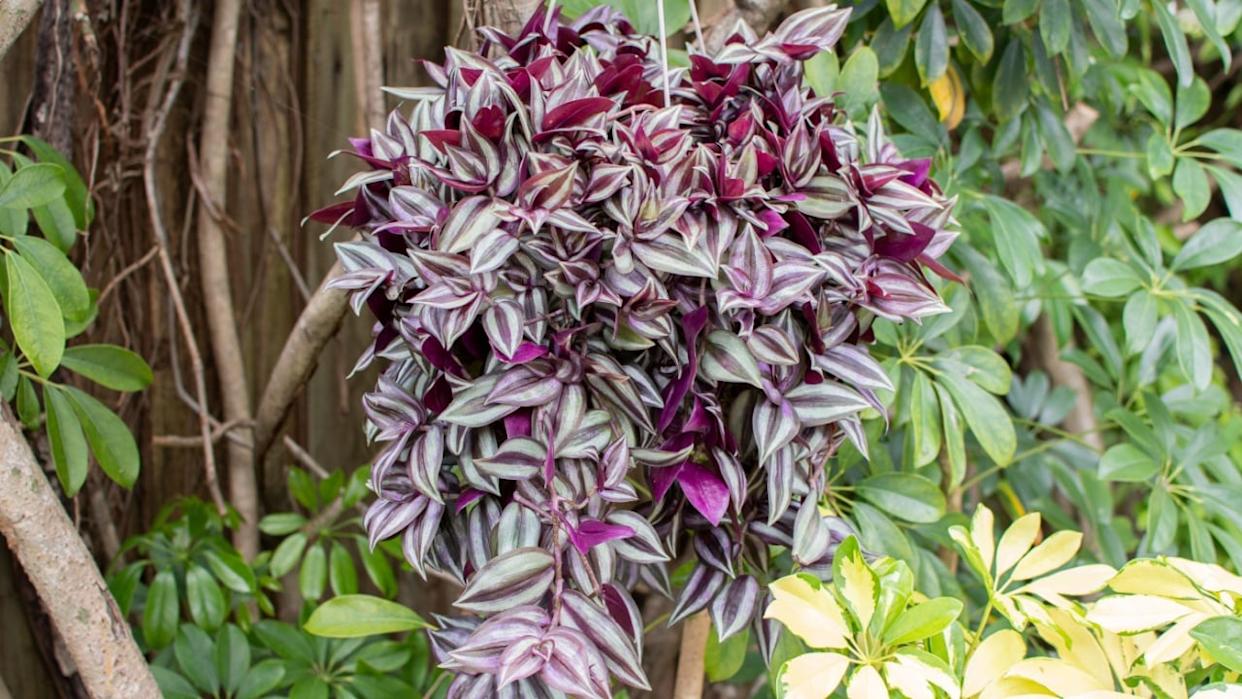
Image Credit: Shutterstock.
If you want near-instant results, tradescantia is your plant. Its cuttings root so aggressively that experienced growers note a fallen stem will root itself if it lands on moist soil. This fast-rooting, vividly striped plant is a great confidence-builder for anyone who has felt hesitant about trying propagation for the first time.
Plants That Practically Clone Themselves (No Water Glass Required)- 5. Snake Plant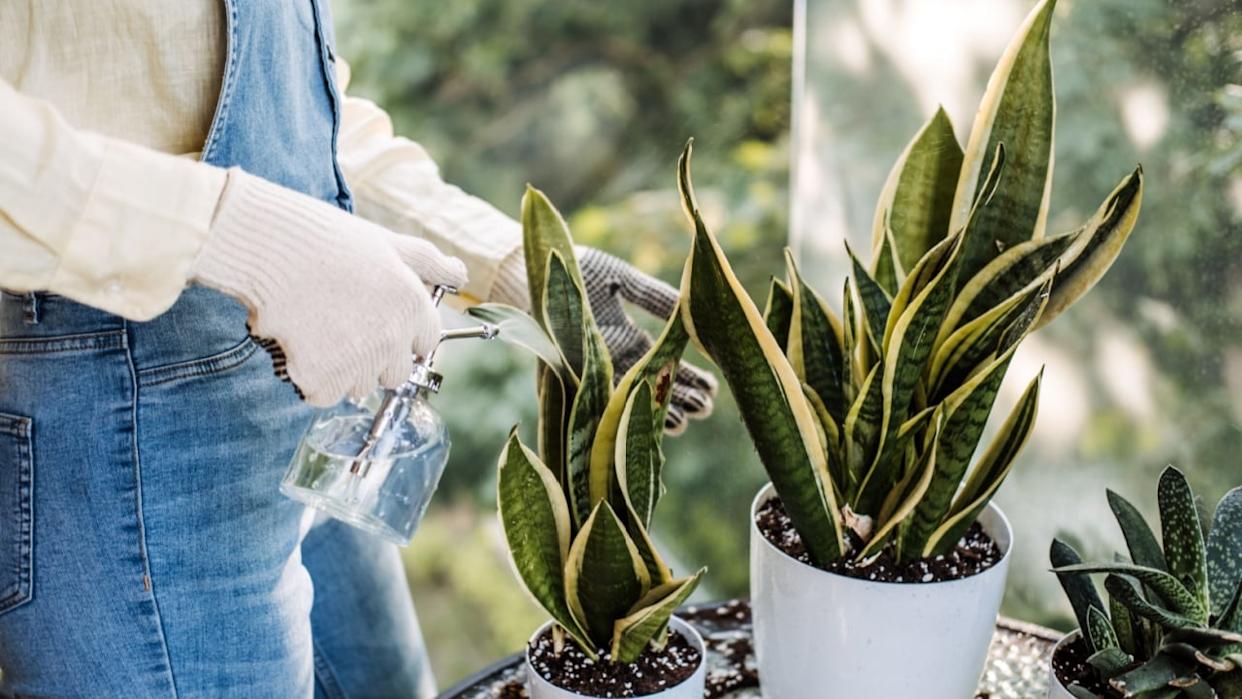
Image Credit: Shutterstock.
Snake plants can be propagated in two ways: by dividing the root ball in spring, or by cutting a single leaf into several sections and placing them upright in soil. Penn State Extension notes this leaf-section method reliably produces new plants that are genetically identical to the parent.
One critical detail is that orientation matters. The end of each leaf section that was closest to the soil must go into the media. Planting a section upside-down is a very common mistake, and the cutting will not root.
6. African Violet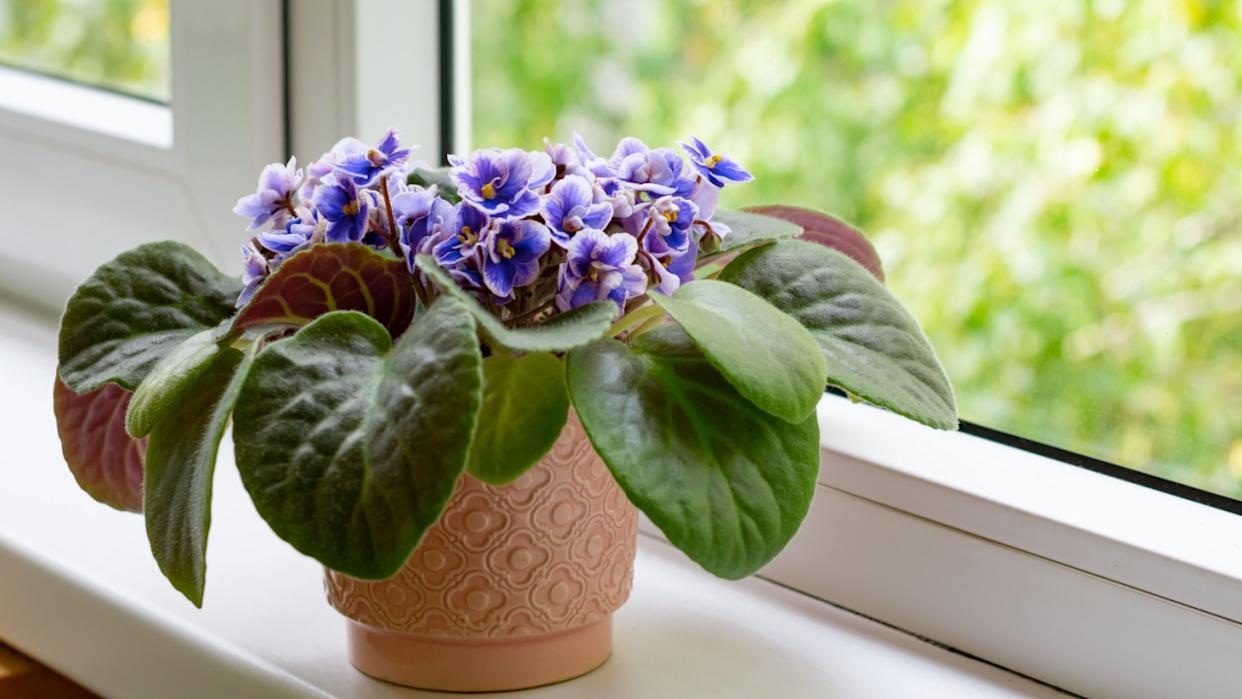
Image Credit: Shutterstock.
The African violet may be the most generous plant in the propagation world. Snap off a healthy leaf with a short stem attached, tuck it into moist soil, and within a few months, a tiny new plantlet will emerge from the base. According to Iowa State University Extension, African violets can also produce multiple offsets naturally, so a single plant can generate three or four new starts per year without any cutting required.
7. Echeveria and Other Succulents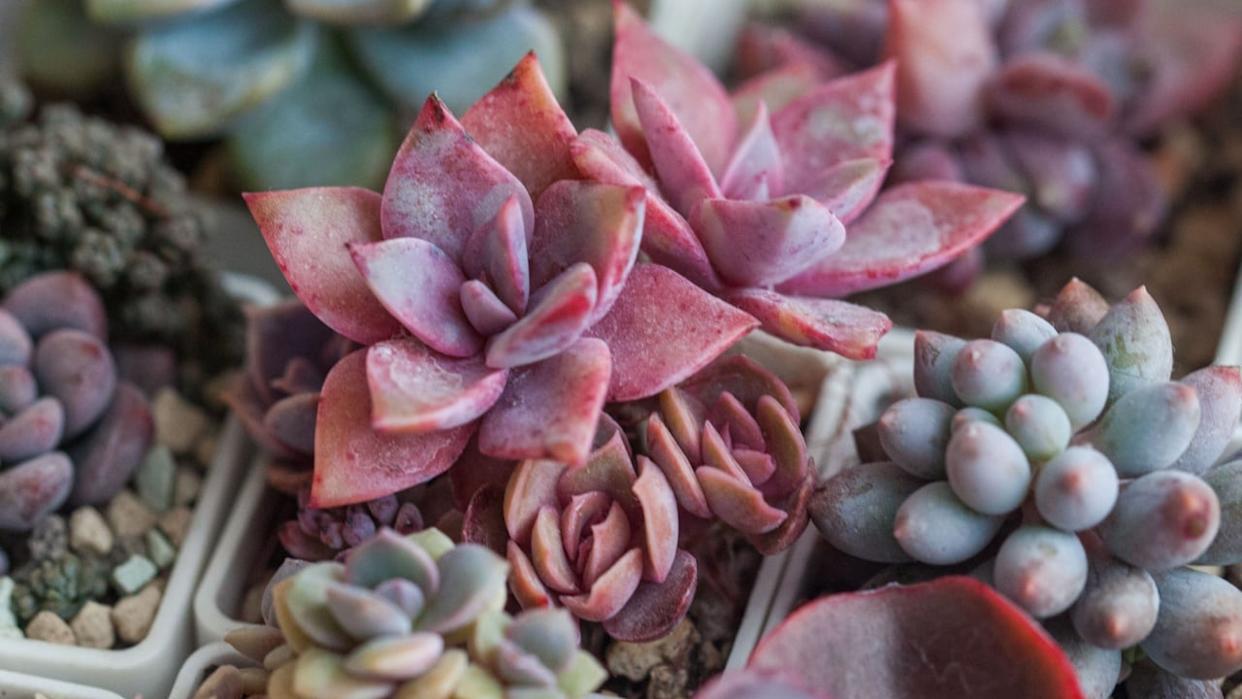
Image Credit: Shutterstock.
Succulents like echeveria offer one of the most visually surprising propagation methods of all. As Justin Hancock of Costa Farms describes in Martha Stewart, you simply pop a leaf off the rosette, let it sit for a day until the cut end callouses over, then lay it on the surface of a cacti and succulent mix. No burying required. Over several weeks, a tiny new rosette will emerge from the base of the leaf. It’s a slow process, but the success rate is high with adequate light and very little watering.
The One Mistake That Kills Most Propagation Attempts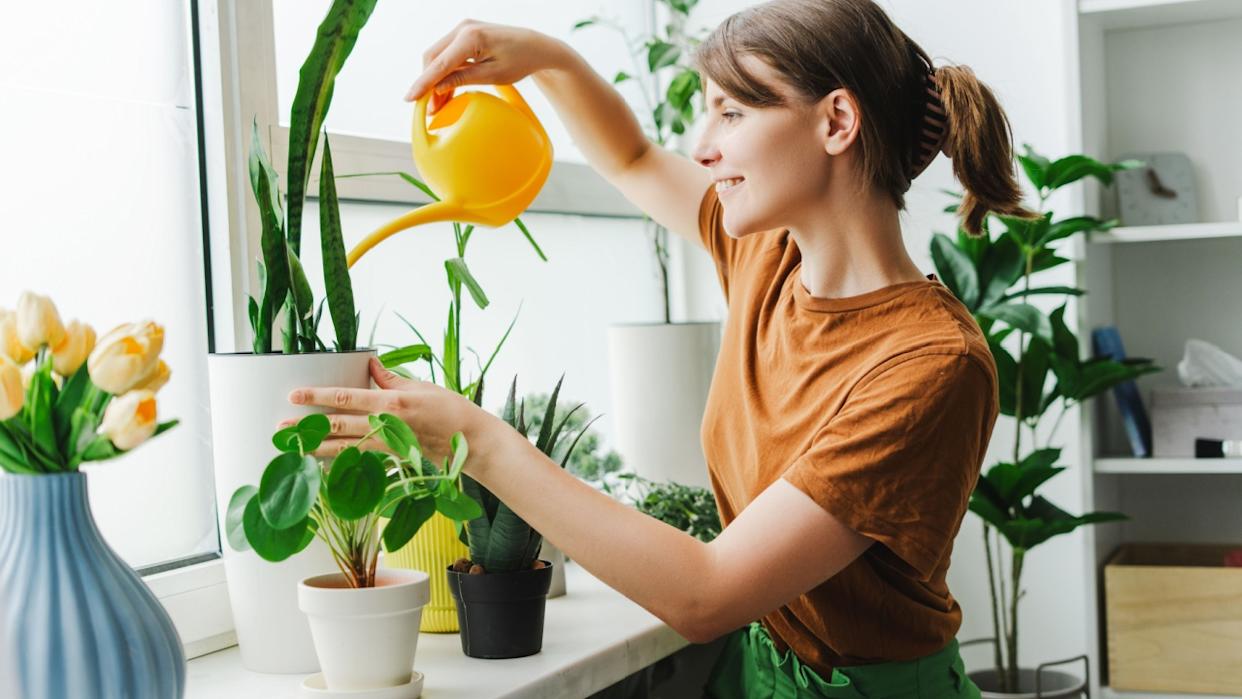
Image Credit: Shutterstock.
Overwatering is responsible for the majority of propagation failures, and it’s almost always what’s happening when a cutting looks fine for weeks and then suddenly collapses. Cuttings in soil need the media to be barely moist, not wet.
Without an established root system, a cutting cannot handle saturated soil. Penn State Extension recommends keeping rooting media at a lightly moist level and maintaining temperatures between 75 and 80 degrees Fahrenheit for best results.
Start With One Plant, and Go From There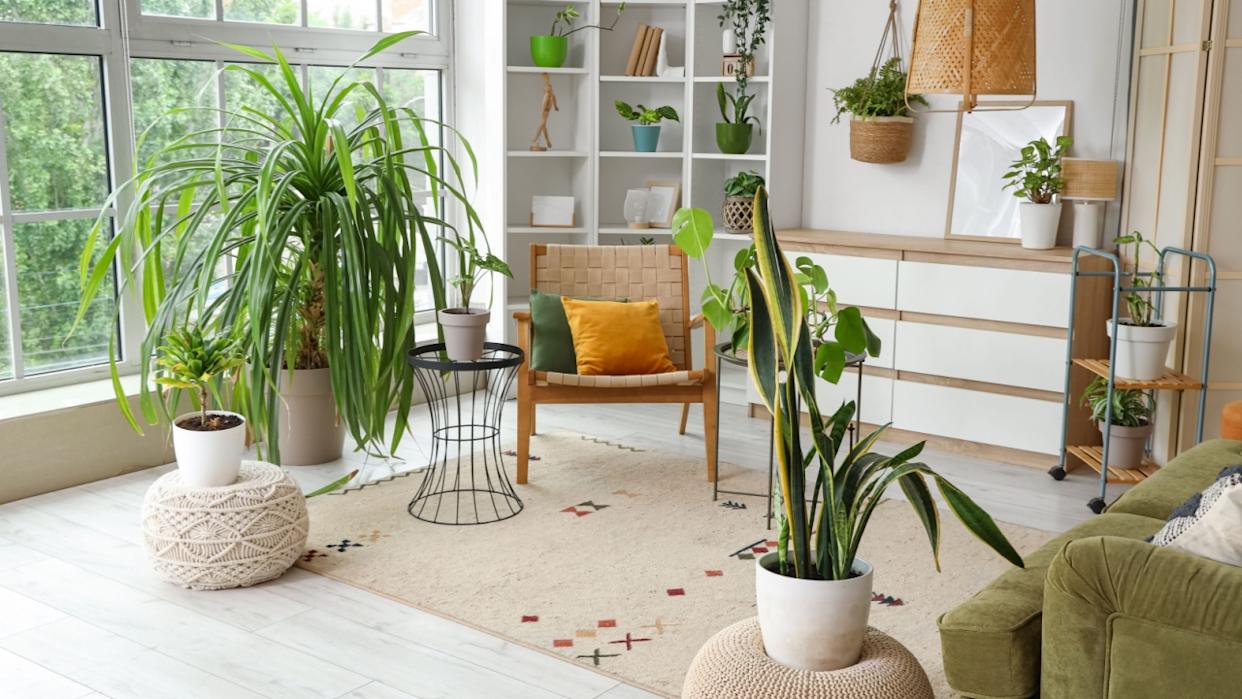
Image Credit: Shutterstock.
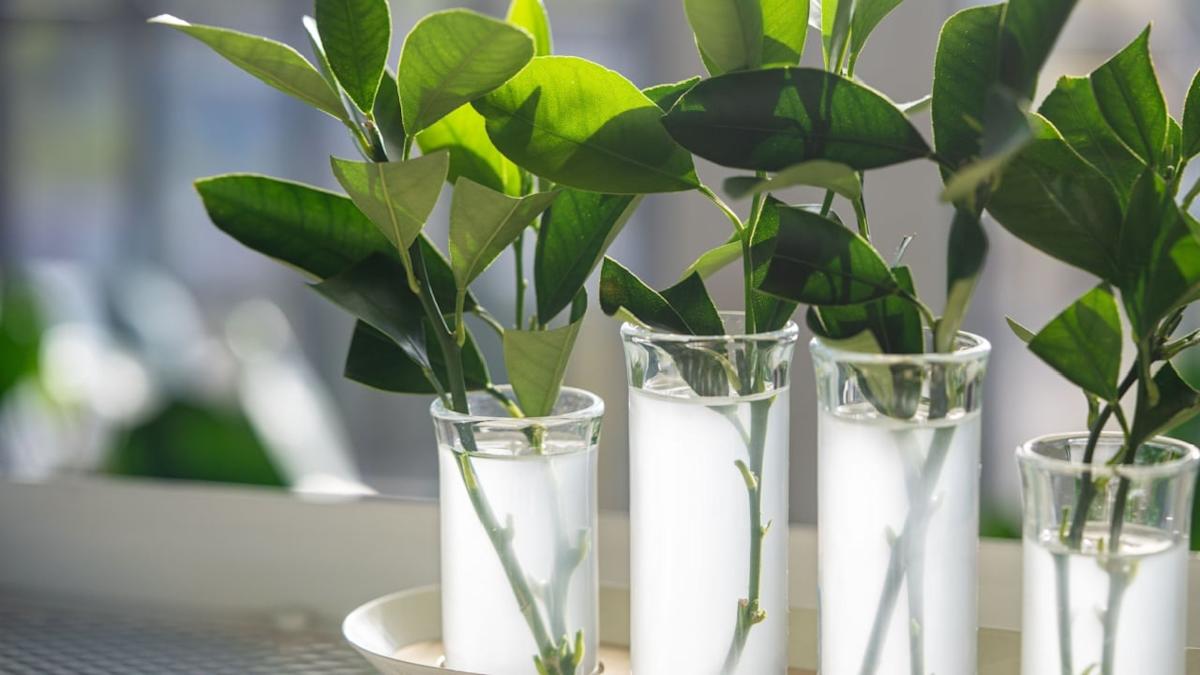
You don’t need to set up a propagation station or fill your windowsill with glass vials all at once. Pick one plant, take one cutting, and see what happens. Pothos is the obvious starting point. Spider plant is the most hands-off. Tradescantia is the most immediately satisfying.
Read more:
18 Indoor Plants That Smell Amazing
10 NASA Approved Indoor Plants That Act Like Air Filters
Comments are closed.