
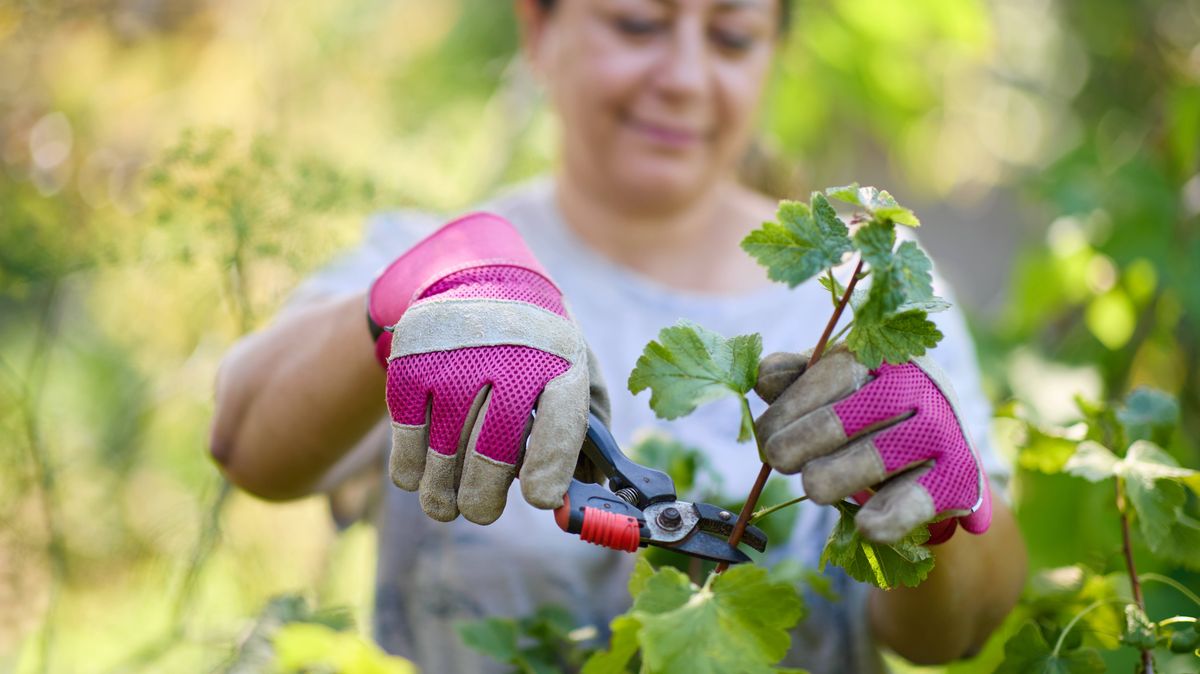
Spring has arrived and it’s time to get back into the garden.
Mia O’Hare Showbiz Reporter
14:46, 11 Mar 2026
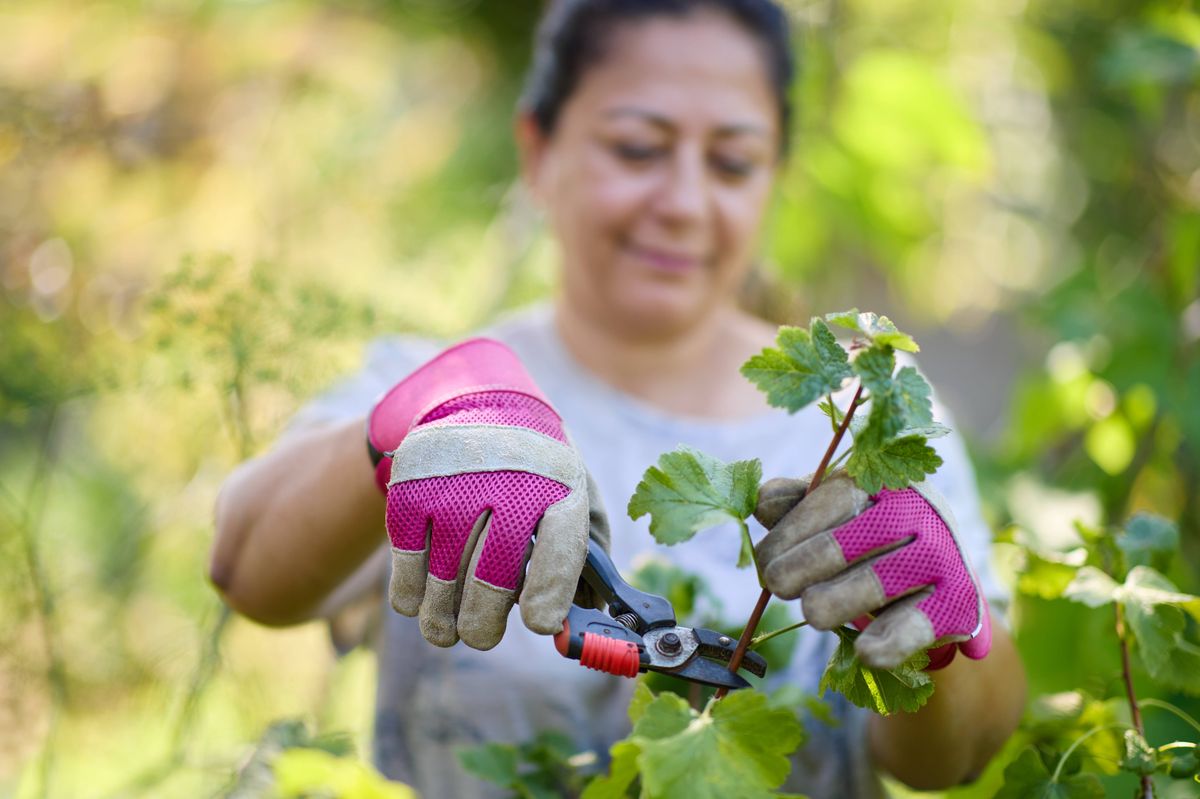
It’s time to get pruning(Image: Compassionate Eye Foundation/Richard Boll via Getty Images)
Spring has arrived, which means it’s the perfect moment to venture back outdoors and get those secateurs ready. March offers an ideal window for tending to your garden as plants start their seasonal awakening.
A strategic trim at this time of year will ensure your outdoor space looks magnificent come summertime. Cutting back certain sections of plants can maintain their vitality, stimulate fresh growth and refine their overall appearance.
But which plants benefit most from March pruning?
The Royal Horticultural Society suggests that the extended daylight hours during March present a prime opportunity to ramp up your gardening activities. Five particular plants, in fact, would welcome your attention right now.
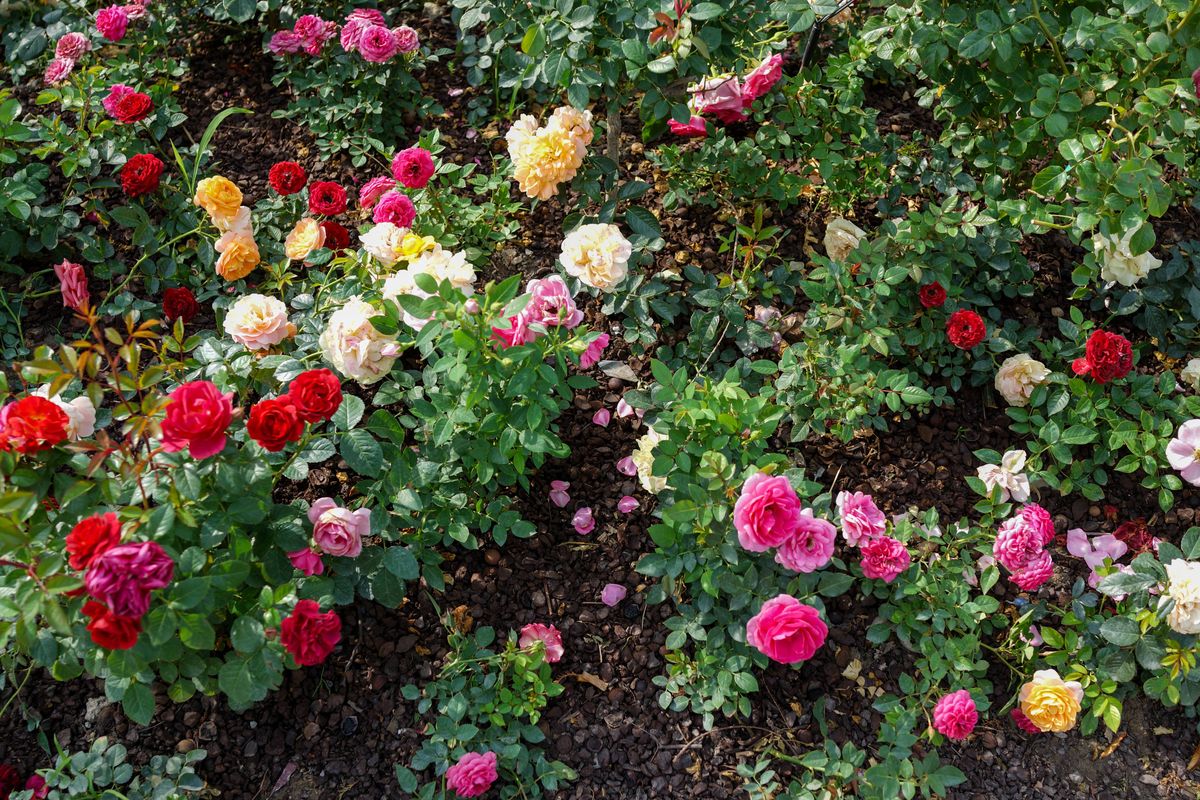
Roses will flower better after a prune(Image: wulingyun via Getty Images)
Roses
Pruning your roses is essential if you want them to flourish this summer. Those with bush or standard varieties should act now.
The task is best completed before the foliage begins to emerge. Trimming roses at this stage helps develop sturdier growth and maintains plant health by enhancing air circulation and warding off diseases.
Addressing them in March, as they emerge from dormancy, will simplify the process of shaping and rejuvenating the plant as the year progresses.
Summer-flowering shrubs
Numerous summer-flowering shrubs require March pruning. Species such as Buddleja (butterfly bush), Caryopteris, Hydrangea paniculata, Lavatera, or hardy fuchsia benefit from trimming now to encourage vigorous new growth.
Clematis
If you didn’t get round to trimming your clematis last month, there’s still time to sort it now. Snip back to the lowest pair of healthy buds just above soil level. Afterwards, give the plant a good feed and layer of mulch.
Jasmine
Winter-flowering jasmine needs attention once it’s finished blooming – remove any dead growth, secure fresh shoots in place, and trim side stems back to 5cm to maintain a neat appearance and promote next year’s flowers. A feed and mulch will support vigorous growth.
For summer-flowering varieties, keep pruning minimal – only take out one or two stems at ground level if absolutely necessary. Leave the side shoots alone to safeguard this season’s display.
Climbers
This month is ideal for tackling overgrown climbing plants. The RHS explained: “With deciduous ones, you should now be able to tell which growth is dead and which alive, as the live stems will show buds bursting into life. Suitable climbers include Lonicera (honeysuckle), Hedera (ivy) and rambling roses.”
Comments are closed.