
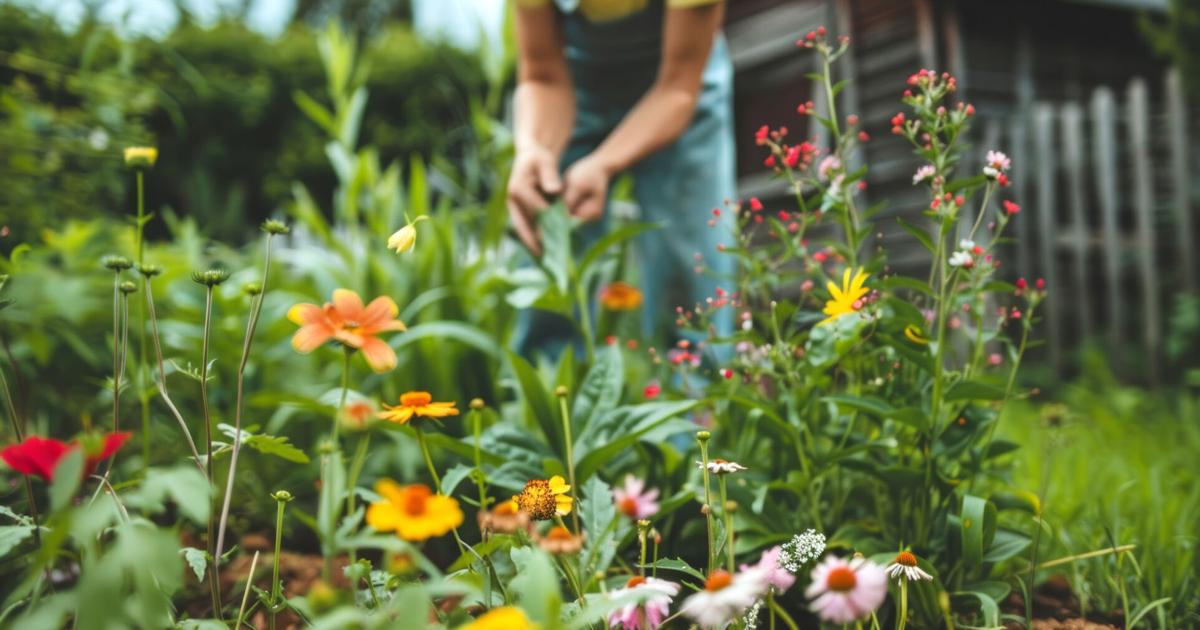


Local experts weigh in on the best planting techniques to use in the garden this spring
Stock photo
With the spring equinox right around the corner, gardeners — professional and aspiring — are gearing up to begin planting, in hopes of creating a bountiful harvest.
But what should Denver metro area gardeners be aware of ahead of this planting season?
Look no further; experts from local horticulture groups and botanical centers have all the tips and tricks for starting a garden this year in Colorado.
When to start planting
Most gardening advice is to begin placing seedlings — or a young, sprouted plant with roots — into the soil after the last frost, but local experts say this is becoming increasingly difficult to predict in Colorado.
Colorado’s fluctuating weather patterns, like late spring snowstorms and winter and fall’s daily massive temperature swings, can make the question of when is the prime time to start planting difficult to answer, according to Tyler Bortz, a horticulture specialist at CSU Extension in Jefferson County.
“For years now, folks have stated that after Mother’s Day, folks can start to transplant plant starts into their garden,” he said.
Similarly, Niko Kirby, the senior director of education and engagement at Denver Urban Gardens (DUG), said the last frost can be between mid to late May, typically after Mother’s Day.
“Timing is critical in Colorado,” he said.
Gardeners who are starting from seeds should begin the process indoors in March or April and wait until the crop has progressed into a seedling before transporting it into outdoor soil, Bortz advised.
“Seeds can be started indoors in March, or four to eight weeks prior to the last frost,” said Lisa Mason, a horticulture specialist and entomologist at CSU Extension in Arapahoe County. “Read the specific package for when to start seeds indoors.”
Once the seed begins to germinate into a seedling, knowing when to plant it depends on the type of crop.
“You can start cool-season crops, like broccoli, cabbage, spinach, and others, earlier since they don’t mind the cooler temperatures,” Borts said. “However, warmer-season crops, like tomatoes, peppers, eggplants, and others, generally should be started a little bit later when temperatures are generally warmer.”
For trees, Mason said they should be planted before extreme heat kicks in, usually between mid-March and mid-June.
“Spring is great for new trees, perennials and flowers, as well as cool-season vegetables,” said Kandy Barry, a master gardener at CSU who volunteers at Littleton’s Hudson Gardens. “Fall is another wonderful opportunity for trees and bushes because the days are still warm enough
and the ground maintains the warmth.”
Though most people plan for gardening in the spring, Bortz said warmer falls provide Colorado gardeners more time to grow their crops.
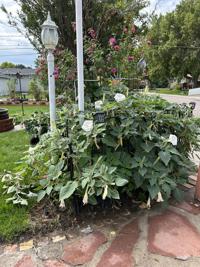
Datura flowers are fast-growing and drought-tolerant plants that are toxic
Isabel Guzman
Gardening tips and tricks
From testing soil to managing Colorado’s intense sunny weather, local crop experts have tons of tips for new gardeners.
Get a soil test: “Soil here is challenging. It can be very heavy clay or sandy,” Barry said. CSU offers a basic test for soil samples starting at $35 and can be found online at agsci.colostate.edu/soiltestinglab/. Bill Orchard, a master gardener at Arvada Gardeners, also recommended getting soil tested through CSU. “The soil is probably mostly clay,” he said. To improve soil, DUG recommends adding a couple of inches of finished compost each year to the soil, avoiding over-tilling, and adding mulch to protect the soil. “(Mulching) 2-3 inches of organic material (can) keep the soil moist and help cool the temperature,” Barry added.
Start small: “Choose easy-to-grow vegetables that you like to eat and realize the time and work involved with them,” Orchard said. Bortz echoed to start with easier, low-maintenance crops, especially for beginner growers. “Gardening is a season-long endeavor and people’s beginning-of-the-season excitement can be larger than their mid-season capacity to care for and maintain their garden,” he said. Kirby said planting what will be eaten will also help reduce food waste and stress over plants that will not be valued in the kitchen. A new gardener also might have more success if they purchase a starter plant that is already in soil from a garden center, versus starting from seeds, Mason said. Overall, focusing on enjoying the process of gardening is the key to having a successful harvest, Bortz said.
Choose “forgiving” plants: Starter gardeners may want to start with cherry tomatoes, zucchini or other summer squashes, chard, peas, radishes or herbs, Borttz said. “These plants are all generally pretty resilient and can be managed with either a hands-on or hands-off approach,” he said. Mason said growers can also use container gardens that can be moved to help find the right amount of sun for the crops, avoiding a burned plant.
Know your microclimates: Areas that face south and west can become extremely hot in the midsummer months, Kirby said. These spaces can be ideal for crops that need six to eight hours of sun each day. When these plants start flowering and ripening, Kirby said, providing shade can help prevent sun scorching.
Allow for enough space: A seedling is very small but has the potential to grow into a big crop. “Read plant labels carefully and make sure site conditions are correct for that specific plant,” Mason said. Spacing out crops might mean reducing how many are planted. “A few well-tended beds outperform an ambitious but overwhelming garden,” Kirby said.
Plan for failures: Because Colorado soils and climates can be intense and hard to work with, sometimes, a gardening failure is just a side effect of the learning process. “Success builds momentum, so expect some degree of failure and know these provide great opportunity to learn what works firsthand,” Kirby said. Mason, though she is an expert with plants, said she still has a difficult time keeping up with weeds and overcrowding her crops. Bortz said a hailstorm had completely wrecked his freshly transplanted peppers. “There are going to be many things that are outside of (your) control when it comes to gardening… However, you can plan ahead as to how you might respond to these challenges as they arise. Planning ahead and being adaptable are super useful skills and qualities that can help both expert and beginning gardeners alike,” he said.
Managing watering
Due to Colorado’s dry climate and unusually dry winter season, conserving water is at the forefront of maintaining a garden. From Denver Water implementing summer watering rules to Highlands Ranch Water issuing a drought watch, using as little water as possible is a feat for new gardeners.
Here are some ideas for conserving water while maintaining a garden from local plant specialists:
Water between 6 p.m. and 9 a.m. to minimize the chance of evaporation and water runoff
Cofer exposed soil with organic mulch to help retain water
Water roots, not leaves
Run longer watering cycles on lawns a few times a week instead of a short cycle every day to encourage healthy root growth
Use watering cans and a drip irrigation system instead of sprinklers
Set up a rain barrel to collect rainwater
Water trees and bushes all year-long to prevent them from dying
Use well-draining and water-retaining soils
A bit of extra water can help a plant adjust to its soil bed after being transplanted from its indoor germination, Bortz said.
“Many plants experience what we call ‘transplant shock,’ where gardeners observe a short degradation of the plant quality, where it can look a little wilted, stunted, and generally unwell,” he said. “The plant (is) refocusing on establishing a strong root system before investing in growing leaves and stems above ground. By giving these transplants a little bit more water and nutrients (from) fertilizers, gardeners can give those plants an early boost in establishing themselves in their new homes and starting their growth for the season.”
Preventing pests with low-toxicity interventions
The most common pests found around the Front Range are Japanese beetles, aphids, spider mites, grasshoppers, grubs, voles, pocket gophers, squirrels, emerald ash borers, and Ips beetles, according to Barry. They typically feed on the plants and trees, which can devastate a garden when they appear en masse, Bortz said.
“A generally non-toxic way to deal with all of these pests is by using food-grade diatomaceous earth (DE),” he said. DE is a natural powder made from fossilized aquatic algae that contains a small amount of crystalline silica that kills insects by destroying their exoskeletons.
“When sprinkled on the plants and soil surrounding affected plants, (DE) kills insects and pests by dehydrating them to the point of death. Be sure to apply to material to areas where the pests and insects are present, such as flipping over leaves and plant material to find insect hideaways,” Bortz said.
Barry added that keeping soil healthy, hand-picking away pests like tomato hornworms and Japanese beetles, and using proper water management and installing barriers like chicken wire and row covers are some of the best ways to keep invasive pests at bay.
Encouraging beneficial insects like ladybugs — since they feed off of mites and aphids — with pollen-rich flowers like dill and fennel can also help keep plants healthy, Kirby said.
Additionally, Kirby said hail has created another issue that can impact the garden. In the case of this extreme weather, DUG suggests not pulling all of the plants out and instead waiting to see what damage has been done. Then, carefully remove shredded leaves and broken stems and support leaning tomato plants. Avoid watering for a week and observe for signs of fungal infections. Plant crops that can quickly regrow, like radishes and lettuce, and prevent the next storm’s damage by setting up hail and row covers.
More gardening resources
Luckily, amid a challenging natural climate, there are tons of local community gardens, educational and garden centers that offer workshops and classes for beginner gardeners. Some are:
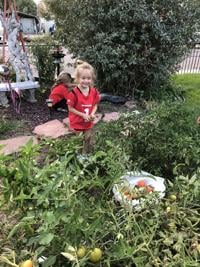
Two children help pick tomatoes from a garden
Isabel Guzman
Comments are closed.