
Clay soil is not a gardener’s delight. I have had to deal with the clay soil in the Midlands of South Carolina for years. And even with what feels like a mountain of compost worked in, I still find spots that could be dug out to make pottery. One way I’ve adapted is selecting plants—perennials, in particular—that perform well in clay. Once established, these hardy plants adapt to the weight of the soil and return every year. Here are 11 perennials that you can plant in clay soil.
Credit: Jacky Parker Photography / Getty Images
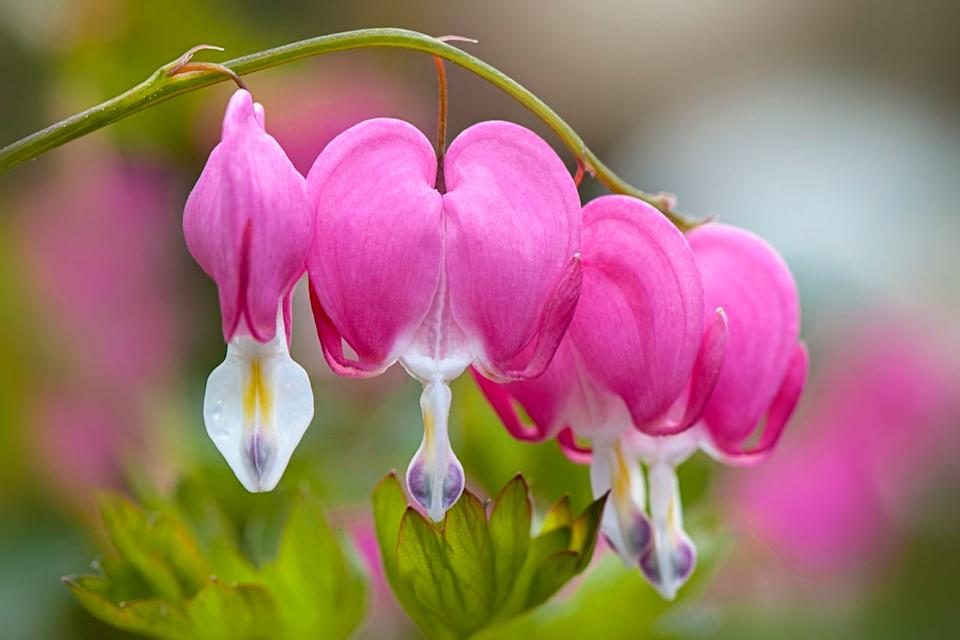
Bleeding Heart
If you are looking for a blooming perennial that thrives in the shade, plant a bleeding heart. The delicate pink, red, or white flowers on arching stems appear in late spring, blooming for up to six weeks in cooler hardiness zones. Growers in warmer zones often get a rebloom in the fall when cooler weather arrives.
Botanical Name: Lamprocapnos spectabilis
Sun Exposure: Deep shade, partial sun
Soil pH: Neutral to Alkaline
USDA Hardiness Zones: 3a – 9b
Credit: bgwalker/Getty Images
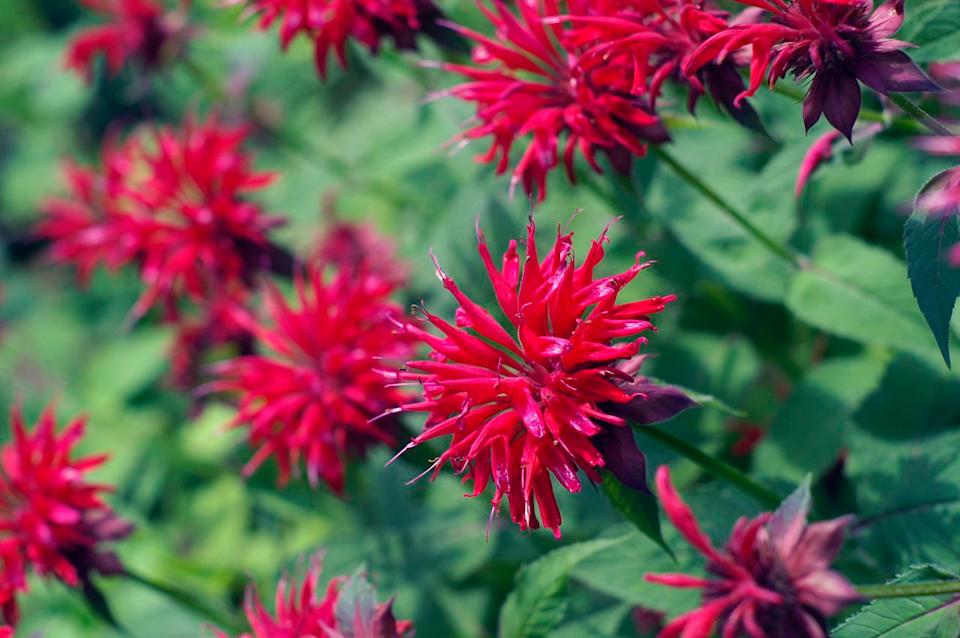
Bee Balm
A member of the mint family, bee balm flowers can range from lavender to pink to scarlet to attract bees, butterflies, and hummingbirds. Even in clay soils, bee balm will spread quickly, so keep an eye on it and divide your patch every couple of years in the early spring.
Botanical Name: Monarda didyma
USDA Hardiness Zones: 4a – 9b
Credit: Getty Images
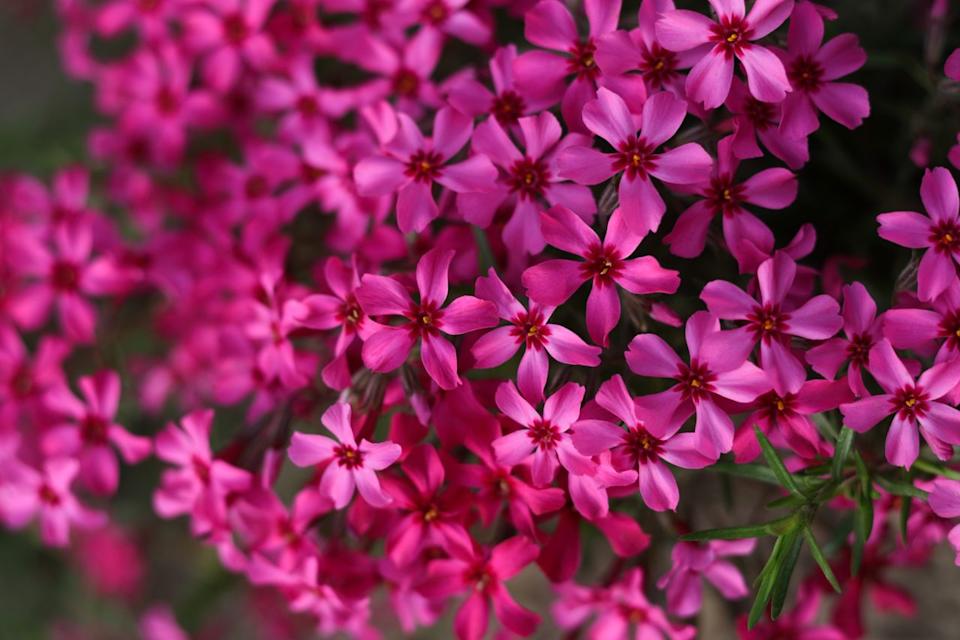
Garden Phlox
Garden phlox seems to thrive wherever it is planted. An “old-fashioned” perennial, you can find blue, pink, red, lavender, or white blooming cultivars. The fragrant flowers put on a show from mid-June until frost if you deadhead spent flowers.
Botanical Name: Phlox paniculata
Sun Exposure: Full sun, partial shade
Soil pH: Acidic, Neutral, Alkaline
USDA Hardiness Zones: 4a – 8b
Credit: Getty Images / MargJohnsonVA
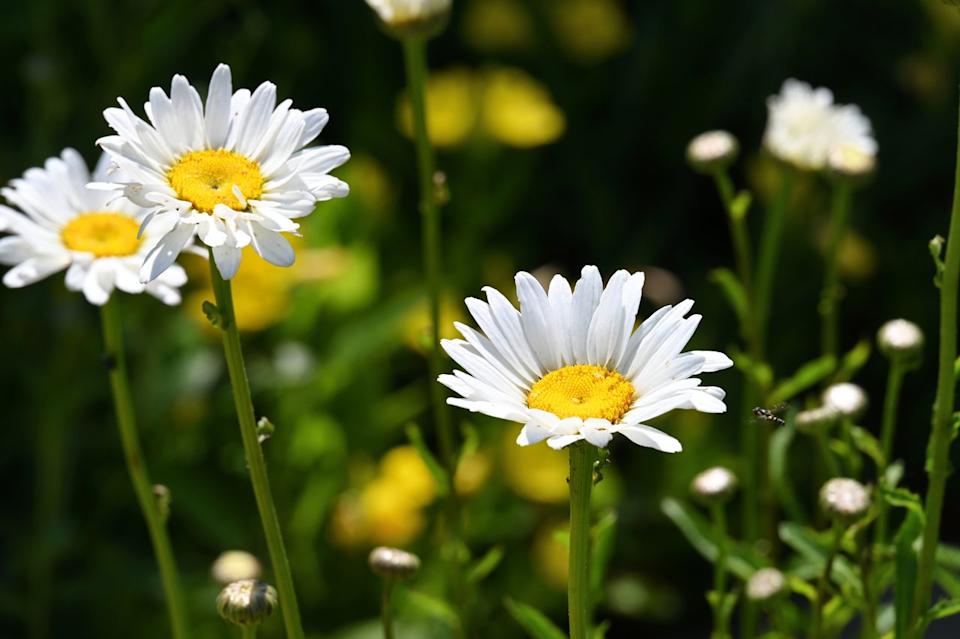
Shasta Daisy
Shasta daisies are resilient perennials that bloom from July until frost. There are single and double cultivars offering variations on the classic yellow center encircled by white petals. Most varieties bloom on stems around 3 to 4 feet high.
Botanical Name: Leucanthemum × superbum
USDA Hardiness Zones: 4a – 9b
Credit: Getty Images / Marcia Straub
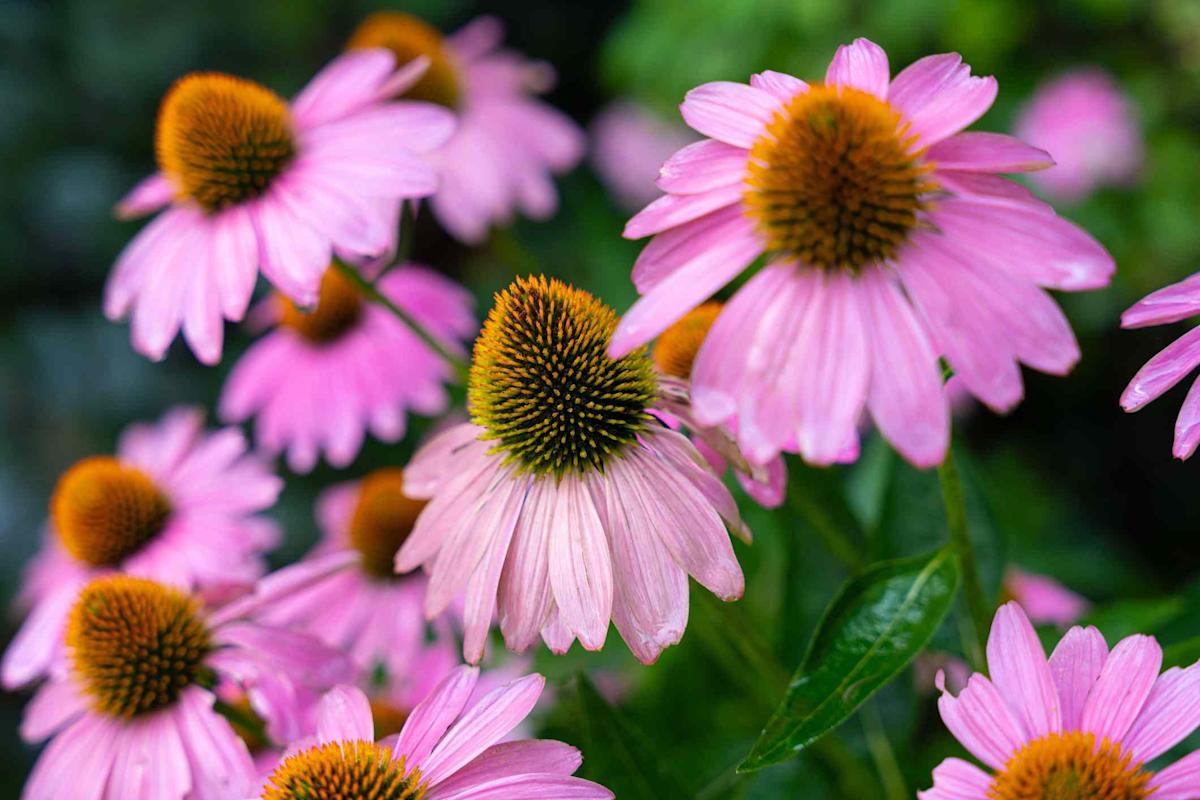
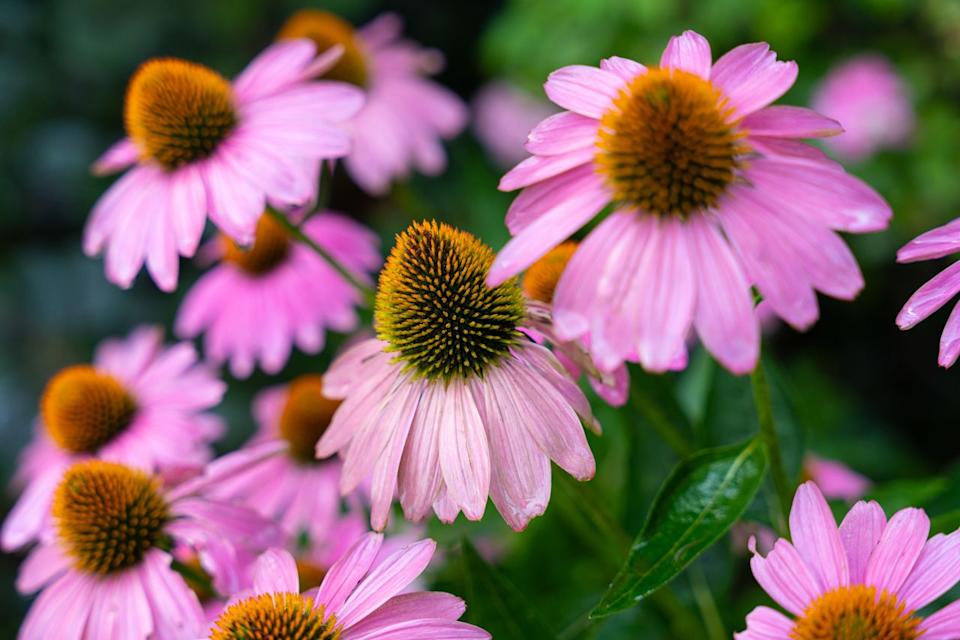
Purple Coneflower
One of the most popular and adaptive perennials for clay soils is the purple coneflower. Blooming from early June through September, it is perfect in a border, growing 3 to 4 feet tall. A low-maintenance plant, you can find other cultivars in white, orange, yellow, red, and green.
Botanical Name: Echinacea purpurea
Sun Exposure: Full sun to partial shade
USDA Hardiness Zones: 3a – 8b
Credit: Getty Images / gubernat
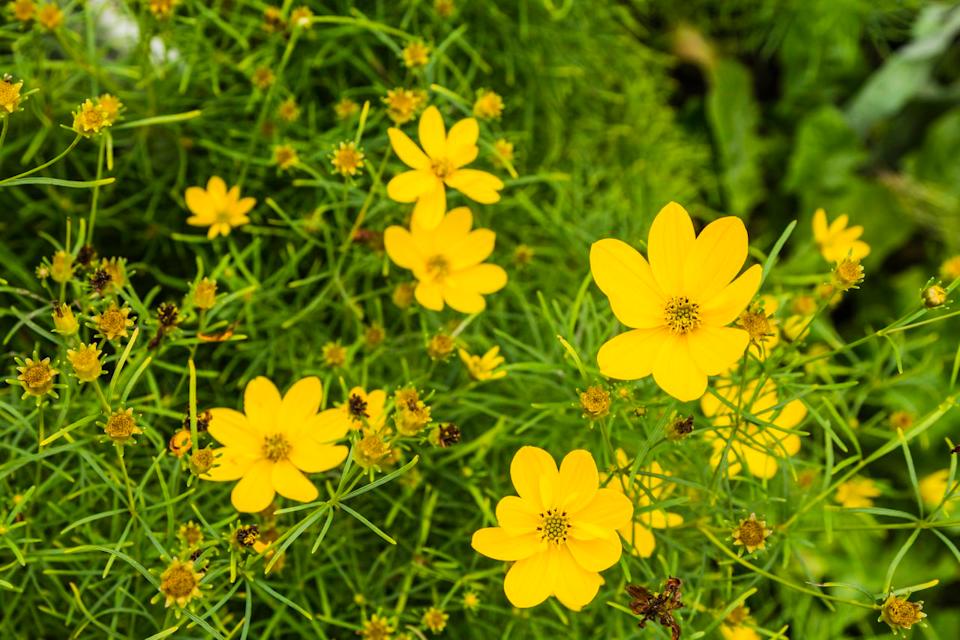
Threadleaf Coreopsis
A long-blooming perennial, threadleaf coreopsis has daisy-like flowers and delicate foliage from spring until frost. To get a second show of flowers after the peak of summer, shear the plants back for fall blooms.
Botanical Name: Coreopsis verticillata
Sun Exposure: Full sun, partial shade
Soil pH: Acidic to neutral
USDA Hardiness Zones: 3a – 9b
Credit: Getty Images
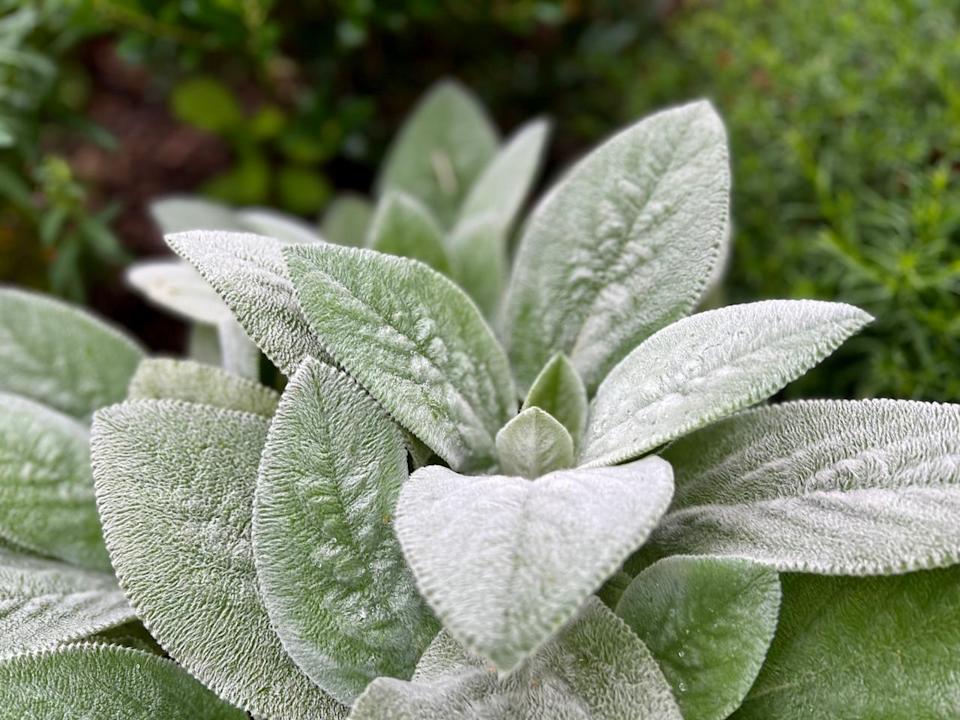
Lamb’s Ear
Deer and rabbit-resistant, lamb’s ear has velvety leaves, grows well in clay soil, is drought-tolerant, and spreads easily. While it does produce small pink, white, or purple flowers, it is planted for its silvery leaves as a complement to other plants.
Botanical Name: Stachys byzantina
Sun Exposure: Partial shade
Soil pH: Acidic, Neutral, Alkaline
USDA Hardiness Zones: 4a – 9b
Credit: Getty Images
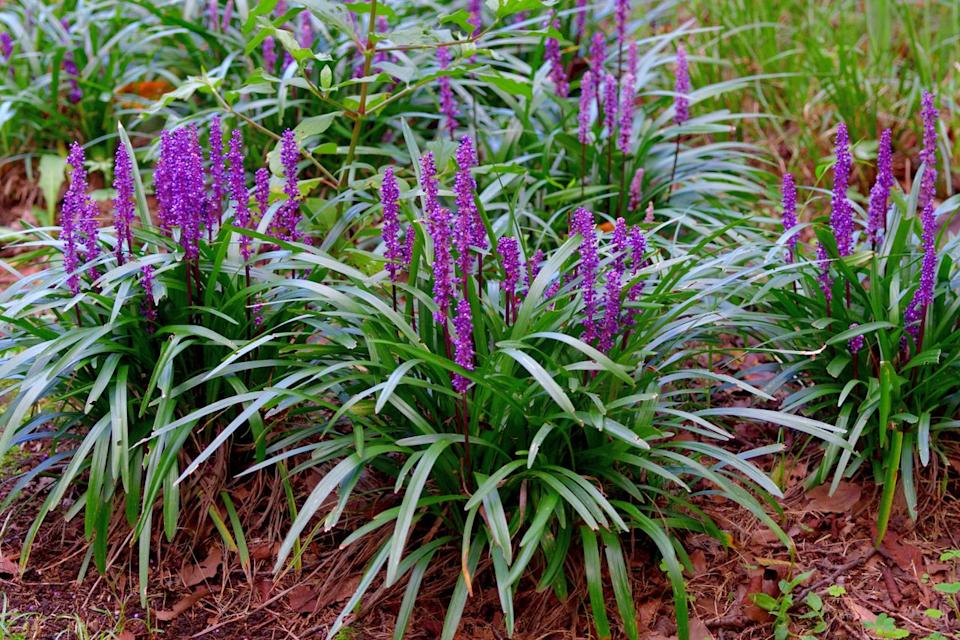
Lilyturf
Lilyturf grows about 6 to 12 inches tall, and is ideal for walkway or flowerbed borders or to fill bare spots under trees. Depending on the cultivar, this perennial produces spiky white or lavender flowers in the summer, and blue-black berries in the fall.
Botanical Name: Liriope spicata
Sun Exposure: Deep shade to dappled sunlight
USDA Hardiness Zones: 4a – 10b
Credit: Getty Images
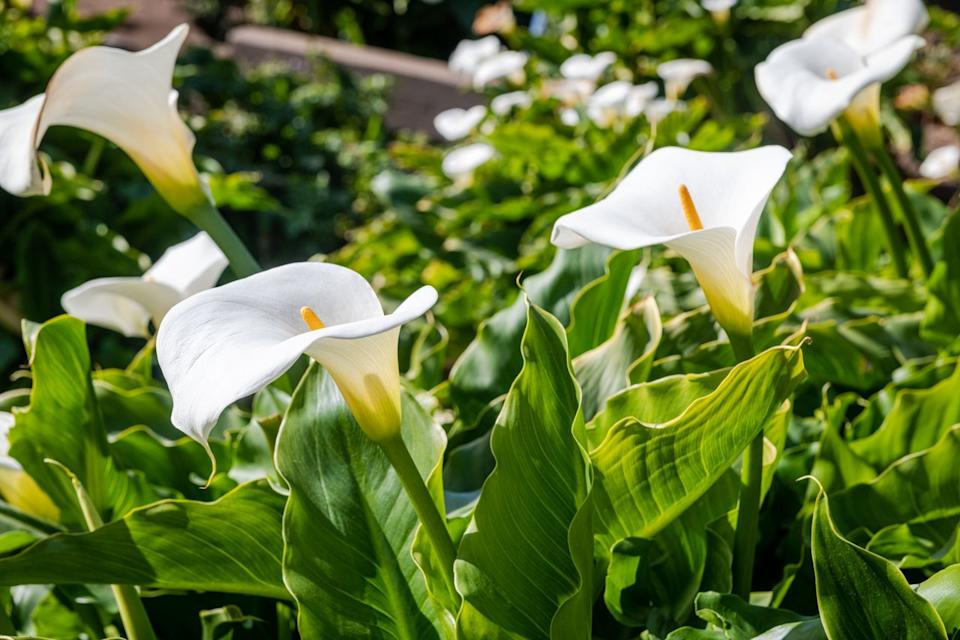
Lily of the Valley
The fragrant, white, bell-shaped flowers of lily of the valley perfume the air each spring. This perennial acts as a good groundcover in deep shade because it naturalizes easily and is rabbit and deer-resistant.
Botanical Name: Convallaria majalis
Sun Exposure: Deep shade
USDA Hardiness Zones: 3a – 7b
Credit: Getty Images / Ali Majdfar
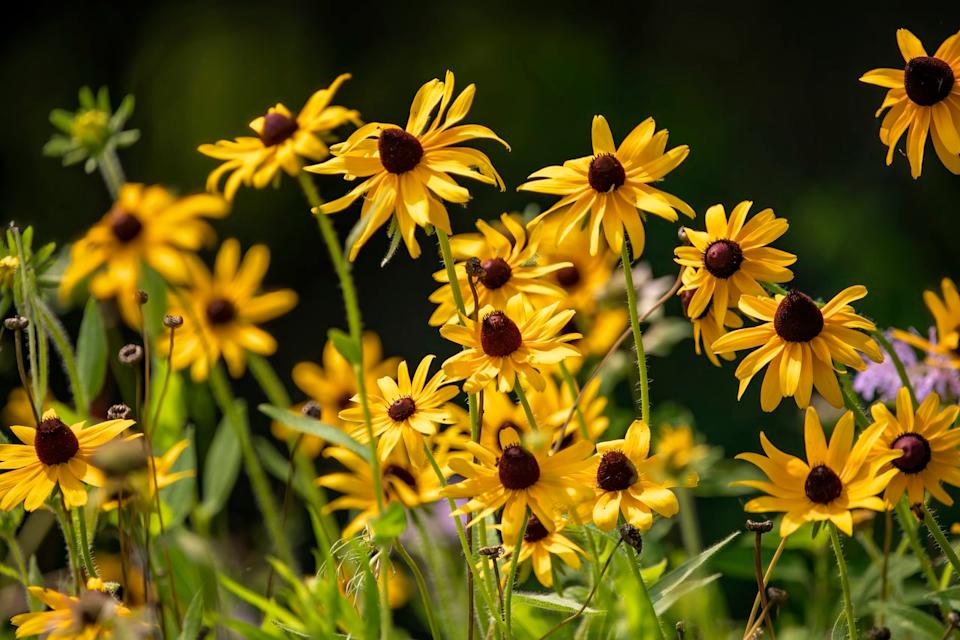
Black Eyed Susan
Black-eyed Susans are one of my favorite perennials because they tolerate heat, drought, and bad soil with very little care. This perennial blooms for weeks and spreads easily. You’ll always have some to share with friends.
Botanical Name: Rudbeckia hirta
Soil pH: Acidic, neutral, alkaline
USDA Hardiness Zones: 3a – 8b
Credit: Marcia Straub/Getty Images
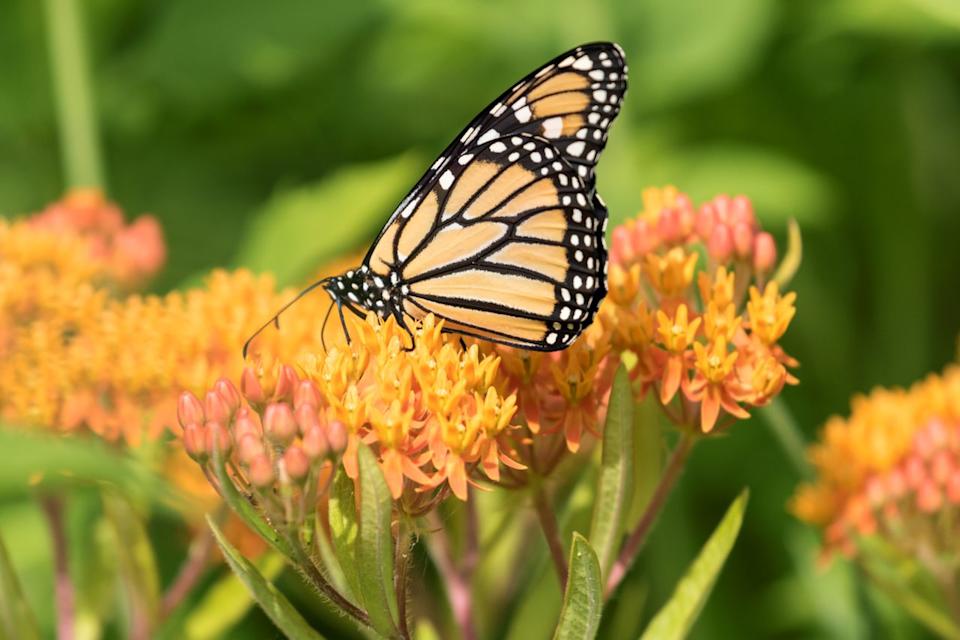
Butterfly Weed
A North American native perennial, butterfly weed is drought-tolerant and thrives in poor soil thanks to its long taproot. Surviving along roadsides, it produces orange, gold, red, or yellow clusters of flowers that are magnets for butterflies, bees, and hummingbirds.
Botanical Name: Asclepias tuberosa
Soil pH: Acidic, neutral, alkaline
USDA Hardiness Zones: 3a – 9b
Read the original article on Southern Living
Comments are closed.