
 3 min read
Whether you have a small yard or just want to exercise your green thumb, you’ve probably been curious about the benefits of greenhouse gardening. One of the biggest pros is greenhouses extend the growing season; you can get started early in the spring and continue into late fall. And since greenhouses provide a controlled environment (no need to worry about fluctuating temperatures!), you can also experiment with growing a wider variety of plants, regardless of where you live.
To give you some inspiration, we’ve tapped three gardeners to share how they’ve used compact greenhouses to create thriving gardens.
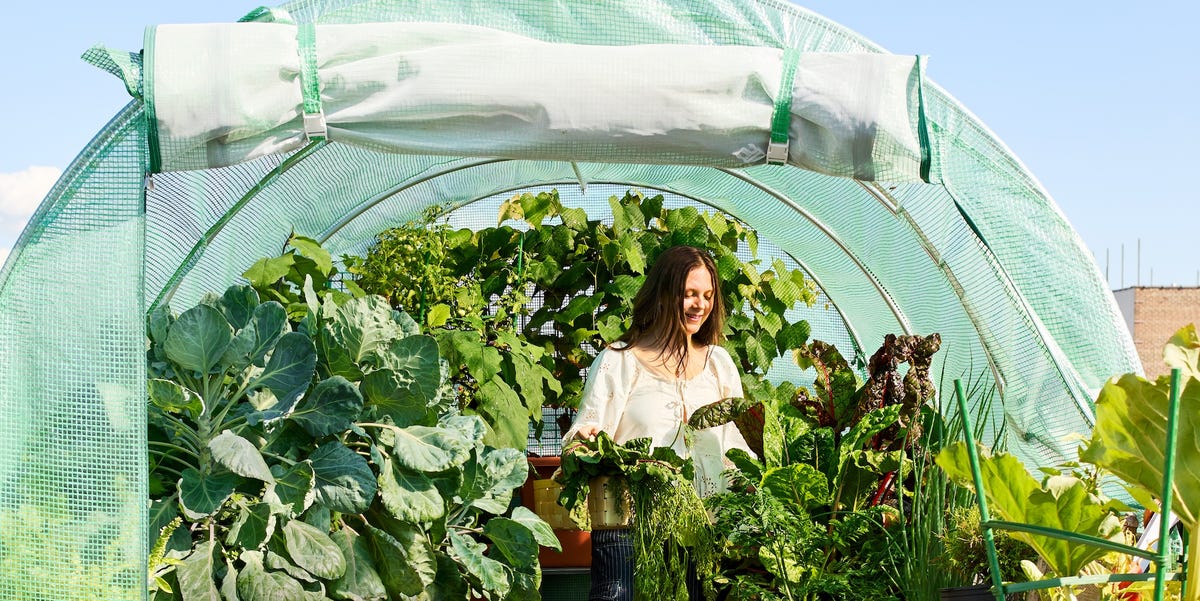
When Melissa Geurts moved into a Jersey City, NJ, apartment with rooftop access, she had one basic goal: grow something—anything. Then her green thumb kicked in. Despite her having no prior gardening experience, one successful lettuce bed turned into a greenhouse filled with strawberries, eggplant, potatoes, and more.
 Craft and Prop Styling: Alex Mata; Photo: Mike Garten
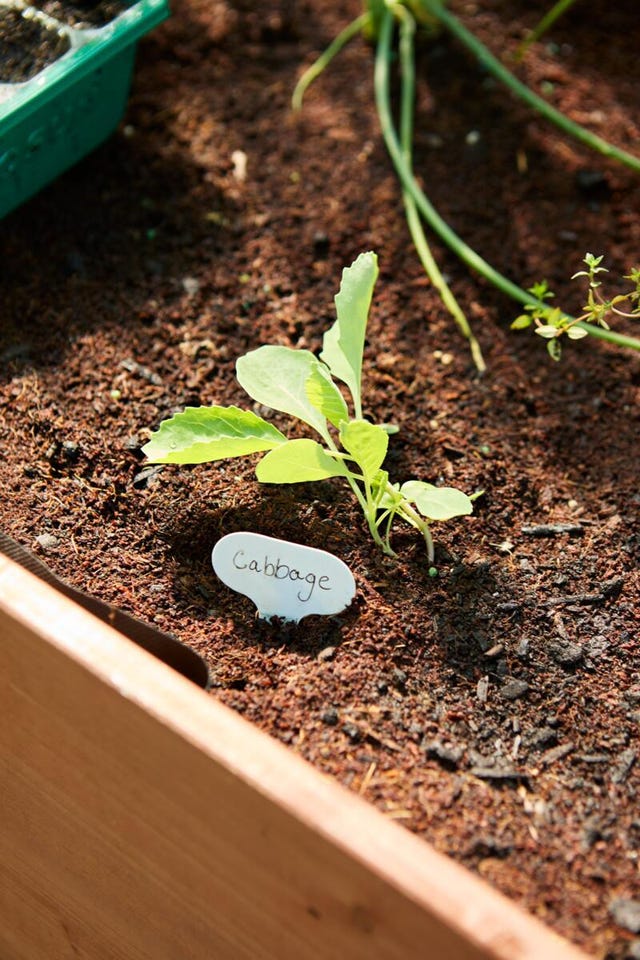
Choose easy-to-grow vegetables like lettuce, scallions, strawberries, and potatoes in varieties that reward consistent care and don’t demand perfect conditions.
“When I was little, I spent hours running through the fields on my grandma’s farm,” she says. “My rooftop gardening felt like an attempt to reconnect with that feeling.” Using a basic greenhouse and supplies bought online, Melissa began to learn through trial and error how much could thrive in a compact covered space. “My grandma would have laughed at some of my mistakes, but I think she’d be proud,” she says.
Melissa Geurts (@melissageurts)
is group executive creative director at Good Housekeeping and a rooftop gardening enthusiast.
An 8′ x 10′ greenhouse was just right for Laura Boissonnault’s small suburban lot in southern New Jersey, just outside Philadelphia. The structure gives her space to start seeds early, overwinter treasured plants, and even grow citrus through the colder months.
After extensive research, she chose the Parkside model from BC Greenhouse because, she says, it “checked all the boxes in affordability, function, and beauty.” Delivered as a kit, the greenhouse became a project she and her husband assembled over several weeks. “One of my requirements was for it to be able to handle wind and snow,” she explains. Now, years later, Laura wouldn’t change a thing and calls it “one of the best additions we have made.”
 Courtesy of Laura Boissonnault/@howsitgrowingnj
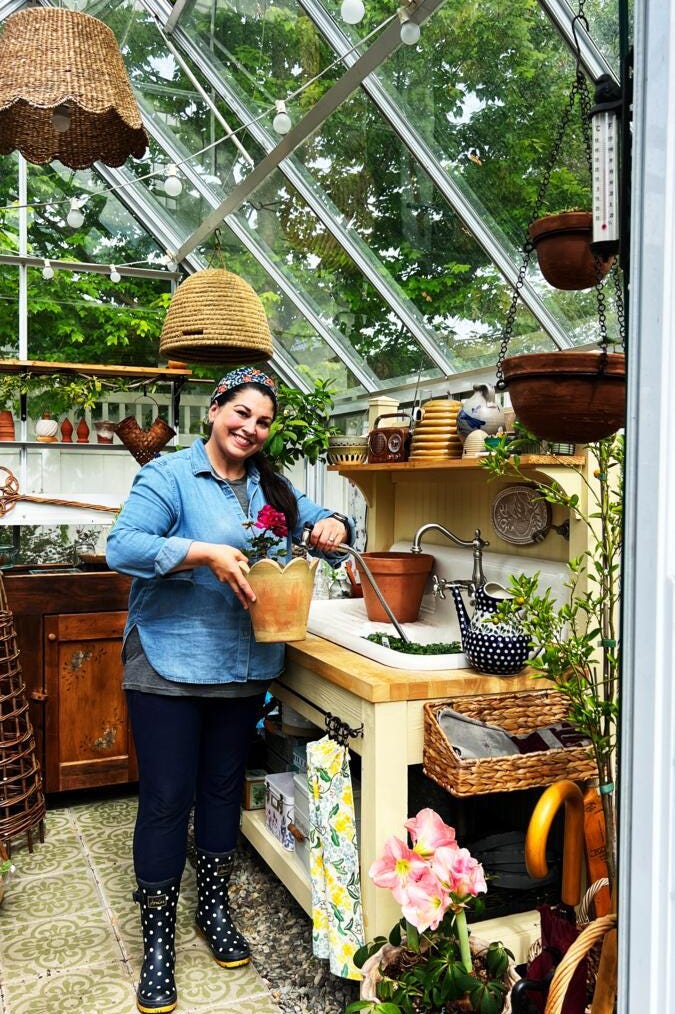
Laura Boissonnault positioned her greenhouse beneath a maple tree, which provides welcome shade during the hottest summer days while allowing more sun and warmth in winter, after the leaves have dropped.
 Courtesy of Laura Boissonnault/@howsitgrowingnj
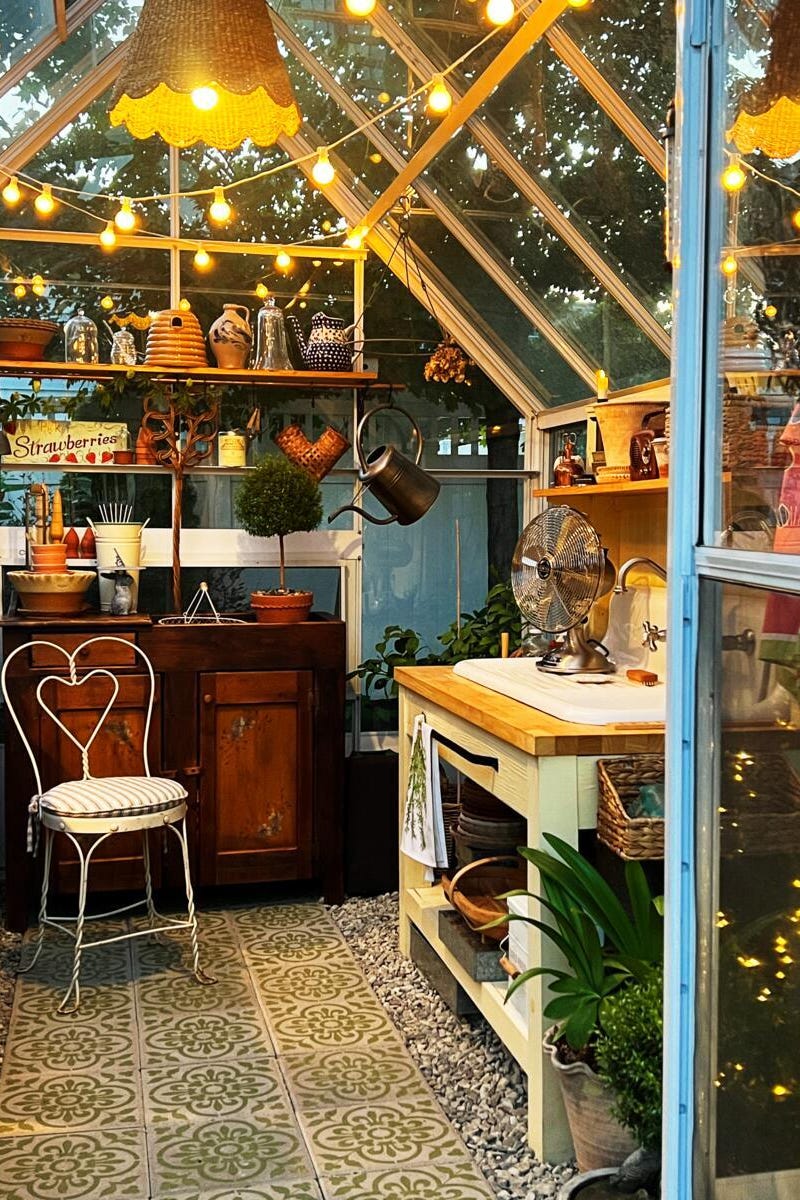
For a year-round greenhouse, easy water access is a must. Laura and her husband installed a sink inside the structure that helps with watering, potting, and general cleanup, especially during the busy seed-starting season.
Laura Boissonnault (@howsitgrowingnj, @gardenshopwoodbury) is a master gardener. She and her husband are planning to open a garden shop (The Garden Shop of Woodbury) in Woodbury, NJ, this year.
Gardening author Niki Jabbour, who lives in Nova Scotia, has found success with one of the simplest greenhouse types, a cold frame. Typically a low, boxlike structure with a clear lid that traps heat from the sun, a cold frame shields plants from frigid temperatures in winter and protects them from pests and heat during other seasons. Over the years, Niki has discovered that simple wooden frames (she prefers
untreated hemlock) topped with clear polycarbonate offer the best insulation and performance.
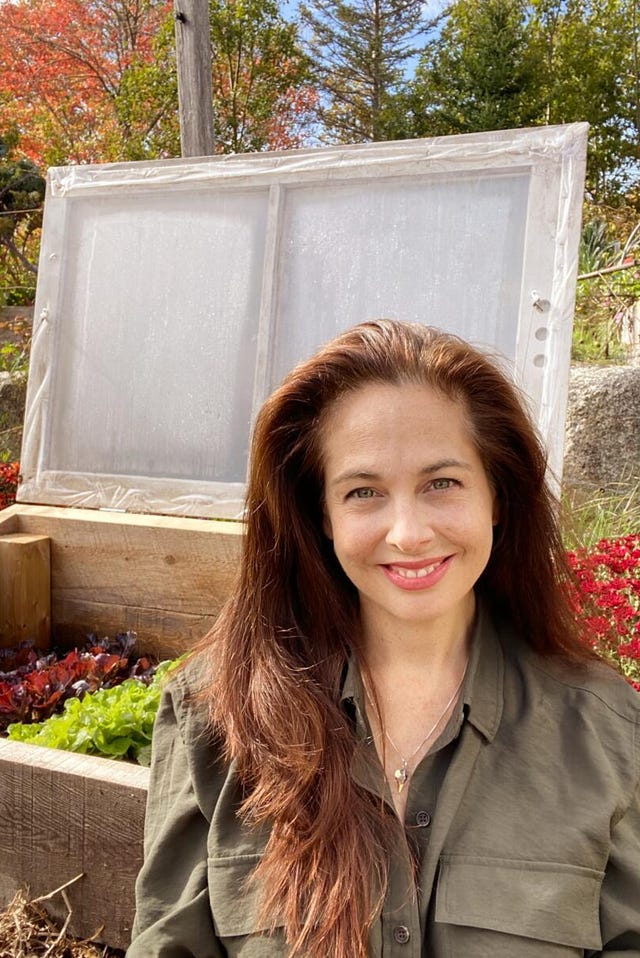 Courtesy of Niki Jabbour
Place a cold frame in a spot that receives full sun,” Niki advises. She recommends facing frames south and sheltering them from prevailing winds to create a warmer, more stable growing environment.
Today her cold frames allow her to harvest vegetables year-round. In early summer, a fast-growing cover crop like buckwheat helps build the soil; by late summer she’s sowing carrots, beets, and winter radishes. In fall, she plants spinach, lettuce, and other cold-hardy greens. Even in the depths of winter, there’s no need for a heated greenhouse. “Opening a cold frame in February to pull some carrots or beets brings me so much joy,” she says.
Niki Jabbour (savvygardening.com) is the author of four books, including Growing Under Cover and The Year-Round Vegetable Gardener, and a two-time winner of the American Horticultural Society Book Award.
Shop Greenhouses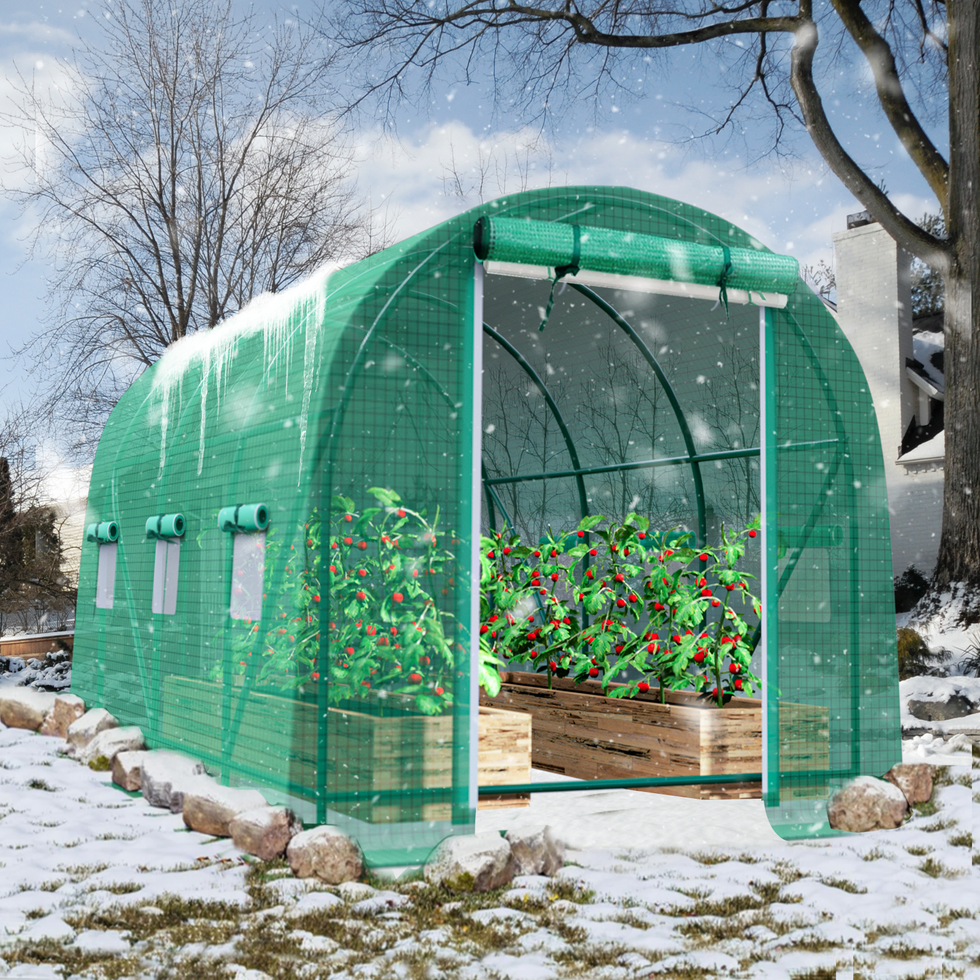 TANGJEAMER Walk-in Greenhouse
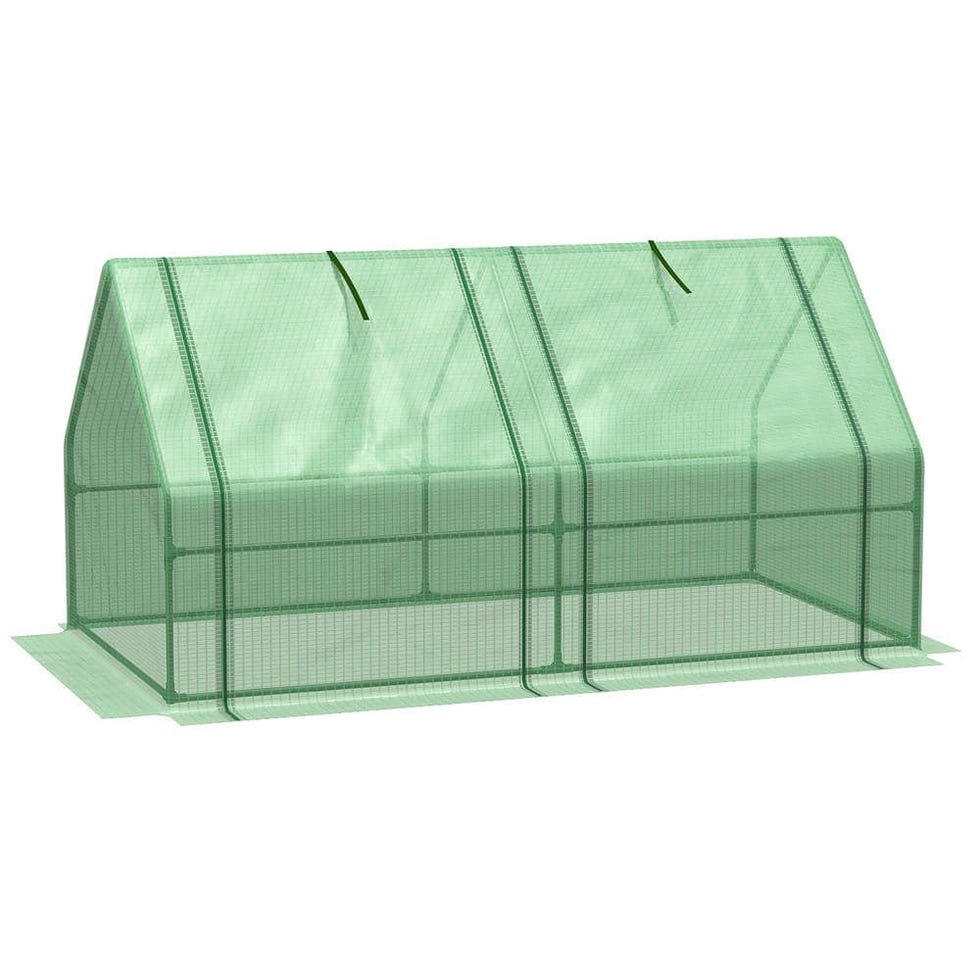 Outsunny Portable Mini Greenhouse
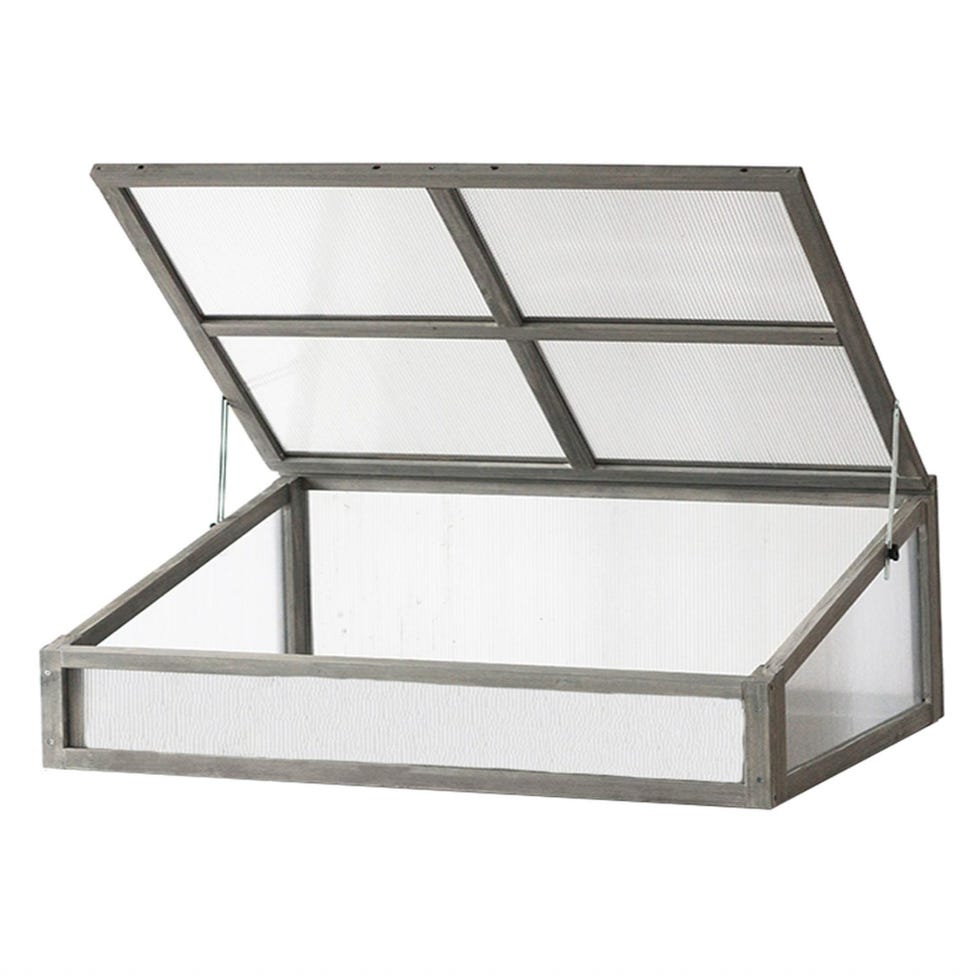 Williams Sonoma VegTrug Cold Frame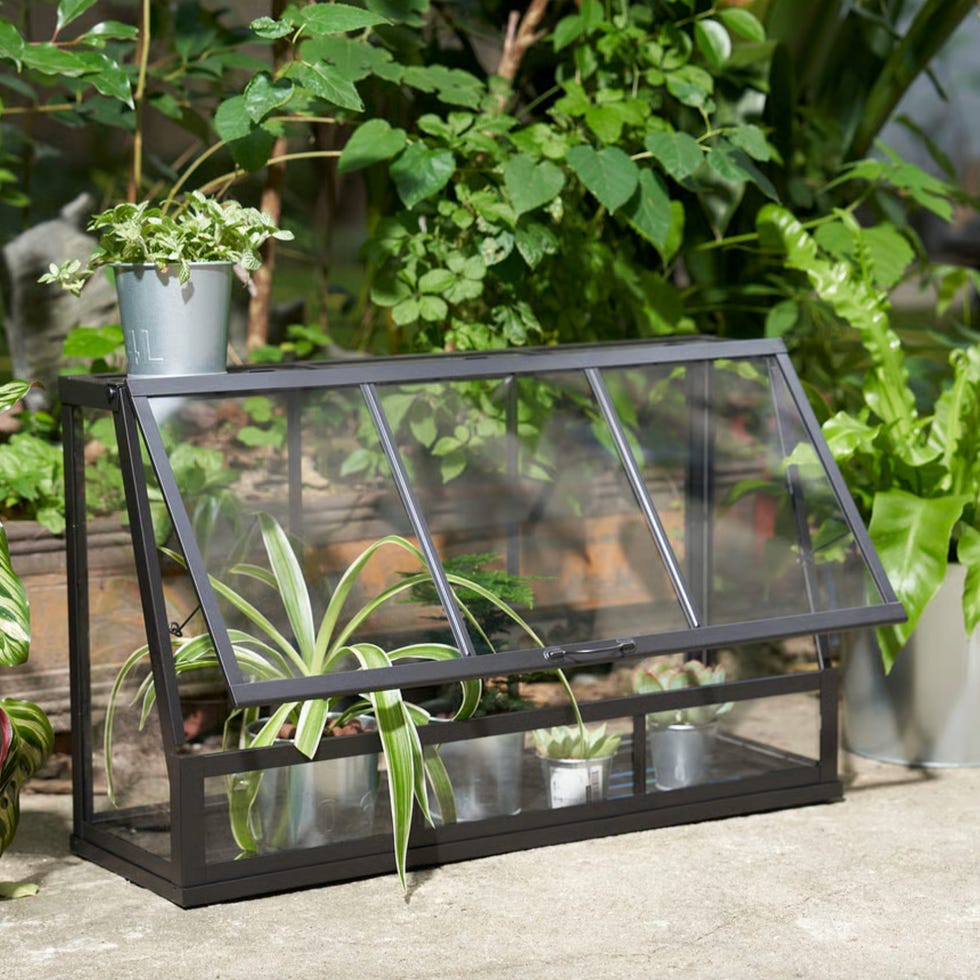
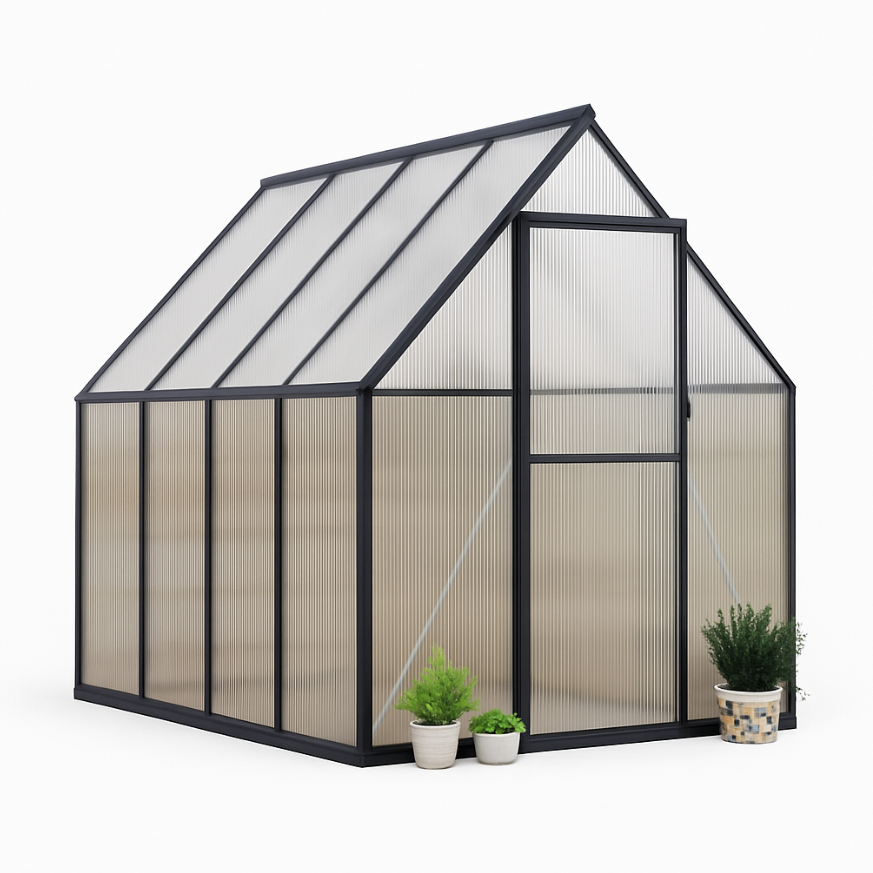 Garvee 6’x9′ Aluminum-Framed Polycarbonate Greenhouse
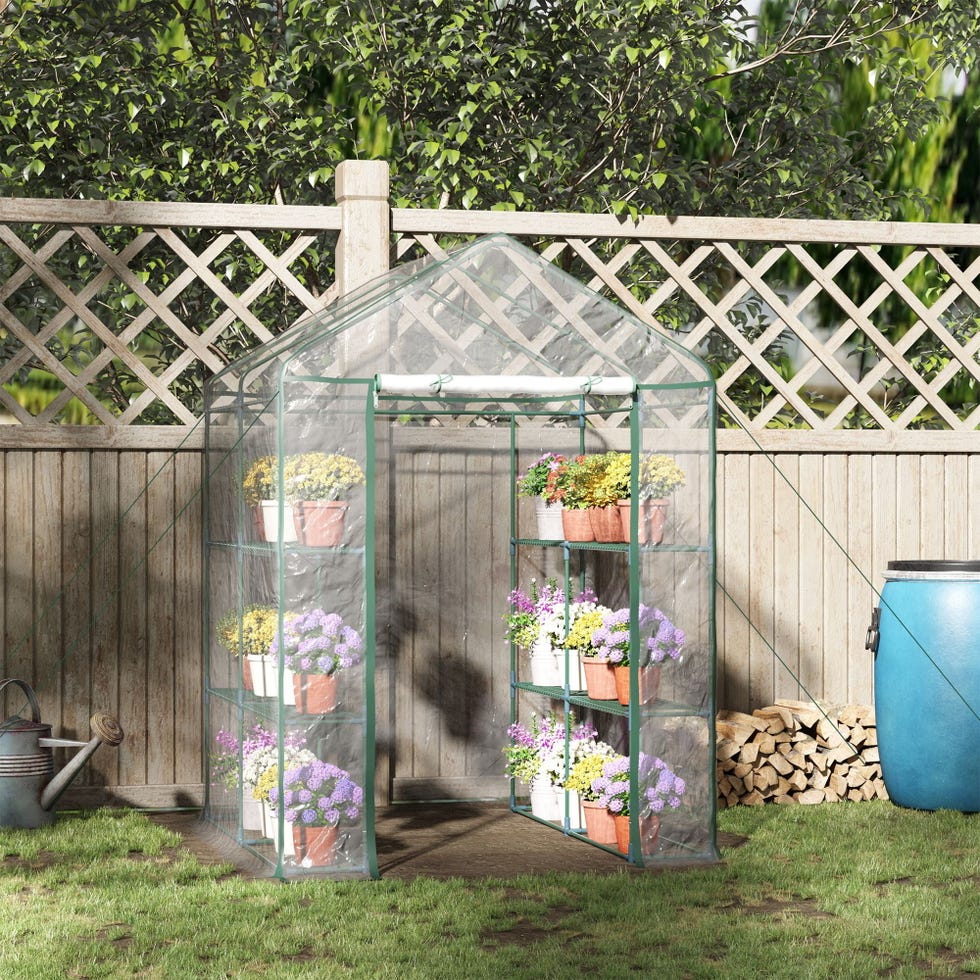 Outsunny Mini Walk-in Greenhouse Kit

Debbie Wolfe is a writer, photographer, and author. She has contributed hundreds of home and garden articles and DIY tutorials to leading media outlets and retailers. Debbie covers all home and gardening topics and has published hundreds of DIY tutorials with step-by-step photography for leading home and garden media outlets.
Comments are closed.