
 2 min read
2026 just may be the year of “functional greenery” in the garden. When Country Living asked garden and landscape experts for their trend forecast, fruit trees and shrubs made the top 10. The same finding popped up in a 2026 trend report from plant purveyor The Sill. Sales of fruiting plants are up, with Meyer lemon trees leading the pack—sales rose 60 percent in 2025 compared with 2024.
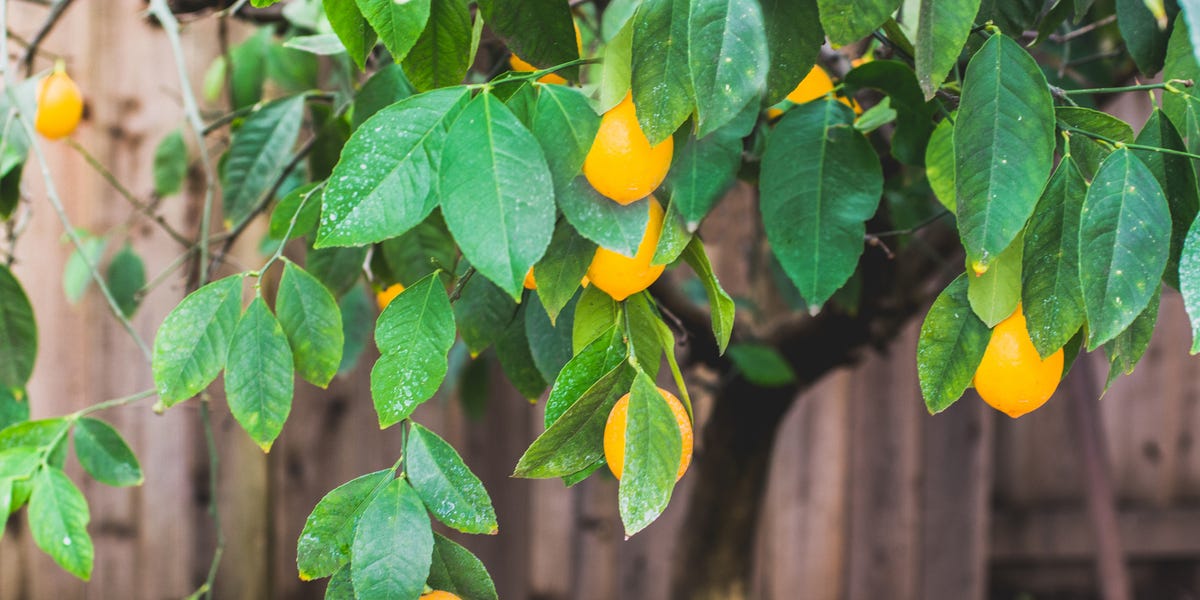
The appeal is easy to see. A Meyer lemon tree brings glossy evergreen leaves, fragrant blossoms, and—eventually—fresh lemons, all in a single container. For many plant lovers, it’s become an approachable first step into growing edible plants at home.
“The Meyer lemon specifically has become the new ‘gateway’ tree for plant parent.”
“I think we’re seeing a big trend in citrus trees right now, especially Meyer lemons, because people are becoming more curious and even confident about growing their own food,” says Paris Lalicata, plant expert and educator at The Sill. “This is largely driven by a growing concern over pesticides and preservatives and consumers wanting total control over what they eat to ensure it is fresh and chemical-free.”
The Meyer lemon specifically has become the new “gateway” tree for plant parents, Lalicata says, because it’s so manageable. “Meyer lemons are a hit because they are easy to care for and thrive so well in containers indoors or out, making them the perfect entry point for plant parents at any skill level!”
Even those in colder zones are realizing they don’t have to miss out, she adds. “With the help of grow lights and the right sunny spot, even houseplant parents are proving they can grow citrus trees year-round. We are always encouraging the fact that there aren’t really any limitations—you just need the right setup.”
Once someone decides they want to try growing citrus at home, though, a few practical questions tend to come up right away. From fruiting timelines to pollination, Lalicata says these are the questions she hears most often.
The 3 Biggest Questions About Meyer Lemon Trees, Answered1. What is the difference between a Meyer lemon tree and Meyer lemon bush?
“Both are the exact same plant! A bush is allowed to grow branches lower to the ground, creating a fuller appearance, while a tree has been pruned to have a single, clear trunk with the foliage and fruit-bearing branches concentrated at the top.”
2. How long does it take to produce fruit?
“Depending on the size, some may already be producing fruit when they arrive or will start within their first season. Generally, though, you can expect fruit within 1 to 2 years for most trees unless you are growing by seed, which takes much longer.”
3. Do I need more than one citrus tree for it to fruit?
“Most popular citrus varieties, including the Meyer lemon, are self-fertile, meaning a single tree has both male and female parts within the same flower and can produce fruit all by itself.”
Other popular self-pollinating citrus trees include Ponderosa lemon, calamondin orange, Persian Bears lime, and key lime, she says.
Comments are closed.