
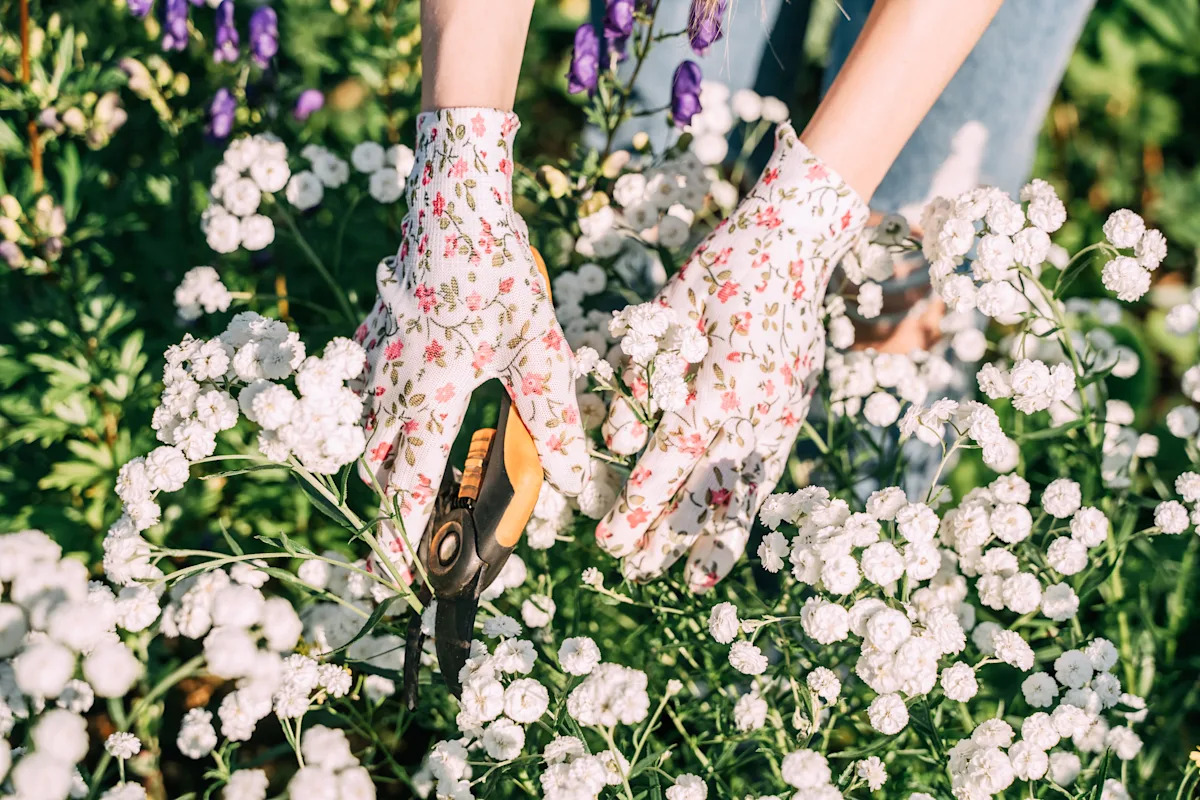
Along with mowing the lawn at the right time, laying down mulch and tackling weeds, pruning is a spring garden task on many to-do lists.
Pruning at the right moment can encourage stronger growth, healthier plants and better flowers later in the year. But pruning at the wrong time can do the opposite – removing flower buds, weakening plants, or even damaging them.
Early spring is often considered ideal for pruning certain shrubs and soft fruit, particularly while plants are still dormant, according to the Royal Horticultural Society (RHS).
The key is knowing which plants benefit from a cut now and which ones are better left alone until later in the year.
Buddleia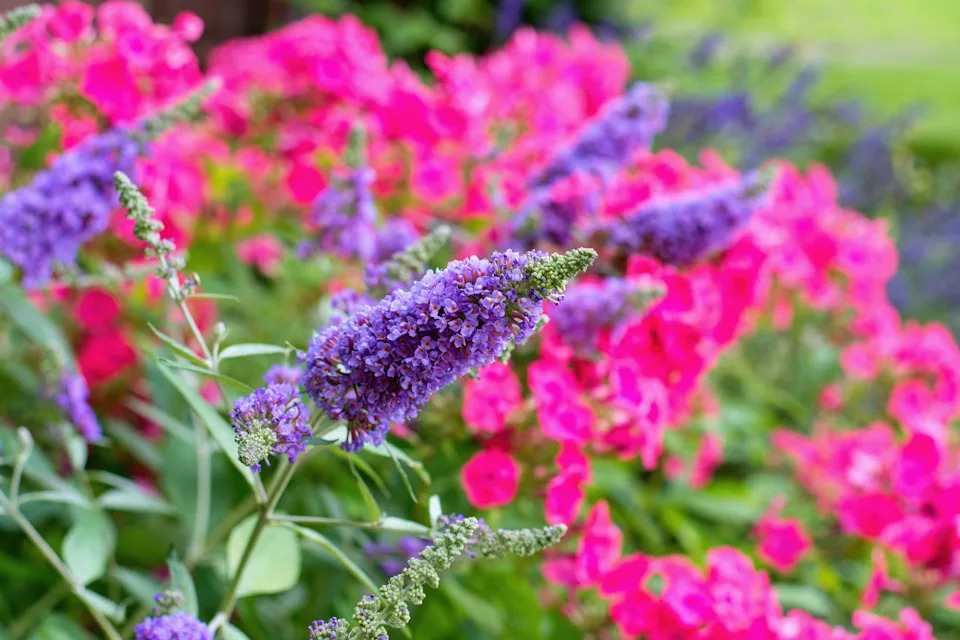
Summer garden scene with Buddleja davidii flower also called summer lilac,butterfly-bush. Pink Phlox paniculata on background
(Tunatura via Getty Images)
Buddleia, often known as the butterfly bush, is one plant that benefits from a strong prune in late winter or early spring.
“Buddleia flowers on new wood,” explains Ali Lijee, garden expert at TreeMend. “That means the blooms you’ll see in summer grow on shoots produced this year. If you want those big, dramatic flower spikes, you need to cut it back hard now.”
He recommends reducing last year’s growth to around 30cm to 60cm from the ground, depending on the size of the plant.
“It can look brutal,” he admits. “But buddleia responds very well to a strong prune. If you leave it untouched, it becomes tall, woody and sparse at the base, with fewer flowers at eye level.”
Hydrangeas.png)
Hydrangea paniculata, hydrangea arborescens and hydrangea macrophylla (L-R) all have different pruning rules.
(Getty Images)
Hydrangeas can be confusing because not all varieties should be pruned in the same way.
“The key thing with hydrangeas is knowing which type you have,” Lijee says. “The hydrangea paniculata and hydrangea arborescens flower on new growth, so they can be pruned now without sacrificing blooms.”
These varieties can usually be cut back to a healthy pair of buds lower down the stem, which helps encourage strong new shoots.
However, gardeners should be cautious with other types.
Hydrangea macrophylla, the classic mophead type need to be handled with care. “If you cut those hard now, you could remove this year’s flower buds. With those, you should only remove dead or damaged stems at this stage,” Lijee says.
So, think of giving these a tidy, rather than a full-on cut.
Gooseberries and currants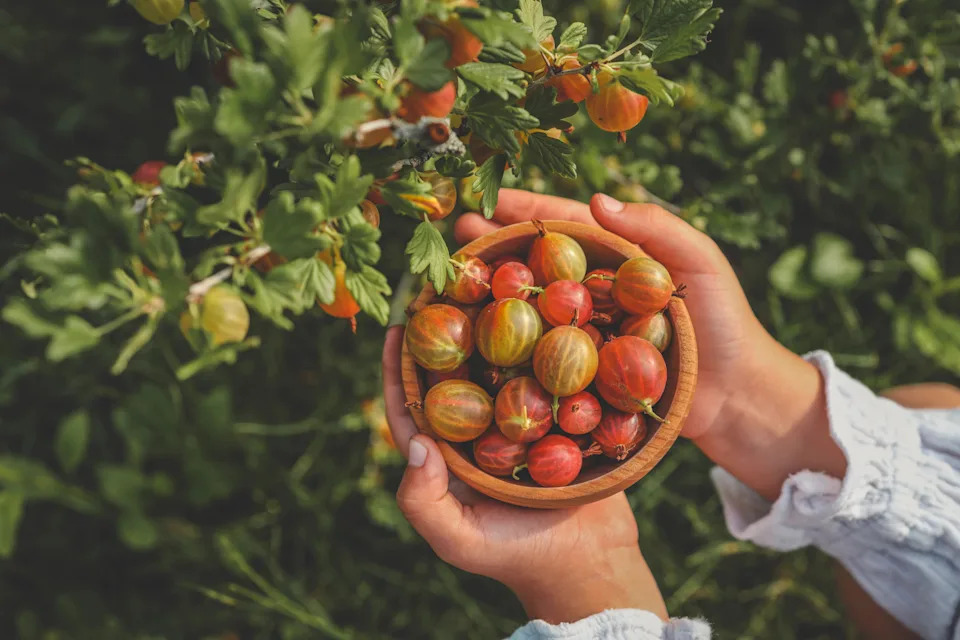
Pruning gooseberries and currants before spring starts can encourage better fruiting.
(Bohdan Bevz via Getty Images)
Soft fruit shrubs are another group that benefits from pruning before spring growth really begins.
“Soft fruit like gooseberries and currants are often overlooked. These plants benefit hugely from a late winter tidy-up,” says Lijee.
The timing matters because plants are still relatively inactive.
“When a plant is dormant, it’s under less stress. Pruning now encourages strong, healthy new shoots once temperatures rise. If you wait until the plant is already putting energy into new growth, you’re effectively wasting that energy and setting it back,” Lijee adds.
Pruning gooseberries and currants now helps improve airflow through the plant and encourages better fruit production later in the season.
While some shrubs benefit from an early cut, others should be left alone for now.
Spring-flowering shrubs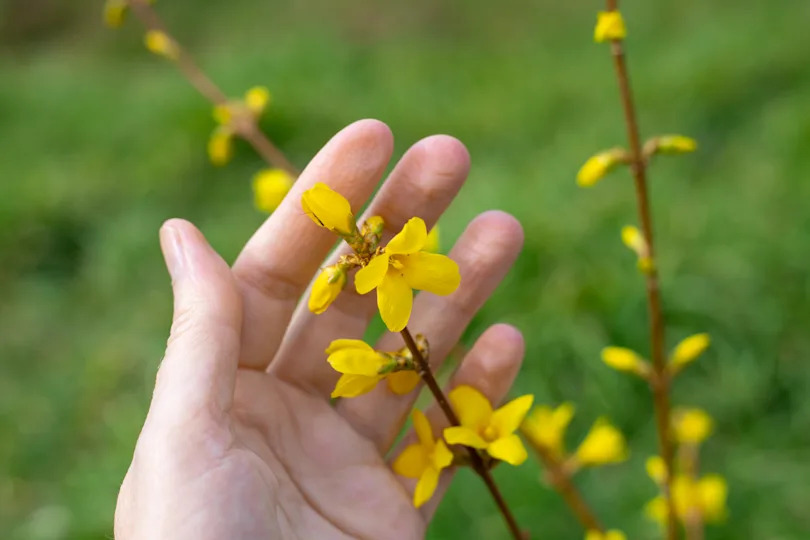
Spring-flowering shrubs like forsythia should be pruned only after they bloom.
(Natalia Kokhanova via Getty Images)
Shrubs that bloom in spring should generally be pruned after they finish flowering, not before.
“While many shrubs can be pruned in spring, there are some that are best left alone at this time of year,” David Glass, head gardener at Bowood Estate tells Yahoo UK.
“Avoid pruning spring and early summer flowering shrubs that have not yet flowered. Many of these bloom on the previous year’s growth, such as Forsythia and Philadelphus.”
Cutting them back too early can remove the buds that would have produced this year’s display.
“As a general rule of thumb, prune shrubs that flower in spring straight after flowering,” he advises.
The RHS also advises delaying pruning of spring-flowering shrubs until after their blooms have finished, otherwise the display for that year may be lost.
Grapevines and certain fruit trees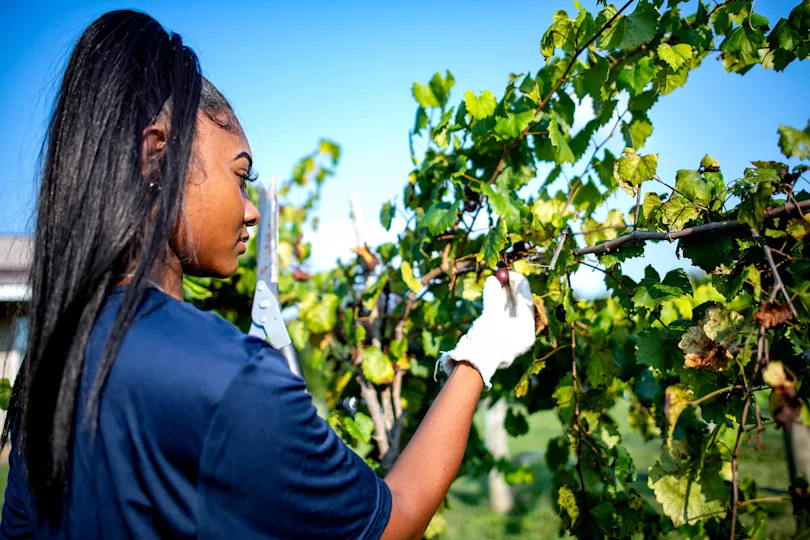
Grapevines are particularly sensitive to pruning at the wrong time of year.
(Visual Vic via Getty Images)
Some fruiting plants are also vulnerable to pruning at the wrong time of year.
“Deciduous trees are another group to avoid pruning now. Apples, for example, are best pruned while they are dormant in winter,” Glass explains.
“Pruning in spring can cause bleeding cuts, which weakens the tree.”
Grapevines are particularly sensitive.
“It is particularly important not to prune grape vines in spring. If pruned outside of mid-winter while they are fully dormant, grapes will bleed heavily from the cuts. Over time, this can significantly weaken the plant.”
Comments are closed.