
Hedgehogs face injuries or death in your garden if you’re not careful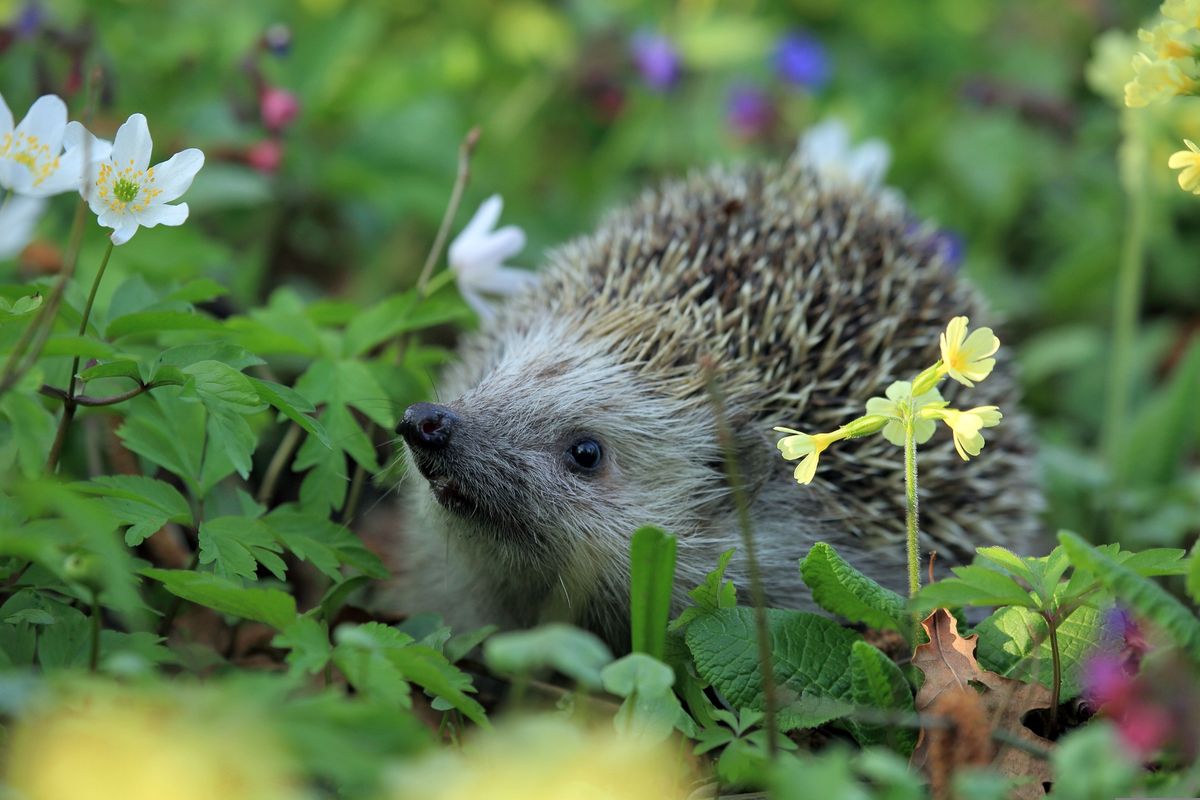
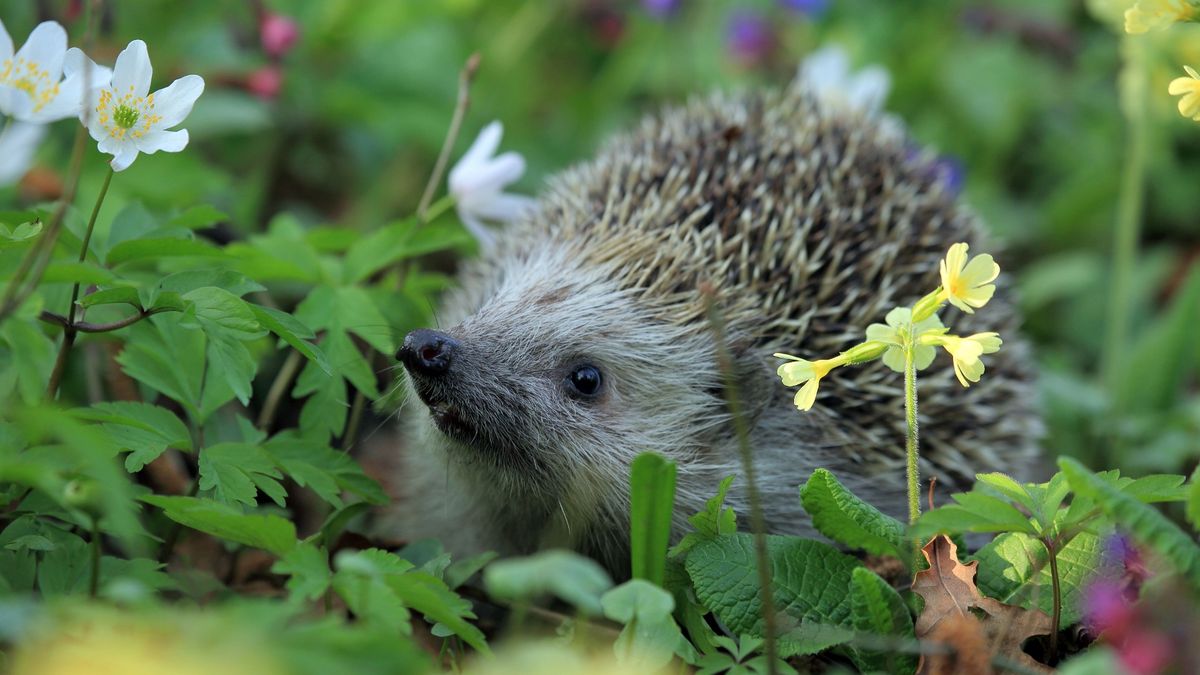
The humble hedgehog is at risk in gardens across the country if some aren’t careful(Image: Getty Images/500px)
As the sun starts to make more of an appearance and the weather starts to warm up, many are tempted to go out and get their gardens in order. However, while we’re itching to get out and tidy up hedgerows, flowerbeds and lawns, there’s one creature that you should keep an eye out for.
The humble hedgehog is a welcome addition to the average garden in the UK, often found sniffing about once the sun sets. However, the critters are fond of resting in long grass, as well as under shrubs or hedgerows.
The unaware gardener could launch straight into strimming back overgrown greenery before taking the time to check that there aren’t any hedgehogs nestled in there. We spoke to Carole Catchpole, founder of Northumbrian Hedgehog Rescue, to understand what can happen if people don’t check their gardens.
She began by saying that “Strimmer injuries to hedgehogs are preventable if a little care is taken prior to starting the work. Just spending a few moments checking an area could prevent a most horrific injury.”
Did you know you can make ChronicleLive a preferred source of North East news in Google, which will mean you get more of our breaking news, exclusives, and must-read stories straight away? Here’s more information about what this means and how to do it – you can also do it straight away by clicking here.
The severity of the injury is no small thing, as “In most cases it is the top of the head which is affected. If the injury is to the head, you can sometimes see the skull below the open wound and that indicates just how deep a strimmer can cut into an animal. Imagine the pain that must cause, though a hedgehog very seldom makes a sound to indicate they are in pain.”
When asked about when many injuries occur, Carole said that “Most strimmer injuries occur during the Spring, Summer & Autumn months. On average, we will get one per week.” As people will go out more and more to tend to their gardens in the coming weeks, the rescue is expecting an influx of injured hedgehogs.
For the injury itself, “it can take several months of treatment and TLC to get the hedgehog back to full fitness & ready to be returned to the wild.” If the hedgehog can’t be treated, then it is euthanised by a vet.
Upcoming months have an added risk to wildlife, as “From April to September, that could well be a female who has a family and, if not there to care for them, they wouldn’t survive. If any injured female comes into our care, we always ask people to check the area for babies & bring them to us.”
Carole offered some advice to gardeners, imploring that “The hedgehog is frequently called the gardener’s friend as he helps to keep our unwanted pests under control. Is it too much to ask we ensure he’s safe from our garden machinery by just spending a few minutes checking an area prior to starting work?”
How can you make your garden hedgehog-friendly?
Carole recommends various steps to encourage more of the prickly wildlife into your garden. An easy step is “leaving piles of leaves and logs to be used as nesting areas for hedgehogs.” One step further is “putting out cat/dog food and water to boost their natural diet and encourage them to come into your garden.”
As people work to improve their gardens ahead of Summer, she offers some advice and precautions for people who work in their green spaces. She states that “Another favourite nesting site is under a shed, which is warm and dry, of course. If someone decides to dismantle the shed, it’s always advisable to check if hedgehogs are living there before taking the flooring away.
“If possible, it would be ideal to leave the shed base intact until the family move on. If not, they should check with a reputable hedgehog rescue as to the best course of action to take before removing the base and disturbing the family.”
Other hazards to be aware of are “soft netting, such as pea supports or tennis/football netting. If raised just 15cm off the ground when not in use a hedgehog can pass underneath and prevent them getting caught, again preventing serious injuries as they struggle to escape.”
If you’re lucky enough to have a pond in your garden, it should have an escape route, such as stepping stones, a ramp, or sloping sides. Hedgehogs can swim, but die in ponds through exhaustion. Try to keep ponds topped up in hot weather and hedgehogs will be less likely to topple in when having a drink. One hedgehog, who hadn’t found the sloping sides of the pond, was found resting on a large lily leaf and was successfully rescued.”
If you happen to stumble on or potentially disturb a hedgehog nest, it’s advised that you “try and replace the nesting material, handling the nest as little as possible, and the hedgehog will either repair the nest or build another elsewhere.”
As hedgehogs begin to pair up in the upcoming months, it’s important to note that “If babies have been abandoned in a nest, you usually see them wandering around on their own or may possibly be making a peeping sound (it sounds like a bird). If there is no sign of Mum the next morning, contact a reputable hedgehog rescue for advice immediately.”
The hedgehog population in the UK has been depleted over the years as cities have overtaken the wild, with the population dropping from 30 million in 1950 to less than 1 million now. If care is not taken, the “gardener’s friend” will soon be absent from our gardens.
Northumbrian Hedgehog Rescue is based in Longframlington, Northumberland, and takes in hedgehogs every day of the year. From illness to injury to hibernation, no creature is turned away.
Carole has been working to help hedgehogs for nearly 3 decades now, and continues to work to keep the critters safe. More information can be found on the rescue’s website if you want to encourage hedgehogs in your garden, and keep them safe.
Comments are closed.