
Credit: Pinrath Phanpradith / Getty Images
Is your yard looking a little bare after winter? Now that spring is here, you can plant fast-growing flowers to fill in the holes in your garden. We’ve gathered a list of vigorous annuals and perennials for planting in pots, hanging baskets, and borders. Within weeks, you’ll have lush growth and vibrant blooms spilling out of your containers and flower beds.
Give your garden a jumpstart on spring and plant a few or all of these fast-growing flowers.
01 of 12
Shasta Daisy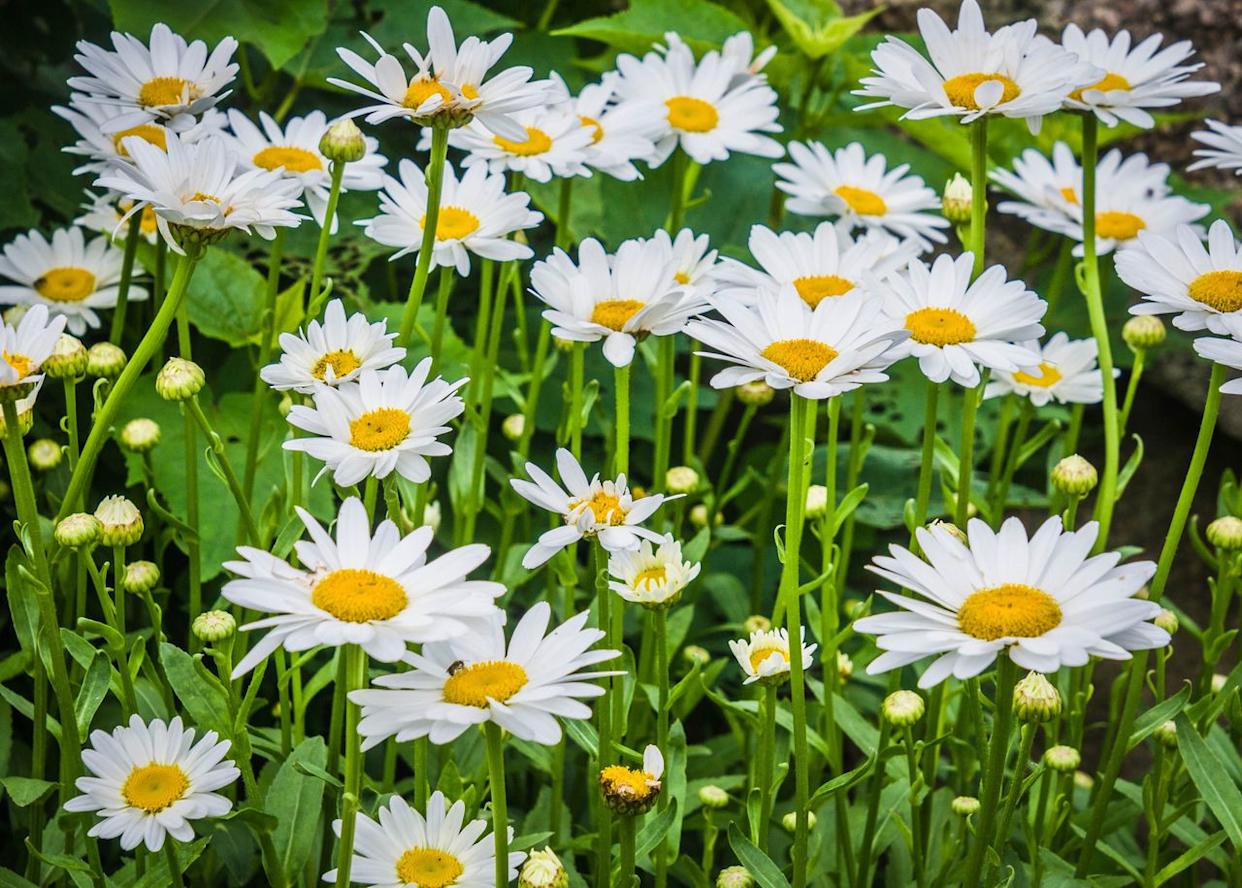
Credit: Getty Images/KenWiedemann
Botanical Name: Leucanthemum × superbum
Sun Exposure: Full sun, partial shade
Soil Type: Moist, well-drained, loamy, clay, sandy
Soil pH: Slightly acidic to neutral (6.0–7.0)
Shasta daisy is a fast-spreading perennial that will fill your garden with flowers in no time. The 2- or 3-foot stems are topped with blooms by late spring. Flowering lasts for months, especially if you deadhead the plants.
Learn More
02 of 12
Bee Balm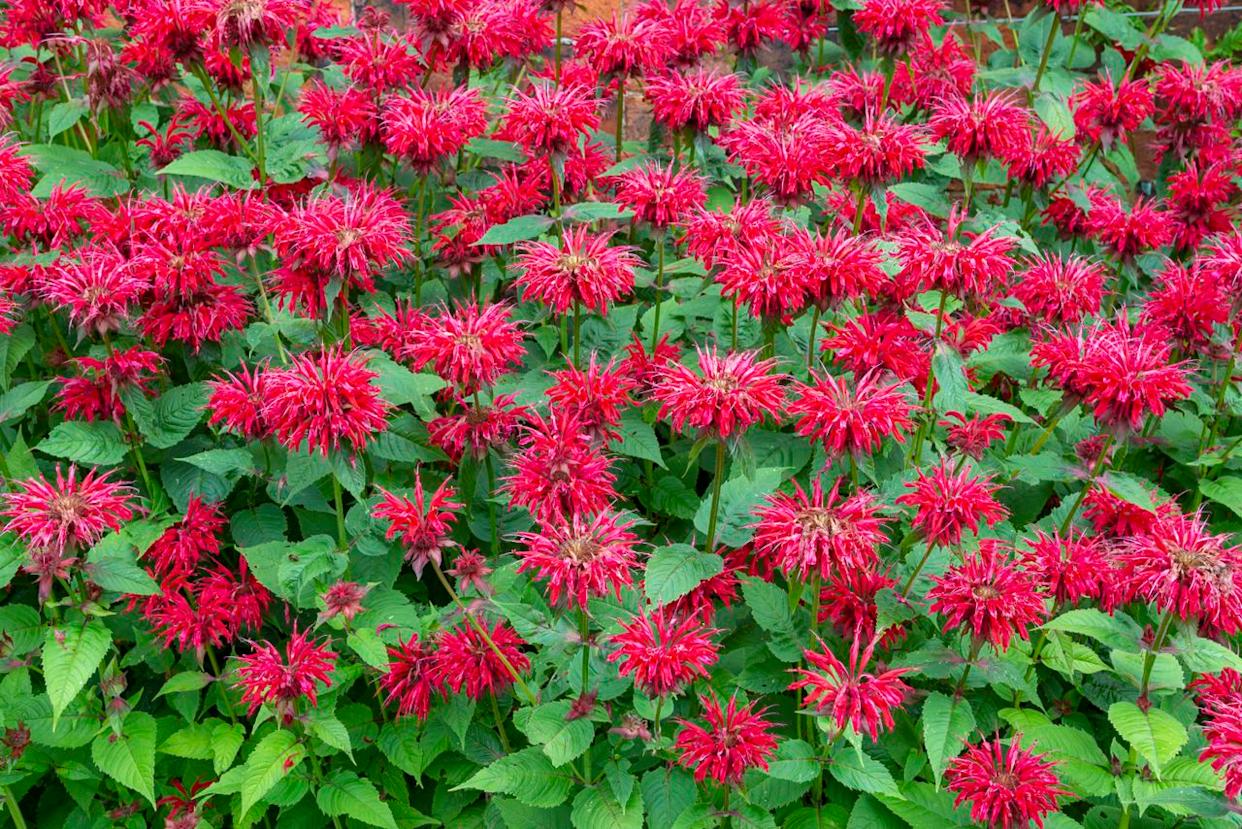
Credit: Getty Images
Botanical Name: Monarda spp.
Soil Type: Moist but well-draining
Soil pH: Slightly acidic (6.0-6.7)
Bee balm is another fast-spreading perennial that you’ll be sharing with friends and neighbors down the line. Some species shoot up to 4 feet tall, but the hybrids are more compact. Depending on the variety, the first flowers appear between May and mid-summer. Some bees do feed on bee balm, but the plant is especially popular with hummingbirds and butterflies.
03 of 12
Zinnias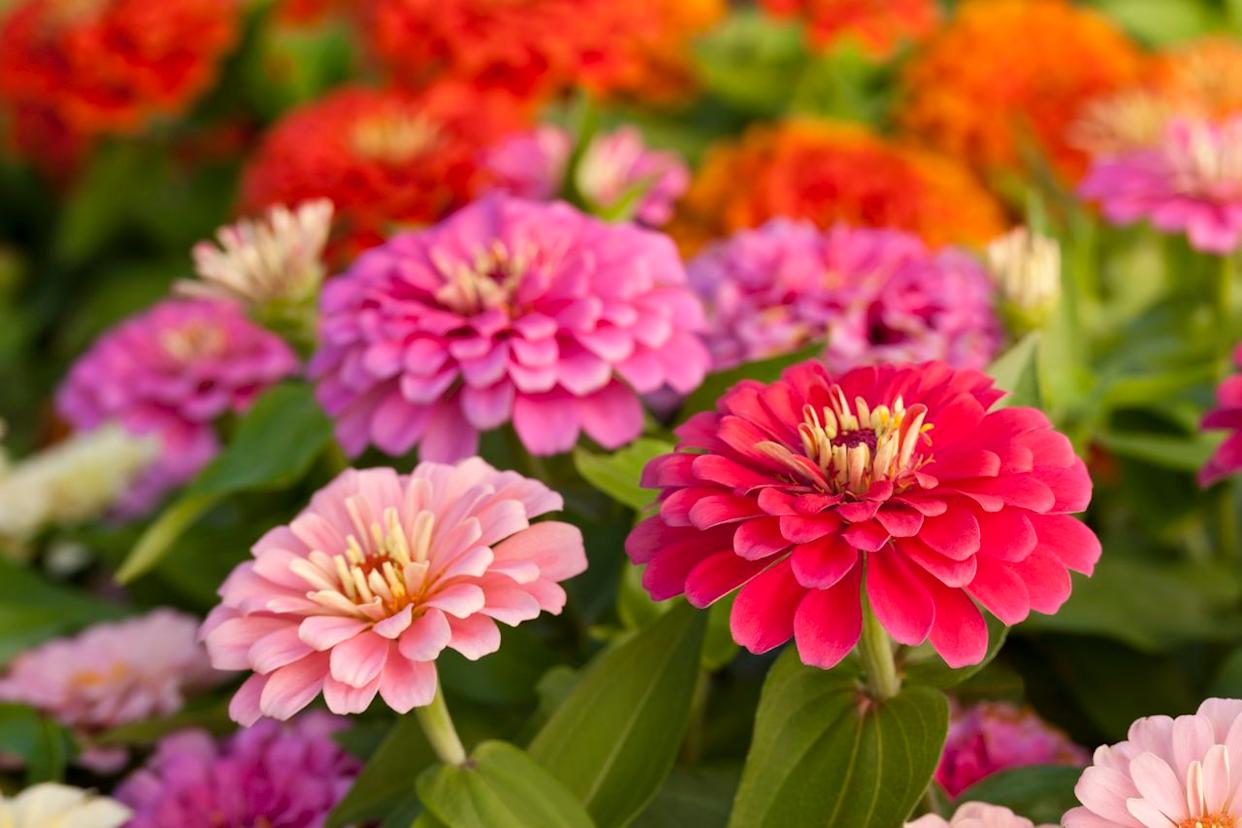
Credit: glennimage/Getty Images
Botanical Name: Zinnia elegans
Soil Type: Well-drained, rich
Soil pH: Acidic to neutral (5.5-7.5)
Zinnias can grow from seed to flower in two to three months, but they’ll bloom even faster if you buy plants from the nursery. While zinnias like warm soil, this isn’t a problem in the South. Plant them in mid or late spring in full sun.
Learn More
04 of 12
Marigolds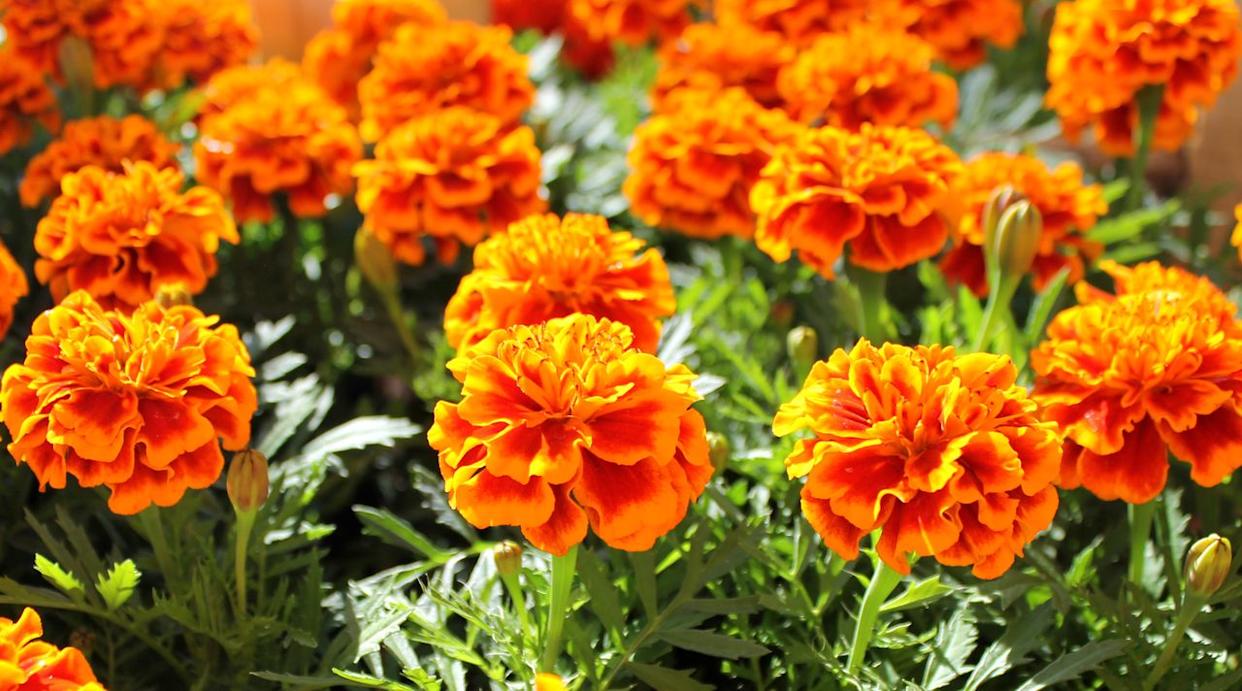
Credit: Shef-time/Getty Images
Botanical Name: Tagetes spp.
Soil pH: Acidic to neutral (6.0-7.0)
Marigolds show up at Southern garden centers after all danger of frost has passed. If you prefer to grow them from seed, get a head start by sowing the seeds indoors—they only take two months to start flowering. With regular deadheading, marigolds grow bushy and bloom up until the first frost.
05 of 12
Calibrachoa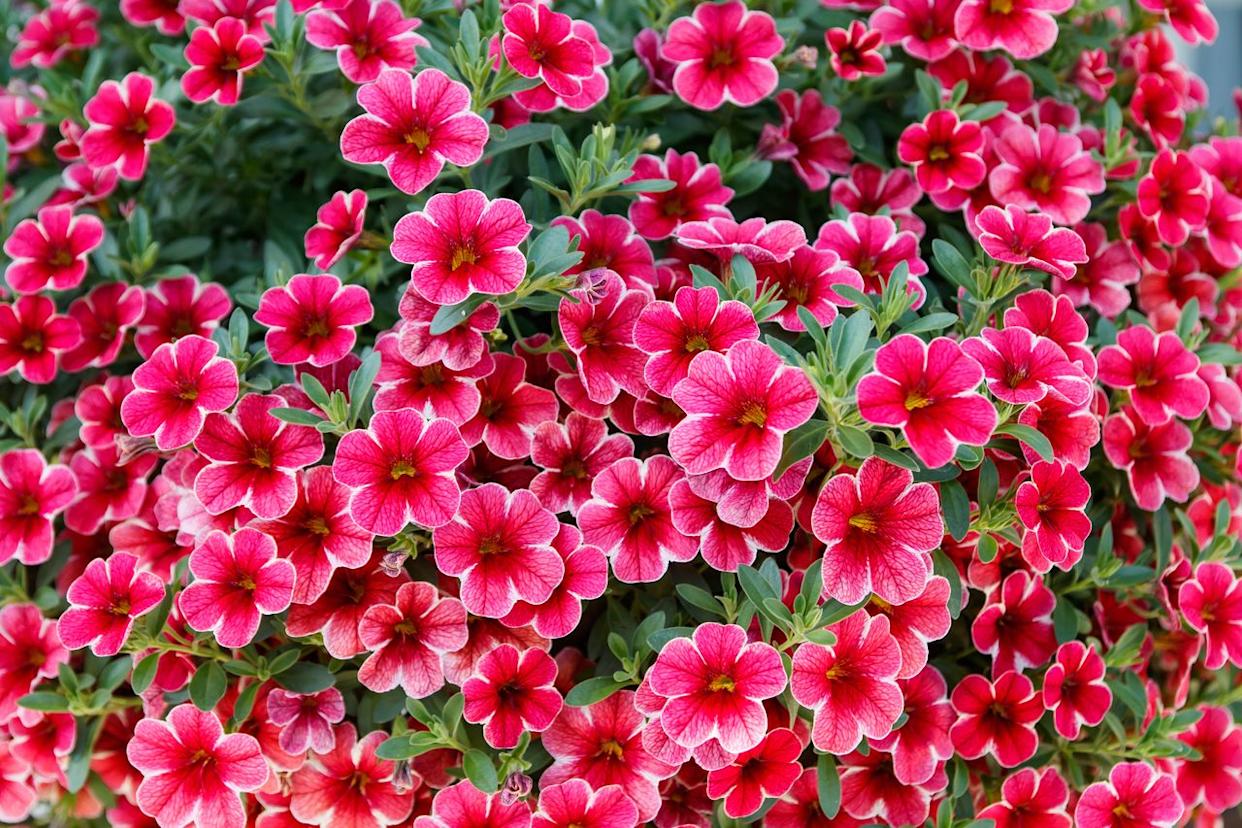
Credit: ElenaNoeva / Getty Images
Botanical Name: Calibrachoa x hybrida
Soil Type: Loamy, organically rich, well-drained but moist
Soil pH: Acidic (5.0-6.5)
Calibrachoa is one of the best spiller plants for containers in the South, but you can also plant it along walls or anywhere it has room to trail. The plants spread to 2 feet wide and continuously bloom from late spring to fall.
06 of 12
Cosmos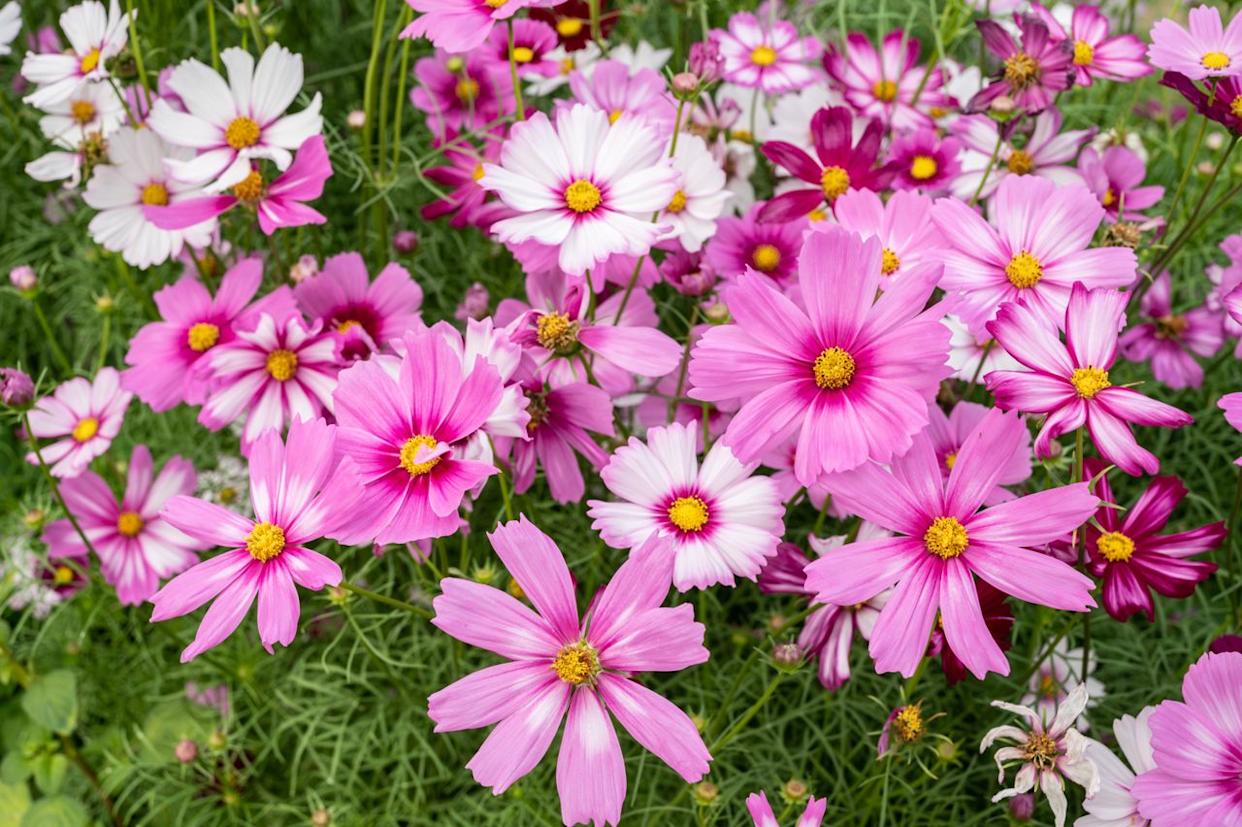
Credit: Getty Images
Botanical Name: Cosmos bipinnatus
Soil Type: Sandy, well-draining
Soil pH: Neutral (7.0-7.5)
Cosmos is a low-maintenance annual that grows quickly and scatters seed widely. Flowers appear after three months if you start cosmos from seed. Pick up plants at the nursery to see blooms by June.
07 of 12
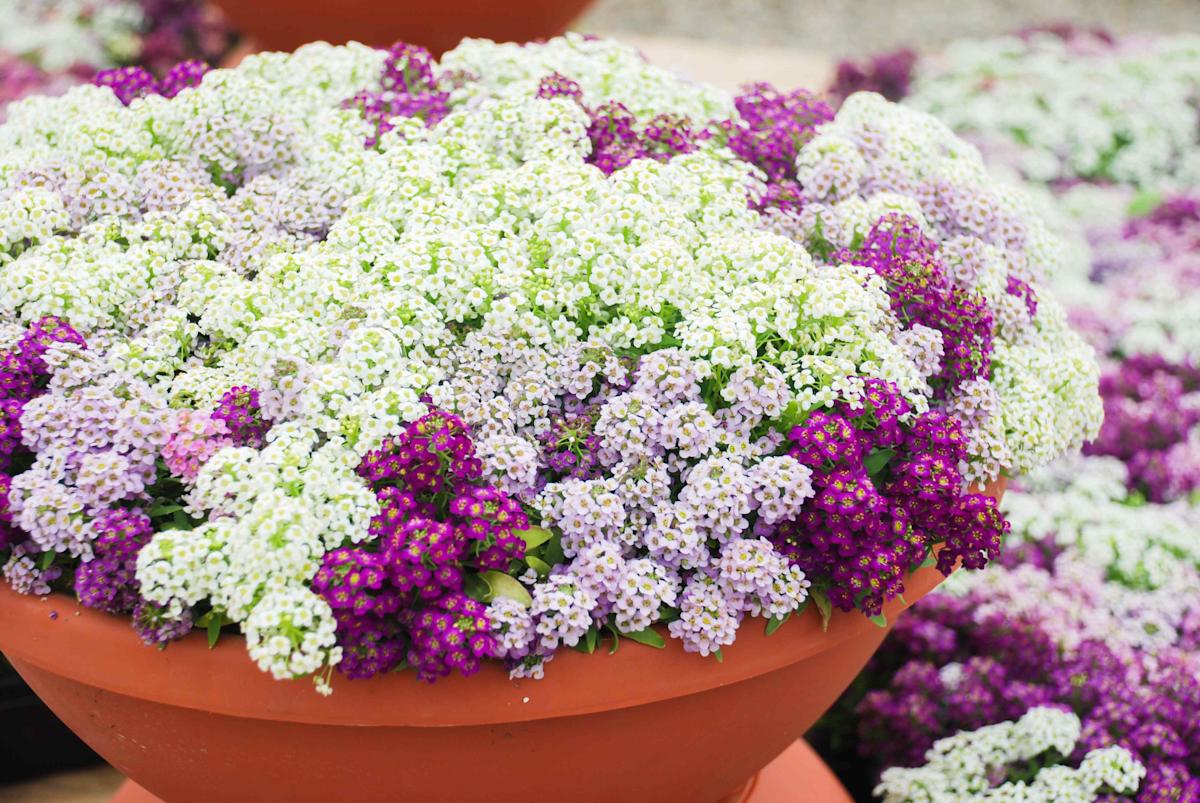
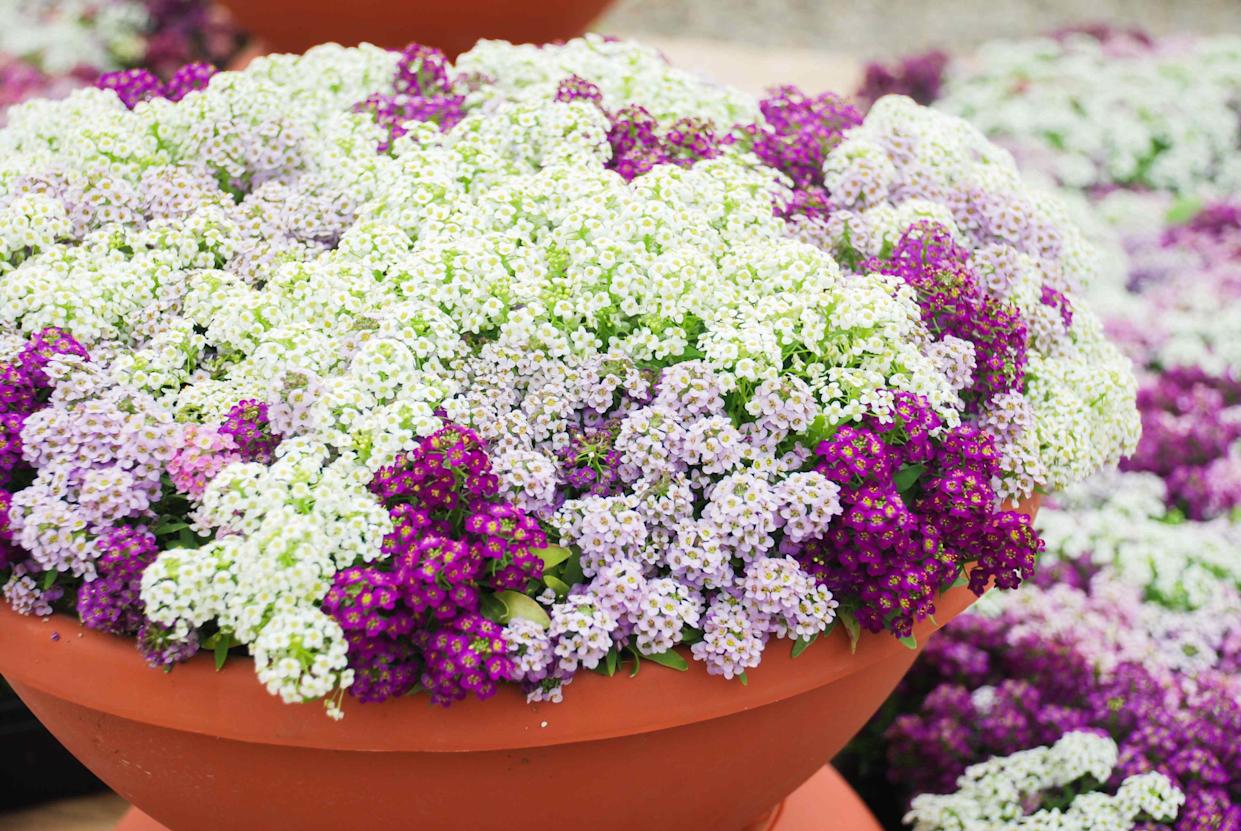
Sweet Alyssum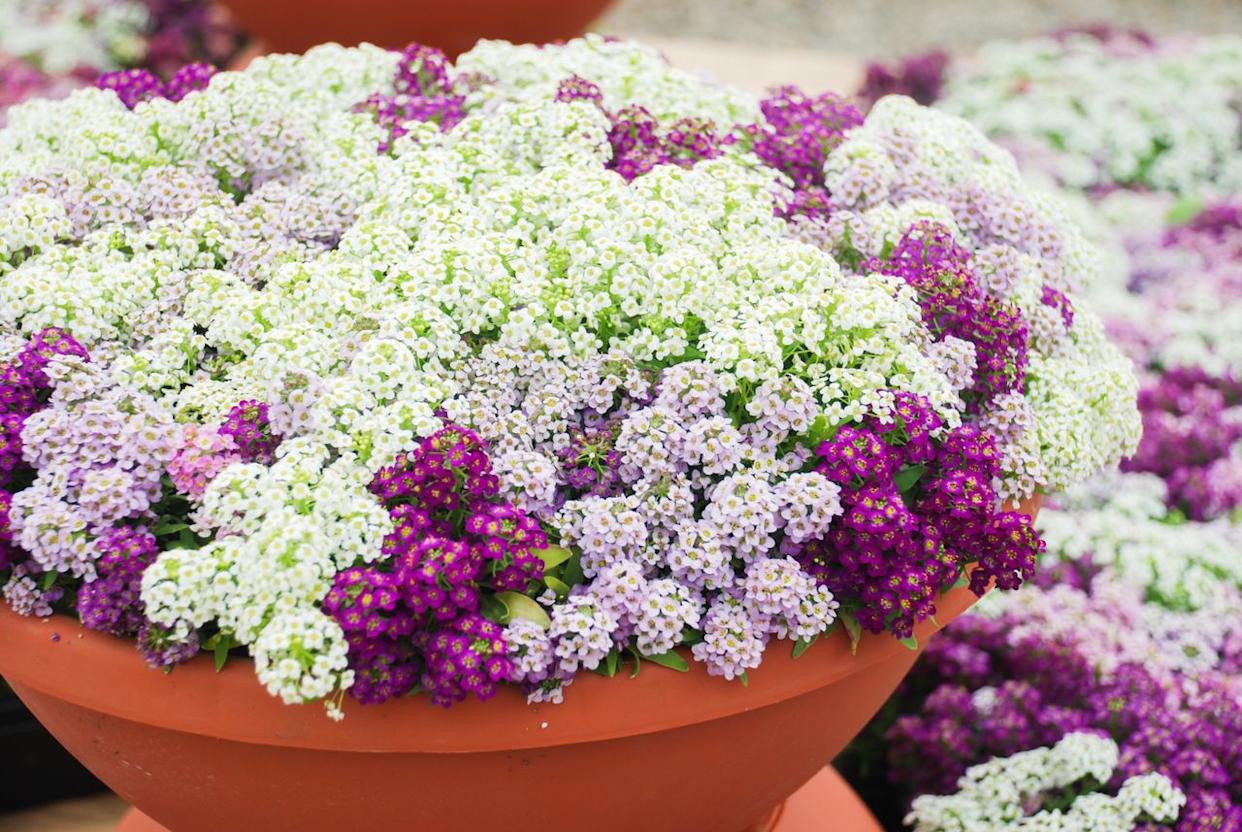
Credit: Pinrath Phanpradith / Getty Images
Botanical Name: Lobularia maritima
Sun Exposure: Full, partial
Soil Type: Moist but well-drained
Soil pH: Acidic, neutral (6.0-7.0)
Sweet alyssum is a sprawling spring bloomer you can plant along walls, between pavers, or at the edge of containers. In cooler zones, the plants will bloom throughout summer. You can plant sweet alyssum in early spring for immediate flowers, or start seeds a few weeks before the last frost. The seeds grow very quickly, producing blooms within two months.
08 of 12
Threadleaf Coreopsis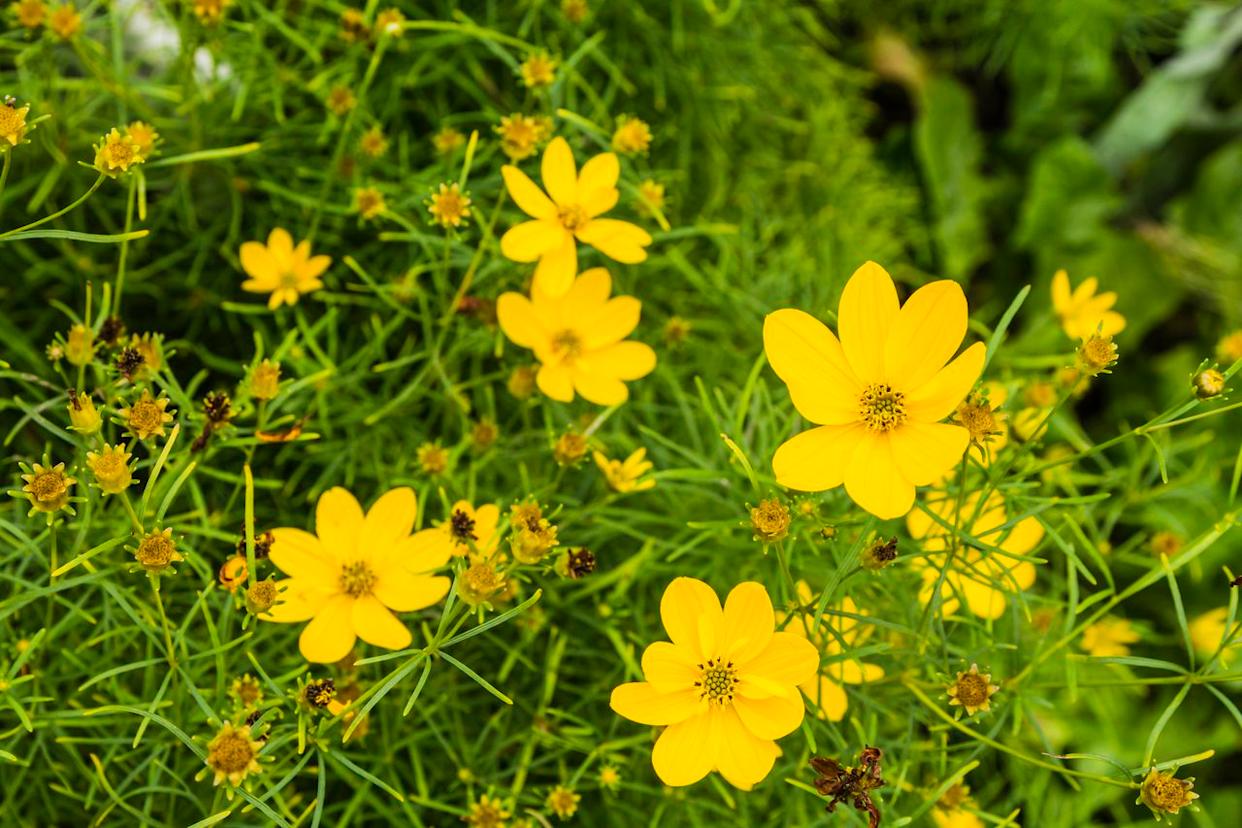
Credit: Getty Images /gubernat
Botanical name: Coreopsis verticillata
Soil type: Sandy, average, well-drained
Soil pH: Acidic, neutral (5.5-7.5)
Threadleaf coreopsis is a spring and summer bloomer that happily spreads in average garden soil. The best-known variety is ‘Moonbeam’, but you can also find other yellow and pink varieties of this native plant. Divide the clumps every three years or so to spread around your garden.
09 of 12
Blue Catmint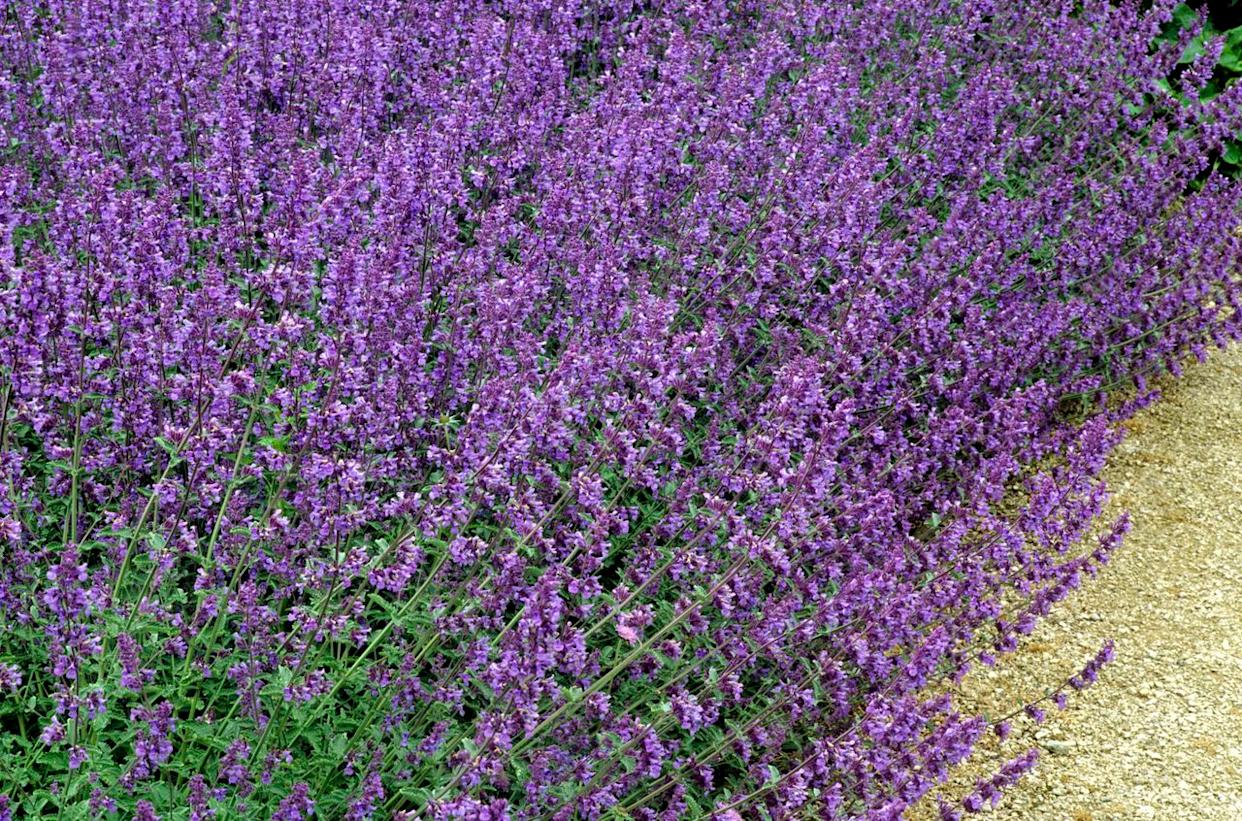
Nepeta racemosa ‘Walker’s Low’ is a popular catmint.
Credit: Neil Holmes/Oxford Scientific/Getty Images
Botanical Name: Nepeta x faassenii
Soil pH: Acidic to alkaline (6.0-8.0)
Blue catmint is a fast-spreading, drought-tolerant perennial often planted along borders. The leaves release a pungent herbal scent when you brush past them. Catmint blooms in late spring and summer, and may give a repeat performance if you shear it.
Learn More
10 of 12
Black-Eyed Susan Vine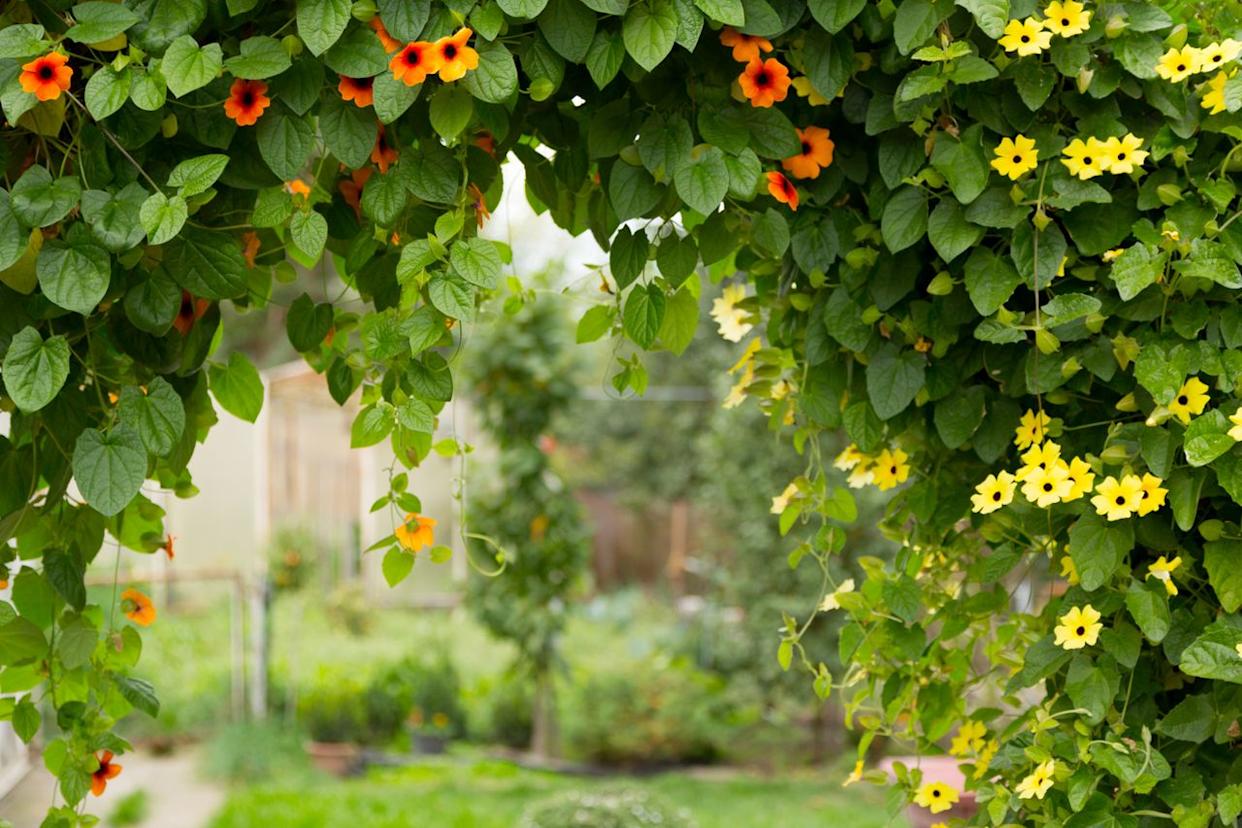
Credit: Getty Images
Botanical Name: Thunbergia alata
Soil Type: Moist, Well-drained
Soil pH: Neutral (6.6-7.7)
Black-eyed Susan vine is a tender perennial usually grown as an annual in the U.S. Plant it in the spring once nights stay above 50 degrees. Before you know it, you’ll have 8-foot vines covered in blossoms all summer long. This plant can be weedy in frost-free climates.
11 of 12
Nasturtium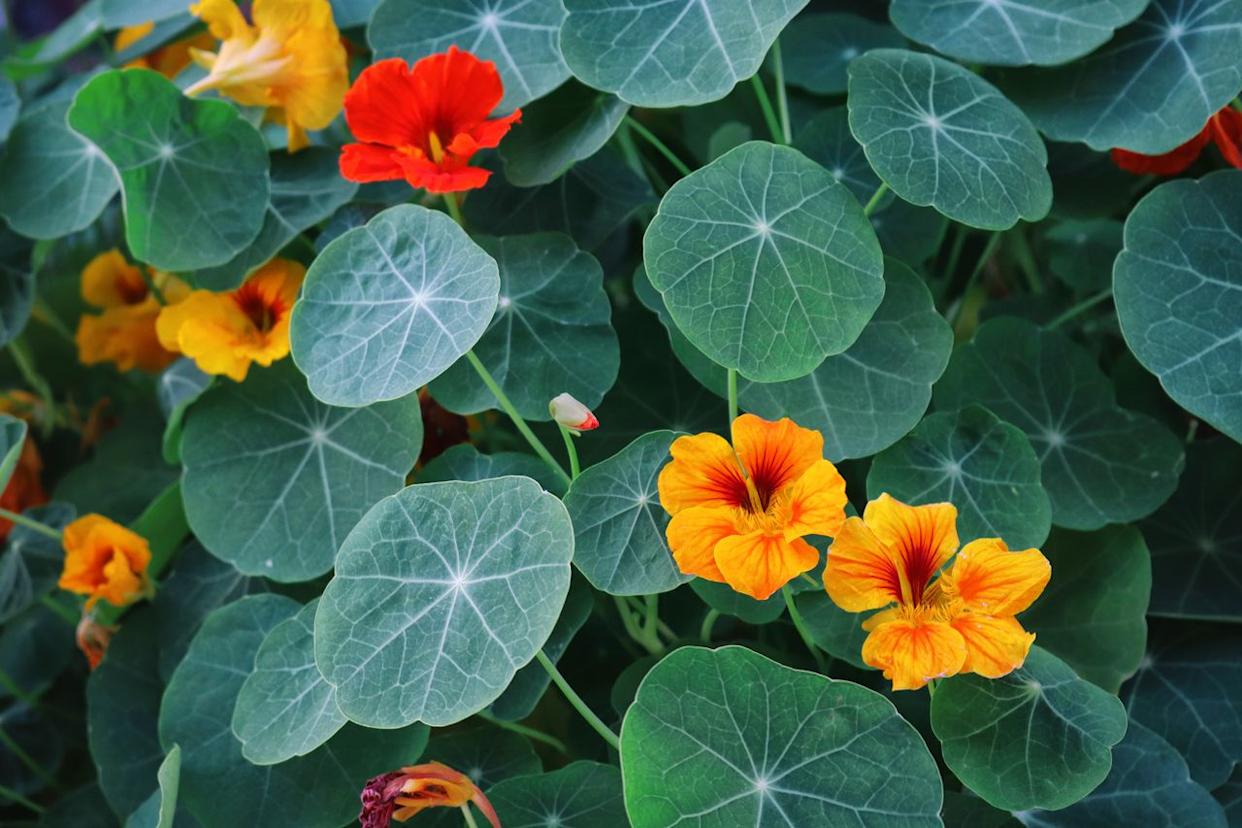
Credit: Katrin Ray Shumakov/Getty Images
Botanical Name: Tropaeolum majus
Soil type: Sandy or average, well-drained, lean soil
Soil pH: Slightly acidic, neutral (6.1-7.8)
Nasturtium is a fast-growing annual that flowers just 60 days after planting seeds. Plant the seeds around the last frost date in spring to give yourself a head start. Nasturtiums like lean, well-draining soil, so you can reuse old potting soil or mix in some sand.
12 of 12
Cannas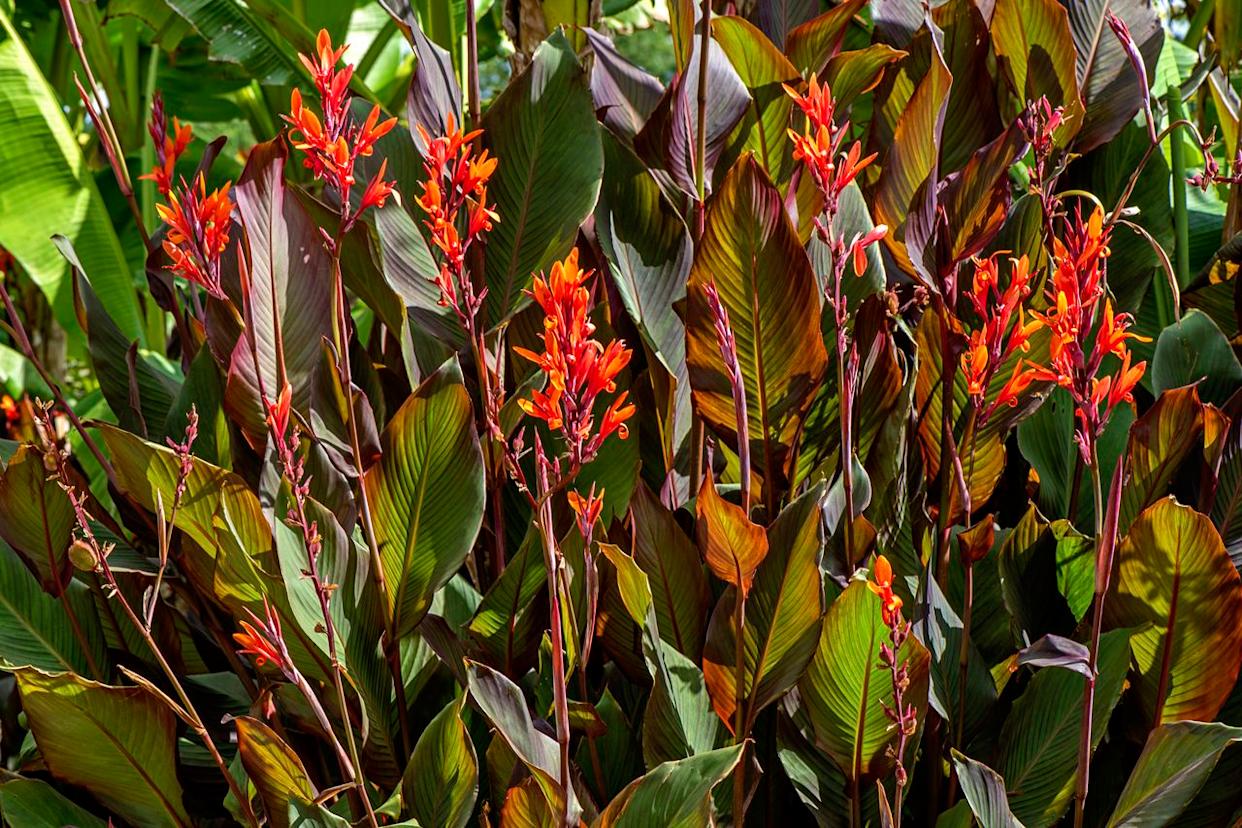
Credit: Jacky Parker Photography / Getty Images
Botanical Name: Canna x generalis
Sun Exposure: Full, partial
Soil pH: Slightly acidic to neutral (6.0-7.0)
So many bulbs hibernate for months before they sprout, but not cannas. You can plant canna rhizomes in the ground in a warm, sunny spot after your last frost in spring. Once cannas wake up, they grow very quickly and bloom all summer and fall. The plants are hardy in USDA Zones 8-10. Give them plenty of space as cannas can spread vigorously.
Learn More
Read the original article on Southern Living
Comments are closed.