
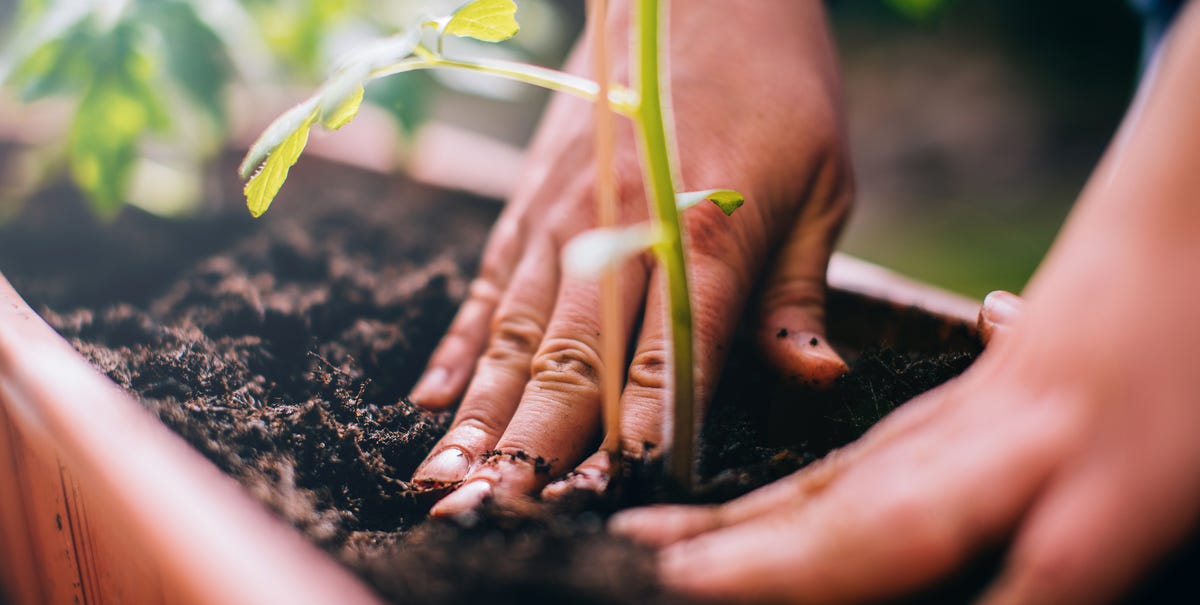
It’s the time of year when gardens begin to stir back into life. Early bulbs are appearing, buds are forming, and there’s a quiet sense that spring is just around the corner – but many borders can still look deceptively bare.
It’s also the point when many gardeners hold back, waiting for the ‘proper’ start of the season before getting stuck in.
According to Ali Lijee, garden expert at TreeMend, that instinct to wait could be exactly what sets your garden back.
‘This is the moment to improve your soil,’ Ali says. ‘Before new shoots take off, before roots start drawing heavily on nutrients, you should be top dressing your borders with compost or organic matter. If you leave it until everything is growing strongly, you’ve missed a key opportunity.’

wulingyun//Getty Images
The common mistake gardeners make
The biggest error Ali sees is leaving soil improvement until planting time.
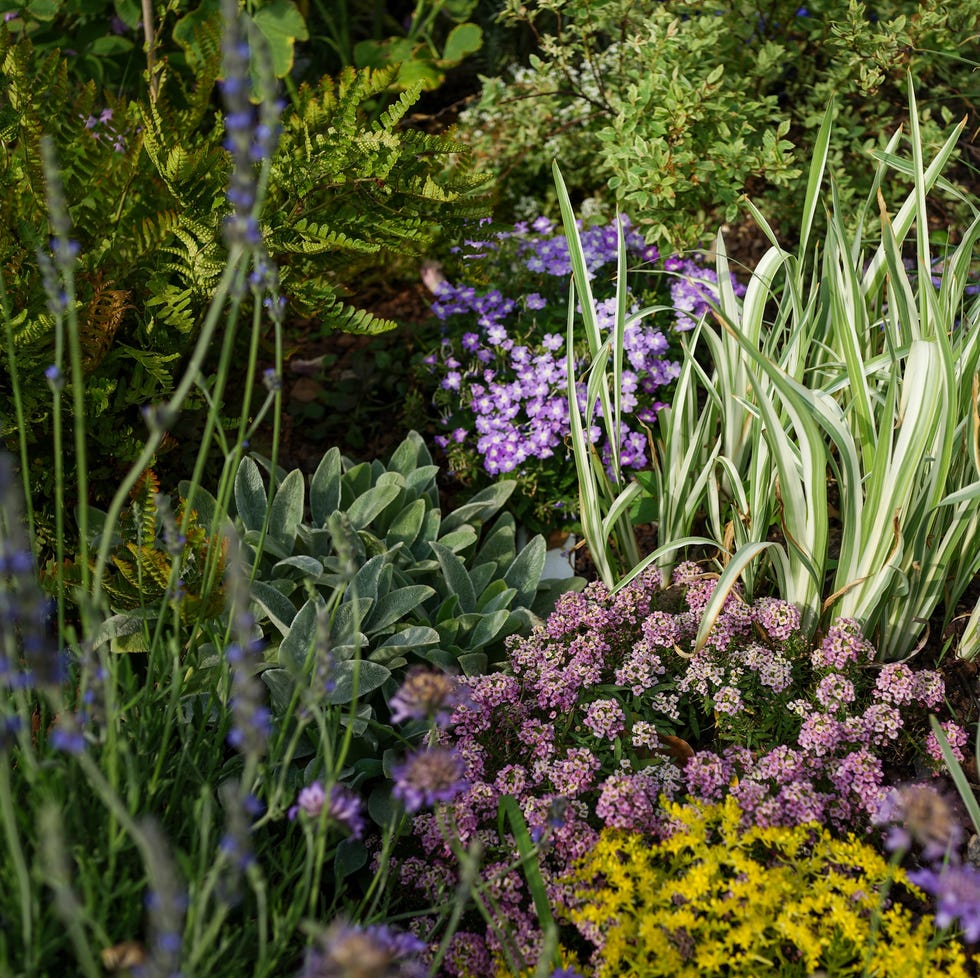
‘People wait until they have bought new plants, then scramble to improve the soil in individual holes,’ he says. ‘That approach only benefits one plant at a time. Top dressing the entire bed now creates a healthier environment across the whole border.’
And while liquid feeds can help later in the season, they’re not a substitute for the basics.
‘Liquid fertilisers can give a quick boost, but they do not improve soil structure,’ Ali says. ‘If your soil is compacted or depleted, you need to address that foundation first.’
Corinna Kern//Getty Images
Why it’s all about top dressing soil
Ali says it’s easy to focus on what’s happening above ground – trimming, planting, and rearranging borders – while ignoring what’s happening beneath.
‘People get excited about new plants and flowers, which is understandable,’ he says. ‘But healthy soil is what creates healthy plants. If your soil is tired, compacted or low in nutrients, you will always be fighting an uphill battle.’
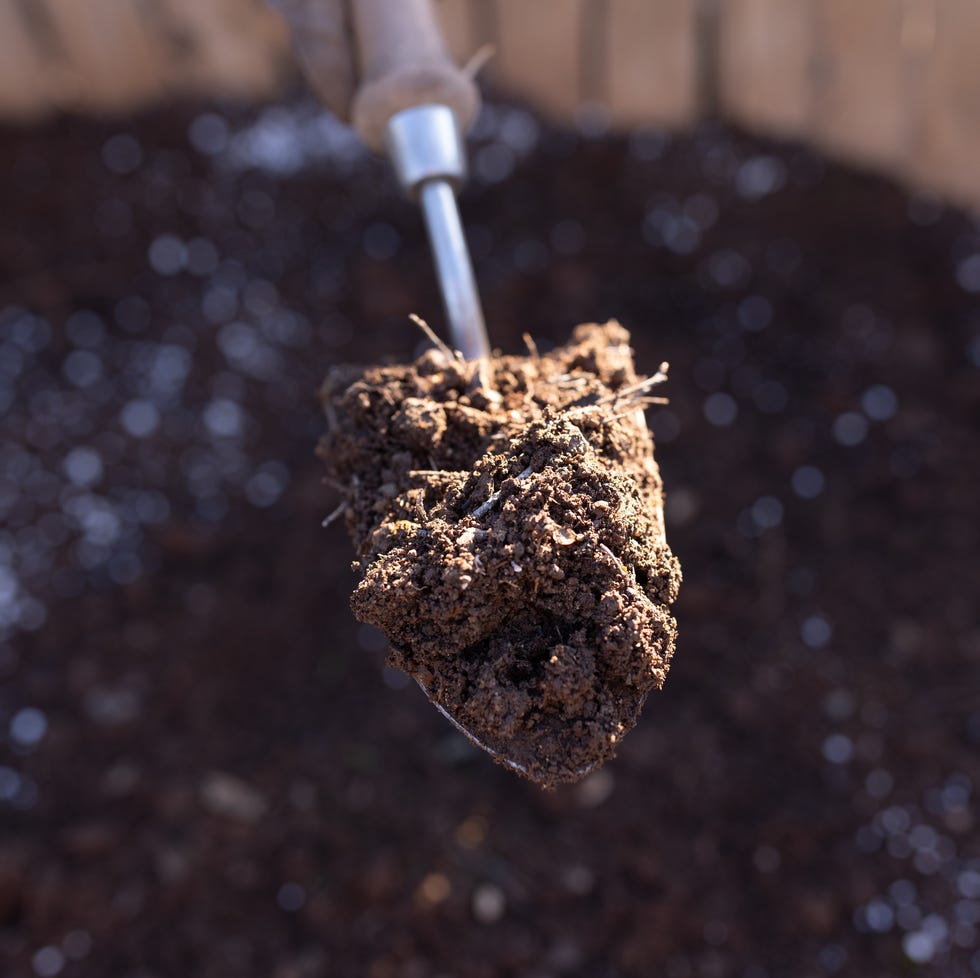
Top dressing, he explains, is simply spreading a layer of compost, well-rotted manure or other organic material over the surface of beds and borders.
‘It does not need to be complicated,’ Ali says. ‘A layer of two to five centimetres of good quality compost worked gently into the surface is enough. You are feeding the soil, not just the plant.’

Sergiy Trofimov Photography//Getty Images
Timing is vital
The reason Ali is so firm on doing it now comes down to what plants are about to do next.
‘Late winter into early spring is ideal because plants are just about to wake up,’ he says. ‘Their roots will soon be searching for nutrients. By top dressing now, you are making sure those nutrients are right where they need to be.’
He also explains that the job becomes far trickier once plants begin to put on new growth.
‘Once plants are actively growing, it becomes harder to work around them without damaging new shoots. Doing this job now is simply easier and more effective,’ Ali says.
The benefits
Ali says improving your soil at this time of year offers three key benefits for the season ahead.
‘First, you are replenishing nutrients that were used up last season,’ he explains, noting that flowering plants, shrubs and vegetables all take a lot from the soil.
Adding organic matter also improves soil structure, helping break up heavy clay for better drainage and airflow while allowing sandy soils to retain moisture – a balance that becomes especially important as summer approaches.
Finally, compost helps soil hold onto water, acting ‘like a sponge’, which can protect young plants during increasingly unpredictable spring weather.
Varsha Markandasamy / 500px//Getty Images
Compost, manure or grit: what should you use?
Ali says the best choice depends on what your garden needs.
‘For most borders, a peat-free garden compost or well-rotted manure is ideal,’ he explains. ‘Manure is particularly good for hungry plants like roses and dahlias, as it provides a slow release of nutrients.
‘In heavy clay soil, adding horticultural grit alongside compost can improve drainage significantly. But grit alone is not enough. You still need organic matter to feed soil life. Worms, microbes and fungi all contribute to plant health. Organic matter supports that ecosystem, which in turn supports your garden.’
He also advises against aggressive digging at this time of year.
‘There is no need to double-dig established borders every spring,’ he says. ‘A gentle fork through the top layer is enough. You do not want to disturb plant roots unnecessarily.’
Follow House Beautiful on Instagram, TikTok and Pinterest
The Garden Edit 2 Pack Striped Outdoor Seat Pads
 Marcy 2-Seater Sling Garden Sofa, GreigeCredit: John Lewis
 Natural Scalloped Rattan Outdoor Table LampCredit: Next
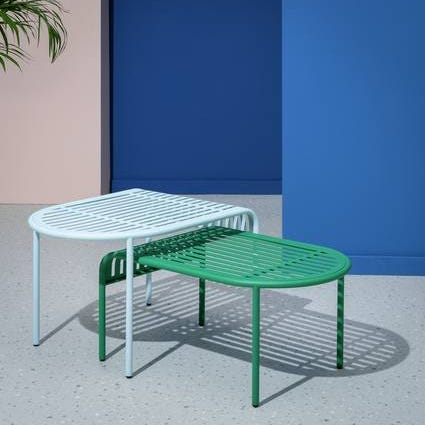 Habitat 60 Lucinda Metal Nesting Garden Tables – Blue & Green
Now 30% Off
Credit: Habitat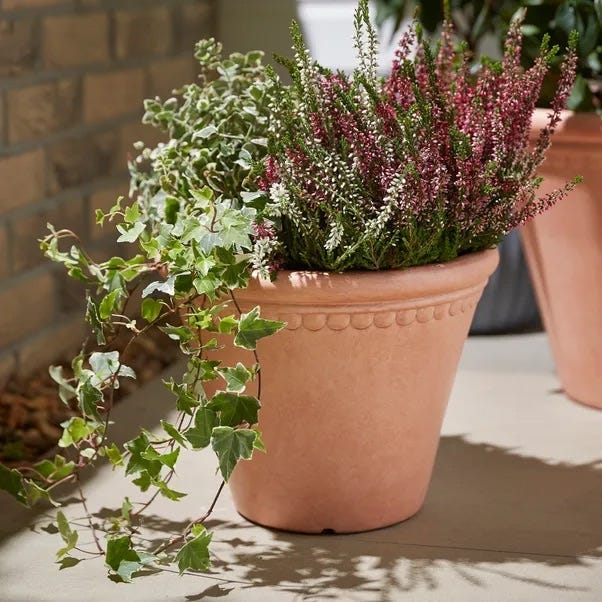 Scalloped Edge Smooth Fibre Clay Plant PotCredit: Dunelm
 Garden Trading Rive Droite Bistro Set Large Thistle Green
Now 20% Off
Credit: Garden Trading
Comments are closed.