
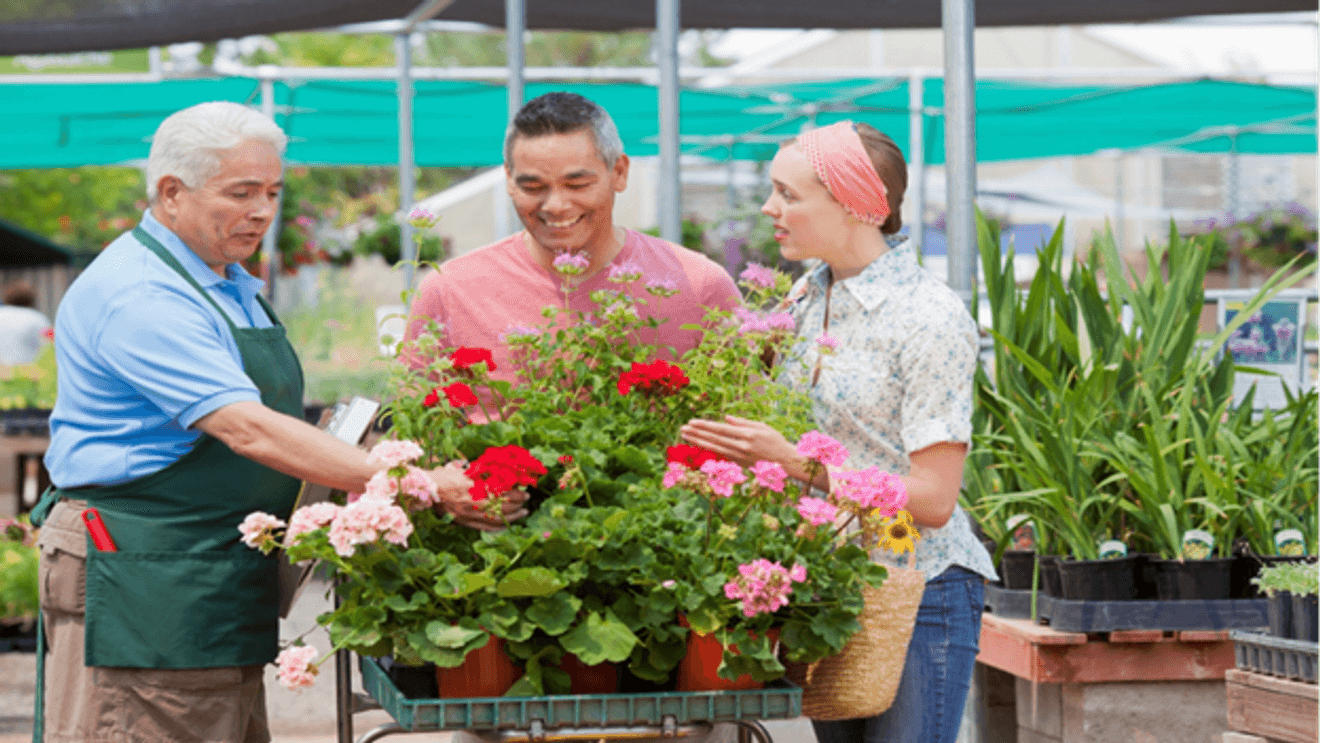
There’s something hopeful about turning over fresh soil in spring. In South Central Pennsylvania, gardeners are lucky—the gardening season stretches across early spring, late spring, summer, and even summer–fall. With a little planning, any gardener can harvest fresh food for months.
Many people dream about walking outside and picking dinner from a backyard garden. KEEP READING — because vegetable gardening might be easier (and more fun) than many think.
In South Central Pennsylvania, gardeners enjoy not just one gardening season — but several: early spring, late spring, summer, and summer–fall. That means months of fresh lettuce, juicy tomatoes, crisp cucumbers, and maybe even kale harvested after the first frost.
The region is now in Hardiness Zone 7a, with the last frost typically between April 1–15 and the first frost around mid-to-late October. Many gardeners use Mother’s Day as a safe planting benchmark. Anyone wanting to double-check a specific location can visit the USDA Hardiness Map and review exact frost dates.
Start with the right season
Early spring (mid-March through May) is perfect for cool-loving crops like lettuce, peas, spinach, radishes, carrots, and Swiss chard. These crops thrive on chilly mornings and don’t mind a light frost.
When warmer weather arrives in early June, it’s time for the garden superstars: tomatoes, peppers, cucumbers, melons, squash, eggplant, and corn.
Here’s a fun trick seasoned gardeners swear by: succession planting. Instead of planting all the lettuce at once, sowing a small row every few weeks ensures a steady harvest—one head at a time instead of giving away extras by the dozen.
What should you grow?
Starting simple helps build confidence. Easy, reliable vegetables include cucumbers, squash, tomatoes, peppers, herbs, lettuce, peas, beans, and kale. Carrots, onions, and beets are doable — but require consistent weeding.
For gardening with kids, peas, cherry tomatoes, strawberries, and beans are great choices — all easy to pick and snack on.
Anyone dreaming of homemade pasta sauce can focus on high-producing tomatoes, plus basil, oregano, and thyme for full flavor.
Some vegetables (like tomatoes and peppers) are planted once per season. Others — like lettuce, beans, radishes, carrots, and cucumbers — can be planted repeatedly for continuous harvest. More planting = more picking.
Pick your garden style
No yard? No problem.
Container gardening works beautifully on patios and decks. It’s flexible and decorative — but requires frequent watering and fertilizing. Pots should have drainage holes, and larger containers (18–24 inches deep) work best for crops like tomatoes.
Raised beds are neat, easier on the back, and great for gardeners who want more soil control.
In-ground gardens are adaptable and often need less watering since roots can grow deeper.
Whichever style is chosen, sunlight is key — aim for 6–8 hours daily for best results.
Seeds or transplants?
Starting from seed offers access to unique varieties and is budget-friendly — but requires proper lighting (a sunny window isn’t enough) and good timing. Starting too early can lead to weak, leggy plants.
For beginners, transplants are often the easiest path to success. They provide a jump start, stronger growth, and less weed pressure.
Ashcombe offers a large selection of seeds beginning in March, along with homegrown vegetable plants starting in April — all supported by expert guidance from the team.
Weekly garden love
Gardening isn’t “plant it and forget it.” Plan for 1–2 hours per week during peak season. Water deeply but less often; check soil moisture before watering; mulch to retain moisture; and weed early before problems multiply.
At season’s end, remove old plants (especially tomatoes and peppers), add compost, rotate crops, and take notes for next year.
Ready to pick your plants?
Choosing the right plants can make all the difference. Whether a gardener is looking for kid-friendly picks, high-yield producers, or compact container varieties, Ashcombe’s curated plant lists offer plenty of inspiration.
Vegetable gardening isn’t just about growing food — it’s about growing confidence. And when a gardener harvests that first tomato warm from the sun, there’s nothing better.
Make a day of it at Ashcombe! Visitors can stroll through the display gardens, grab lunch at the Country Café, visit Pickles, Boston, Pepper, and Poppy — the resident greenhouse cats — and explore everything the season has to offer. There’s something for everyone — young and old.
Let’s grow.
Preparing for spring planting? Visit www.ashcombe.com for more gardening tips.
This article is sponsored by Ashcombe.
Comments are closed.