
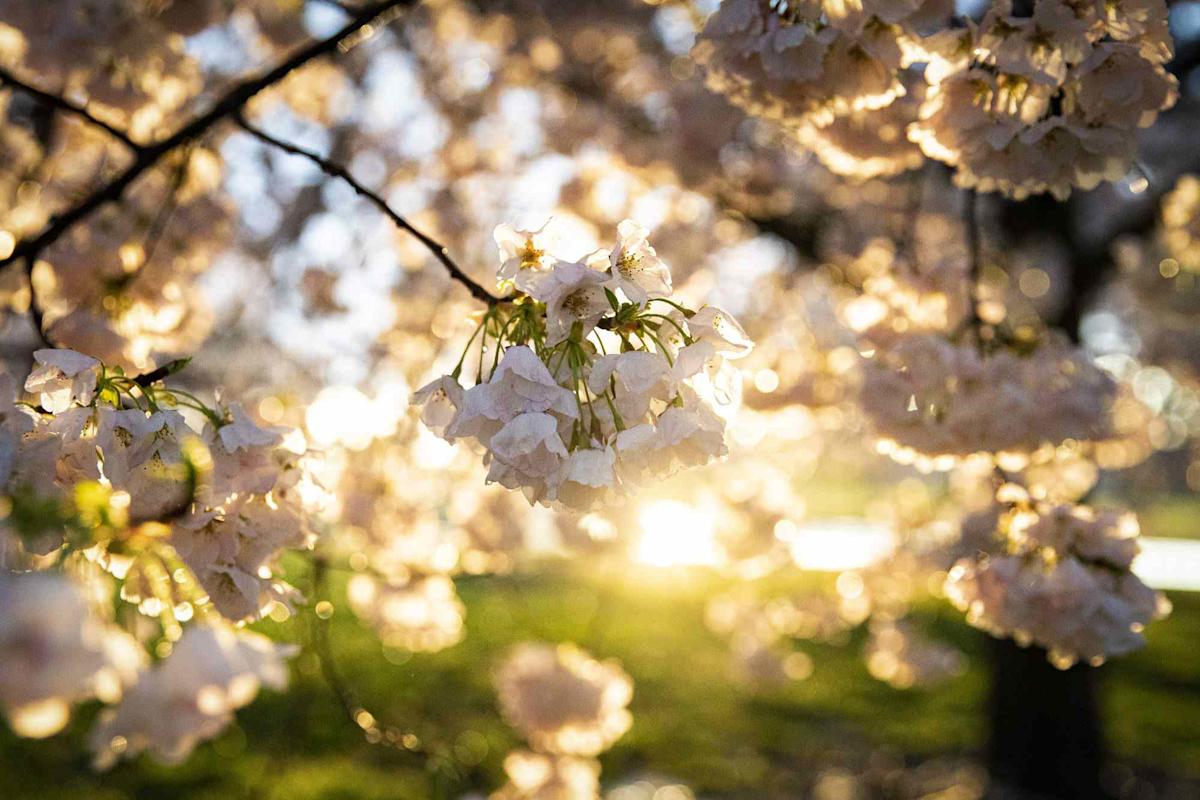

Credit: Al Drago / Getty Images
Before planting a new tree, one thing you should consider as a homeowner is determining how tall and wide it will grow. Oversized trees are not suitable for backyards or front yards. They hide windows, block driveways, crack sidewalks, ruin lawns, and can even fall on your home during a storm.
There are plenty of smaller trees to choose from that beautify your yard and win compliments from neighbors. Arranged by bloom season, here are some of the best tree options for small yards.
Summer BloomsJapanese Maple
Credit: Ralph Anderson
Botanical Name: Acer palmatum
Sun Exposure: Full, partial
Soil Type: Moist, well-drained
Soil pH: Acidic (5.5 to 6.5)
When someone says, “I need a small tree for a small space,” my first thought is always of Japanese maples. Why? These slow-growing trees are reliable, come in an astounding variety of shapes, sizes, and colors, and offer vivid bright scarlet, crimson, orange, and yellow fall foliage. Most reach a height of 15 feet or less and take a long while to get there. Consider ‘Bloodgood’ (15 feet tall), ‘Crimson Queen’ (four to six feet), ‘Emperor 1’ (15 feet), and ‘Fireglow’ (12 feet). Japanese maples grow best in USDA zones 5-8.
Fringe Tree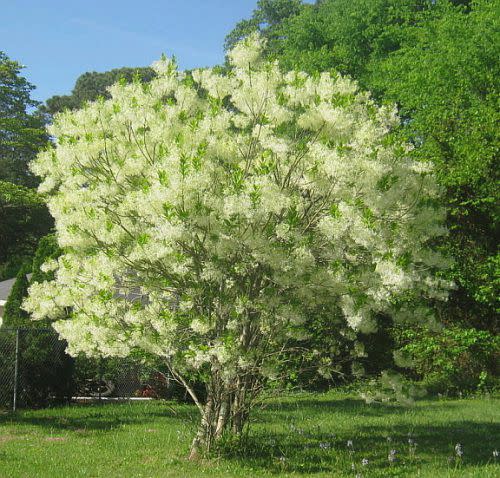
Credit: Steve Bender
Botanical Name: Chionanthus virginicus
Sun Exposure: Full, partial
Soil Type: Clay, loamy, well-drained, moist
Soil pH: Acidic (6.0 to 6.5)
This lovely native tree, offering fleecy, white flowers in spring and bright yellow fall foliage, makes a good substitute for a flowering dogwood if your yard doesn’t support those trees. Also known as ‘Grancy Graybeard,’ fringe trees grow about 15 feet tall and wide. In colder climates, these trees appear more like shrubs. In the South, it’s pest-free but susceptible to emerald ash borer, a beetle that feeds on species of ash trees. Fringe trees are hardy in USDA zones 3-9.
Summer To Fall BloomsShorter Crepe Myrtles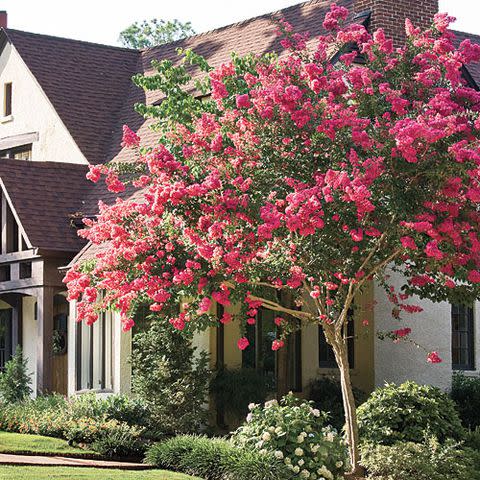
Credit: Southern Living
Botanical Name: Lagerstroemia indica
Soil Type: Clay, sandy, well-drained, moist
Soil pH: Acidic (6.0 to 6.5)
Instead of planting the very tall ‘Natchez’ crepe myrtle, try a shorter crepe myrtle as an alternative. That way, you won’t have to trim branches later. Some varieties include ‘Acoma’ (white flowers, six to 10 feet tall), ‘Early Bird’ (white or purple, six to eight feet), ‘Siren Red’ (dark red, eight to 10 feet tall), ‘Velma’s Royal Delight’ (rich purple, four to six feet), and ‘Zuni’ (lavender, six to 10 feet). Crepe myrtles are hardy in USDA zones 6-9.
Chaste Tree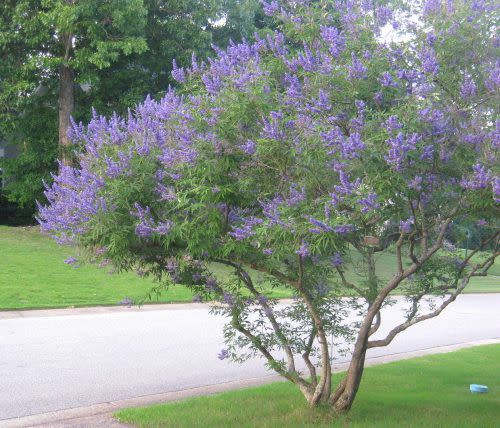
Credit: Steve Bender
Botanical Name: Vitex agnus-castus
Soil Type: Loose, well-drained
Soil pH: Acidic to neutral (6.0 to 7.0)
A chaste tree is one of the few that presents a show-stopping blue or purple flower in summer. These trees need pruning in the winter to remove the internal twigs and let the sculptural trunks show. It blooms on new growth, so winter pruning is good for it. Remove the first wave of flowers to see the second wave of blooms in August or September after the initial colors fade. Chaste trees are winter-hardy in USDA zones 6-9. In zones 5 and 6, it may die back to the ground in the winter and regrow in the spring.
Fall BloomsWitch Hazel
Credit: Getty Images
Botanical Name: Hamamelis spp.
Sun Exposure: Full, partial
Soil Type: Well-drained, moist, loamy, rich, sandy
Soil pH: Acidic to alkaline (5.0 to 7.4)
Known for its medicinal purposes, witch hazel, aka winterbloom, thrives mainly in sunlight with moist soil but is forgiving of most growing conditions. Witch hazel matures into shapely shrubs that bloom annually. This maintenance-free option grows to a height of 20 feet with a similar width. It has brilliant autumn foliage as well as yellow-orange blooms. The species is hardy in USDA zones 3-9.
Powder Puff Tree
Botanical Name: Calliandra haematocephala
Sun Exposure: Full, partial
Soil Type: Well-drained, moist, fertile
Soil pH: Acidic to alkaline (6.0 to 7.5)
These trees are excellent for warmer climates (USDA zones 9-11) and have multiple blooms throughout the year. As one of the trees that bloom in fall and winter, this tree’s leaves emerge a shade of pink and evolve to a darker green and sprout flower heads. The size of the powder puff tree can be controlled by continuous trimming, even by moving them to an indoor location to avoid harsh winter climates. Trims also help contain the dense shape.
Spring BloomsServiceberry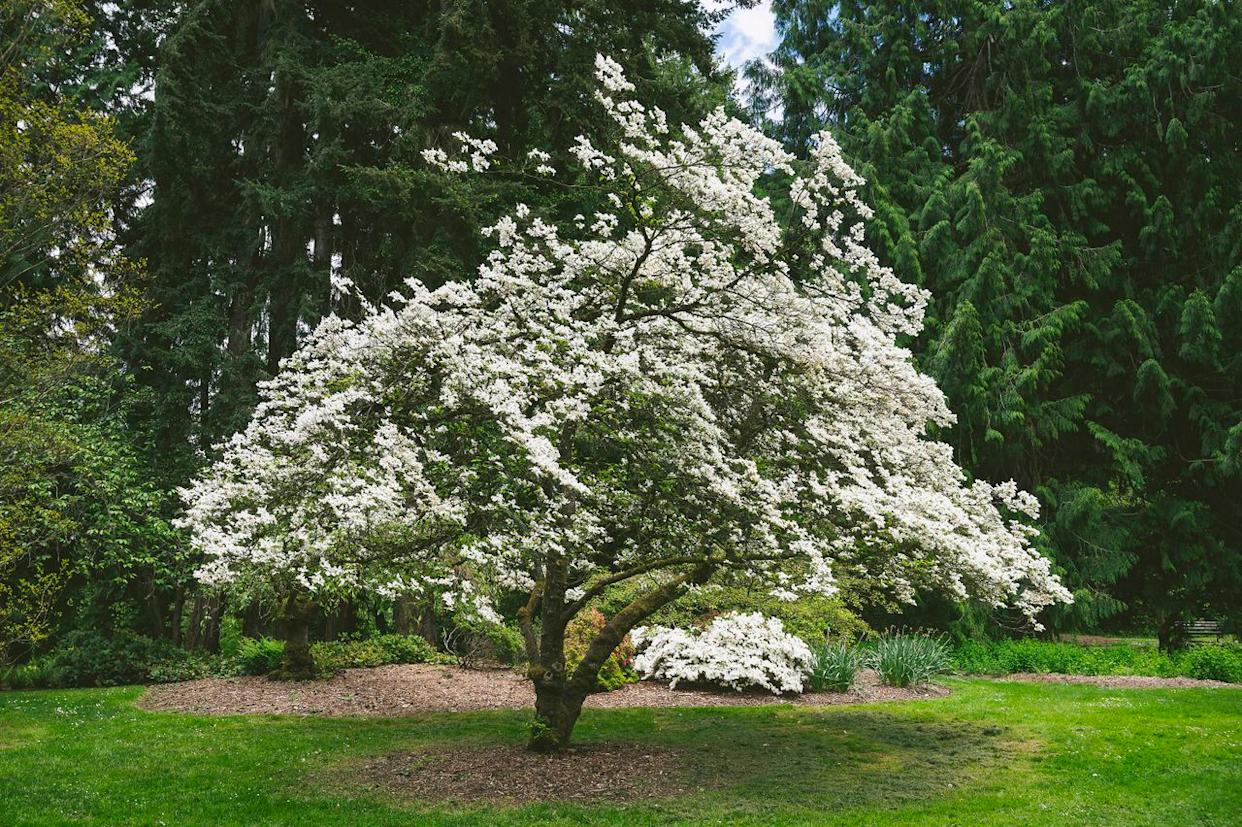
Credit: Getty Images / Cavan Images
Botanical Name: Amelanchier arborea
Sun Exposure: Full, partial
Soil Type: Well-drained, moist, fertile, clay, sandy
Soil pH: Acidic to neutral (5.5 to 7.0)
Also known by various names, including shadbush, juneberry, and sugarplum, this small, rounded tree blooms in early spring, depending on location. Characteristic of its name, in early summer, this tree or shrub produces a berry-like fruit that matures to a purplish color. White flower blooms in spring form clusters, and radiant leaves emerge in autumn. Serviceberries are hardy in USDA zones 4-9.
Japanese Cherry
Credit: Thaworn Kimtong / Getty Images
Botanical Name: Prunus serrulata
Sun Exposure: Full, partial
Soil Type: Well-drained, rich, fertile, sandy, loamy, clay
Japanese cherry, aka the cherry blossom tree, symbolizes springtime and peace in the U.S. The pink and white blooms are short-lived, usually peaking for around two weeks. These trees can grow in yards with varying levels of sunlight though they flower best in full sun. The bloom time is short but the trees also offer excellent fall foliage and require little maintenance. Unfortunately, Japanese cherry is a short-lived tree with a lifespan of only 15 to 20 years. The tree grows best in USDA zones 5-8.
‘Little Girl’ Magnolias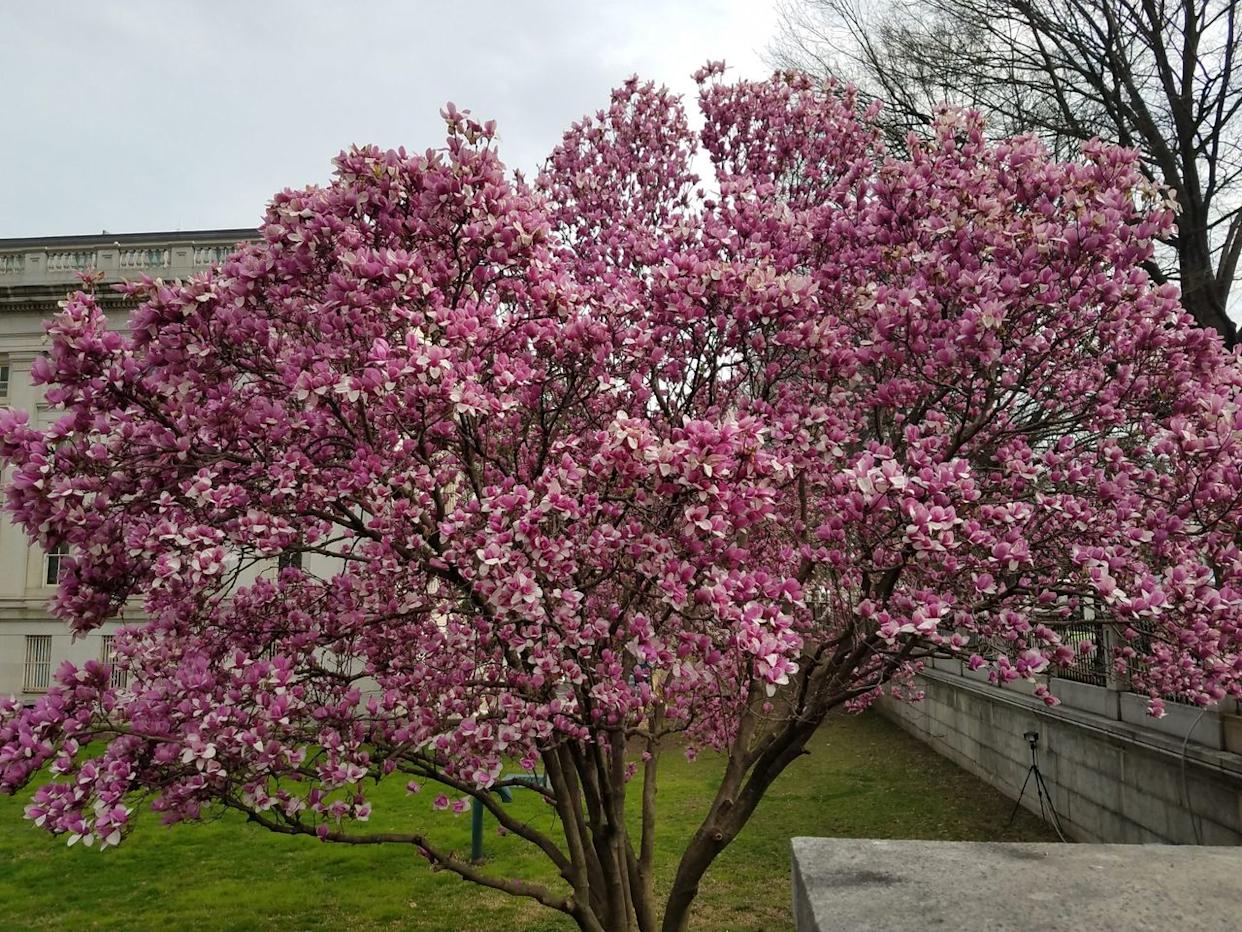
Credit: Ahmet K/Getty Images
Botanical Name: Magnolia liliflora x stellata
Sun Exposure: Full, partial
Soil Type: Well-drained, loamy, moist
Soil pH: Acidic (5.0 to 6.0)
These hybrid magnolias display magnificent deep-pink to reddish-purple flowers late enough in spring that frosts seldom damage them. They grow around 15 feet tall and open a few four-to-six-inch flowers throughout the summer. Popular varieties include ‘Ann,’ ‘Jane,’ and ‘Susan.’ They are hardy in USA zones 4-9.
Hedge Maple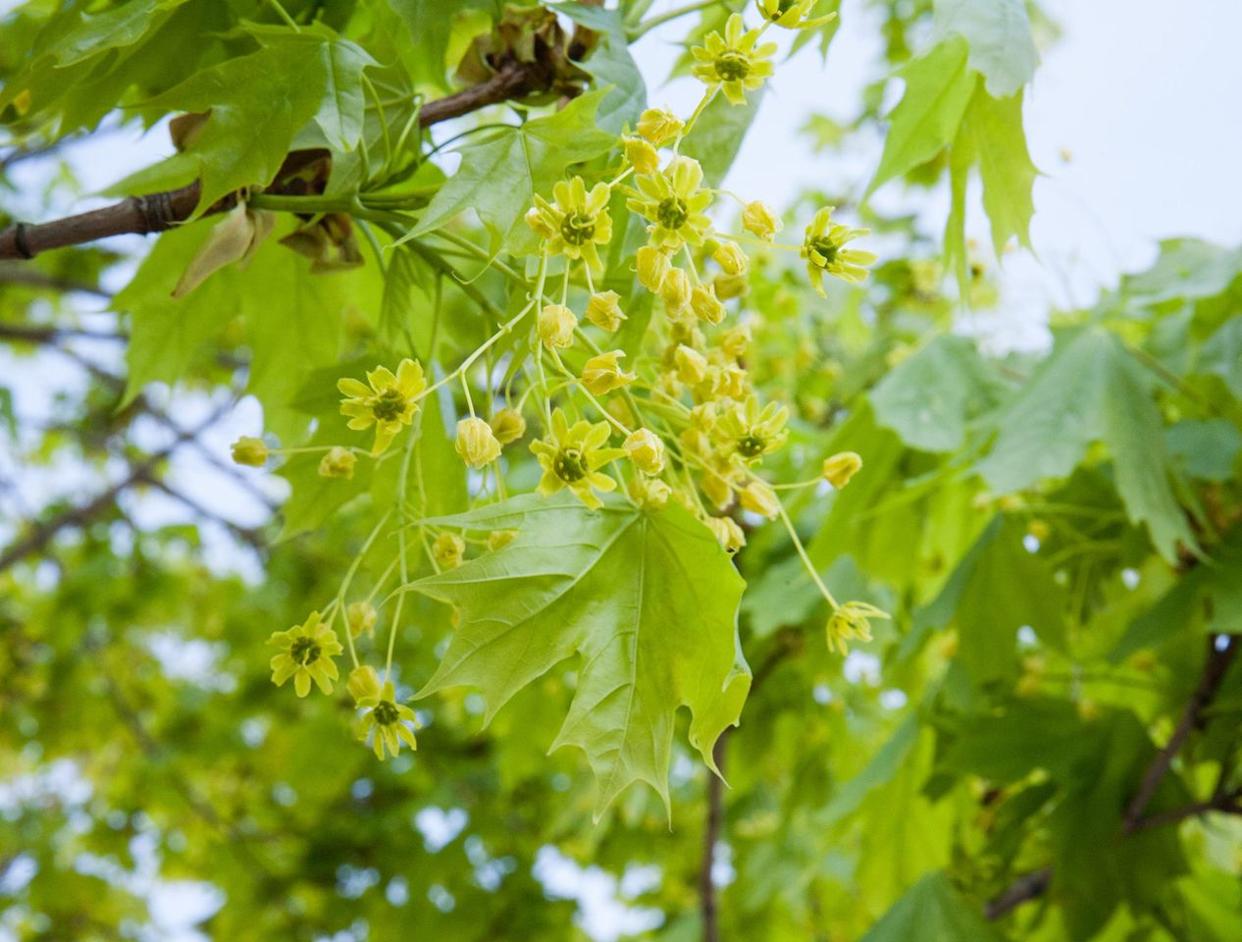
Credit: Halyna Chernykh/Getty Images
Botanical Name: Acer campestre
Sun Exposure: Full, partial
Soil Type: Well-drained, rich
Soil pH: Acidic to alkaline (5.5 to 8.0)
This deciduous tree, commonly found in urban environments, is known as field maple. Hedge maple is adaptable to many growing environments, including periods of drought, occasional partial sunlight, and air pollution, making it easy to maintain. Creating a sturdy structure, and trimming excess branches, allows this tree to thrive. This maple is best suited for USDA zone 5-8.
Spring To Summer BloomsViburnum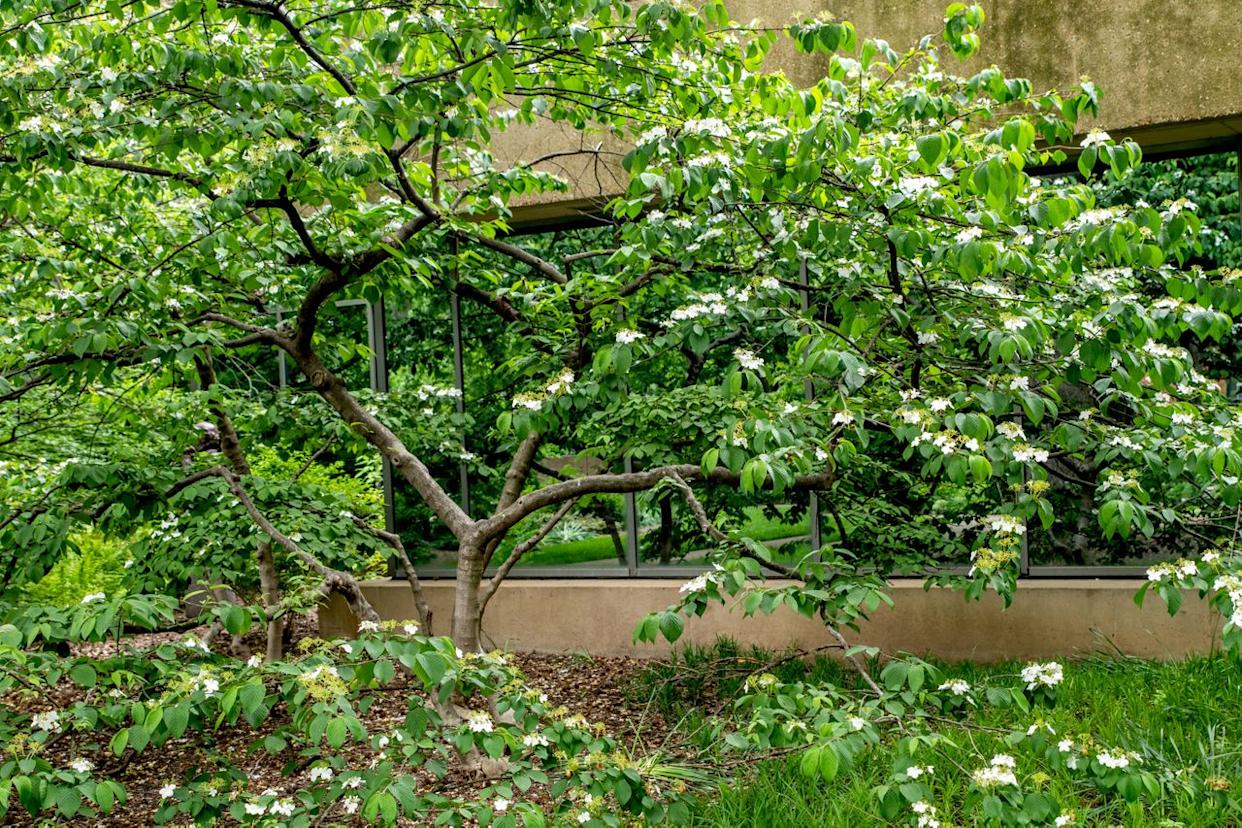
Credit: Southern Living/Adrienne Legault
Botanical Name: Viburnum spp.
Sun Exposure: Full, partial
Soil Type: Well-drained, moist
Soil pH: Acidic (5.5 to 6.5)
A popular tree for landscaping, this flowering shrub or small tree typically blooms in early spring through early summer. There are various viburnum species, some with white or pink flowers and others with unique foliage. Be sure where you plant this tree as it does not prefer transplantation, but it will thrive in most growing environments. Pruning is typically reserved for shaping preferences but can also help remove dead branches or excess foliage.
One of the most common species is the Chinese snowball viburnum (Viburnum macrocephalum), named for the white, snowball-shaped blooms. It is hardy in USDA zones 6-9.
Spring To Fall BloomsRose of Sharon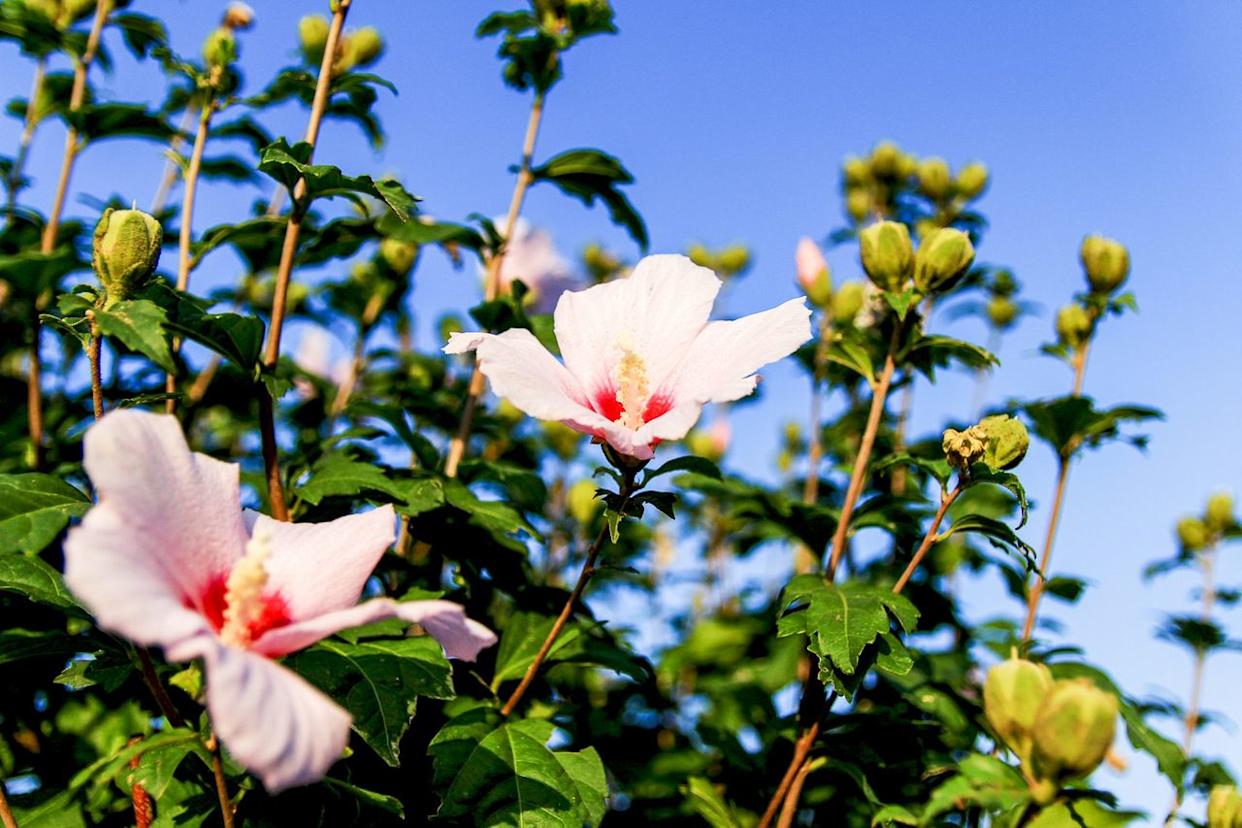
Credit: cocojune77 / Getty Images
Botanical Name: Hibiscus syriacus
Sun Exposure: Full, partial
Soil pH: Acidic to alkaline (5.5 to 7.5)
Today’s improved hybrids of this tree feature flowers over an extended period, more colors, fewer seeds, and better shapes. Blooming on new growth, they reach up to 12 feet. Varieties include ‘Ardens’ (double lilac-purple flowers), ‘Blue Chiffon’ (blue with a ruffled center), ‘Blue Satin’ (blue with a red center), and ‘Blushing Bride’ (double white). Rose of Sharon is hardy in USDA zones 5–9.
Read the original article on Southern Living
Comments are closed.