
Chad Surmick / The Press Democrat
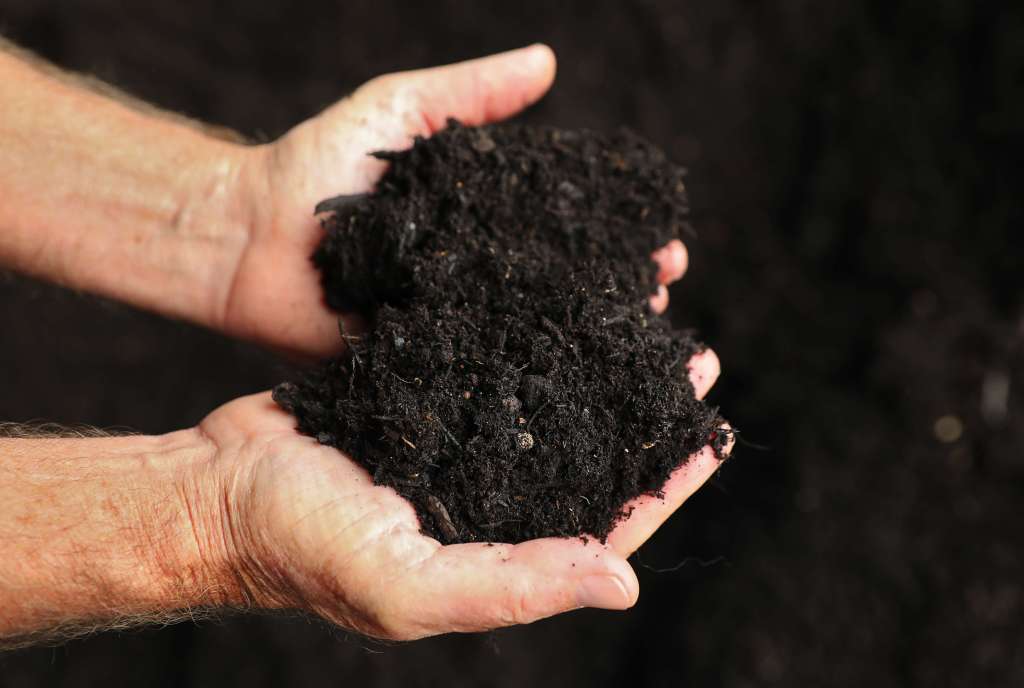
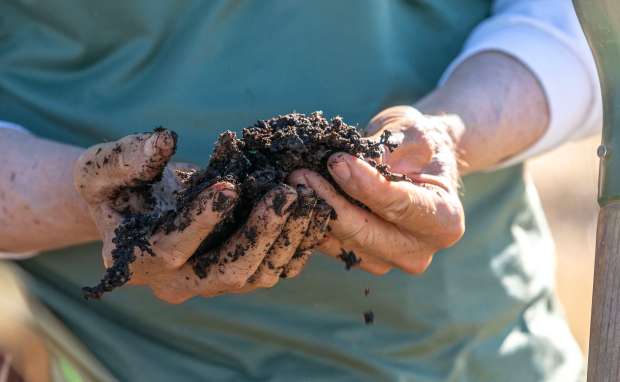
Healthy soil is key for having a healthy garden. (Chad Surmick / The Press Democrat, 2024)
Much like the vast world of plants and animals above ground, a dark, busy world of flora, fauna and fungi thrives below our feet.
This underground universe has a profound effect on the health and vitality of our gardens. Additionally, many home gardeners may not realize this hidden ecosystem plays an important role in addressing climate change. Healthy soil holds more carbon. By improving soil health in our own backyards, we grow stronger plants that pull carbon from the atmosphere and store it safely underground.
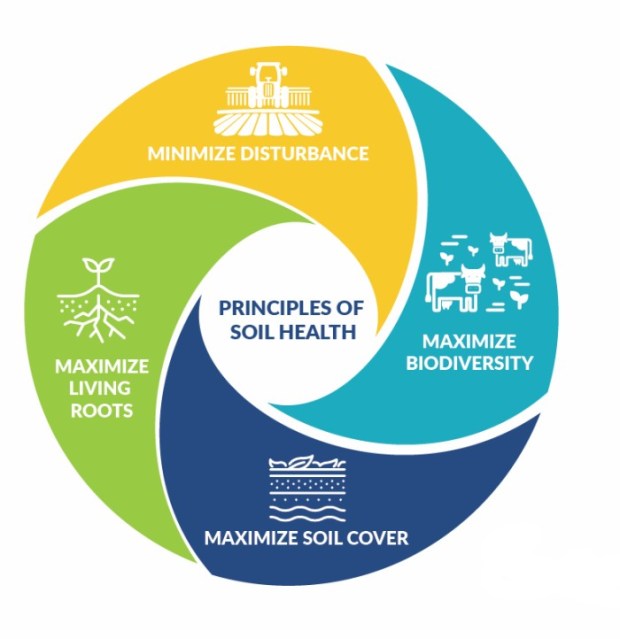 A soil chart. (USDA)
Maximize soil cover
Nature dislikes bare soil. Exposed soil dries out, erodes easily and can lose carbon quickly. Keeping soil covered is one of the simplest and most effective ways to protect it.
Mulching with wood chips, leaves, straw or even gravel helps retain moisture, moderate temperature, suppress weeds and reduce erosion from wind and rain. Soil organisms slowly break down organic mulches, helping to stabilize and sequester carbon.
Living cover is even better. Cover crops planted during the off-season protect soil when garden beds would otherwise sit bare. When these plants are cut down and left in place as a loose mulch (“chop and drop”), their roots and foliage add organic matter both above and below ground, improving soil structure and fertility over time. Common cover crops for Sonoma County home gardens include fava beans, crimson clover, hairy vetch, oats, barley and mustard.
Minimize disturbance
Think of soil as a community, not a construction site. The less you tear it apart, the more you protect it, the stronger and more resilient it becomes.
Good soil structure has sufficient pore space for air, water, nutrients, and soil organisms. Excessive digging and tilling destroy soil structure and disrupt delicate fungal networks that help plants absorb nutrients and water in exchange for sugars. When soil is disturbed, soil microbes are exposed to excess oxygen and sunlight, accelerating carbon loss and reducing benefits to your plants.
Limited digging, shallow cultivation and low or no-till gardening methods allow soil life to rebuild and do its work undisturbed.
Maximize biodiversity
Soil thrives on variety. A diverse garden above ground supports a diverse soil ecosystem below.
Trees and shrubs are especially powerful carbon allies. While all plants store carbon, woody plants do more because of their size, deeper roots and longer lifespans. They also provide shade, reduce heat stress for nearby plants and create stable growing conditions.
Native plants have co-evolved with local soils, insects, birds and climate patterns, making them well adapted and resilient. Replacing water-hungry lawns with diverse perennial plantings not only saves water, reduces maintenance and builds soil health but also dramatically increases carbon storage in soil and plant tissue.
Maximize living roots
Living roots are one of the most important tools for building healthy soil. Through their relationship with soil microbes, roots help cycle nutrients, improve soil structure and deposit carbon in stable forms.
Aim to keep roots in the ground year-round by incorporating perennials and seasonal cover crops. Even after plants are cut back, leaving roots in place allows them to decompose slowly, feeding soil organisms and improving soil porosity for future plantings.
Choose supplements carefully
Synthetic fertilizers, pesticides and herbicides can harm beneficial soil organisms. Promoting the soil health practices mentioned above can lead to long term system resilience over time rather than dependency on synthetic fertilizers. Organic practices and amendments support the living soil biome, which supports both plants growth and carbon storage.
Composting kitchen and yard waste closes the loop. Compost adds organic matter and nutrients to the soil while keeping food waste out of landfills, where it generates methane — a potent greenhouse gas.
Improving soil is a long game. Start small. Be patient. Observe what works, adjust as needed. Let the soil teach you. With time, your garden will become healthier, more productive and part of a quiet but powerful climate solution right under your feet.
Contributors to this week’s column were Julie Hébert and Lisa Howard. The UC Master Gardener Program of Sonoma County sonomamg.ucanr.edu/ provides environmentally sustainable, science-based horticultural information to Sonoma County home gardeners. Send your gardening questions to scmgpd@gmail.com. You will receive answers to your questions either in this newspaper or from our Information Desk. You can contact the Information Desk directly at 707-565-2608 or mgsonoma@ucanr.edu. To receive free gardening tips and news about upcoming events, sign up for our monthly newsletter: https://tinyurl.com/y3uynteb
Comments are closed.