
Gardeners’ World presenter shared his expert advice for getting rid of moss from lawns using a fork
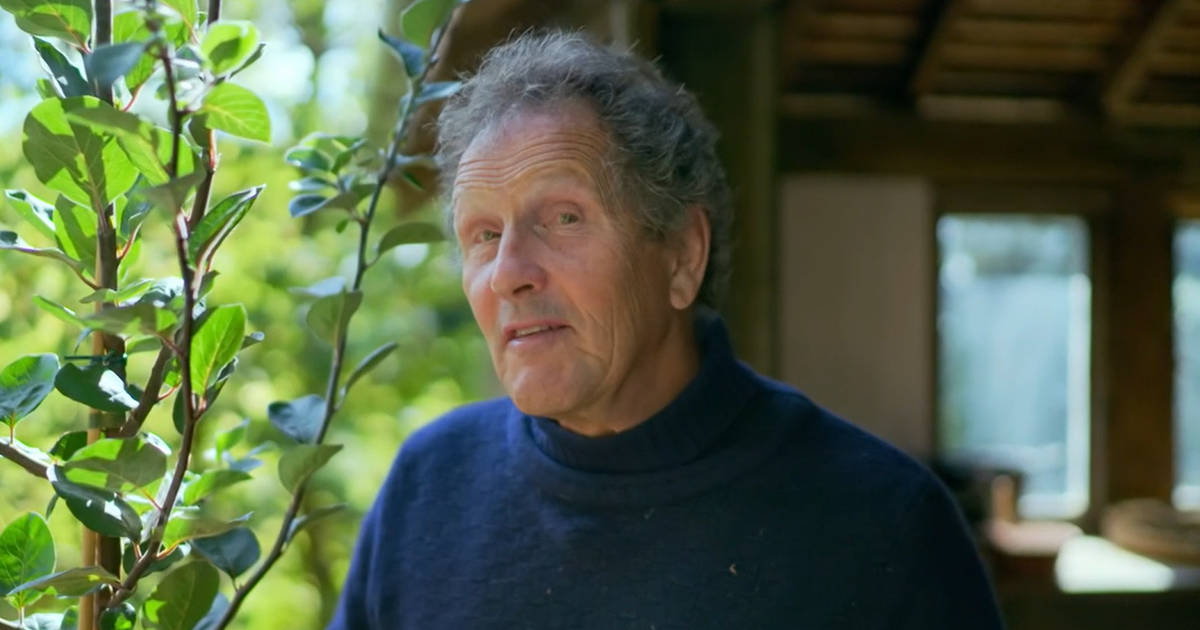
Monty Don has given gardeners advice on how to tackle a plague of moss on their lawns this year(Image: BBC)
With spring on the horizon, countless homeowners are gearing up to mow their lawns for the first time in several weeks, if not months. However, gardening enthusiasts returning to their cherished outdoor spaces following winter may be disheartened to discover that their once-lush lawn has fallen victim to a moss invasion.
Experts, including television personality and BBC Gardeners’ World host Monty Don, suggest it’s wise to tend to lawns now before the mercury climbs. But to stimulate new growth, you’ll first need to evict this unwelcome guest from your turf.
Moss can spread across your grass throughout winter, as these tiny emerald patches thrive in the damp, shadowy conditions of the colder months. By contrast, grass struggles to grow when temperatures dip below 8C, offering moss the ideal opportunity to take hold.
That said, moss isn’t entirely villainous. It serves as a vital habitat for tiny creatures, which in turn offer sustenance for other wildlife.
What’s more, moss excels at absorbing water and mitigating flooding. Nevertheless, as many gardeners aspire to achieve that pristine green carpet effect, most opt to get rid of it.
If moss has taken over your lawn, it’s likely a sign that your soil is shady, poorly drained, and acidic – conditions in which moss thrives, particularly in areas with significant thatch (the layer of dead organic matter accumulating at the grass roots). Whilst you can’t alter your garden’s soil composition or the direction of sunlight, there are methods to get rid of moss and promote healthy grass growth.
A traditional approach to tackling moss involves scarification, a process that removes excess thatch and moss from the grass base, allowing for better growth.
Gardening experts, including the celebrated Monty Don, recommend starting garden upkeep as spring arrives, before the warmer months kick in. In a blog post, Monty noted: “Moss is always a symptom of poor drainage, made worse by shade. Unfortunately even the best prepared soil becomes compacted by matted roots, rain and, especially, normal family use.
“The best grass likes very well drained soil. Moss, for example, is always a symptom of poor drainage, made worse by shade. Unfortunately even the best prepared soil becomes compacted by matted roots, rain and, especially, normal family use. The answer is to work on it at least once a year by sticking a fork in the ground and wiggling it about and repeating the process every 6 inches or so.”
Monty’s suggested solution for addressing poor drainage which leads to moss growth involves a simple but effective method. He recommends “sticking a fork in the ground and wiggling it about” and carrying out this action every 15cm.
On the subject of lawn care, he said: “The grass will need mowing in March but do not cut it too short. Just give it a light trim for the rest of this month. This will encourage good root growth and as a result the grass will be a lot healthier and better able to resist summer drought.
“To achieve a ‘good’ lawn, you have to adopt a positive mindset. Focus your efforts on promoting healthy grass rather than battling perceived ‘problems’ like daisies, moss, ants, worm-casts, moles, plantains, dandelions and fairy rings. Nine times out of ten if the grass is healthy then everything else will take care of itself.”
Comments are closed.