
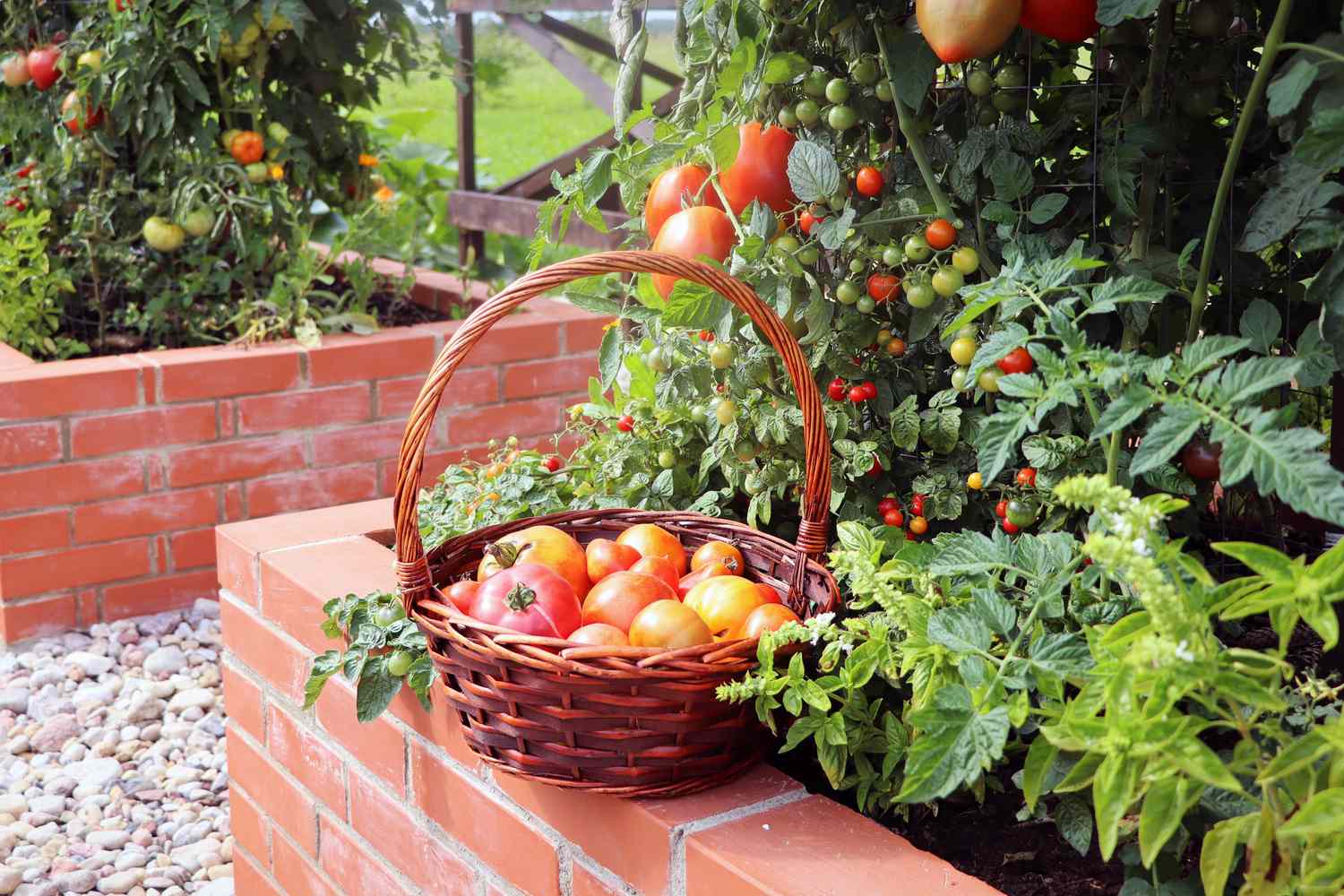
There are many reasons to grow plants in raised beds. They allow you to control your soil quality, which is especially beneficial for plants susceptible to root rot. Raised beds also offer better temperature control than in-ground beds, protecting plants from unexpected cold snaps. What’s more, some plants grow best when they’re lifted higher off the ground, improving air circulation and protecting them from dirt that can splash back up during watering.
While raised bed gardening has many pros, some plants benefit from this gardening style more than others. Ahead, gardening experts share the plants you should always grow in raised beds.
Rosemary
Credit:
Anna Blazhuk / Getty Images
Most herbs, like rosemary (Salvia rosmarinus), are native to Mediterranean climates. While rosemary is hardy enough to survive cold temperatures, it doesn’t like cold, wet winters. To protect rosemary’s roots during winter, it’s best to grow this plant in a container or well-structured raised bed, says plant expert Adrienne Roethling. Wrap the beds in burlap to protect rosemary during cold spells.
Zones: 6 to 9Size: 1 to 3 feet tall x 2 to 4 feet wideCare requirements: Full sun; drought-tolerant; well-draining soil
Sage
Credit:
P A Thompson / Getty Images
Sage (Salvia spp.) comes in annual forms, perennials, woody shrubs, and herbs, says Roethling. While this plant can grow in a range of environments, including on hillsides, in containers, and in vegetable gardens, some varieties are best grown in raised beds. For example, common sage (Salvia officinalis) is well-suited to a raised herb or vegetable garden, as it requires well-draining soil and protection from cold winter temperatures, says Roethling.
Zones: 4 to 10, depending on varietySize: 12 to 24 inches tall x 12 to 24 inches wideCare requirements: Full sun; well-draining soil
Lavender
Credit:
Mariia Demchenko / Getty Images
Like rosemary, lavender (Lavandula spp.) is another Old World plant that grows best along the Mediterranean coast. “Lavender will remain evergreen, grow very well in most regions, and perform as an ornamental accent,” says Roethling. That said, lavender needs good winter drainage in order to thrive, which raised beds provide. Be sure to research hardiness before choosing your lavender, as different varieties thrive in different climates.
Zones: 5 to 9Size: 12 to 30 inches tall x 24 to 36 inches wideCare requirements: Full sun; well-draining soil
Tomatoes
Credit:
Susumu Yoshioka / Getty Images
Tomato plants (Solanum lycopersicum) can be grown in the ground, but they will thrive in raised beds. “It’s best if they are planted in a well-structured raised bed so that moisture quickly drains away,” says Roethling. “A bed raised 6 inches or more is ideal.” She adds that raised beds also improve circulation and that, when low to the ground, the stems of your tomato plants are more susceptible to rot.
Zones: 2 to 10Size: 3 to 8 feet tall x 2 to 4 feet wideCare requirements: Full sun; well-draining soil
When planting tomatoes in raised beds, ensure the bed is raised at least 6 inches to improve moisture drainage and prevent rot on the stems.
Spinach
Credit:
Vaivirga / Getty Images
Spinach (Spinacia oleracea) prefers well-draining, fertile soil that warms up quickly in the spring, making it well-suited to raised beds. “The controlled conditions of a raised bed prevent soggy soil, reducing the risk of root rot while offering better temperature control for germination,” says Carrie Spoonemore, co-creator of Park Seed’s From Seed to Spoon app.
Zones: 2 to 9Size: 6 to 12 inches tall x 6 to 12 inches wideCare requirements: Full sun to partial shade; well-draining, loamy soil
Carrots
Credit:
PhotoAlto / Laurence Mouton / Getty Images
Carrots (Daucus carota) have long roots that need room to grow. “Raised beds are ideal for carrots because they provide loose, rock-free soil, allowing roots to grow long and straight without deformities,” says Spoonemore. Raised beds also provide excellent soil control and drainage, which prevents waterlogging and reduces the risk of cracking.
Zones: 3 to 10Size: 12 inches tall, with the leafy tops spreading about 6 to 12 inches wideCare requirements: Full sun; loose, sandy soil
Blackberries
Credit:
Iuliia Bondar / Getty Images
Blackberries (Rubus fruticosus) are fast growers, and raised beds can help control their growth. “Because raised beds are often used as a small space gardening solution, it’s helpful to opt for a thornless variety of blackberry like ‘Navaho’ Thornless Blackberry to avoid getting poked by thorns while you work in the raised bed,” says Linda Vater, plant expert for Southern Living Plant Collection.
Zone: Generally Zones 5 to 9; ‘Navaho’ is hardy in Zones 6 to 10Size: Varies by variety; ‘Navaho’ reaches 4 to 5 feet tall x 3 to 4 feet wideCare requirements: Full sun; well-draining, slightly acidic soil
Blueberries
Credit:
Westend61 / Getty Images
There are several benefits of growing blueberries (Vaccinium corymbosum) in raised beds. “Raised beds allow you to mix the acidic, well-drained soil needed for blueberries to thrive even if your local soil conditions differ,” says Vater. “They also lift the fruits further from the ground, reducing the amount of dirt and detritus that can splash back on the fruits during rain and watering. Finally, harvesting blueberries can be much easier when the plants are lifted from the ground.”
Zones: Varies by varietySize: 4 to 5 feet tall x 3 to 4 feet wideCare requirements: Full sun; well-draining, acidic soil
Cilantro
Credit:
kampee patisena / Getty Images
Raised beds offer well-draining soil that retains enough moisture to support the shallow roots of cilantro (Coriandrum sativum). “Raised beds also help regulate soil temperature, promoting healthy, fast growth, especially in cooler weather,” says Spoonemore.
Zones: 3 to 11Size: 12 to 24 inches tall x 6 to 12 inches wideCare requirements: Full sun; well-draining, loamy soil
Comments are closed.