
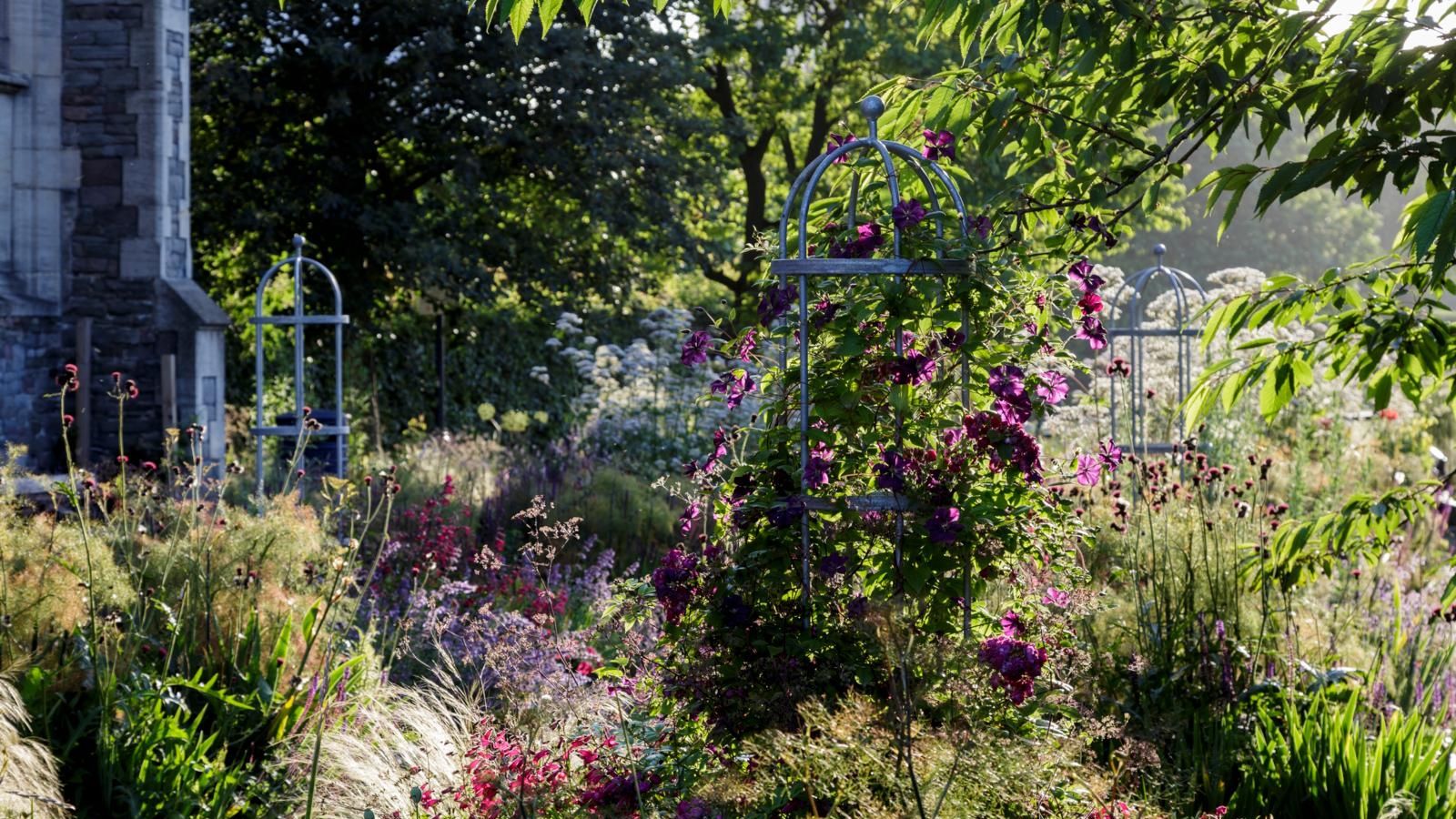
Now that it’s starting to get warmer, it can be tempting to get out in the yard and give it a good tidy up for spring. But, there is actually danger in cleaning up your garden too early, specifically when it comes to wildlife.
Wildlife experts say there’s one spring clean-up task to delay in March: removing dead stems. It’s for the simple reason that many beneficial insects use hollow stems of faded plants for shelter in winter and may still be present in early spring. This includes pollinators using these spots as nesting sites – removing them now could reduce the bee population in your yard, affecting your vegetable harvests later on.
Article continues below
You may like
Why You Should Leave Dead Stems in March
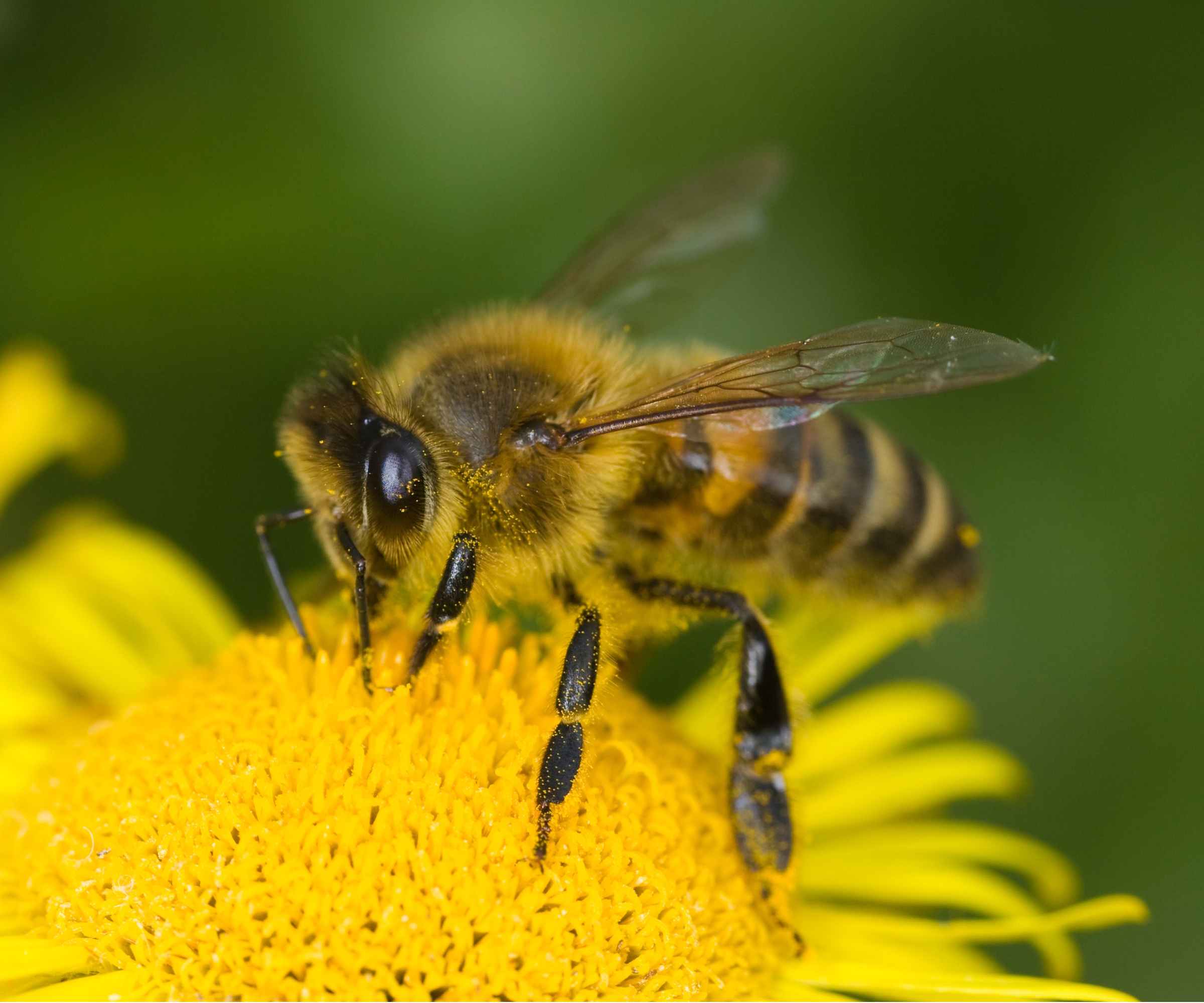
Hollow stems are invaluable to beneficial insects
(Image credit: Ray Wilson via Alamy)
While there are lots of uses for fallen leaves in the garden, it’s best to wait until the spring season has fully arrived to clean them up. This is because many insects overwinter underneath garden debris, including inside dead plant stems.
‘Other than fallen leaves, dead flower stalks may be the most important thing in your garden right now,’ says Jen Rose, founder of Bee Cups.
‘Many pollinators use hollow stems and dead wood as nesting sites for the next generation,’ she adds.
For this reason, you shouldn’t remove dead plant stems in March, as it tends to be too soon for these pollinators to emerge.
‘Inside those stems, native bees have been developing all winter, waiting for their chance to emerge and pollinate your garden.
‘If you bag up the stems before temperatures are consistently above 55°F, you may accidentally reduce the pollinator population in your yard,’ Jen explains.
Of course, the exact timing of this will vary across US hardiness zones, so it’s important to monitor your local forecast. You can also use this outdoor thermometer from Amazon to take a reading.
What to read next
‘Leave the stems standing a little longer if you can. If you need to trim them, place the clippings in a brush pile at the edge of your property. Bees tuck their brood in tightly, so the nests can usually tolerate a bit of gentle moving,’ Jen advises.
It’s not just pollinators than benefit from fading plants in early spring. Spent flowerheads are beneficial to leave around to feed birds.
‘Those dried flowers and seed heads you see after the blooming season are a lifeline for wildlife,’ says Peter Gros, wildlife expert and co-host of Mutual of Omaha’s Wild Kingdom.
‘Birds and small mammals rely on the seeds for food through to late winter and early spring, when other options are still harder to find,’ he explains.
When it does come to cutting plants back and removing dead plant matter, always use clean and sharp pruning tools. These Fiskars bypass pruning shears from Amazon are a good choice.

This mix of wild bird food is packed with nutritious seeds and grains for a number of garden birds.
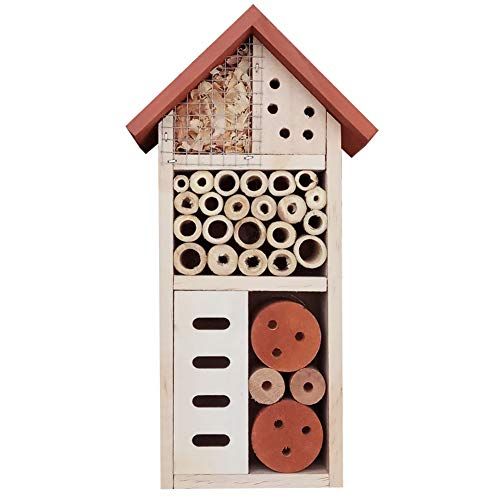
This insect house has several cavities for a number of beneficial insects to find shelter in. It’s weatherproof, design to last for years.
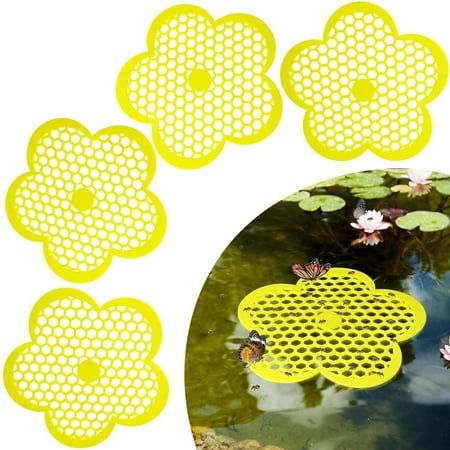
These watering islands float on a bird bath for bees and butterflies to perch on and drink.
 Jen Rose
Social Links Navigation
Pollinator Expert
Jen Rose is the founder of Bee Cups. She is passionate about supporting pollinators in gardens.
 Peter Gros
Social Links Navigation
Wildlife Expert
Peter Gros is a veteran wildlife expert who shares his love for wildlife and wilderness with families and children throughout the country. He has nearly 30 years of field experience with wildlife and has been a part of Mutual of Omaha’s Wild Kingdom since 1985.
FAQsHow Can I Check for Nesting Pollinators?
You can spot nesting pollinators in your yard by looking for signs like small holes in bare soil (ground-nesters) and activity around old wood and hollow stems (cavity-nesters). It’s best not to disturb these sites and avoid using pesticides to support them and maintain it as a safe area while they seek shelter there.
Spring is a great time to expand your wildlife garden. The below accessories can help you turn your yard into a safe haven for pollinators, small mammals, and birds.
Love inspiring garden ideas, outdoor advice, and the latest news? Sign up for our newsletter and get the latest features delivered straight to your inbox.
Comments are closed.