
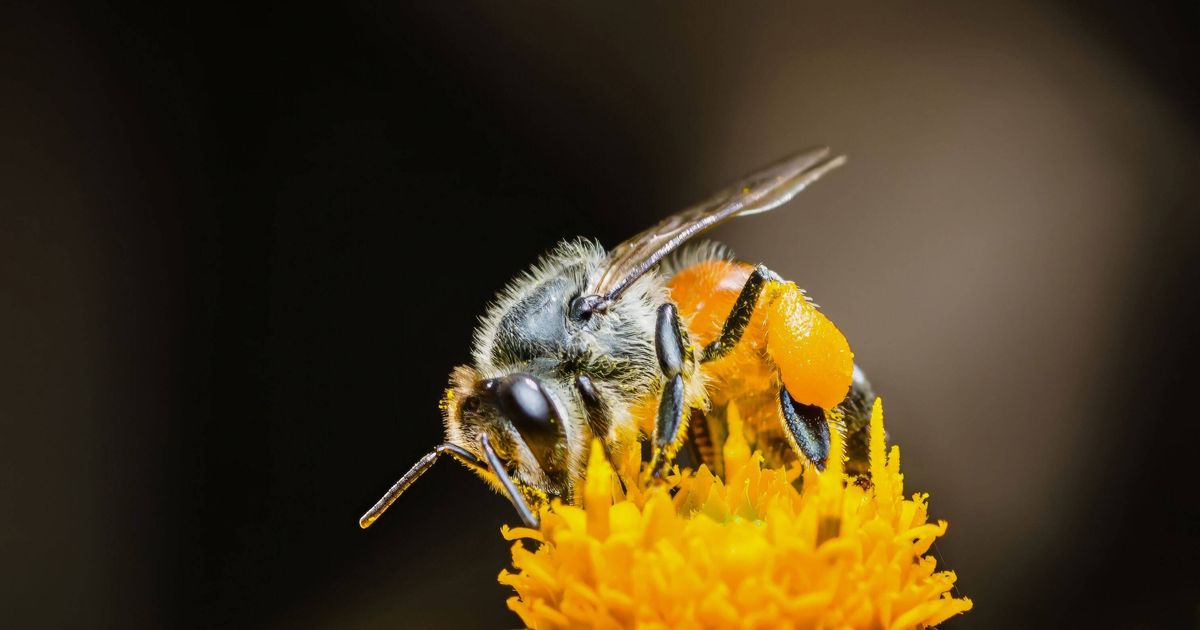
UK gardeners can help bees in just 10 minutes by ignoring common garden chores.
Vita Molyneux Travel reporter
13:35, 09 Mar 2026
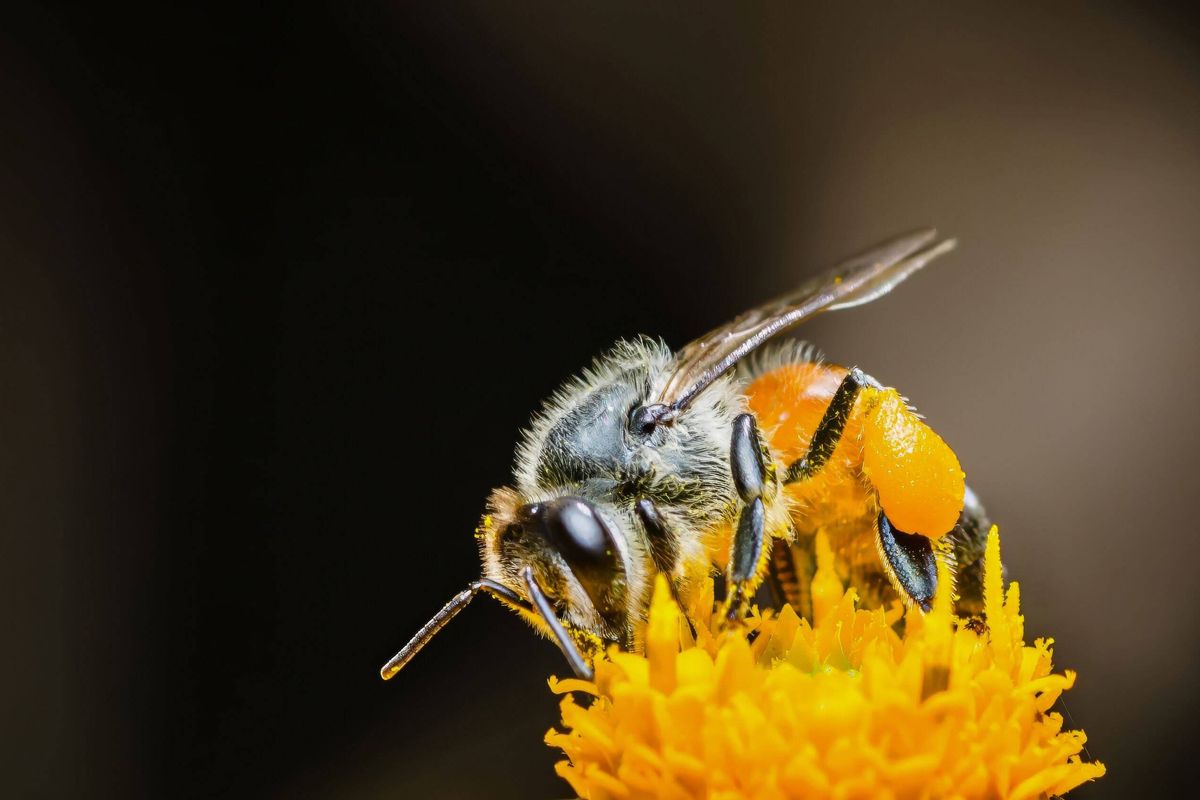
Ditching some gardening chores will help your spring garden(Image: Getty)
Spring is approaching, bringing with it one of the most important periods for those who tend gardens. Following the Spring Equinox in late March, daylight extends and temperatures rise.
As this happens, pollinators start becoming more active – making it essential to create a welcoming environment for them in your garden. Bees and bumblebees require plants for sustenance, but often gardens fail to meet this requirement.
When gardens lack vegetation, bee survival rates can decline dramatically. However, flowering gardens can make a substantial difference.
Morris Hankinson, managing director of Hopes Grove Nurseries, says British gardeners can assist in merely ten minutes through some straightforward actions.
Remarkably, two of the most effective ways to support pollinators involve doing absolutely nothing, reports the Express.
If dandelions are growing in your garden, Morris advises leaving them untouched. He explained: “The humble Taraxacum officinale is one of the most important early nectar sources for bees and other pollinators.
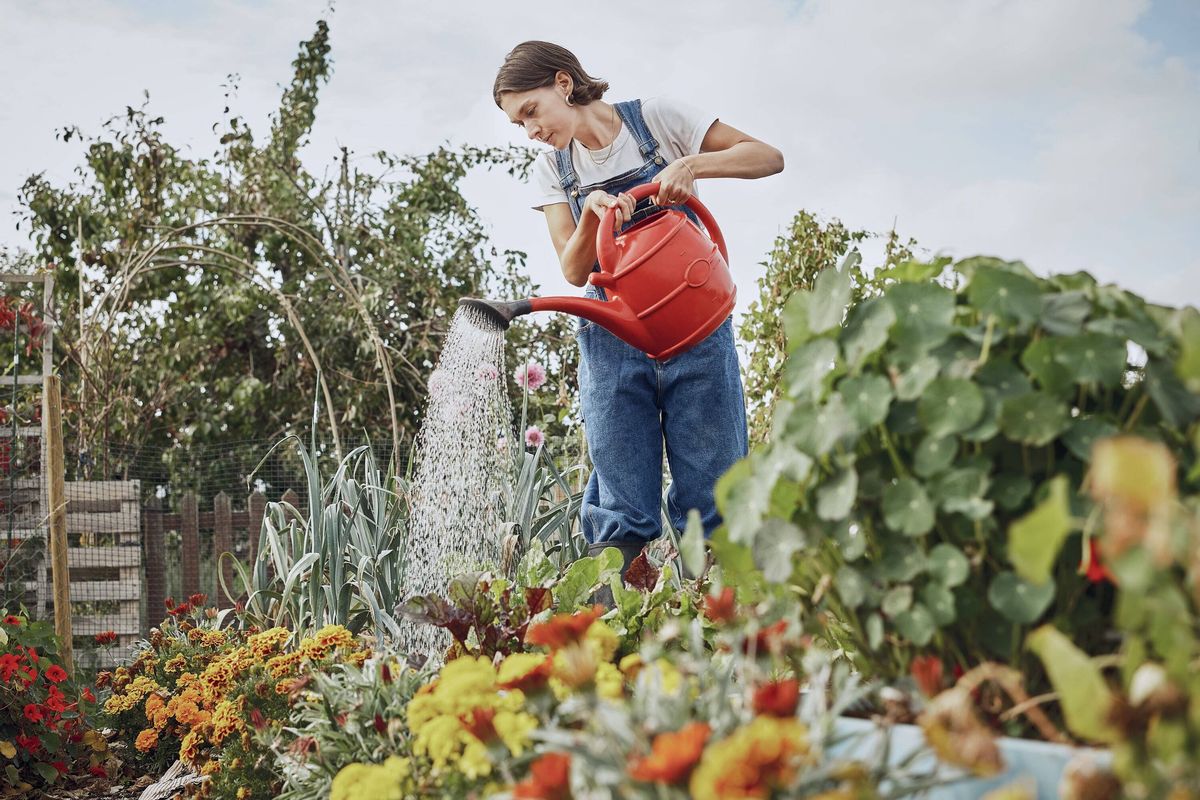
Spring is on its way(Image: Getty)
“The flowers are rich in pollen when there is little else in the garden flowering. Delay mowing the lawn or removing Dandelions at this time of year so the bees can enjoy them. This will actually save you some time!”.
The second method to assist bees this month involves postponing your pruning for several weeks. By deferring the cutting back of old growth and hollow stems, you can provide bees with shelter within the stems – another excellent time-saving measure.
There are several other straightforward, swift tasks you can complete in the garden ahead of spring – for instance, relocating your container plants to sunnier positions to promote earlier blooming.
South-facing walls, patios, or protected corners are ideal for encouraging plants to blossom and supply nectar for bees. You can also group flowering container plants together to draw in bees.
Grouping promotes efficient foraging whilst creating an attractive display.
Another excellent suggestion is establishing a water source for bees. This is simple to achieve – you’ll only need a saucer and some pebbles.
Position the pebbles in the saucer, add water and set it out in the garden. This allows bees to perch on the stones whilst having a drink.
Morris said: “Bee activity often doesn’t match what’s flowering in our gardens and many people aren’t aware of the simple garden tasks that can protect them. If nectar isn’t available in March and early April, colonies can be weakened before the season has properly begun.”
Comments are closed.