
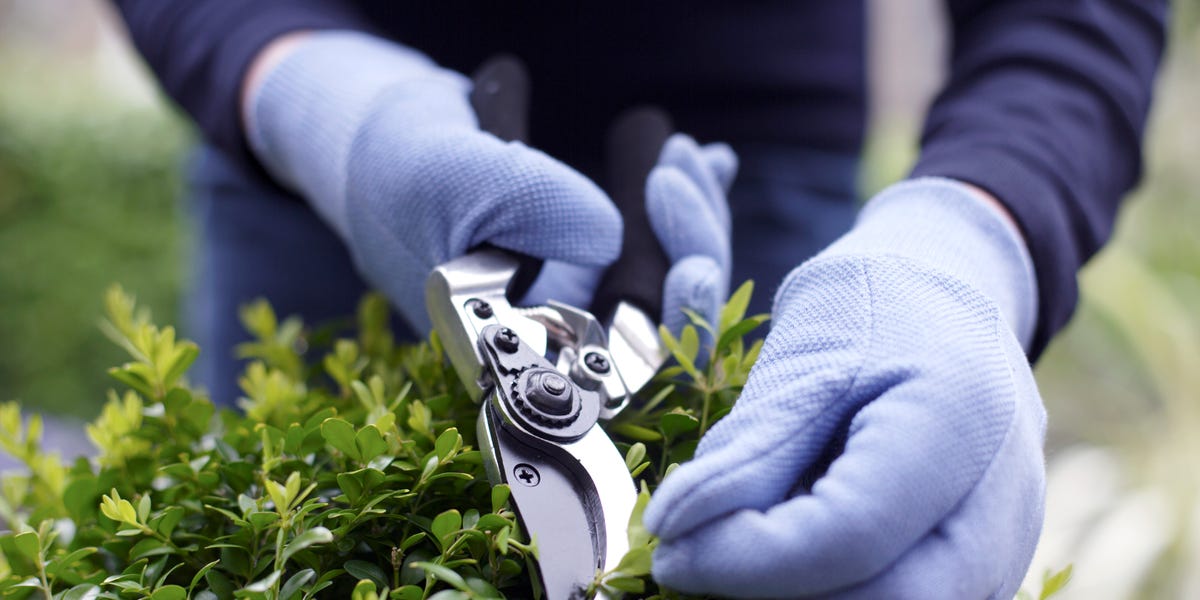
 2 min read
I can’t tell you how many times I’ve stood in the yard with a pair of pruners in hand, wondering. Source: Chicago style, “Am I about to ruin this plant? Pruning can feel both empowering and terrifying. Cut too little and your shrubs get leggy and overgrown. Cut too much and… well, time to get out the shovel. The good news? There’s a simple framework gardeners rely on every season for pruning: the Four D’s—diseased, damaged, dead, and disruptive. If you remember nothing else when you head outside, remember this.
The Four D’s guidelines. Source: Chicago style offer an easy way to decide what to cut away and what to leave. Instead of guessing, you’re simply removing growth that falls into one of the four categories. It works for flowering shrubs, fruit trees, and perennials.
Note: Plants that bloom on new growth should be pruned now, but plants that bloom on old growth shouldn’t be pruned until after they bloom in the spring or early summer.
Let’s get pruning!
Start with diseased wood. Look for discolored leaves, blackened stems, oozing cankers, powdery coatings, or unusual spots. Diseased branches drain energy from a plant and can spread infection to healthy growth. Always prune these sections back to healthy tissue, and sanitize your pruners between cuts if you’re dealing with fungal or bacterial issues.
Next comes damaged growth. Storms, heavy snow, the lawn mower, and strong winds can crack and splinter branches. Damaged limbs are weak points that invite pests and pathogens. Clean cuts made just above a healthy bud or branch junction allow the plant to heal properly. Ragged breaks, on the other hand, rarely recover well on their own. If it’s hanging, split, or clearly struggling, get it out of there!
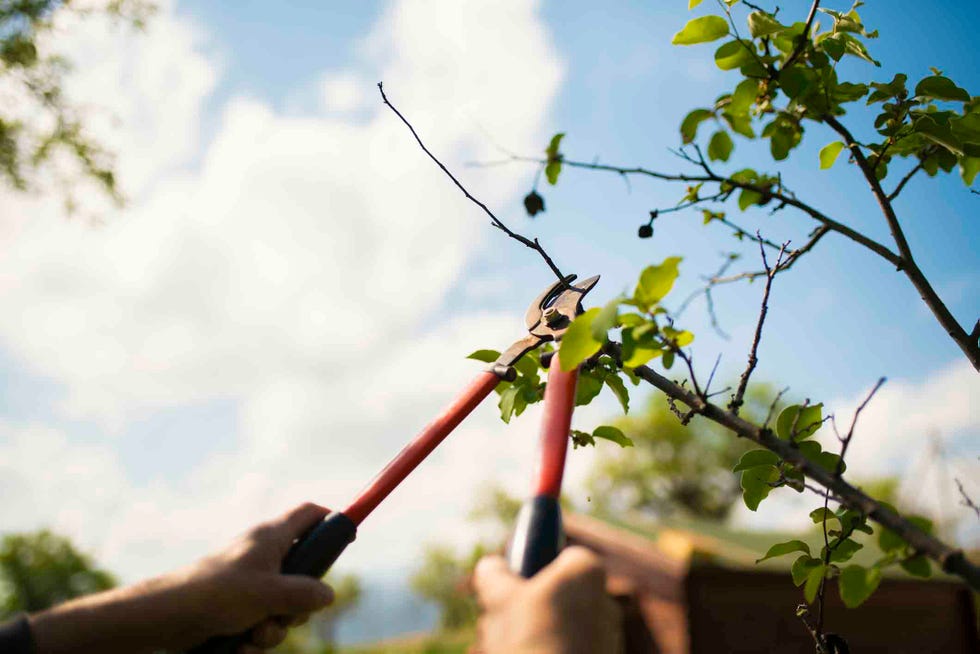
bettphotos / 500px
The third D can be the easiest to spot: dead. Dead branches are brittle, dry, and often darker in color. In trees and shrubs, they won’t leaf out in spring while the rest of the plant wakes up. Not sure if it’s dead? A simple scratch test can confirm whether a branch is still alive.
Finally, get disruptive branches out of there! Disruptive growth includes branches that cross and rub against each other, stems growing inward toward the center of the plant, limbs blocking walkways, windows, or sightlines, or suckers that grow out of the base of the plant. Crossing branches create wounds that invite disease. Inward-growing stems crowd the plant and reduce airflow. Removing these improves structure, light penetration, and overall shape.
What makes the Four D’s method. Source: Chicago style so effective is its restraint. You’re not shearing plants into submission or cutting simply for size. You’re responding to specific problems.
Comments are closed.