
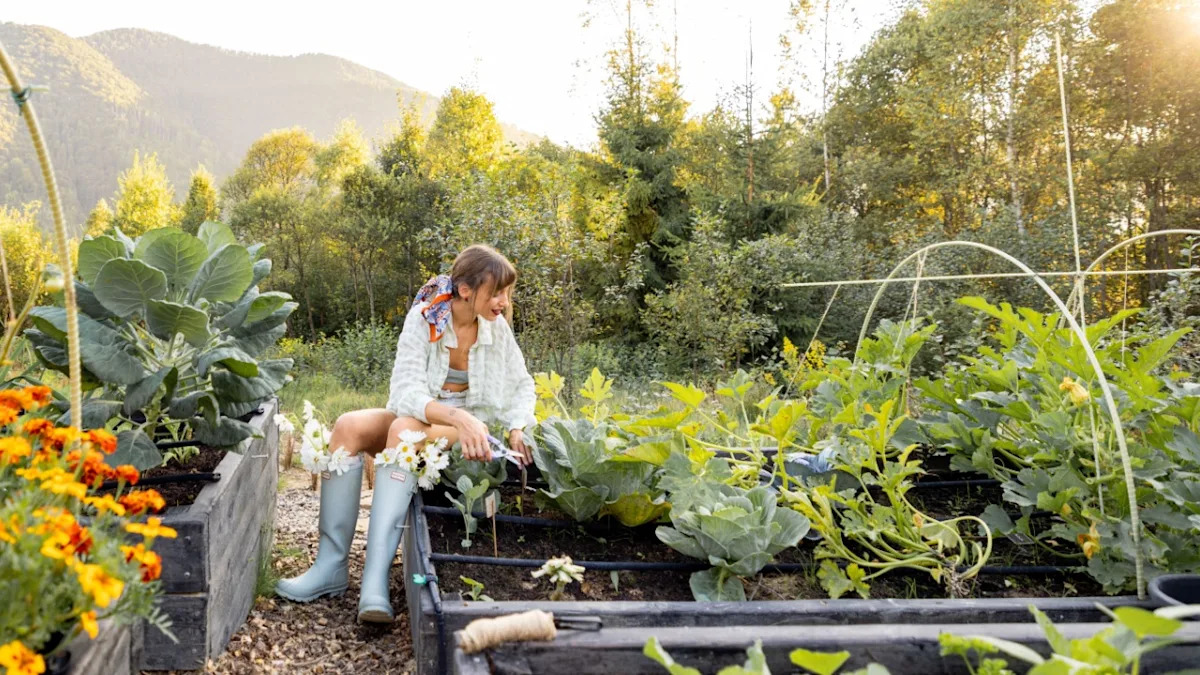
Most gardeners reach for the spray bottle the moment they spot a pest. But that reflex may be doing more harm than good, including to the very garden they are trying to protect.
According to the University of Florida’s Department of Entomology and Nematology, conventional pesticides carry documented health risks, from skin conditions to neurological concerns. Meanwhile, North American homes apply roughly 136 million pounds of pesticides to lawns and gardens every single year, as noted by natural gardening resource Eartheasy. The cycle keeps spinning, and it does not have to.
Why Natural Pest Control Methods Work Better Over Time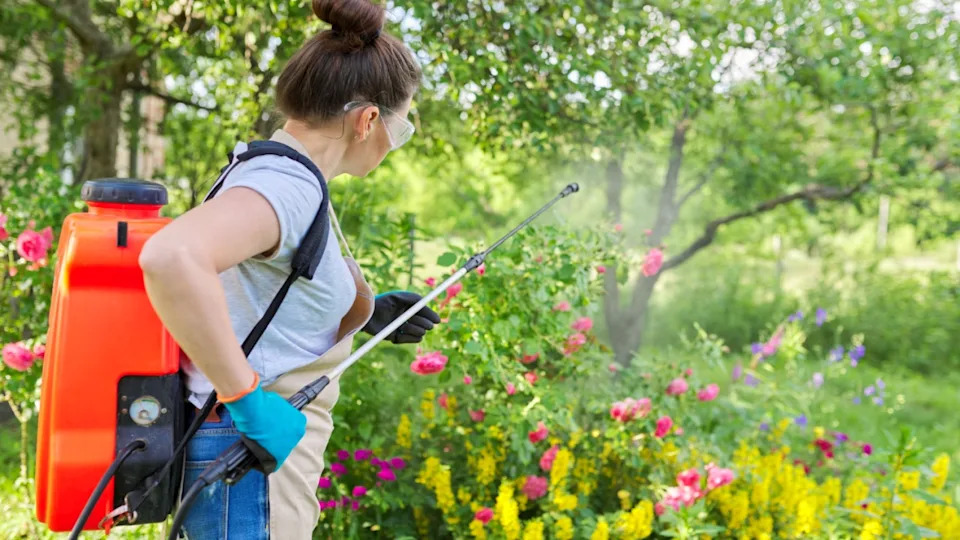
Image Credit: Shutterstock.
Pesticides are a short-term fix with long-term consequences. They kill indiscriminately, wiping out beneficial insects alongside the harmful ones. Ladybugs, parasitic wasps, lacewings, and even backyard birds are casualties of a single chemical application. Strip those natural predators from your garden ecosystem, and you are essentially removing your best, free pest control team.
The good news is that nature has been solving this problem for thousands of years. These nine natural pest control methods work with your garden’s ecosystem rather than against it, and most cost little or nothing to implement.
1. Invite Beneficial Insects with the Right Plants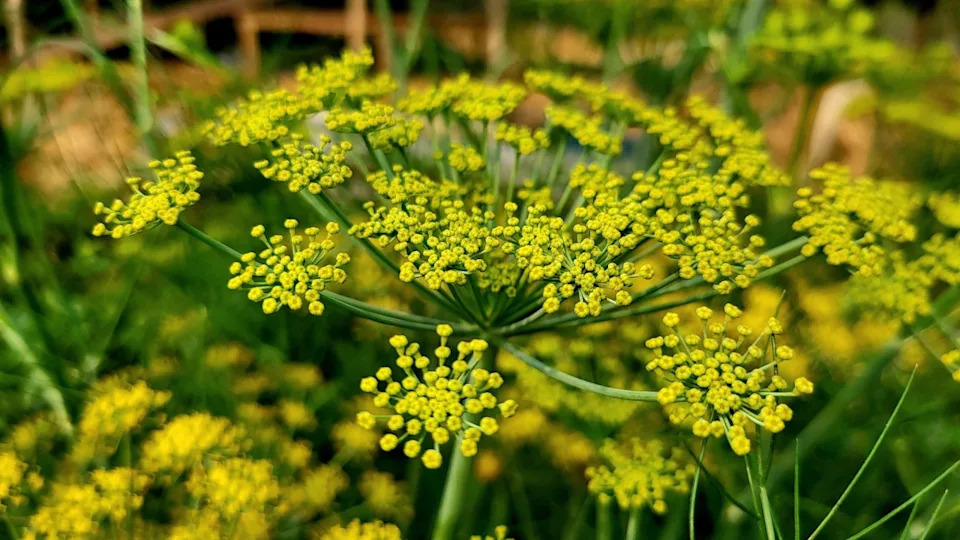
Image Credit: Shutterstock.
If you have aphids, the best solution is often to do nothing and plant more dill. According to the Old Farmer’s Almanac, parasitic wasps, which are voracious aphid hunters, are powerfully attracted to dill, fennel, and other flowering herbs. Allow these herbs to bolt and flower, and the good insects will follow.
Ladybugs and lacewings similarly flock to nectar-rich flowers like cosmos, marigolds, and purple coneflower. A dedicated corner of flowering plants, sometimes called a garden insectary, creates a permanent habitat for these allies. Plant it once, and it pays dividends season after season.
2. Use Companion Planting to Confuse and Repel Pests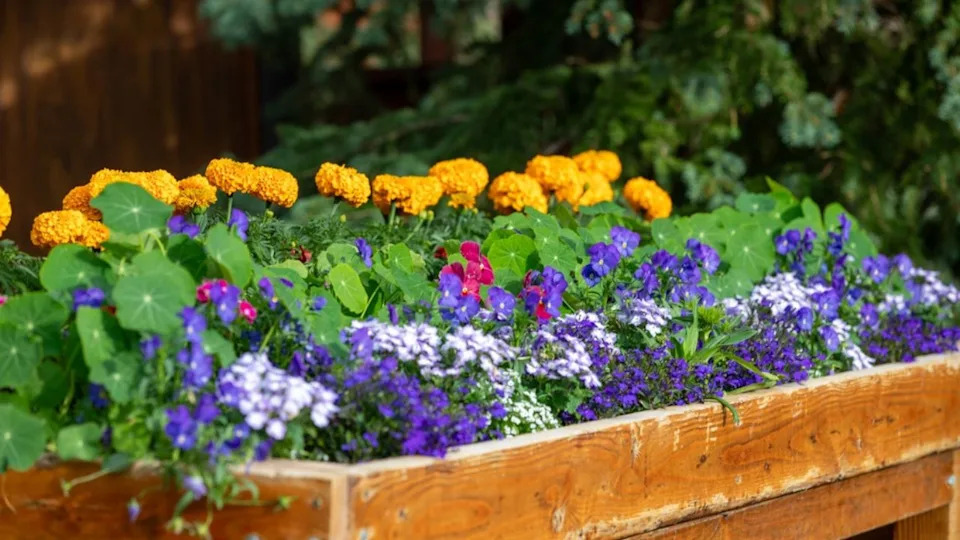
Image Credit: Shutterstock.
This is one of the oldest tricks in gardening, and it still works. Certain plant combinations create chemical confusion for pests, masking the scent of vulnerable crops. Marigolds planted directly in brassica beds have been shown to nearly eliminate cabbage moths, according to the Old Farmer’s Almanac. Chrysanthemums repel a startling list of insects, including mosquitoes, roaches, beetles, ticks, and ants.
The principle dates back to early Native American agriculture. The Three Sisters system, planting corn, squash, and beans together, used companion planting as a core strategy. The sprawling squash leaves shaded the soil, suppressing weeds and creating a microclimate that many pests found unwelcoming. Thousands of years of field-testing are hard to argue with.
3. Apply Neem Oil Spray for Broad Pest Coverage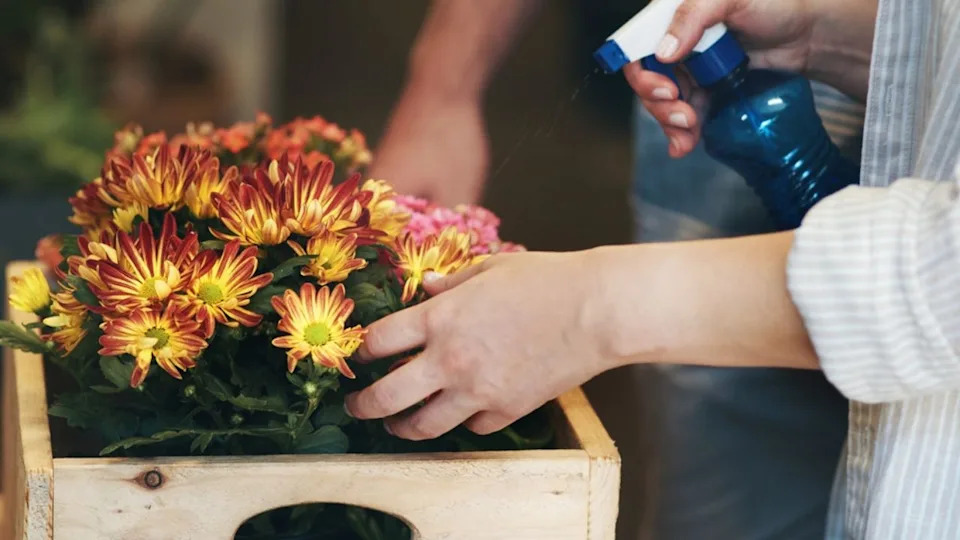
Image Credit: Shutterstock.
Neem oil is a cold-pressed natural oil extracted from the neem tree, and it is one of the most versatile tools in natural pest control. Jennifer Hankey, founder of The Green Queen pest control company, calls it a pest control powerhouse that is widely available at big-box garden centers in Homes & Gardens.
The formula is simple: two tablespoons of neem oil mixed with one tablespoon of organic dish soap in a gallon of water. Spray it on plants weekly. According to gardening expert Marco Picano, it disrupts the lifecycle of many common pests while leaving beneficial insects unharmed. Look for the OMRI (Organic Materials Review Institute) label when purchasing to confirm it is approved for organic use.
4. Sprinkle Diatomaceous Earth Around Vulnerable Plants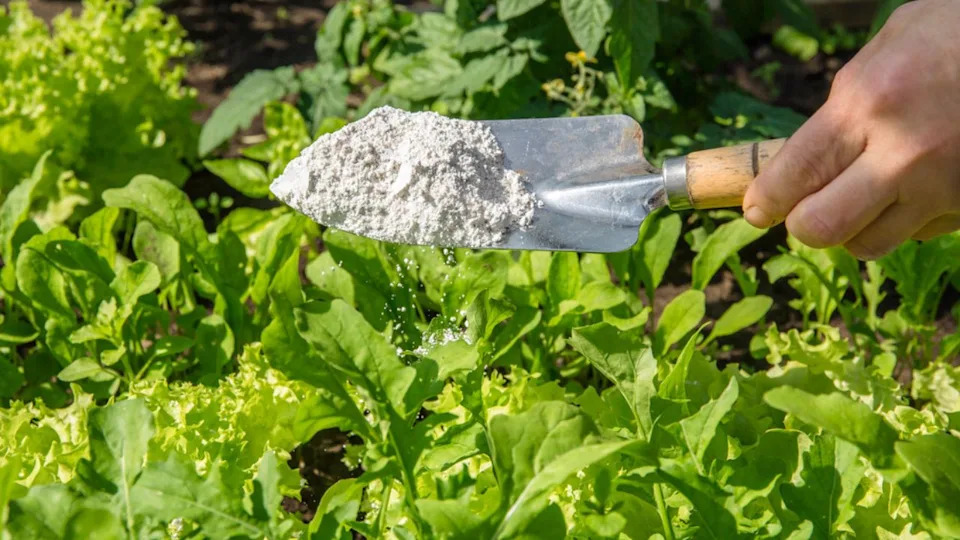
Image Credit: Shutterstock.
Diatomaceous earth (DE) is one of the most satisfying natural pest control methods because the mechanism is purely mechanical, not chemical. The fine powder is composed of microscopic fossilized algae with razor-sharp edges that pierce the exoskeletons of insects, slugs, and snails on contact, causing dehydration.
Eartheasy highlights this resistance-proof quality as a major advantage over chemical sprays, which pests can adapt to over time. Sprinkle DE around the base of plants and along garden bed edges, and reapply after rain. It is safe for children, pets, and all beneficial insects.
5. Make a Homemade Soap or Cayenne Spray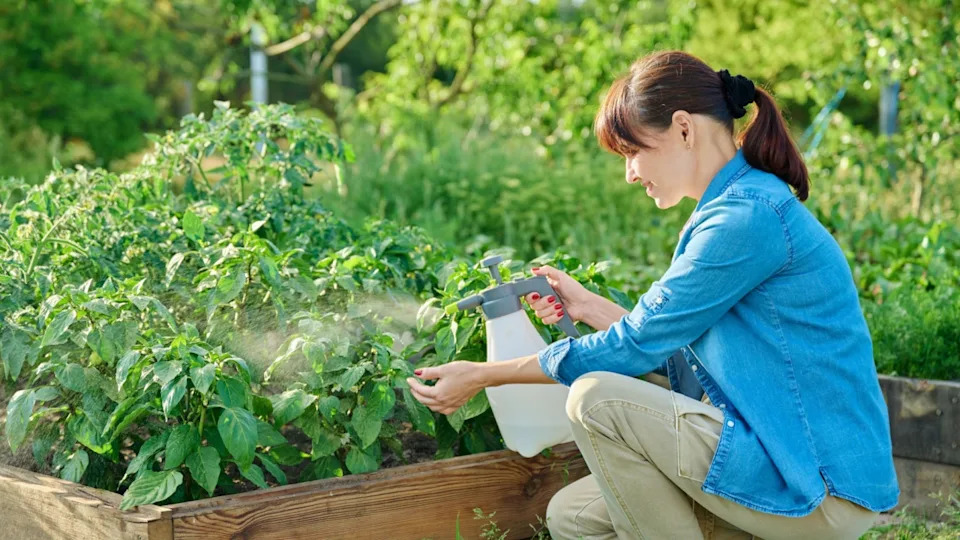
Image Credit: Shutterstock.
You likely already have the ingredients in your kitchen. Eartheasy recommends a simple canola oil spray: one tablespoon of canola oil with a few drops of unbleached dish soap mixed into a quart of water. Spray plants from above and below, making sure to coat the undersides of leaves where aphids and spider mites tend to hide.
For a spicier option, two tablespoons of hot pepper sauce or cayenne pepper mixed with a few drops of dish soap in a quart of water creates an effective deterrent for chewing insects. Let the mixture stand overnight before applying. These sprays are a last resort, not a first response, since even mild sprays can affect non-target insects.
6. Try Milky Spore for Long-Term Japanese Beetle Control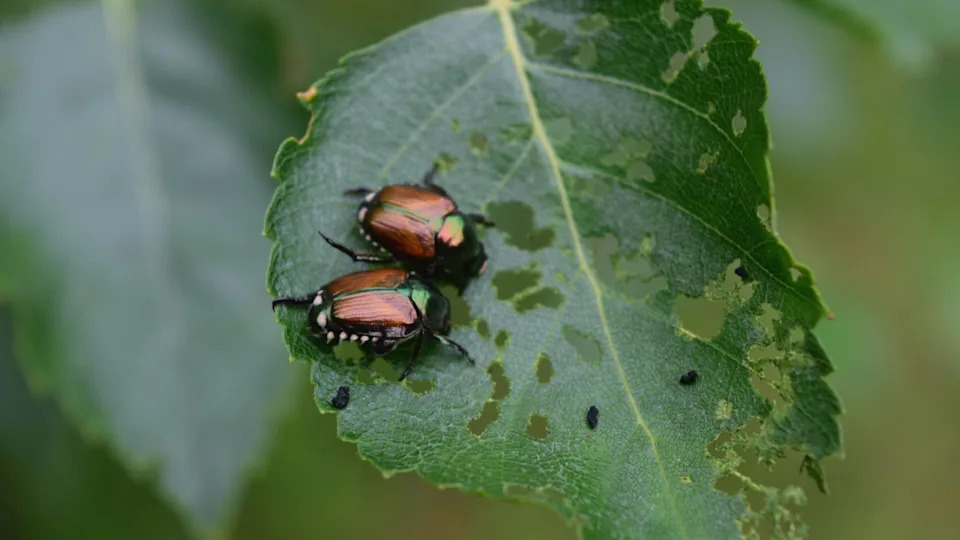
Image Credit: Shutterstock.
Here is the one that surprises most gardeners: a single application of milky spore, a naturally occurring bacterium called Paenibacillus popilliae, can protect your soil from Japanese beetle grubs for up to 15 to 20 years. That is not a typo.
As explained by organic pest supplier ARBICO Organics, when a grub ingests a single spore, that spore multiplies into up to three billion new spores inside the dying grub. Those spores are then released back into the soil, creating a self-sustaining cycle of protection. It takes a couple of seasons to fully establish, but the payoff is a garden that defends itself against one of summer’s most destructive pests, without any annual reapplication.
7. Use Physical Barriers Before Pests Arrive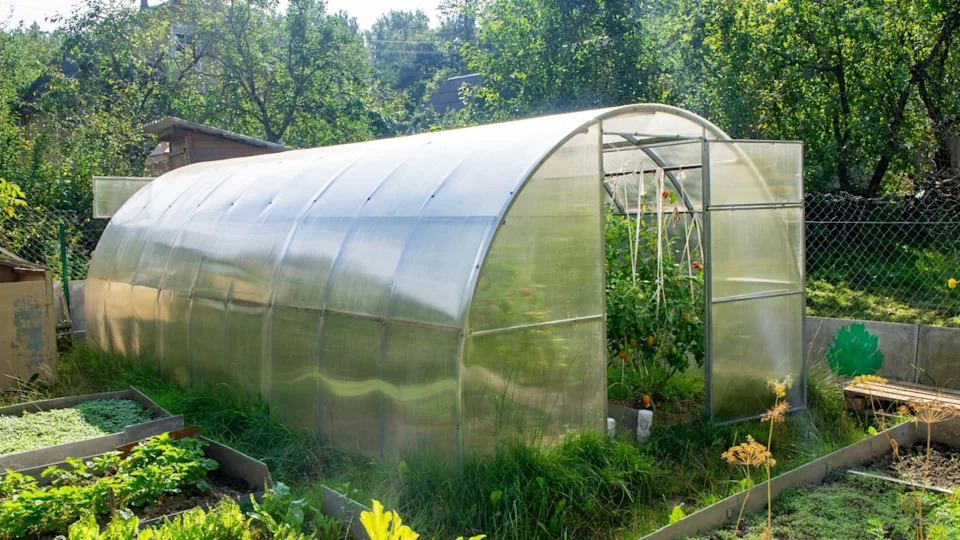
Image Credit: Shutterstock.
Floating row covers are one of the most underused tools in the home garden. A lightweight mesh fabric draped over young plants lets in water, light, and air while physically blocking whiteflies, flea beetles, aphids, and caterpillars. The key is early installation, before pests get established.
Copper tape around raised bed edges works on slugs through a mild electrical reaction when they attempt to cross it. Beer traps, made from plastic containers with holes cut in the lid, are a time-tested slug remedy that many gardeners still rely on. For squirrels and larger pests, hardware cloth or netting around individual beds remains the most reliable barrier of all.
8. Attract Birds and Frogs to Do the Work for You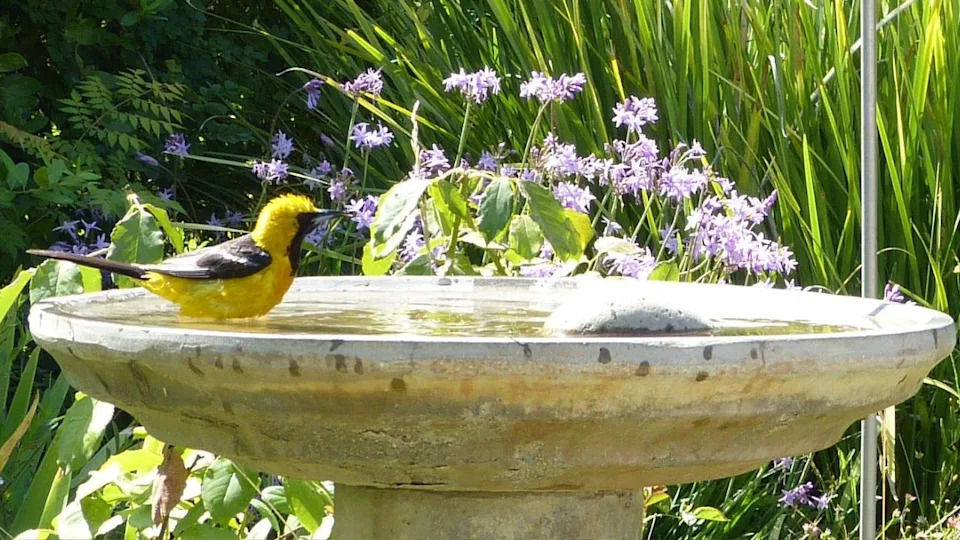
Image Credit: Mike’s Birds from Riverside, CA, US – CC BY-SA 2.0/Wiki Commons.
Birds consume extraordinary quantities of caterpillars, slugs, and beetles. A bird bath, bird feeder, or a well-placed owl box can transform your garden’s pest pressure overnight. Rachel Bull, head of gardens at Homes and Gardens magazine, notes that attracting frogs to your yard brings a significant reduction in mosquito and slug populations, since frogs are relentless feeders on both.
Creating habitat is a one-time investment that compounds over time. A small pond or even a shallow water dish at ground level can attract frogs within a single season. Owl boxes typically begin hosting residents within one to two years and deliver years of rodent and pest suppression in return.
9. Hand-Pick, Rotate Crops, and Stay Observant
Image Credit: Shutterstock.
The most experienced organic gardeners will tell you that the best pest control is a daily walk through the garden with your coffee. Early-morning inspection, when many pests are still slow and visible, allows for hand-picking before populations explode. It sounds simple because it is, and it works.
Crop rotation disrupts pest life cycles by removing the host plant from a given patch of soil each season. Many insects and larvae overwinter in soil near the plants they feed on. Move crops to a new location each year, and you break that cycle. Combined with prompt removal of spent or declining plants, which attract a disproportionate share of pest activity, rotation is one of the most effective long-game strategies available.
A Garden That Defends Itself Is Within Reach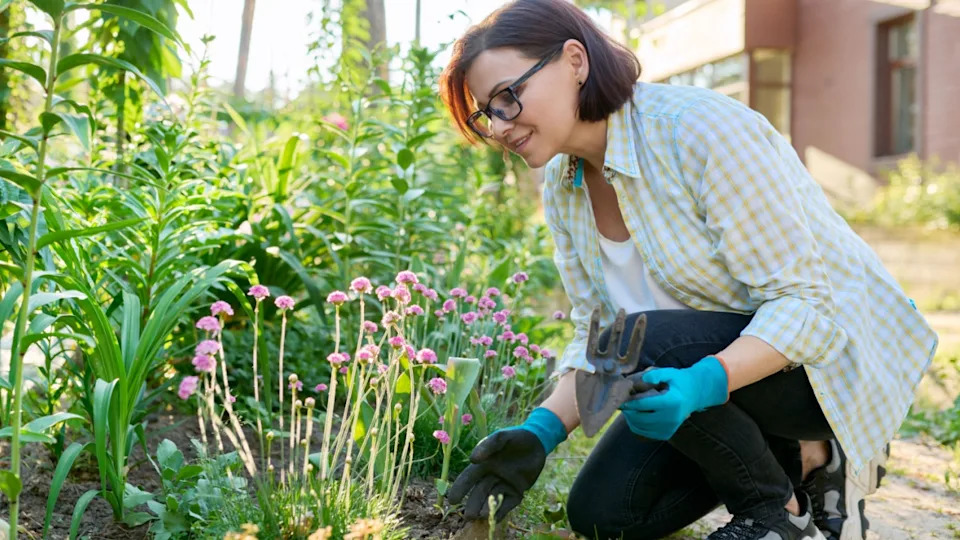
Image Credit: Shutterstock.
None of these methods promises a pest-free garden, because no garden is ever entirely pest-free, nor should it be. A healthy garden is a balanced one. What these natural pest control methods offer is something better than elimination: a self-regulating ecosystem where pests exist but do not dominate, and where the plants, insects, and soil all work in concert.
Start with one or two methods, observe what changes, and build from there. Most experienced organic gardeners report that pest pressure decreases meaningfully year over year as the soil and surrounding ecosystem grow stronger. The garden you have three years from now, when built on these foundations, will largely take care of itself.
Read more:
How to save snow-damaged trees and shrubs after winter storm Hernando
Don’t let your plants die while you’re on vacation: 7 genius hacks
Comments are closed.