
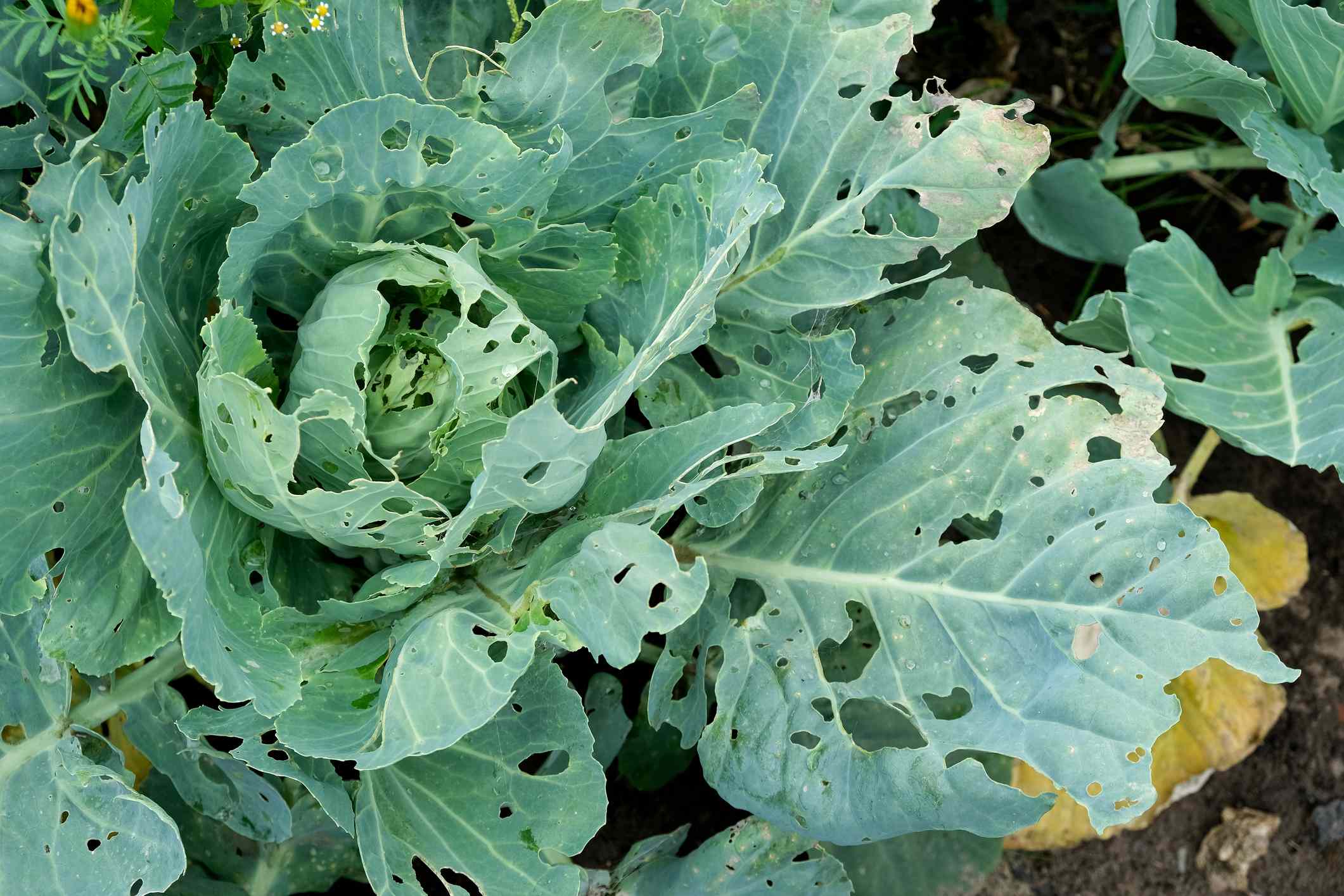
Key Points
Caterpillars, slugs, chewing insects, wildlife, and fungi are the top culprits behind holes in outdoor plant leaves. Each leaves different clues like slime trails, ragged edges, or missing buds.You can prevent damage by identifying the cause early and using natural fixes like sprays, netting, or hand removal. Understanding the source helps you act fast and protect both your plants and beneficial insects. This keeps your garden healthy without harming pollinators.
When holes suddenly appear in the leaves of outdoor plants, there’s concern that this damage may harm the plant.
There are many different causes of leaf damage to plants, but we’re narrowing our focus on the five most common causes, and methods for preventing them: caterpillars, slugs, chewing insects, wildlife, and fungal diseases.
Holes Caused By Caterpillars
There are many varieties of caterpillars (which are the larval stage of butterflies and moths), and some of them are notorious for munching on leaves. Rather than chewing holes, caterpillars tend to chew on leaf edges or devour entire leaves down to the stems. Some caterpillars can be very destructive in the vegetable garden (like cabbage worms), while others, like the spongy moth (Lymantria), eat the leaves of large deciduous trees.
Signs of caterpillar activity include:
Ragged leaf edges: Caterpillars will leave a curving yet ragged edge to the leaf they’re eating.Missing leaves: Caterpillars will often eat the entire leaf of a plant, leaving only stems or the base of a leaf behind.Eggs: These are laid by the butterfly or moth and hatch into caterpillar larvae.Frass: Also known as caterpillar poop, frass looks like grains of black pepper.Webbed nests: Some caterpillars, like tent caterpillars, make webbed nests where they feed.
How to Control Holes Caused By Caterpillars
Because caterpillars are larvae that turn into pollinating insects, most gardeners want to avoid harming them, as pollinators are important for biodiversity and keeping gardens thriving. But there are some natural methods to deter caterpillars from eating your plants, including physically removing them to another area.
Holes Caused By Slugs
Slugs are more likely to appear after heavy rain or many days of rain. They can do a lot of damage in a short period of time, and are good at staying hidden, so you may wind up with a slug infestation before you know they’re there. Snails are similar to slugs and also eat leaves, but appear later in summer, whereas slugs appear in spring.
Signs of slug activity include:
Slime trails: Slugs leave silvery sticky trails of slime as they move, so seeing this residue on walkways, door thresholds, and gardening supplies is a clear sign you’ve got an infestation.Slug bites: Slugs chomp on fruits, vegetables, and other plants they find tasty.Slug eggs: These tiny, round, white, and gelatinous eggs appear in large clusters, and they’re usually laid not far from where slugs are feeding.
How to Control Holes Caused By Slugs
Controlling slugs and snails is not too difficult if you keep an eye out for them and employ some early prevention. There are several methods for trapping slugs and snails, so you can dispose of them.
Holes Caused By Chewing Insects
Though caterpillars and slugs are the most destructive “bugs” when it comes to making holes in plants, there are other insects that also like to chew on leaves. Some insects only eat one particular kind of plant, while others enjoy a buffet of different plants. The worst offenders include Japanese beetles, aphids, thrips, squashbugs, lily beetles, and leafminers.
Signs of chewing insect activity include:
Ragged leaf holes: Chewing insects usually are not methodical and leave ragged holes in plants, especially insects that feed on vegetable leaves.Yellowing leaves: The leaf damage by chewing insects may also cause leaves to wilt and turn yellow.Insect eggs: Some chewing insects may lay their eggs on plants or nearby.
How to Control Holes Caused By Chewing Insects
Methods for controlling chewing insects vary based on the kind of insect involved, and in some cases, there may be more than one culprit: your vegetable garden offers tasty snacks for insects, especially large-leafed plants like zucchini. There are a number of natural and DIY methods for deterring insects, including netting, insect-repelling plants, and natural sprays.
Holes Caused By Wildlife
Wildlife of all kinds love to eat plants, and there are many possible culprits for leaf damage caused by local fauna. The damage varies depending on the plants and animals involved.
Vegetable gardens attract pests like ground hogs (aka woodchucks), chipmunks, rabbits, and squirrels. Some creatures enjoy snacking on tree buds and flowers, including deer. If you want a garden hospitable to pollinators that encourages biodiversity, learning to coexist with wildlife is part of the package. But protecting your broccoli from groundhogs is a reasonable goal.
Signs of wildlife activity include:
Missing buds: Deer and other wildlife may eat entire buds from plants, including roses, rhododendrons, phlox, and sedums. Chewing insects usually are not methodical and leave ragged holes in plants, especially insects that feed on vegetable leaves.Chewed leaves: Deer can ravage an entire hosta plant in minutes, eating the leaves right down to the stems.Animal feces: You may notice feces left behind by deer, bears, or rabbits.
How to Control Holes Caused By Wildlife
The best deterrents to wildlife, such as deer in the garden, are usually physical barriers like fencing, netting, and chicken wire. Certain plants and non-toxic sprays can repel them as well. Some homeowners also use motion-sensitive lighting to scare wildlife away, but this tends to work best for nocturnal animals like bears or foxes.
Holes Caused By Fungal Diseases
Various fungal and bacterial diseases can cause holes to appear in plant leaves, such as bacterial spot on tomatoes. Fungal diseases can be hard to identify, so most gardeners use general preventive methods to address them.
Signs of fungal disease include:
Discolored leaves: Disease is often the cause of leaves turning brown or yellow (though overwatering can also cause leaves to turn yellow).Spot leaves: Rough or dry spots on leaves are usually a sign of fungal or bacterial disease.Wilting or dropping leaves: Fungal disease may be the cause of leaves wilting and then dropping off your plants.
How to Control Holes Caused By Fungal Diseases
Once leaves are damaged by fungal disease (such as powdery mildew), the affected leaves need to be removed. You can also make a spray with baking soda to prevent further damage: This works well on houseplants but can be used on garden plants also.
FAQ
How to quickly get rid of bugs that eat holes?
How do you prevent plant leaves from being eaten?
Protective barriers such as netting, chicken wire, or a hoop house can protect vegetables from rodents like groundhogs. Protection from insects is more difficult though there are some natural non-toxic methods.
What are some natural methods to treat holes in leaves?
Usually the best way to repair leaf damage is to remove the leaf entirely. Trimming and pruning leaves stimulates new growth so the damaged leaves can be replaced.
Comments are closed.