
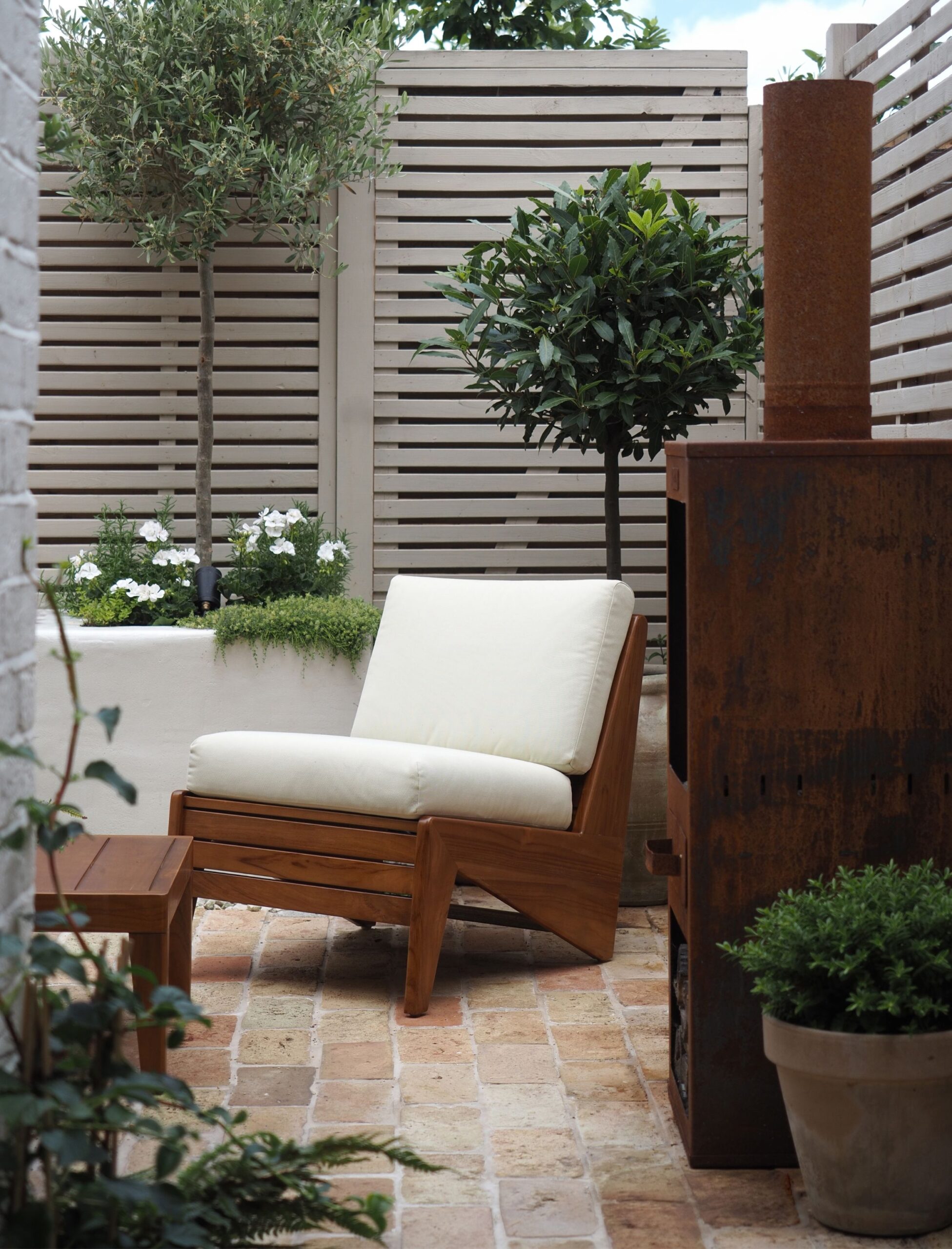
Don’t get me wrong, I love the modern slatted fences I chose for my Mediterranean-style courtyard garden, but let’s face it — nothing in life is perfect. These panels look great, especially for what I paid for them, but from installation issues to questionable privacy and problems with climbing plants, I thought I’d share a few lessons I’ve learned along the way
Now, it’s fair to say that not all slatted garden fences are created equal. I was using an off-the-shelf panel, made by Forest Gate, and available from a lot of retailers, including Toolstation. They are, realistically, a lot cheaper than many bespoke options, made from basic treated timber rather than expensive exotic woods.
However, the construction of these fences, specifically, offers some issues that can certainly be overcome by commissioning a bespoke fence, or DIYing them yourself. However, there are still some lessons to be learned, even if you don’t buy the same ones I did.
You may like
Some of the characteristics of these fences are undoubtedly problems I wish I’d known about, but there are some unexpected benefits, too.
1. Cutting Them Down Is a Fiddly Job
If you were to make a fence like this from scratch, it may be laborious work, not easy like a simpler-to-DIY type of wood fence such as a featherboard. But while they may come ready made, it’s unlikely that your garden is going to need an exact number of fences at their off-the-shelf size. That means you’ll need to cut some down to size.
I installed these fences myself, so it’s by no means beyond the scope of your DIY skills, but you’ll not only need to cut the panel down, but also remove the vertical support from the end of the panel and re-insert it into your panel.
2. Painting Them Is Time-Consuming

Even for a small garden, painting these fences is a task.
(Image credit: Luke Arthur Wells)
If you’ve ever painted a fence before, you’ll know it’s all not quite as easy as it seems. With most types of fence panel, if you’re not carefully, you’ll end up with drips on the back side of the fence — something your neighbors won’t be happy about.
My tips for painting this fence panel with smaller slats are largely the same for any fence — don’t overload your brush, for example — but for precise, tidy painting, I’d always use a brush or roller a similar size to the slat to help you better control application. That means, for this fence, a small brush like this one from Amazon, or even a micro 2 inch paint roller, such as this Amazon find. It’s going to take you a bit longer, but it’s worth your patience.
3. You Can, at Certain Angles, See Through Them

They’re not as effective as standard fences for privacy.
(Image credit: Luke Arthur Wells)
As I was first installing these panels, I thought I’d made a mistake. I live in a pretty urban area, and neighbors are close by. Unfortunately, at certain angles, because of the spacing style of these slats, you can see through the panels. These are double-sided privacy fences, so it’s not as though you can see right through at eye-level — instead, if you’re standing up at the fence and look down, you can see through to the other side.
It’s not a huge problem, though not ideal if your neighbor chooses to keep their recycling bins up against their side of the fence. However, they’re more than good enough for protecting your privacy — if you wanted something a little more lightweight for an internal screening fence, Forest Gate also do a single slatted fence, that’s a lot cheaper, but not effective enough at screening to be used as a boundary fence between neighbors.
What to read next
4. Some Climbing Plants Prove Problematic
The double-sided nature of these fences means there’s a central hollow space, which can create some issues with particularly aggressive climbing plants. In my experience, growing something like a Clematis on wires along these fences, you’ll have no problem; however, my neighbors persistent honeysuckle weaves its way through the slats, onto my side of the garden.
Yes, I can cut it back, but its tendrils become lodged in that hollow space and are difficult to remove. Given my last fence collapsed under the weight of this honeysuckle, I try to keep it at bay continuously throughout the growing season. I’m not sure these fences could stand up to a mass of it, so you have to careful which plants you choose to cover this fence.
5. They’re Light, but Surprisingly Wind-Proof
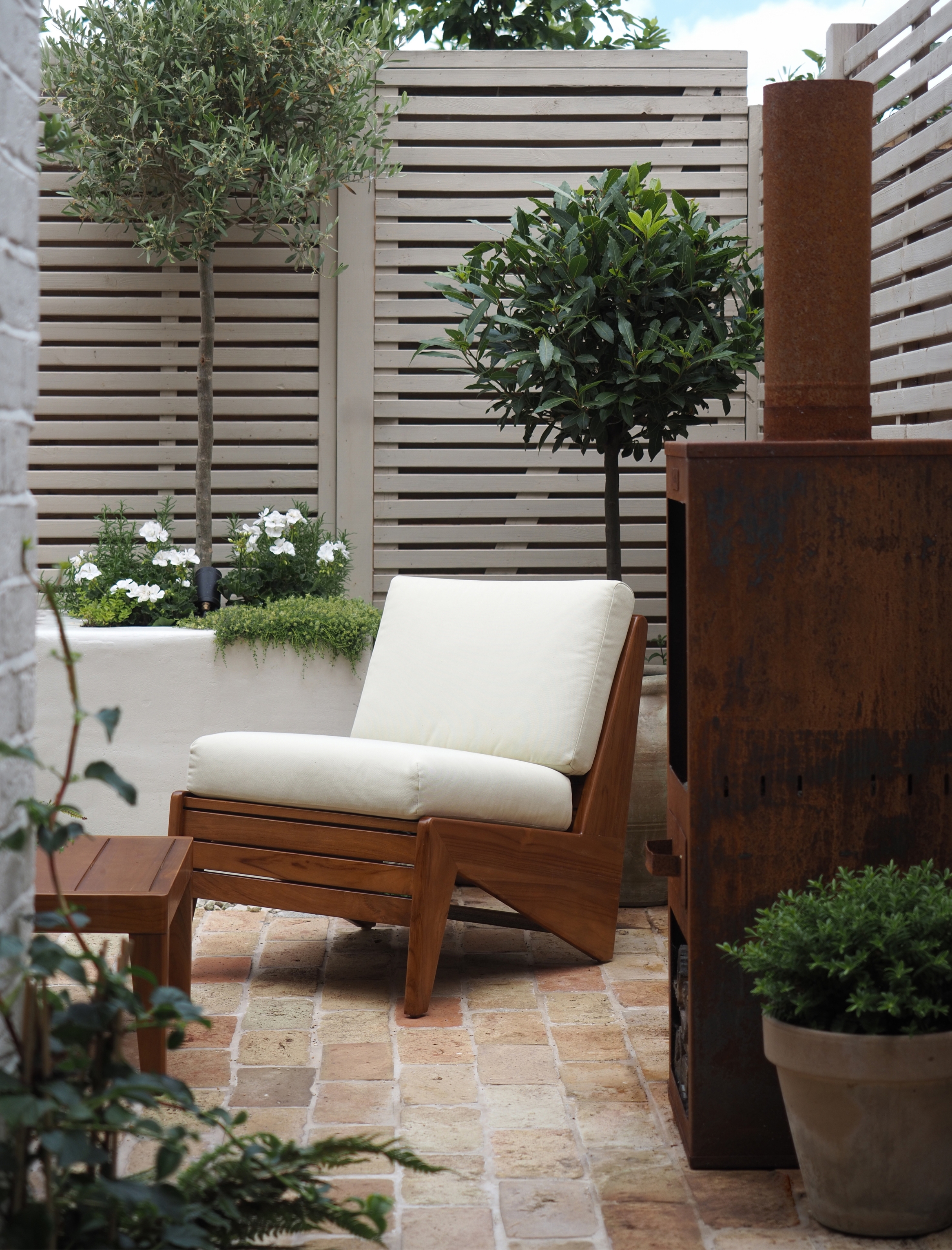
Slatted fences are ideal for windy, exposed areas.
(Image credit: Luke Arthur Wells)
Finally, some good news. I wasn’t sure if these panels felt a little flimsy before I’d fitted them on my garden’s boundary, and given my previous fences had also suffered in some particularly gale force winds, I had concerns of how these would stand up in comparison.
Yet, what I find is that these fences don’t so much rattle in a hurricane. The wind whistles right through them, so I’d imagine they’re quite an effective choice for even an exposed garden, while still providing a bit of a windbreak for your outdoor space.
As you can perhaps tell, it’s not plain-sailing, but I’m still glad I opted for them. In fact, I’m four years into my garden, and I’m only just having to repaint them for the first time this year. Yes, I’m keeping them this neutral taupe-y beige, but did you know, a lot of garden designers love painting fences in a small garden black?
For more inspiration heading into the spring season, why not sign up for the Livingetc newsletter?
Comments are closed.