
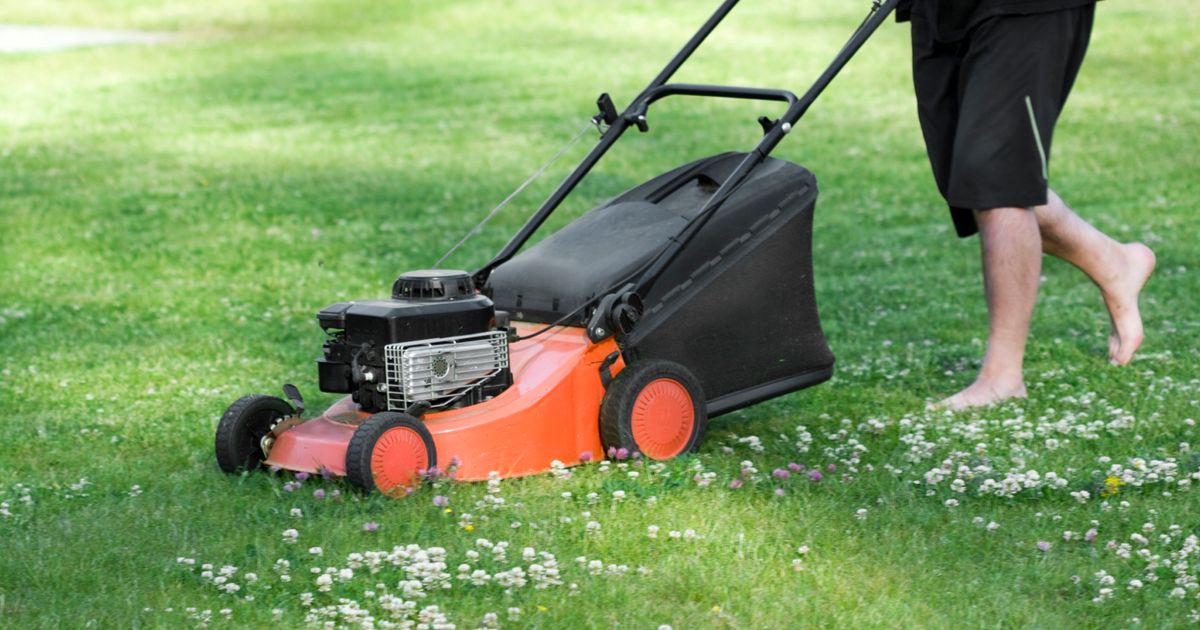
Grass is one of the earliest plants to grow in spring
A woman mowing her lawn in spring(Image: Evelin Elmest/Getty Images)
Spring is nearly upon us and many households will be getting their garden prepared for the growing season ahead. Gathering the debris from winter, such as fallen branches and leaves, is a starting point. Mowing our lawns is another important step for preparing our gardens for the warmer months.
Grass is one of the earliest plants to grow in spring, it starts growing when soil temperature go above 6C. It’s one of the last to stop growing in winter too. The Met Office has estimated that the growing season has increased by at least a month compared to 1961-90. In some areas, grass is growing all year round.
Knowing the exact date to mow your lawn can be difficult. According to Woodland Trust, the average date for the first lawn cut in the UK is March 19. This is according to 34,000 Nature’s Calendar records from 2000 to 2025.
Advice shared by the Woodland Trust for cutting grass, said: “Take just a small amount off the top of your grass on the first mow – less than a third of the height is ideal.
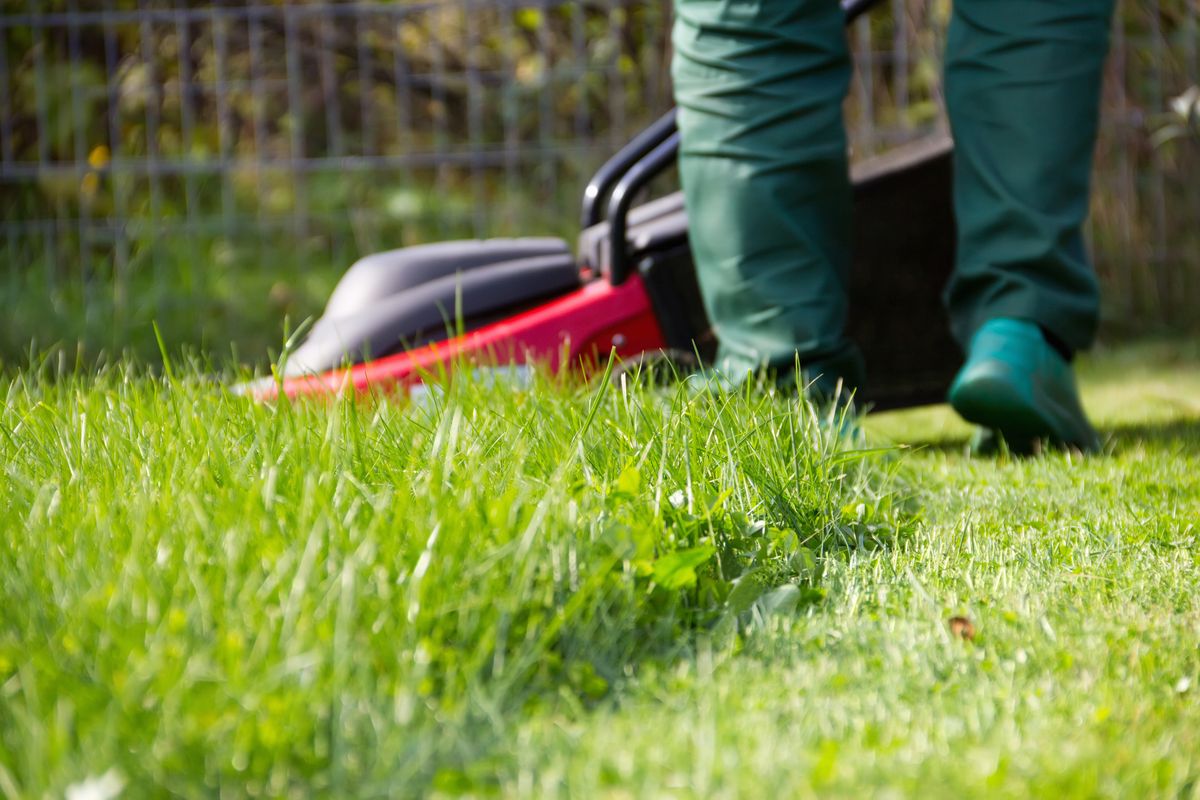
A man mowing his lawn(Image: Goydenko Liudmila/Getty Images)
“Cutting too close will stress the grass, causing shallow roots and making your lawn more susceptible to drought, disease and bare patches. You can take progressively more off over the following weeks without damaging the grass.”
You shouldn’t mow a wet lawn, this can clog your mower and damage your lawn. It’s best to wait for a dry period. Mowing the lawn later in the day is a good idea too, so any frost has thawed or dew evaporated.
Blunt mower blades rip and tear grass, this affects the health of a lawn and looks unsightly. Before you mow, you should check your lawn for any animals that could be harmed. Hedgehogs in particular like to curl up in long grass and may otherwise go unnoticed.
Clean, sharp mower blades will give the best cut. You can sharpen rotary blades yourself, but be certain the mower is switched off and unplugged before going anywhere near the blades. It’s best to take cylinder mowers to a professional.
As well as mowing the lawn, garden expert Monty Don, advised: “It is also worth giving the lawn a good scratch with a wire rake. This will get at all the overwintering thatch and moss, and let light and water get to the soil and to the roots of the grass.
“Put the debris on the compost and then mow. It will look a little bald for a week or so, but will grow back thicker than ever.”
Comments are closed.