
Image Credit: Tupungato at Shutterstock.
There is a moment, standing at the edge of Keukenhof in the Netherlands, surrounded by seven million tulips blazing in every shade of coral, cream, and crimson, when the difference between a good holiday and an unforgettable one becomes perfectly clear. A great botanical garden does not just show you plants. It changes how you see the world.
Europe is home to more than 900 botanical gardens, and for plant lovers, they represent something far richer than a pleasant detour. From the world’s oldest academic garden in Padua, founded in 1545, to a spectacular subarctic alpine collection perched above the Arctic Circle in Norway, these spaces are living museums, conservation hubs, and quietly radical acts of beauty. More than half of British travelers say green spaces and gardens are a deciding factor when choosing where to holiday. The rest of Europe is catching on fast.
The Iconic Gardens Worth Building a Trip Around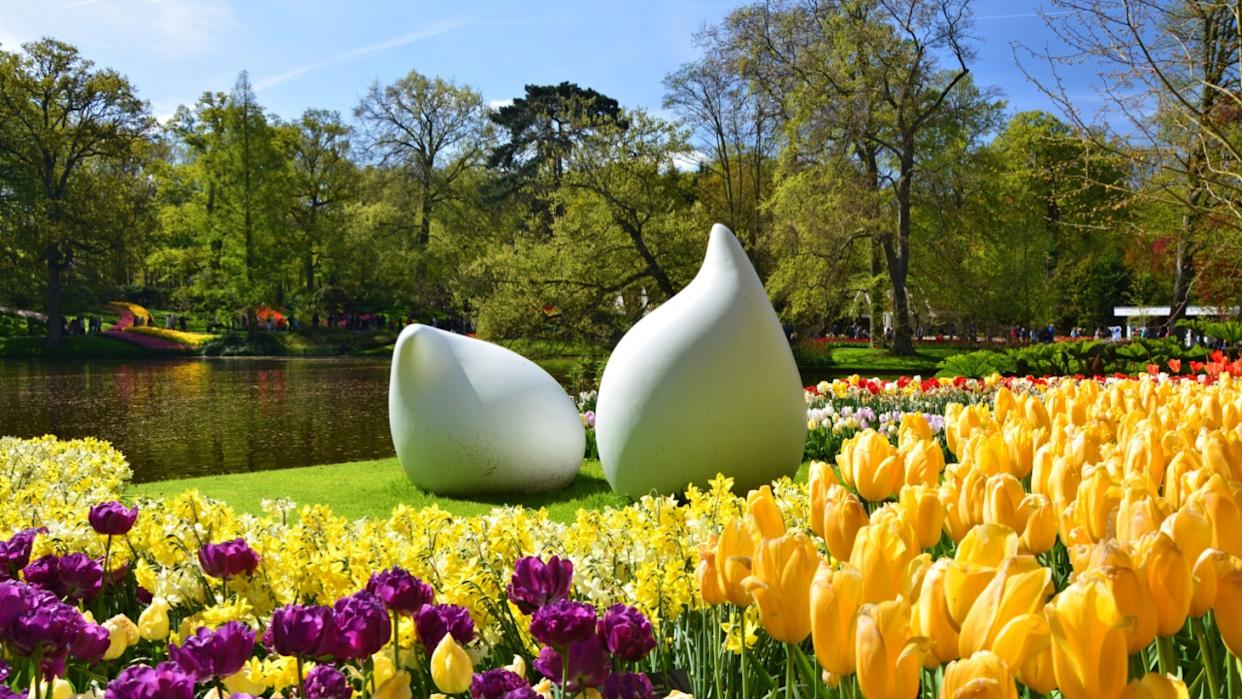
Image Credit: Shutterstock.
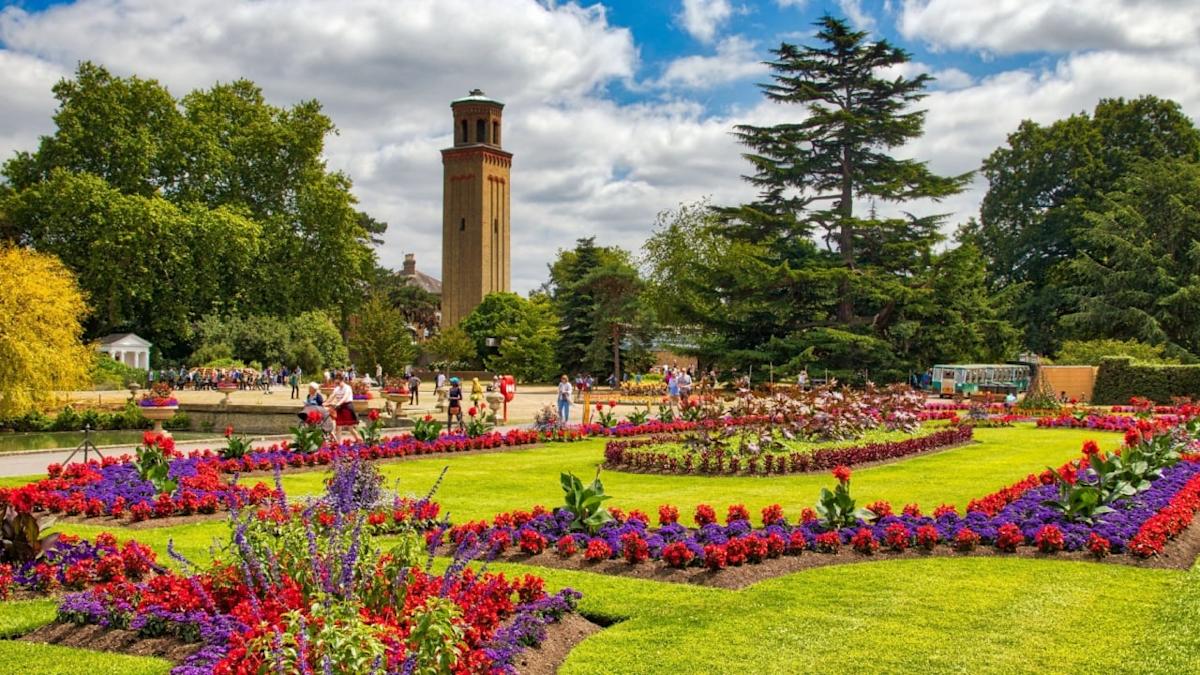
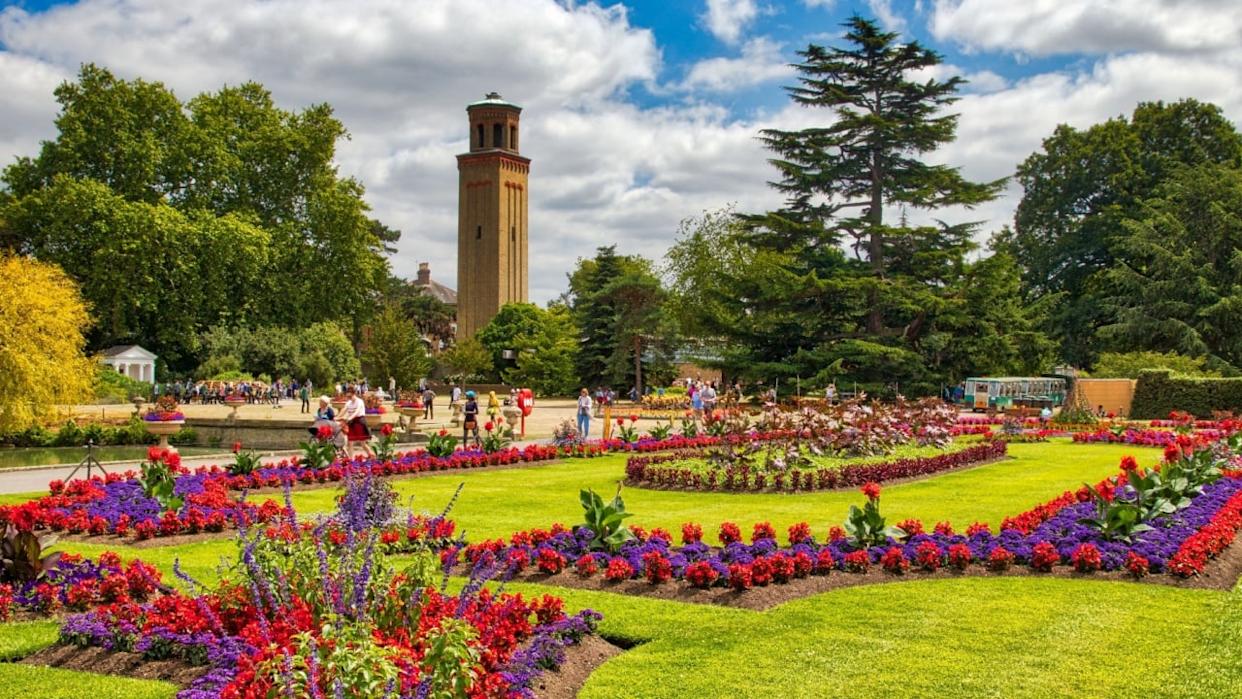
Some gardens have earned their reputations across centuries. Kew Gardens in London, a UNESCO World Heritage Site, spans 326 acres and contains over 50,000 living plants. Its Temperate House is the world’s largest Victorian glasshouse, and its Treetop Walkway offers views across the canopy that feel genuinely other-worldly. For anyone who loves plants, it is less a destination than a pilgrimage.
Keukenhof in Lisse, the Netherlands, opens only from March through May, which makes it all the more precious. Over 79 acres are planted with seven million bulbs each season; an overwhelming, intoxicating spectacle that no photograph does justice. Book tickets early; the garden sells out on sunny spring weekends.
Then there is Monet’s Garden at Giverny, France, which is less a botanical collection than a living painting. Divided into the Clos Normand flower garden and the famous water garden with its Japanese bridge and lily-covered pond, visiting Giverny is like stepping inside one of the artist’s canvases.
“Europe’s botanical gardens are not just places to see plants — they are places where you understand why plants matter,” writes Pure Travel, whose 2024 guide to European botanical gardens named Kew and Keukenhof among the continent’s most transformative garden experiences.
History You Can Walk Through
Image Credit: Wirestock Creators at Shutterstock
The Orto Botanico di Padova in northern Italy is the oldest surviving botanical garden in the world, and it is still operating exactly where it was founded in 1545. Tucked near Venice and easily paired with a canal-side weekend, its compact size, walkable in a leisurely two hours, belies the depth of its significance. The garden blends its medieval heritage with a striking modern biodiversity pavilion, and the St. Peter’s Palm, planted in 1585, is said to have inspired Goethe’s theory of plant metamorphosis. “The Orto Botanico di Padova remains one of the most important historical sites in the history of botanical science,” according to Plantum’s guide to must-see botanical gardens in Europe.
Amsterdam’s Hortus Botanicus, founded in 1638, is another essential. Originally established as a medicinal herb garden for the city’s apothecaries, it now holds one of the world’s most unusual collections of succulents, tropicals, and historical trees — including a 300-year-old Eastern Cape giant cycad that has been quietly growing in the same spot since 1686.
In Spain, the Real Jardín Botánico de Madrid, established in 1755, is home to over 4,000 plant species and a beautiful historic glasshouse. It sits just steps from the Prado Museum, making it the perfect contemplative pause between masterpieces.
The Hidden Gems Most Travelers Miss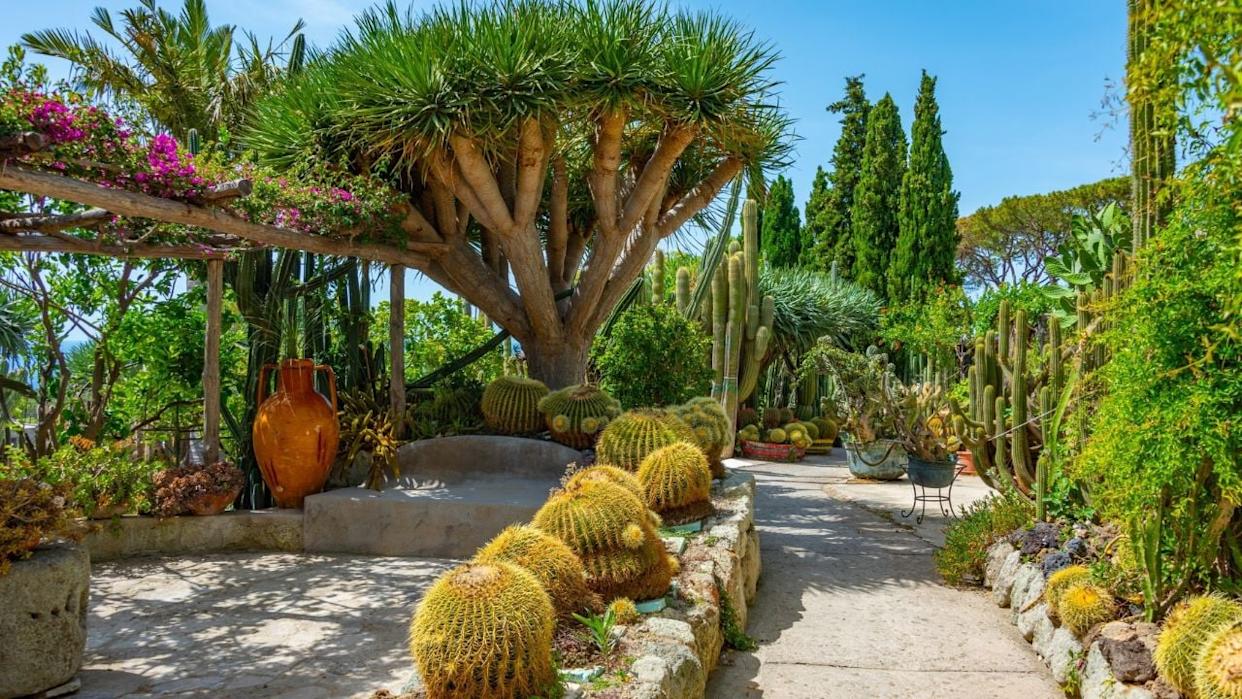
Image Credit: Shutterstock.
Florence’s Bardini Gardens, perched above the Arno with sweeping views of the city’s rooftops, are rarely crowded; a remarkable thing in a city that heaves with tourists. They offer a quieter, more intimate experience than the famous Boboli Gardens just across town, with wisteria-draped pergolas and ancient terracing that frame the city below like a painting.
On the island of Ischia off the coast of Naples, Giardini la Mortella is a hidden tropical oasis created by English composer William Walton and his Argentine wife Susana in the 1950s. Open to visitors since 1991, the garden spills down a hillside of volcanic rock, filled with exotic plants, waterfalls, and ponds, with views out over the Bay of Naples that stop you mid-step.
Bergen Botanical Garden in Norway is a well-kept secret among plant travelers. Covering more than 15 hectares, it holds an exceptional collection of alpine plants, lush rhododendrons, and an arboretum of serene beauty, all set against the backdrop of Norway’s dramatic landscape.
Practical Tips for Planning Your Garden Journey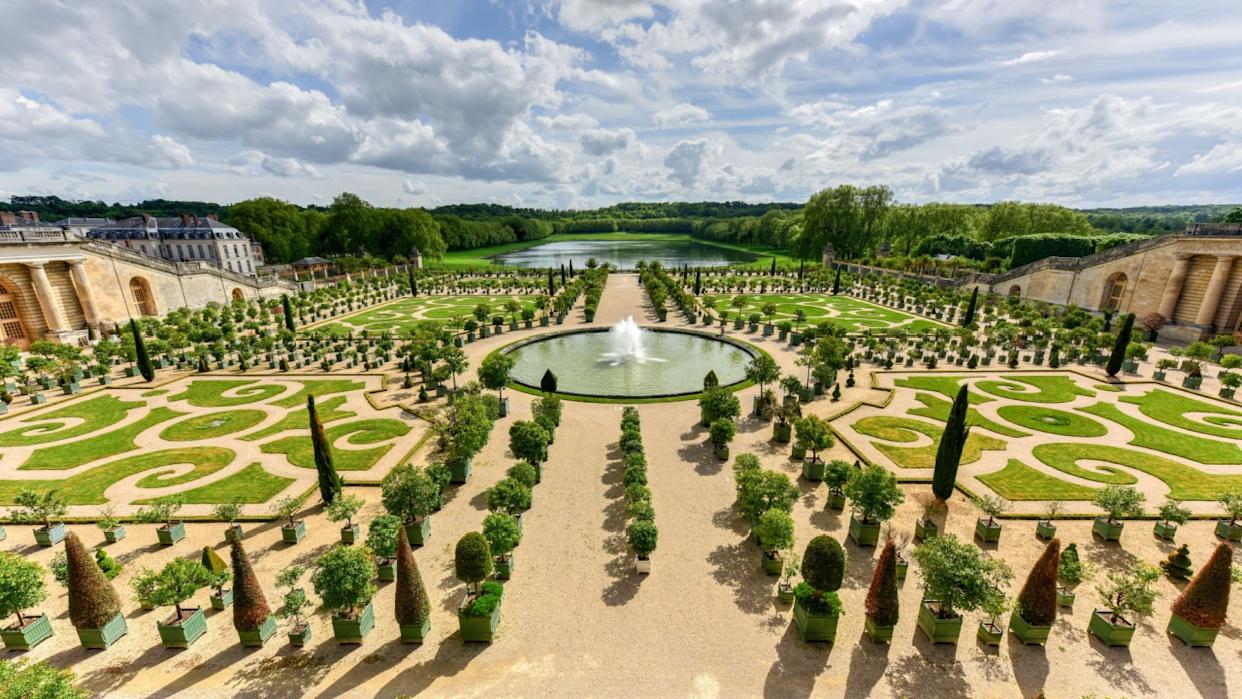
Image Credit: Felix Lipov at Shutterstock.
Timing is everything. Spring, from March through May, is peak season for bulb gardens like Keukenhof and cherry-blossom displays at gardens across France and Germany. Early summer brings the grand rose gardens to their peak, particularly at Kew and the Parc de Bagatelle in Paris. Autumn is underrated: terraced gardens transform dramatically in October and November, when persimmon trees flame orange and the light through aged greenhouse glass is simply extraordinary.
For budget-conscious garden lovers, Edinburgh’s Royal Botanic Garden, the second oldest in the UK, founded in 1670, offers free entry year-round, with 70 acres to explore, including a rock garden, alpine houses, and an arboretum. In Turin, the medieval herb garden in Valentino Park is free and features over 300 species, often with volunteer herbalists on-site.
Consider a dedicated garden itinerary rather than trying to squeeze gardens into a broader trip. Botanical Art & Artists’ comprehensive guide to European botanical gardens lists hundreds of gardens by country, making it possible to plan a region-by-region route that follows the season northward from Italy in early spring through Scotland in summer.
The best botanical gardens in Europe are not side trips; they are destinations in their own right, places that ask you to slow down, look closely, and remember what it feels like to be genuinely surprised by a plant. Wherever your travels take you this year, let the gardens lead the way. You will not regret a single detour.
Comments are closed.