

Your grandmother probably planted marigolds next to her tomatoes every single spring without being able to cite a single study. She just knew it worked.
Now, peer-reviewed research confirms she was onto something the gardening world is only beginning to take seriously, and it could transform your harvest this season for less than the price of a coffee.
Why This Matters Now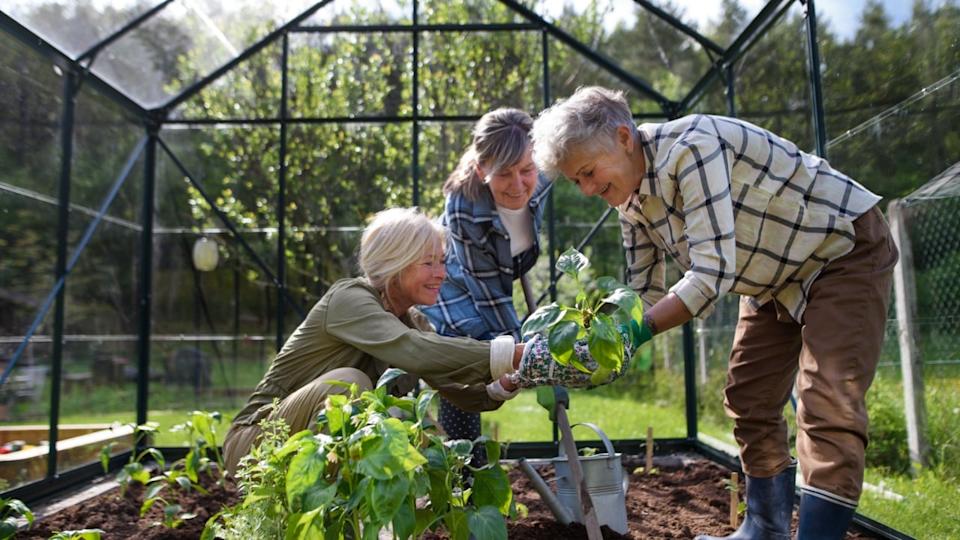
Image Credit: Shutterstock.
Spring planting season is here, and most gardeners are about to make the same mistake: planting their tomatoes alone. A handful of inexpensive companion plants, tucked in around your tomato beds, can reduce pest damage, improve pollination, and dramatically increase your yield.
You do not need to redesign your garden. You just need to give your tomatoes the right neighbors.
The Science Behind Your Grandmother’s Marigolds
Image Credit: Shutterstock.
If your grandmother lined her tomato beds with marigolds, she was practicing one of the most well-documented companion planting strategies in horticulture.
A study published in PLOS ONE by Conboy et al. confirmed that French marigolds (Tagetes spp.) suppress root-knot nematodes, tiny soil-dwelling parasites that silently devastate tomato root systems.
The results are striking. What this means in practice is that tomatoes planted alongside French marigolds have shown yield increases of up to 50%, according to field research compiled by Gardener’s Path and the University of Minnesota Extension. That is not a marginal improvement; that is the difference between a disappointing harvest and a genuinely abundant one.
French marigolds also release a compound called pyrethrum, which repels the moths responsible for laying tomato hornworm eggs. The keyword here is “French.” Not all marigold varieties offer the same benefits. If you are buying marigolds specifically for your tomato beds, look for Tagetes patula varieties like ‘Sparky Mix’ or ‘French Vanilla.’
Why Basil Belongs Next to Every Tomato Plant You Grow
Image Credit: Shutterstock.
Basil and tomatoes are a classic pairing on the plate, but the real magic happens in the garden bed. Research from Ahmad et al. in the American Journal of Plant Sciences found that planting basil alongside tomatoes at a 1:1 ratio produced results comparable to chemical fertilizer in terms of plant size, fruit yield, and root growth.
A 2024 study published in Plant Cell Reports went further, revealing the mechanism behind this relationship. Basil releases volatile compounds that prime a tomato plant’s wound response through MAPK and ROS signaling pathways. In plain terms, basil helps tomatoes defend themselves faster when insects attack.
Four Companion Plants That Will Actually Hurt Your Tomatoes
Image Credit: Shutterstock.
Not every garden neighbor is a good one. Knowing which plants to avoid can save you from a frustrating season. No matter what companion plants you add near your tomatoes, having these nemesises nearby won’t be doing you any favors.
1. Fennel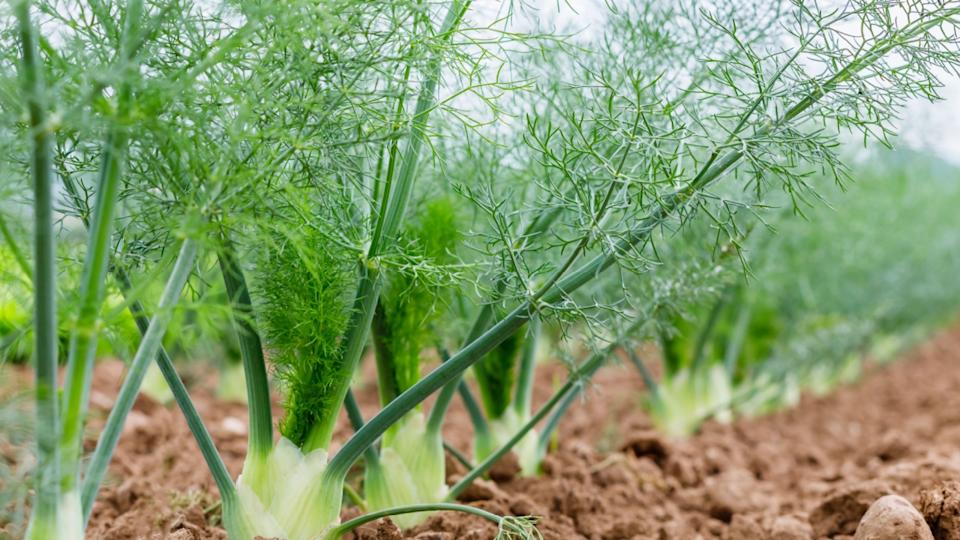
Image Credit: Shutterstock.
Fennel tops the list. According to the Gardenary, fennel secretes allelopathic chemicals that actively inhibit the growth of tomatoes and many other garden plants. Keep it in its own container or a far corner of the yard.
2. Brassicas
Image Credit: Shutterstock.
Brassicas like cabbage, broccoli, and kohlrabi compete aggressively with tomatoes for nutrients. Both are heavy feeders, and in direct competition, tomatoes usually lose. As the University of Minnesota Extension notes, brassicas also prefer cooler growing conditions, making them a poor seasonal match.
3. Corn
Image Credit: Shutterstock.
Corn attracts corn earworms and tomato fruitworms, which are actually the same pest species. Planting them near each other creates a buffet that concentrates damage. Corn’s tall, dense foliage also shades out sun-loving tomatoes.
4. Dill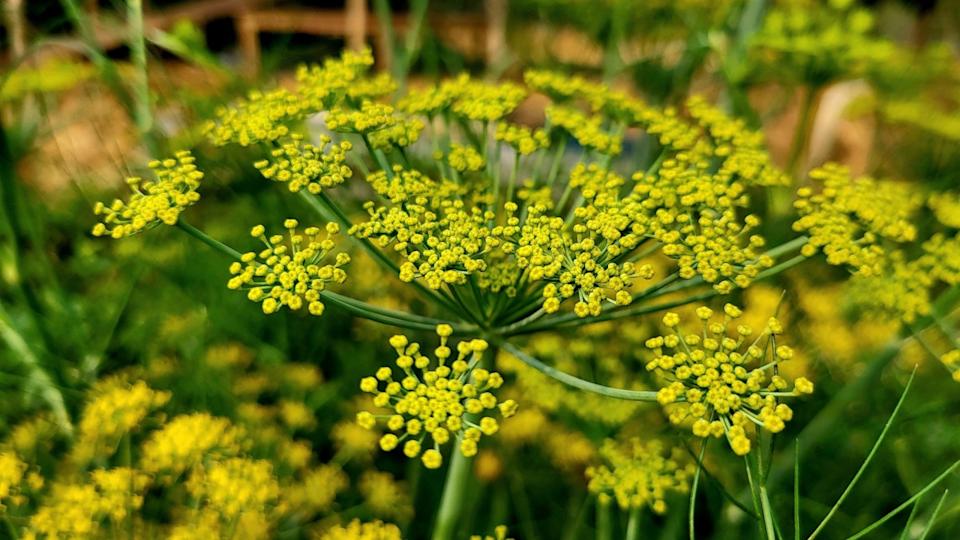
Image Credit: Shutterstock.
Dill deserves a special warning. Young dill attracts beneficial insects like braconid wasps and ladybugs, making it a helpful early-season companion. But according to Mary Dyer at Gardening Know How, once dill matures, it releases chemicals that can stunt tomato growth. If you plant dill near your tomatoes, harvest it before it goes to seed.
What Most Companion Planting Guides Get Wrong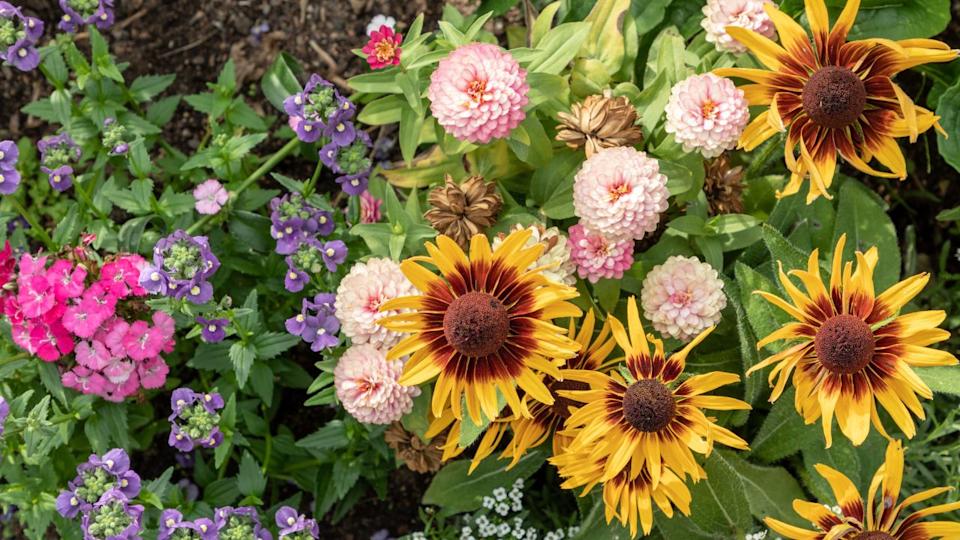
Image Credit: Dietmar Rabich, CC BY-SA 4.0/Wiki Commons.
Here is where things get refreshingly practical. Much of the companion planting advice online treats your garden like a rigid chessboard, where every plant must occupy a precise position relative to its neighbors. Real-world experience tells a different story.
What matters more than exact positioning is airflow. Overcrowding your beds with companions, however well-intentioned, can increase humidity and raise the risk of fungal diseases like early blight. Leave enough space for air to circulate between plants.
Timing also matters more than proximity. Planting nasturtiums as trap crops is only effective if they are in place before pest populations peak. Starting carrots early means they are established before your tomato canopy blocks their light. When matters as much as the where.
Your Simple Starter Combination
Image Credit: Shutterstock.
If this is your first season with companion planting, start with three plants: basil, French marigolds, and one herb from the mint family, such as rosemary or thyme. This combination covers pest repellence, pollinator attraction, and nematode suppression without overcomplicating your beds.
All three work well in containers as well. If you grow tomatoes in pots on a patio, tuck a basil plant into the same large pot and ring the base with a few French marigolds.
The Simplest Upgrade You Will Make This Season
Image Credit: Shutterstock.
Your grandmother did not need a published study to know that her tomatoes grew better with marigolds and basil nearby. She trusted what she saw, season after season. The good news is that science has now caught up, and the verdict is clear: companion planting works.
A few dollars’ worth of seeds or starts, planted alongside your tomatoes this spring, could mean more fruit, fewer pests, and a healthier garden overall. That is the kind of simple, low-risk upgrade that makes a real difference, not just this year, but every season after.
Comments are closed.