
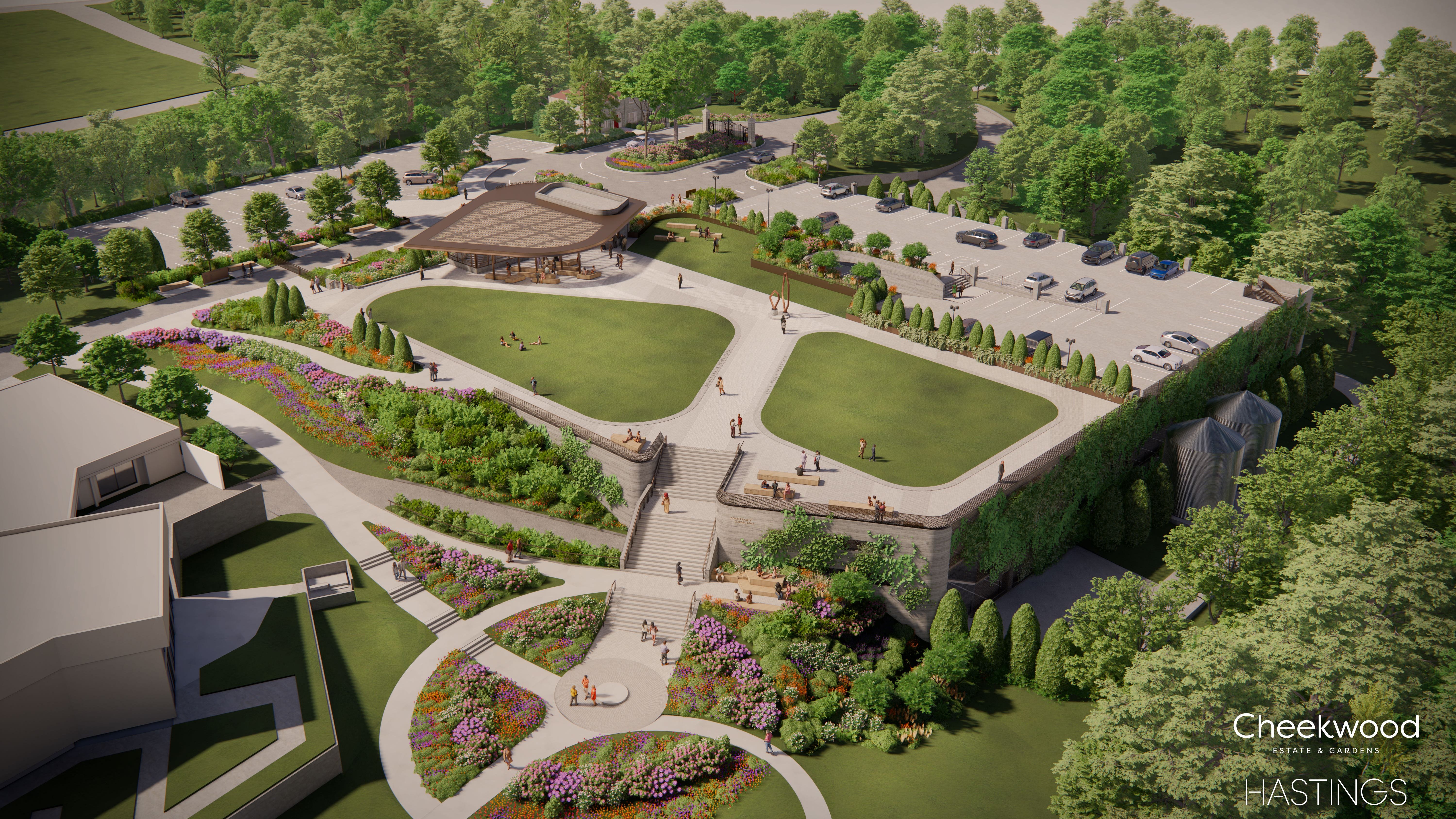

Cheekwood unveils plan to add 750 parking spots
By 2027, Cheekwood must relocate its overflow parking off city property.
Hastings / Provided by Cheekwood
A new gardening program aimed at boosting design skills and ecological knowledge is set for launch at Cheekwood this spring.
Known as the Cheekwood Advanced Garden Design Certificate, the program is designed for gardening enthusiasts hoping to enhance their craft within a community of like-minded individuals. It will be made up of six core courses and three electives, alongside three Garden Gatherings and mentorship support for each student.
Cost is $650 for Cheekwood members and $700 for those yet to join.
Of the core courses, students can expect to learn about advanced garden design principles, sustainable gardening practices, and plant health and pathology, among other areas. The program spans 11 months and will provide a comprehensive understanding of seasonal variations at Cheekwood and in one’s own garden.
Students will work on creating their own learning portfolio, with a focus on advanced design, horticulture, and ecology.
Unique interests will be highlighted through elective courses spanning three themes: edible gardening, seasonal topics, and garden history and culture.
The program starts with a session dedicated to soil and site analysis on May 16, followed by subsequent courses in June, September, October, January, and February.
For those who might not be ready to commit to an 11-month program, Cheekwood offers a variety of single-session classes priced at $32 for members and $40 for the non-members.
Here are the courses offered in the single-session series.
Math in Bloom: Matrix Planting 101
Matrix planting uses repeating plant communities to achieve the layered, dynamic structure of a meadow. Learn how to apply this modern design strategically in your own landscape. This class is part of an all-day event celebrating Math in Bloom. It will take place from 9:30-11:30 a.m. on March 14.
Math in Bloom: Maximizing Your Garden Space
Small yard? Big ambitions? Big space? Not sure where to start? Learn how to optimize planting layouts, create efficient pathways, and design functional garden spaces that make the most of your garden. This class is part of an all-day event celebrating Math in Bloom. It will take place from noon-2 p.m. on March 14.
Spring Container Design
Bring instant color and beauty to porches, patios, and entryways. Apply the classic “thriller, filler, spiller” formula to your own style and learn plant combinations that deliver months of visual impact in this class, scheduled from 2:30-4:30 p.m. on March 21.
Growing Roses in Middle Tennessee
Learn the secrets of growing beautiful, healthy roses in our climate in this class, taught in partnership with a local rose expert. From site selection and soil prep, to pruning and disease management, this class will set you up for success. It takes place from noon-2 p.m. on April 11.
Designing with native plants
Native plants and pollinators support resilient, ecologically sound landscapes. Can they also be beautiful? Absolutely! This class reviews why native plants are special, how to select species for different site conditions, and how to combine them into stunning, functional garden designs that benefit your whole neighborhood. It takes place from 9:30-11 a.m. on April 11.
Japanese Garden design
Explore the contemplative beauty of Japanese garden design through the lens of Cheekwood’s own Blevins Japanese Garden (Shōmu-en). Lisa Manning will share insights from her travels in Japan and reveal key design principles that you can adapt to your own landscape in this class, scheduled from noon-2 p.m. on April 18.
Those interested in the certificate program may email education@cheekwood.org for more information about the full curriculum and additional experiences. Registration is available for the single class sessions at cheekwood.org.
Disclaimer: This story was created by editor Nicole Young at nyoung@tennessean.com, with the assistance of Artificial Intelligence (AI). Journalists were involved in every step of information gathering, review, editing and publishing.
Learn more.
Comments are closed.