
All Are Welcome!
This is a weekly blog with a fun vibe that often veers off gardening, so stop on by and join the conversation. We are here every Saturday at 9AM Eastern with new content and chit chat continuing throughout the week.
══════ ∘◦❀◦∘ ══════
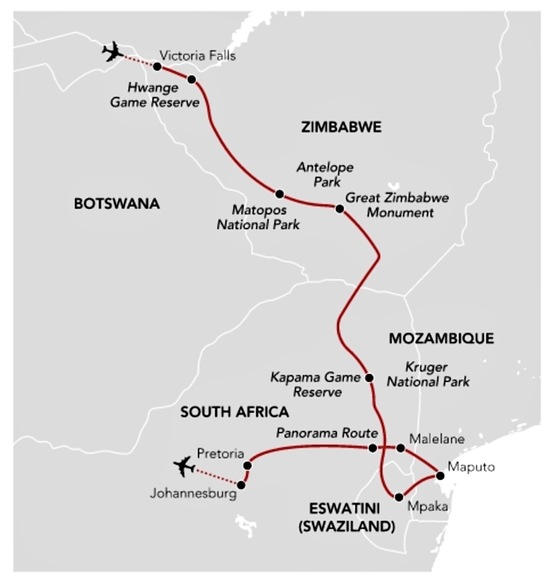
Our train safari route
We are veering off the garden path today, although we will visit a botanical garden. Mr M and I spent November 2025 in Africa. The last two weeks consisted of a train safari across southeast Africa. (The first half of the month was in North Africa.) Towards the end of our safari we visited the countries of Eswatini and Mozambique.
══════ ∘◦❀◦∘ ══════
Eswatini (formerly Swaziland)
We visited the Ezulwini Valley in Eswatini on day 8 of our train trip, with our train stopping in Mpaka. Our guide mentioned that the Eswatini government recently accepted “criminal” deportees from the U.S., in exchange for payment. We took him aside and explained that those being deported weren’t necessarily criminals. He was quite surprised to hear it.
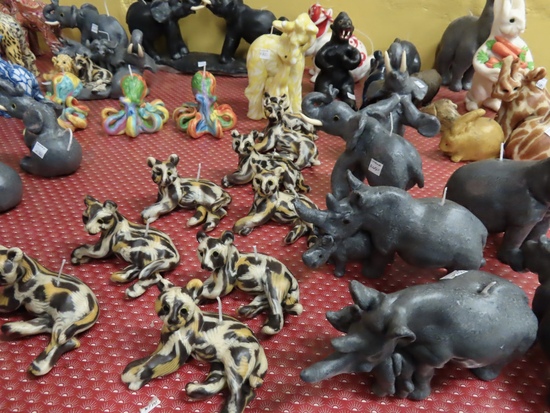
Animal candles at a craft shop
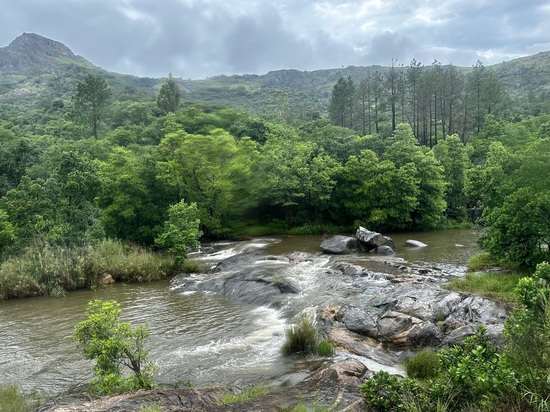
Lushushwane river
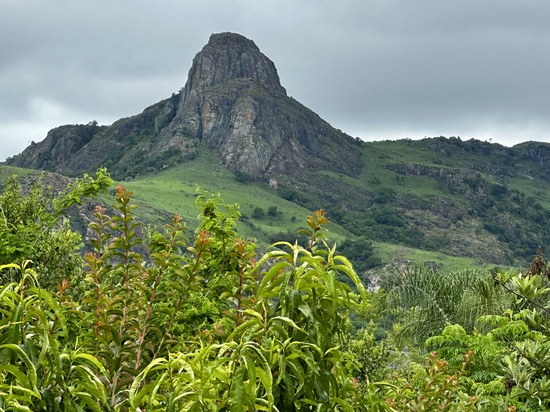
Execution Rock, Nyonyane mountain
Eswatini is an absolute monarchy with constitutional provision and Swazi law and customs. The head of state is the king or ngwenyama (lit. ‘lion’), currently King Mswati III, who ascended to the throne in 1986 after the death of his father King Sobhuza II in 1982 and a period of regency. According to the country’s constitution, the ngwenyama is a symbol of unity and the eternity of the Swazi nation. By tradition, the king reigns along with his mother (or a ritual substitute), the ndlovukati (lit. ‘she-elephant’). The former was viewed as the administrative head of state and the latter as a spiritual and national head of state, with real power counterbalancing that of the king, but during the long reign of Sobhuza II, the role of the ndlovukati became more symbolic tradition. (Wikipedia)
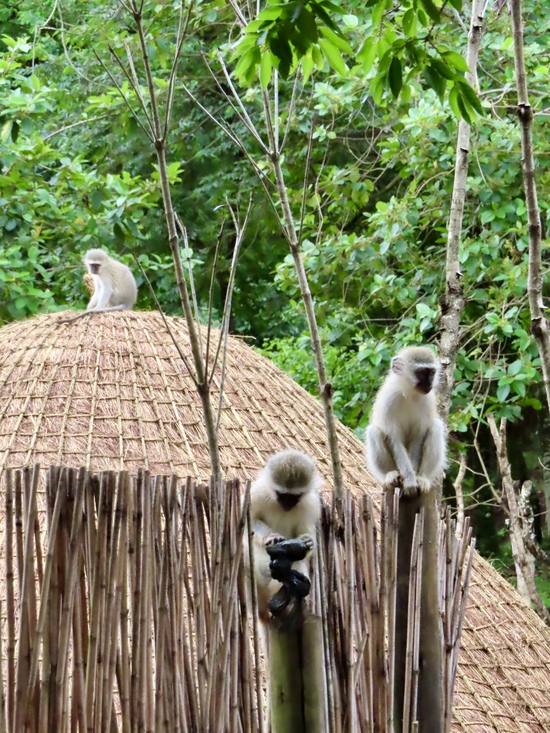
Vervet monkeys at Mantenga Reserve Cultural Village
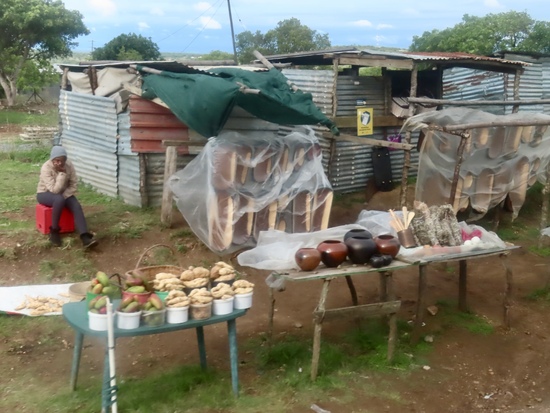
Veggies and wares along the road
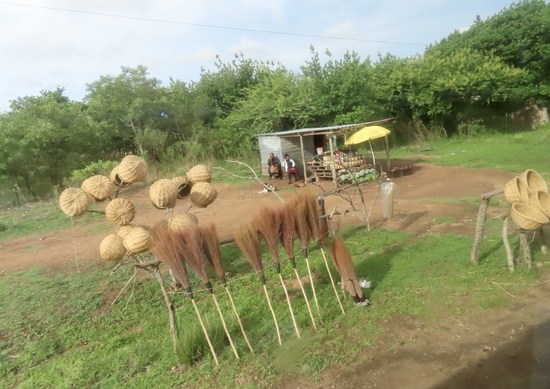
Baskets and brooms
══════ ∘◦❀◦∘ ══════
Maputo, the capital of Mozambique (day 9)
First stop: The Central Market!
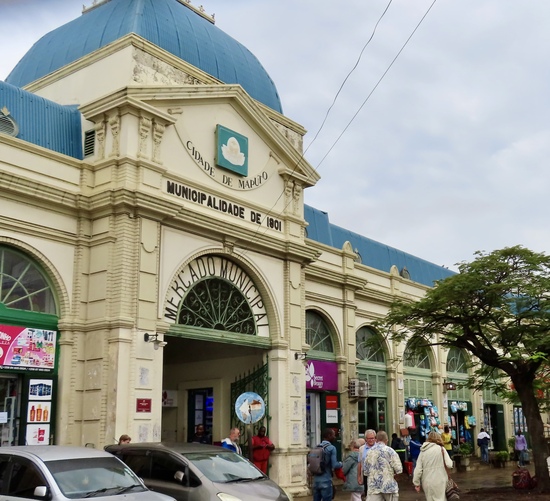
Circa 1900 Market building, rehabilitated in 2001
So much to see and experience!
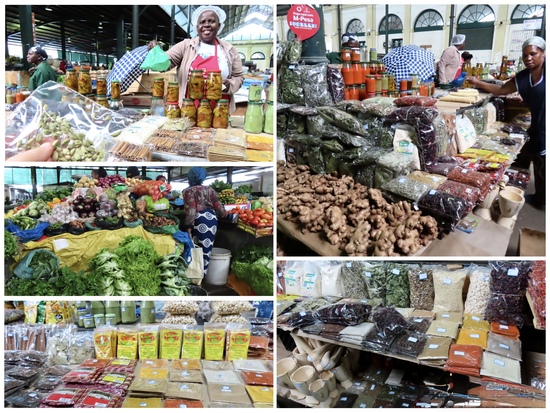
Upper left, I bought some cardamom pods
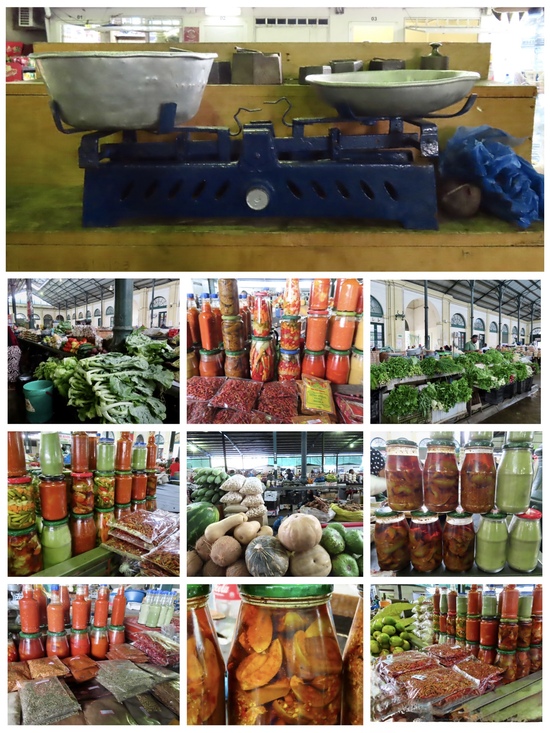
Lots of jarred items. The green jars are full of powder used for the heart. I don’t know the source plant.
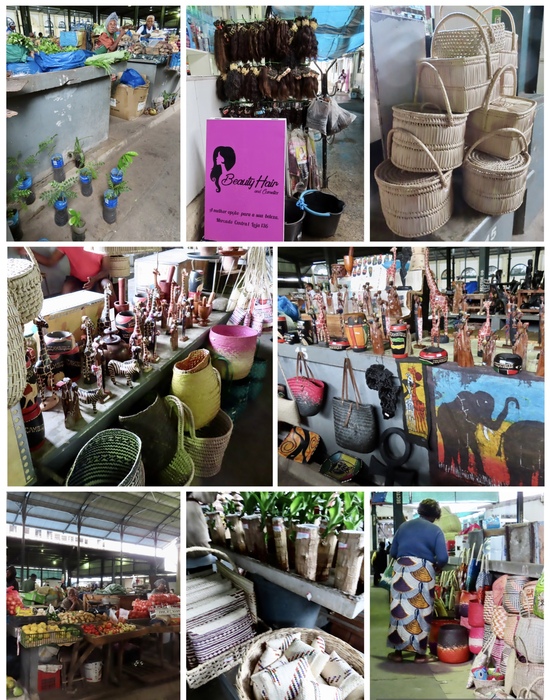
You can even buy human hair extensions at the market
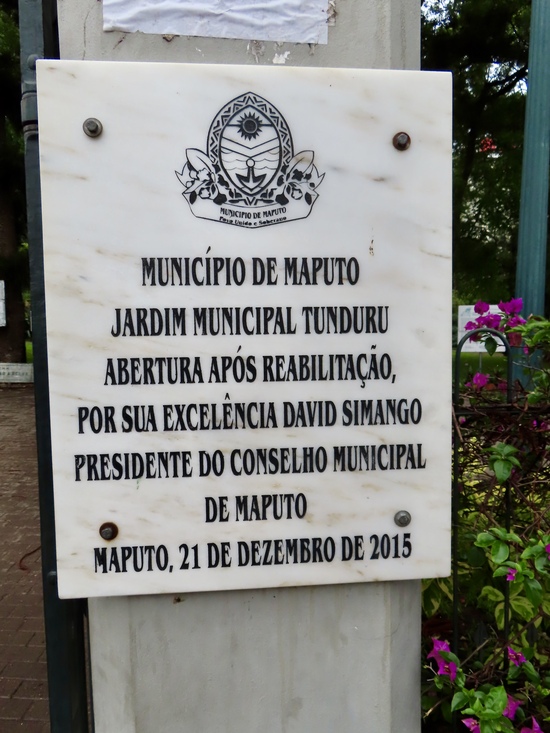
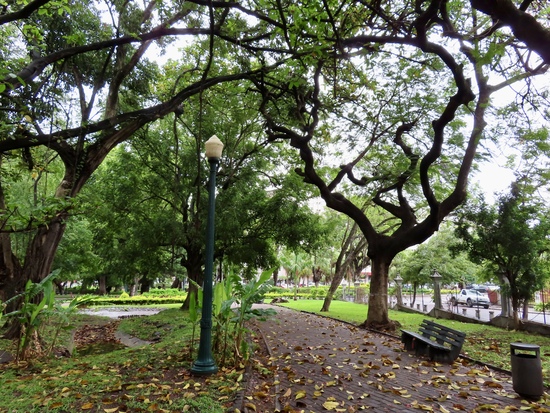
The garden was renovated in 2015
The next stop in Maputo was the Franco-Mozambican Cultural Centre (CCFM). The Tunduru Botanical Gardens were a couple of blocks away so Mr M and I immediately set off to find them.
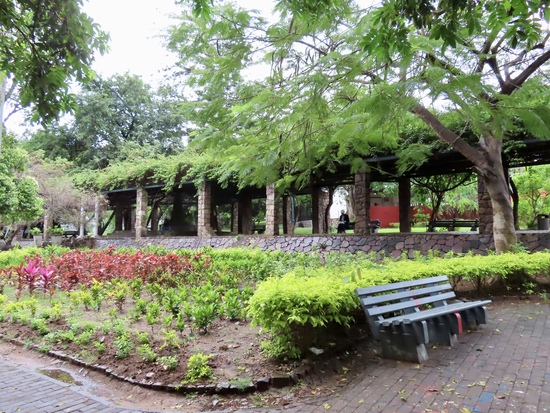
Tunduru Gardens were established in 1885 in Lourenço Marques, the capital of Portuguese East Africa (now Maputo, Mozambique), during the colonial period. The gardens served as a public botanical space designed to offer respite from the urban environment through shaded areas amid tropical vegetation. (Grokipedia)
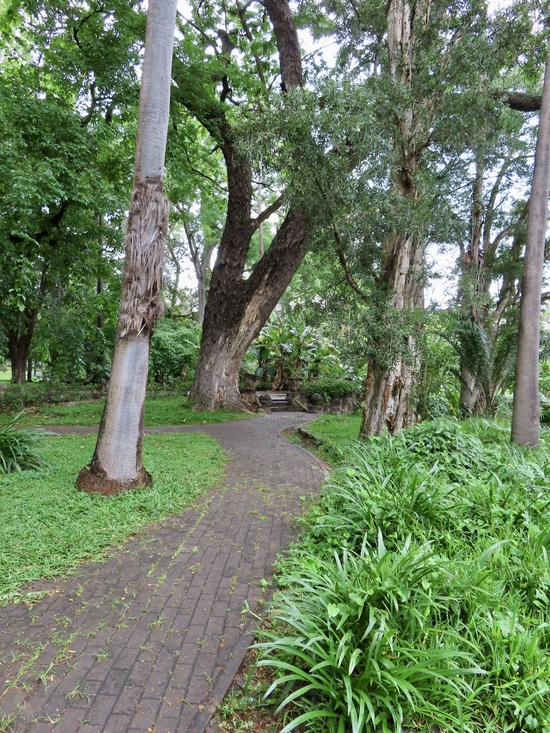
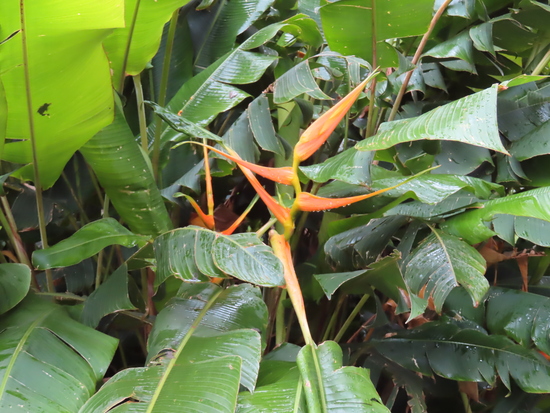
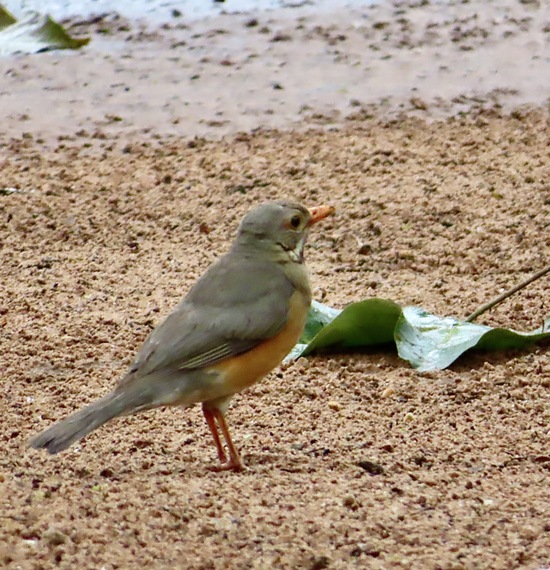
Kurrichane Thrush
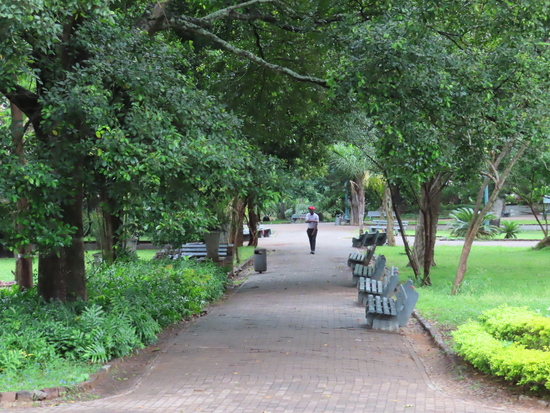
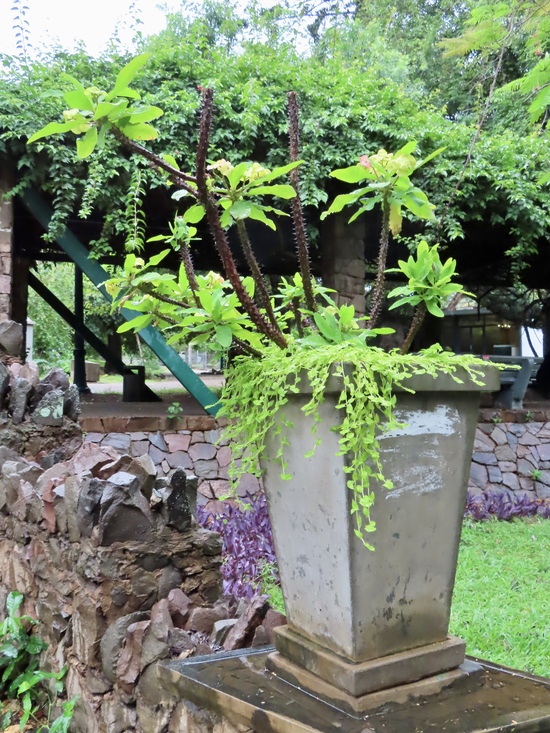
Nice stone wall
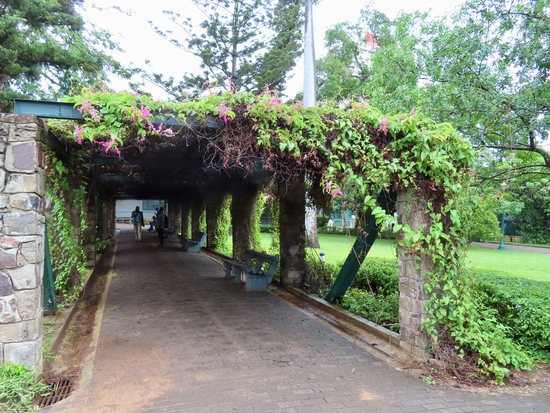
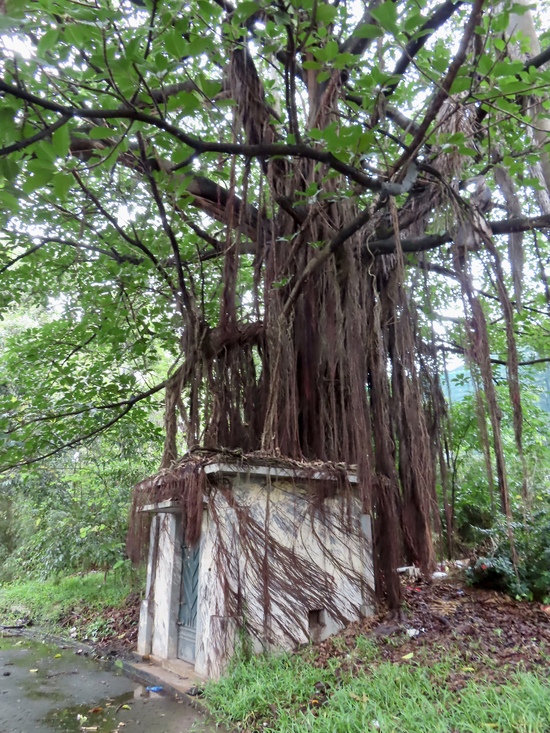
As we walked through the grounds, we heard raucous calling, it sounded like Starlings. Of course we investigated — it was a huge colony of bats!
Tunduru Gardens hosts a notable colony of straw-coloured fruit bats (Eidolon helvum), which roost in the garden’s mature trees during the day and become active at dusk, departing in large numbers to forage. This species, one of Africa’s largest megabats with a wingspan reaching up to 1 meter, forms a prominent feature of the gardens’ wildlife. (Grokipedia)
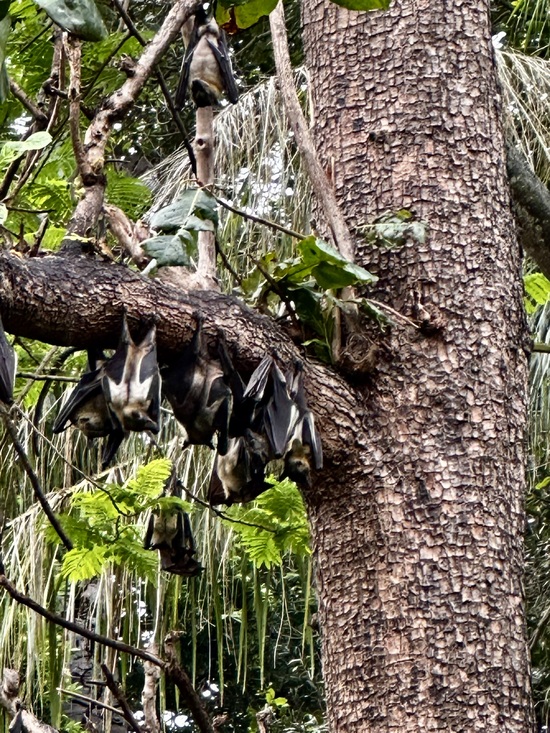
Near-threatened status Straw-coloured Fruit Bats
Video (2:40) Sound on!
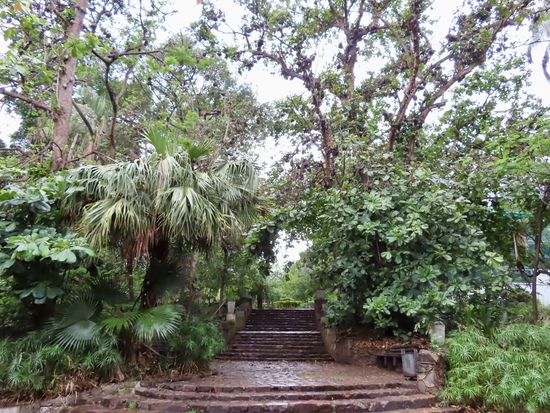
The steps were slippery with guano, we took an alternative route
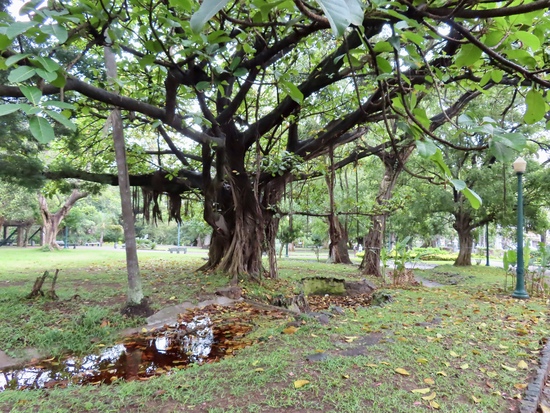
Some of the trees date back to the establishment of the garden
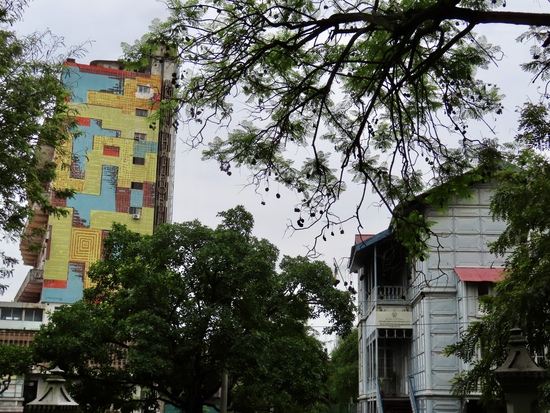
The juxtaposition of a colorful modern high rise and an Eiffel designed colonial building on the way back to the CCFM.
The Franco-Mozambican Cultural Centre (CCFM)
Some of the metal sculptures in the courtyard were made entirely from decommissioned weapons used during the Mozambique civil war (1976-2992).
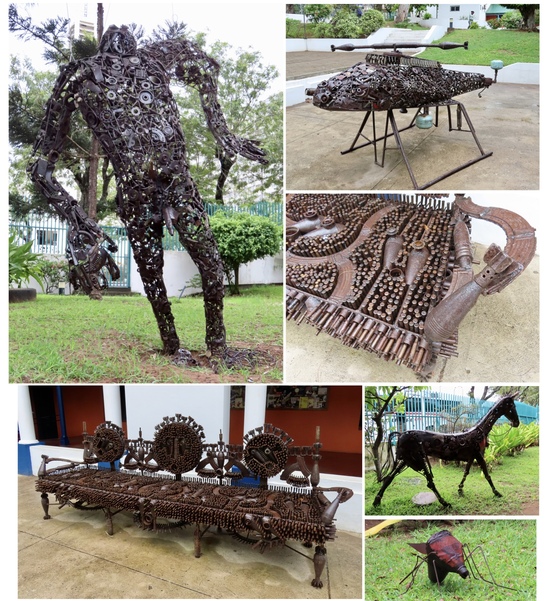
The bench is a “War Throne” sculpture created by Mozambican artist Gonçalo Mabunda.
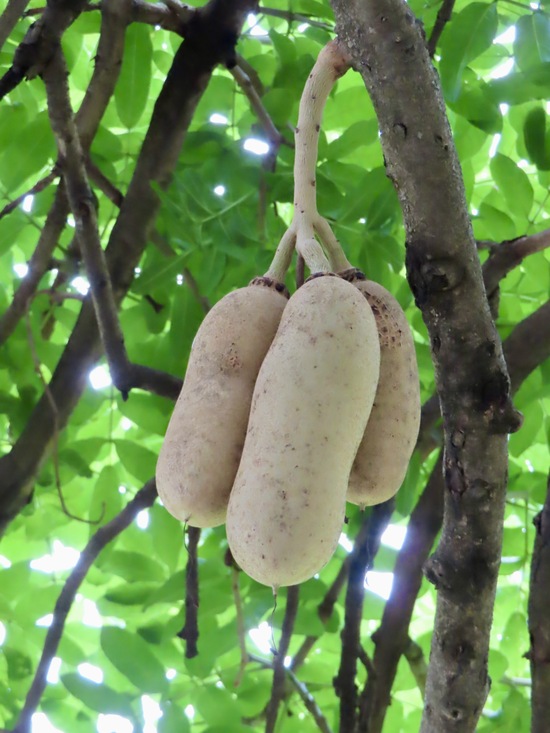
Kigelia africana, Sausage Tree
Next we visited Maputo Fortress, built in the late 1700s. It houses the Military History Museum. There were lots of artifacts and it had some nice flowering trees on the grounds.
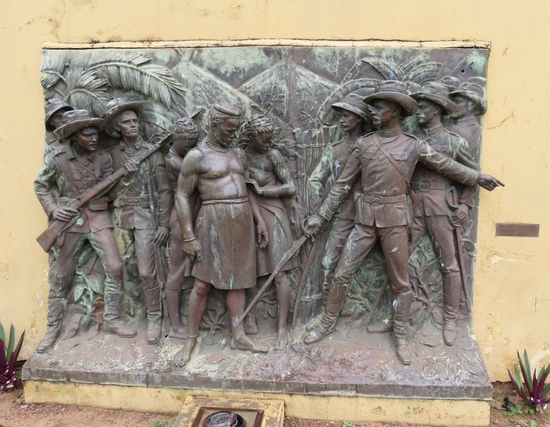
This bronze relief sculpture depicts the imprisonment of Ngungunhane, the last emperor of the Gaza Empire in Mozambique, by Portuguese colonial forces.
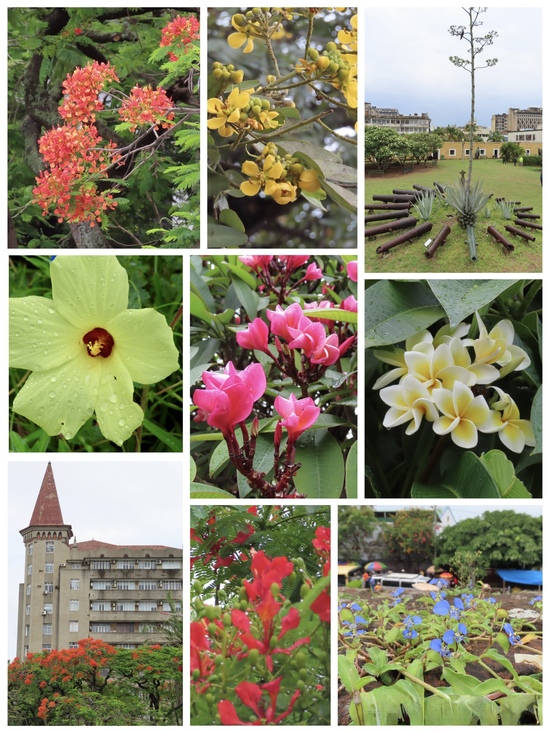
Left to right: Royal Poinciana, Siamese Cassia, Agave, Hibiscus, pink and white Plumeria rubra, more Royal Poinciana, Commelina cyanea. I don’t think any of them are native plants.
Street markets and scenes on the way to lunch
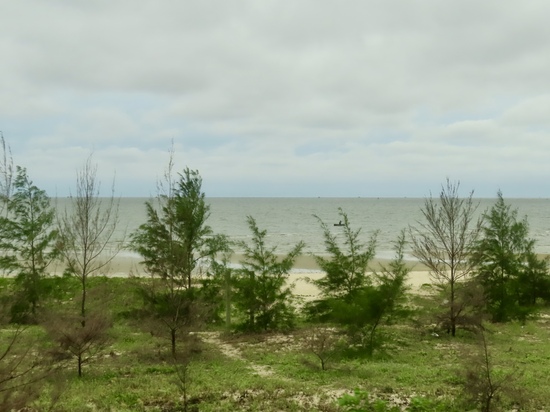
Mozambique Channel, part of the Indian Ocean
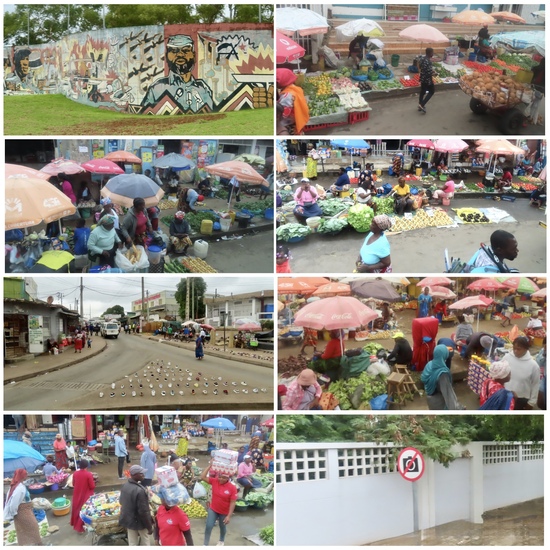
The middle image is of shoes in the median. See what I did in the last photo?
After lunch Mr M and I walked few blocks to the Feira de Artesanato, Flores e Gastronomia Market.
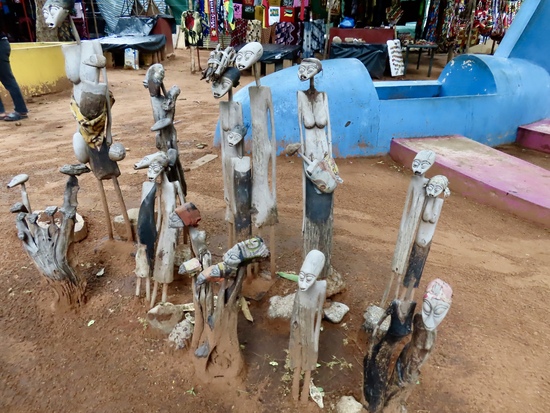
Permanent sculptures
Artwork, crafts, flowers and plants, and food in a beautiful park.
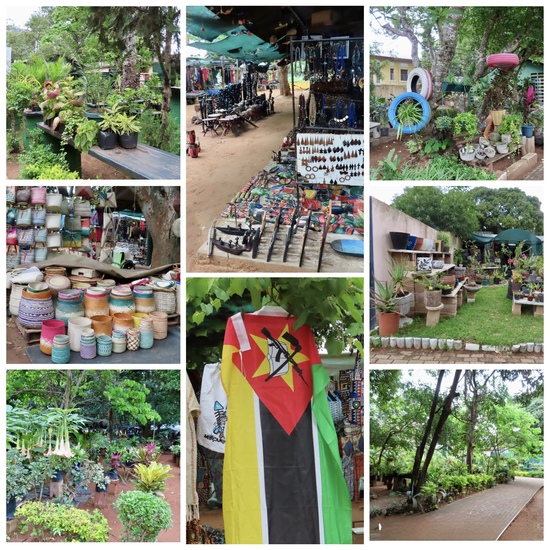
Middle picture: the Mozambique flag
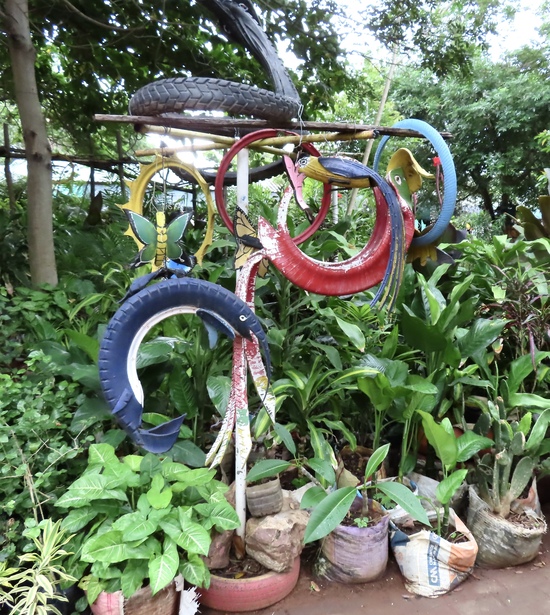
Creative use of tires
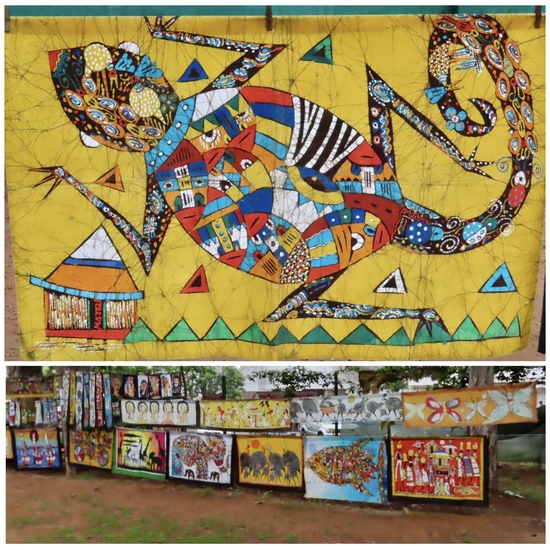
Beautiful batiks
Although these days I try not to accumulate more stuff, a small mobile made it back to my greenhouse at home.
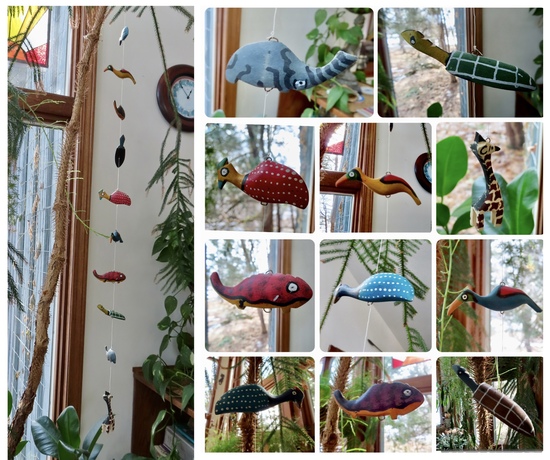
African animal mobile
Maputo Central Railway Station
One of the most iconic buildings in Mozambique’s capital is the Beaux-Arts style Maputo Central Train Station. Known for its beautiful facade and grand central dome, the eye-catching station design is sometimes incorrectly credited to Gustav Eiffel, designer of the Eiffel Tower. The station has a museum with historic trains on display, and was even used as a set during the filming of Blood Diamond. (stickymangorice.com/…)
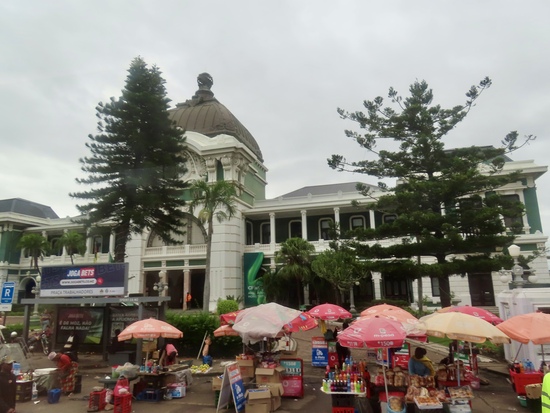
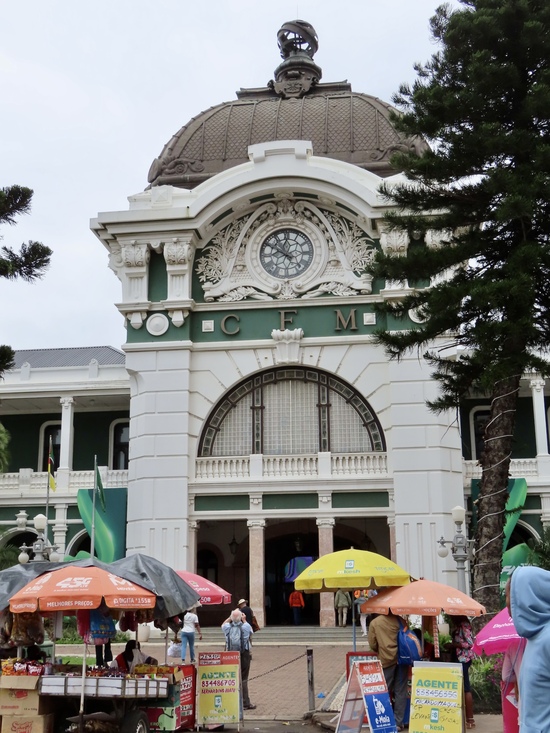
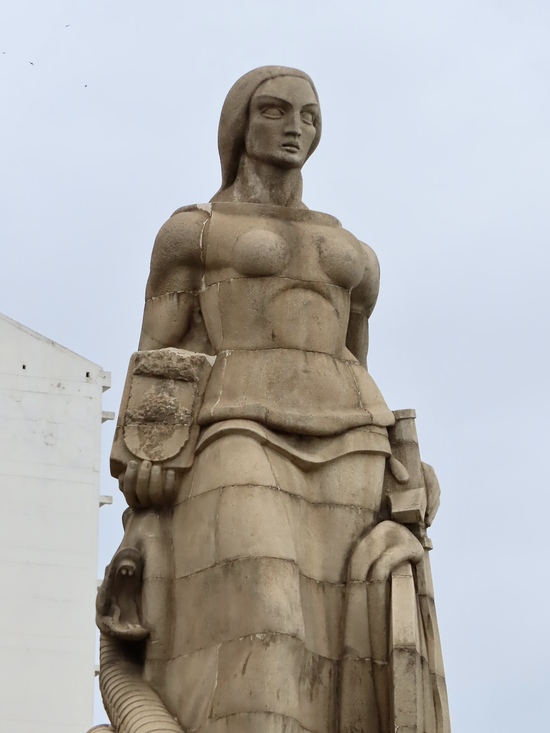
Just outside the Maputo train station is a monumental stone statue of a woman clutching a book in one hand, a sword and shield in the other, with a gigantic rearing snake striking beside her. It’s certainly a dramatic sculpture, and locals refer to her as the ‘Snake lady.’
Standing in the Praça dos Trabalhadores (the Worker’s Square), the sculpture is a memorial to those Mozambicans and Portugese who fell during WW1. It was sculpted by the sculptor Ruy Roque Gameiro, in collaboration with the architect Veloso Kings. (stickymangorice.com/…)
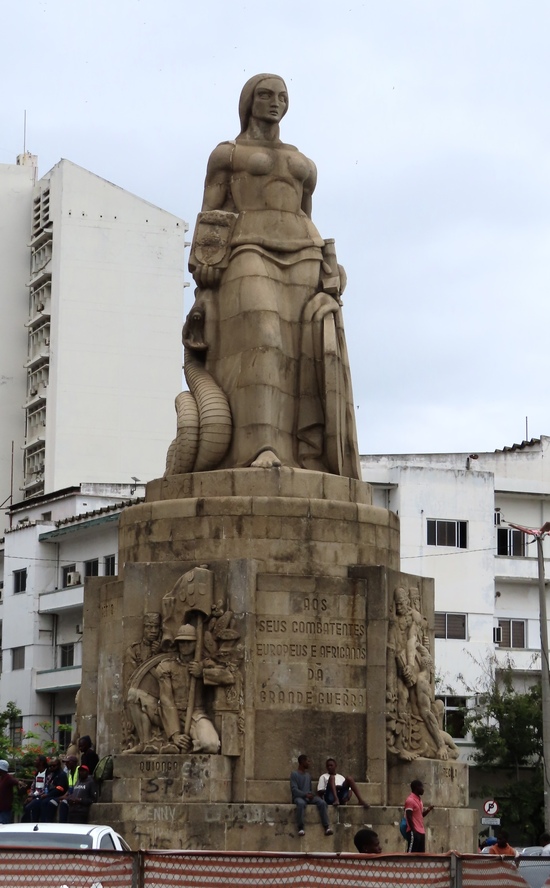
Maputo Snake lady
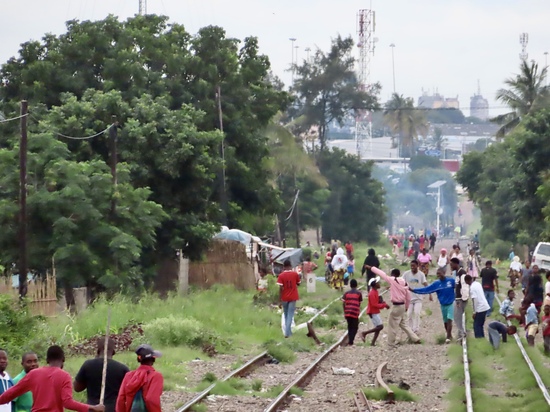
The train tracks bisect the townships. People swarmed back onto the tracks right after we passed.
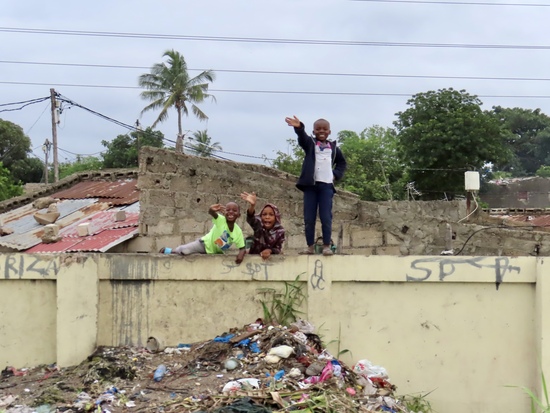
They seemed happy to see us
══════ ∘◦❀◦∘ ══════
I’ve written several diaries on the train safari focusing on wildlife, plants, and landscapes.
The Daily Bucket: Victoria Falls, Zimbabwe
The Daily Bucket: Hwange National Park, Zimbabwe
The Daily Bucket: Matobo National Park, Zimbabwe
The Daily Bucket: Antelope Park, Zimbabwe
The Daily Bucket: The Great Zimbabwe Monument
The Daily Bucket: Kapama game Reserve and Hoedspruit Endangered Species Centre, South Africa
The Daily Bucket: Kruger National Park, South Africa
The Daily Bucket: A Couple of Stops on the Scenic Panorama Route, South Africa
══════ ∘◦❀◦∘ ══════
What’s it like where you live? What’s happening in your garden or what are you doing for springtime prep?
Comments are closed.