
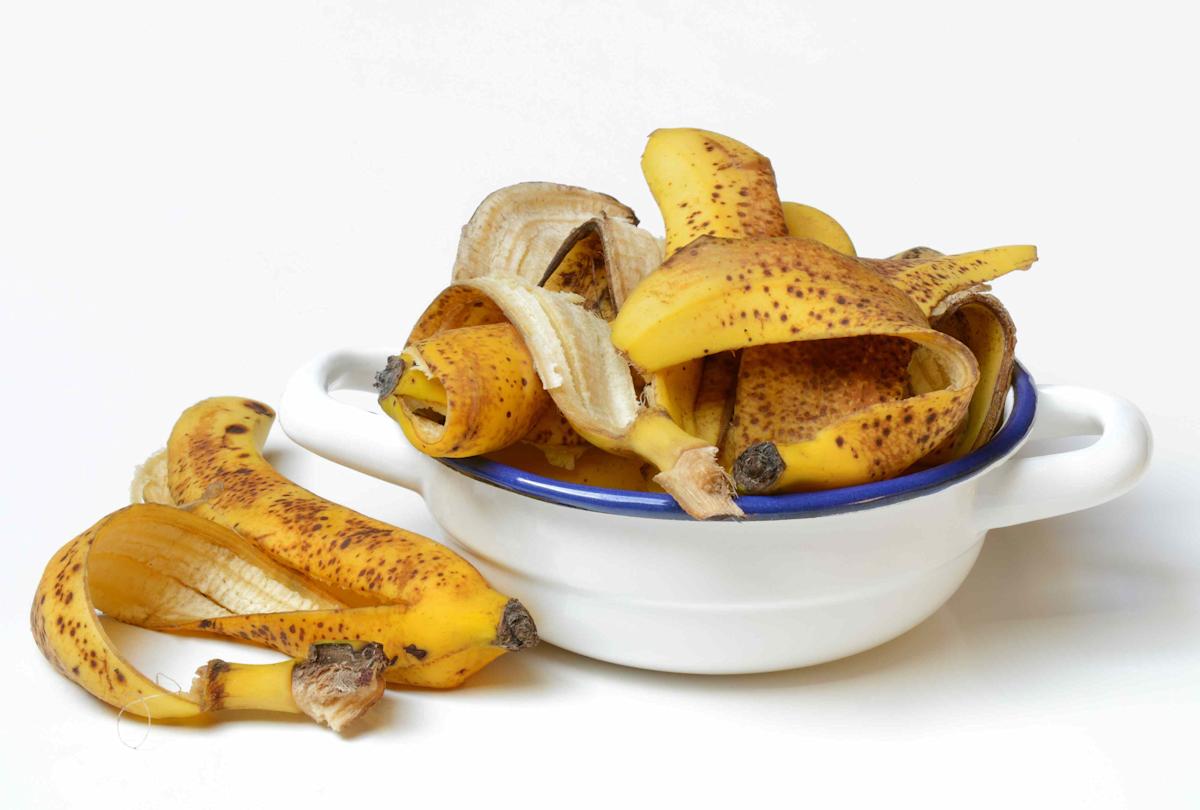
One person’s trash can be another gardener’s treasure. This is the case with a few day-to-day food items, like olive oil, flour, cinnamon—even banana peels.
Sure, you can throw them away, but banana peels are actually potassium-packed dynamos and are great for your garden. Here, we spoke with experts about all the different ways you can use these valuable food scraps.
Meet the Experts
Elizabeth Waddington, garden expert at First Tunnels
Lucie Bradley, a gardening and greenhouse expert at Easy Garden Irrigation
Related: How to Use Orange Peels in Your Garden to Boost Plant Health and Deter Pests
Add to the Compost Pile
Sending banana peels to the compost bin is the easiest—and perhaps most obvious—way to use them. These fruits contain potassium, along with small amounts of phosphorus, calcium, and trace minerals, says Elizabeth Waddington, garden expert at First Tunnels.
“When composted properly, these nutrients become part of a stable organic system that feeds soil microbes first, then plants,” she says. For the best results, chop up the peels before composting to speed up their decomposition and help prevent pest issues.
Related: A Beginner’s Guide to Composting, According to Experts
Bury Around Flowering Plants
Banana peels can be buried near specific plants, particularly those that could benefit from some added potassium. Plants that flower, in particular, need the extra potassium to help them do so.
“To be the most effective, you always want to chop the peels into little pieces first and bury them several inches below soil level,” Waddington says. This prevents smells, reduces the risk of pests, and speeds up breakdown when burying the peels.
When used occasionally, this method can slowly boost nutrients during active flower-growing seasons.
Feed Your Wormery
Worms love banana peels, so they’re the perfect addition to a wormery. “Just be sure not to overfeed your worms with them, as this will make the wormery too wet and acidic,” says Lucie Bradley, a gardening and greenhouse expert at Easy Garden Irrigation.
Freeze the peels first. Then, let the frozen peels thaw, and either cut them into small pieces or grind them up. This will make the peels easier for the worms to digest.
Create Liquid Fertilizer
Liquid fertilizer, or banana tea, like compost tea, is a very efficient way to feed water-loving plants like tomatoes and cucumbers.
To make the tea, combine fermented banana peel with water. Use a sealable jar that can hold a pint, and then add two banana peels cut into small pieces. Fill the jar with water.
“Leave this to ferment for at least three days, but ideally up to two weeks to create a liquid rich in nutrients from the peels,” says Bradley. “Then, strain the liquid and use diluted—one part tea to five parts water—for feeding your plants once a week … or once a month for more sensitive plants.”
Make Dried Powder
Drying banana peels makes them easier to store and use later, says Waddington. Peels can be air-dried, dehydrated, or dried in a very low oven until brittle.
“Once fully dry, they can be crushed or ground into flakes or powder,” she says. Dry banana peel powder releases nutrients slowly and can be sprinkled into soil, mixed into compost, or added to homemade fertilizer blends. “Because dried material is concentrated, only small amounts are needed,” she says.
Deter Garden Pests
Banana peels act as a natural aphid deterrent. “It’s the strong odor which comes off decomposing banana peels that aphids dislike,” Bradley says. The smell masks the insects’ chemical signals, confusing the aphids and affecting their ability to find food.
Simply cut banana peels into pieces and bury them a few inches deep into the soil surrounding the base of your plants. The smell will act as a barrier to deter aphids, and as the peels decompose, they will slowly release nutrients into the soil. It’s a win-win.
Attract Beneficial Insects
Simultaneously, banana peels attract pollinating insects like bees and butterflies to your garden. “The banana peels have such a high sugar content that they produce a strong, sweet aroma that bees and butterflies find irresistible,” Bradley says.
Suspend the banana peels around your plants on tree branches, or even on stakes. Position them close to the plants that you want to benefit the most.
Read the original article on Martha Stewart
Comments are closed.