
Key Points
Warm days in March can trick both plants and gardeners into becoming overzealous. Don’t sow seed (whether indoors or outdoors) prematurely: It’s often a waste of money and energy.Avoid another common March mistake: Pruning spring-blooming shrubs.
A warm-weather day in March is a welcome respite for many, especially those who live in regions where “false spring,” aka a few unseasonably warm days at the beginning of March, is common. (Who doesn’t like a warm day after a brutal winter?)
Although you might enjoy seeing piles of snow melt on such a day, keep in mind that there can be a downside for a sleeping garden when heat unseasonably spikes.
Why Warm Weather in March Can Set a Garden Back Weeks
For one thing, the sudden heat can fool your plants. Trees that bloom early, such as magnolias, may unfurl their buds too soon as a result; when cold temperatures return, frost can kill those buds, robbing you of their flowers.
But it’s not only the plants that can be fooled. You, too, can be fooled by warm March days into jumping the gun and making costly mistakes.
Sowing Seed Indoors? Know Your Last Frost Date
When a warm day arrives in late winter, even if there’s still snow on the ground, it may inspire you to start some plants from seed indoors. Starting plants in this way can save you money and allow you to get a jump on the season, but you will only be wasting money on seed if you get too big a jump.
Seedlings left to grow indoors for too long may become leggy, thereby weakening them. In general, seed should be sown indoors 6 to 8 weeks before the projected last spring frost date for your area.
Pro-predicted last frost dates often come in a date range, and the earliest of those days is still considered risky for planting. To be on the safe side, choose later in the timespan. Or, if you have sufficient seed, consider staggering your sowing.
Soil Temperature vs. Air Temperature
If there’s no snow on the ground when a warming trend occurs in March, you might even get excited enough to consider sowing seed outdoors. Indeed, if the winter has been relatively mild, the soil may be workable after a warm spell in March where you live. But here’s why you might want to resist that temptation:
There’s a difference between soil temperature and air temperature. Just because the weather report tells you it’s 60°F outdoors doesn’t mean the soil temperature is 60°F, and soil takes longer to warm than the air does.
Unfortunately, for impatient gardeners, your seeds may not germinate if the soil temperature doesn’t suit them.
The seeds of cool-season crops, such as cabbage ,can germinate when the soil temperature is around 40°F, but warm-season crops, such as green beans, need the soil temperature to be around 60°F.
Don’t Prune Too Soon
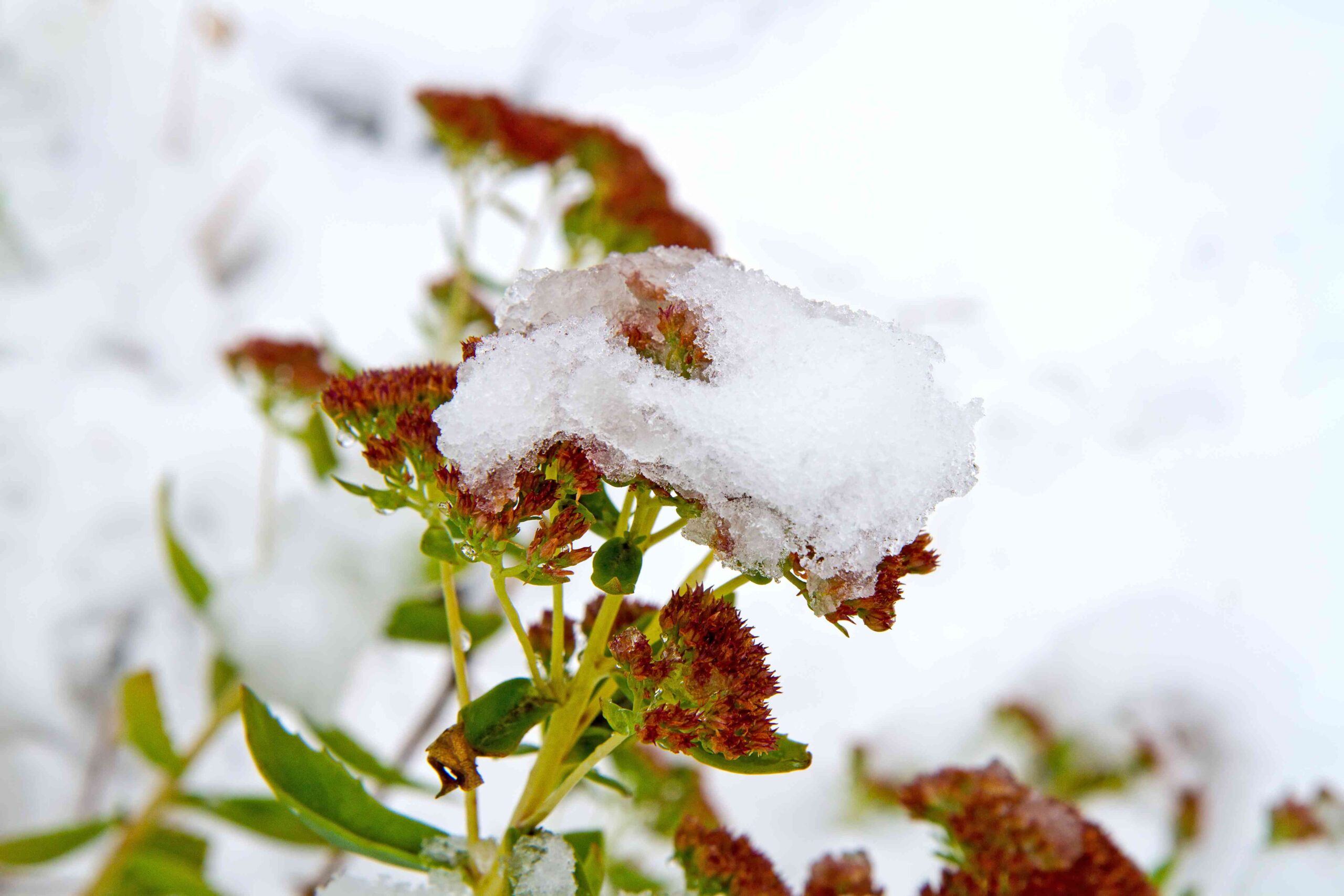
Credit:
Greggory DiSalvo / Getty Images
You might think that a balmy day in March is the perfect time to get some pruning done.
The problem is, while it would be a pleasant time for you to prune, it might not be for the shrub in question.
Shrubs like Korean spice viburnum, should not be pruned until they’re done blooming. Premature pruning will remove flower buds, thereby depriving you of those glorious flowers.
Comments are closed.