
Credit: Getty Images / wulingyun
When it comes to low-maintenance flowers, perennial plants are a no-brainer. They return year after year, delivering blooms from one season to the next without the need to replant. Once established, most perennials require less ongoing maintenance than annual plants. They thrive on a single, yearly feeding and do not require cutting back the way many annual plants do to produce dense, productive plants.
While perennial plants typically have a shorter blooming period than annual plants, many modern varieties exhibit repeat or extended flowering. You can also provide season-long color through careful plant selection and placement, grouping plants with different bloom times together to ensure something is always flowering. The hard-working perennials on this list deliver months of blooms without a lot of upkeep. Many are self-cleaning, meaning they continue to flower after the first flush of blooms without the need to deadhead spent flowers. Others are waterwise, heat tolerant, or otherwise stand up to challenging conditions without a lot of fuss.
Perennial plants require extra attention during their first growing season as they establish a robust root system. Provide supplemental irrigation as needed during the first year, even for drought-tolerant species. Pay attention to maintenance needs when selecting plants, as some cultivars have been specifically bred with ease of maintenance in mind, such as self-cleaning varieties or improved hardiness.
01 of 15
‘Safari Rose’ Aloe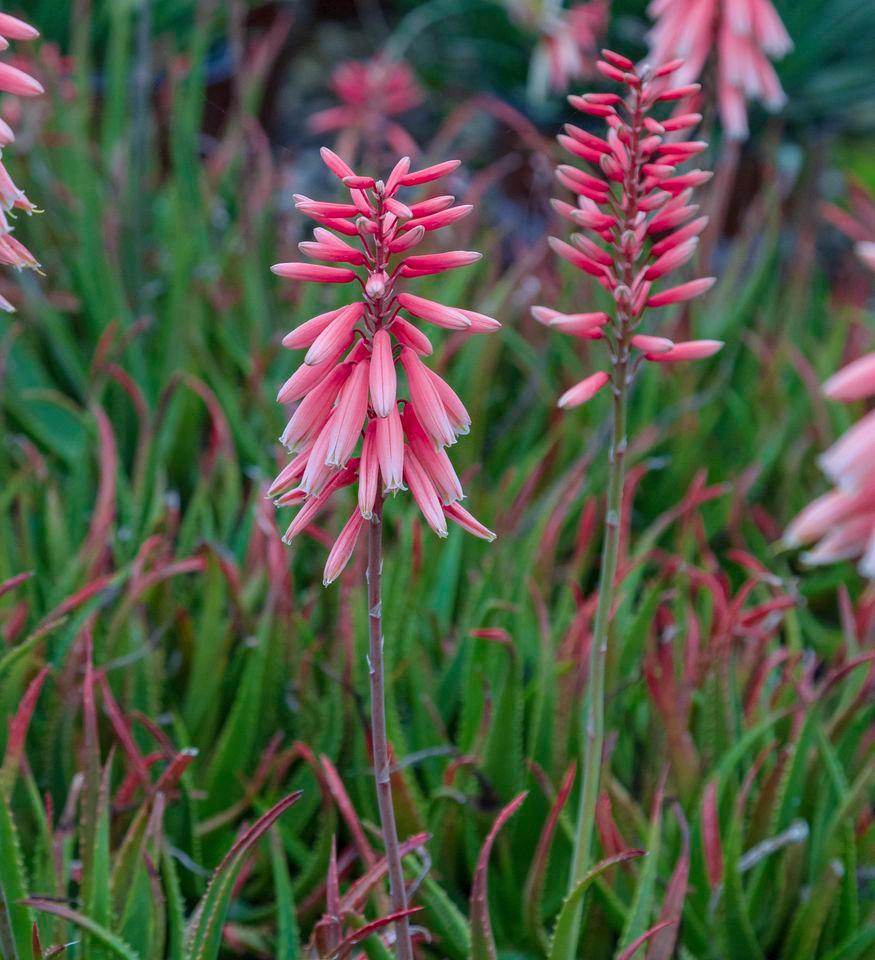
Credit: Southern Living Plant Collection
Botanical Name: Aloe hybrid ‘Safari Rose’
Sun Exposure: Full sun to part shade
Soil Type: Lean, dry, well-draining
Soil pH: Acidic to neutral (6.0-7.5)
USDA Hardiness Zone: 9 to 11
This compact succulent displays serious flower power, producing showy spikes of rose-pink flowers that open summer through mid-winter. The flowers provide a rich source of nectar for hummingbirds and butterflies while the upright foliage provides year-round color and texture. Plants bloom in their first season after planting and are heat and drought tolerant. They make a stunning addition to xeric plantings, rock gardens, containers.
02 of 15
White Blush EnduraScape™ Verbena
Credit: Southern Living Plant Collection
Botanical Name: Verbena peruviana ‘Balendish’
Soil Type: Rich, well-draining
Soil pH: Slightly acidic (5.5-6.2)
USDA Hardiness Zones: 8 to 10
Flowering longer than other verbena varieties, the EnduraScape™ series brings together repeat blooming and excellent branching for gorgeous plants that flower spring through fall. With masses of snow white flower clusters brushed in soft pink accents, White Blush adds a touch of elegance to any planting. Plants develop as a gently spreading mound that looks lovely trailing over rocky ledges and stone walls or spilling from containers.
03 of 15
REALFLOR® Sunset ‘Celebration’ Gaillardia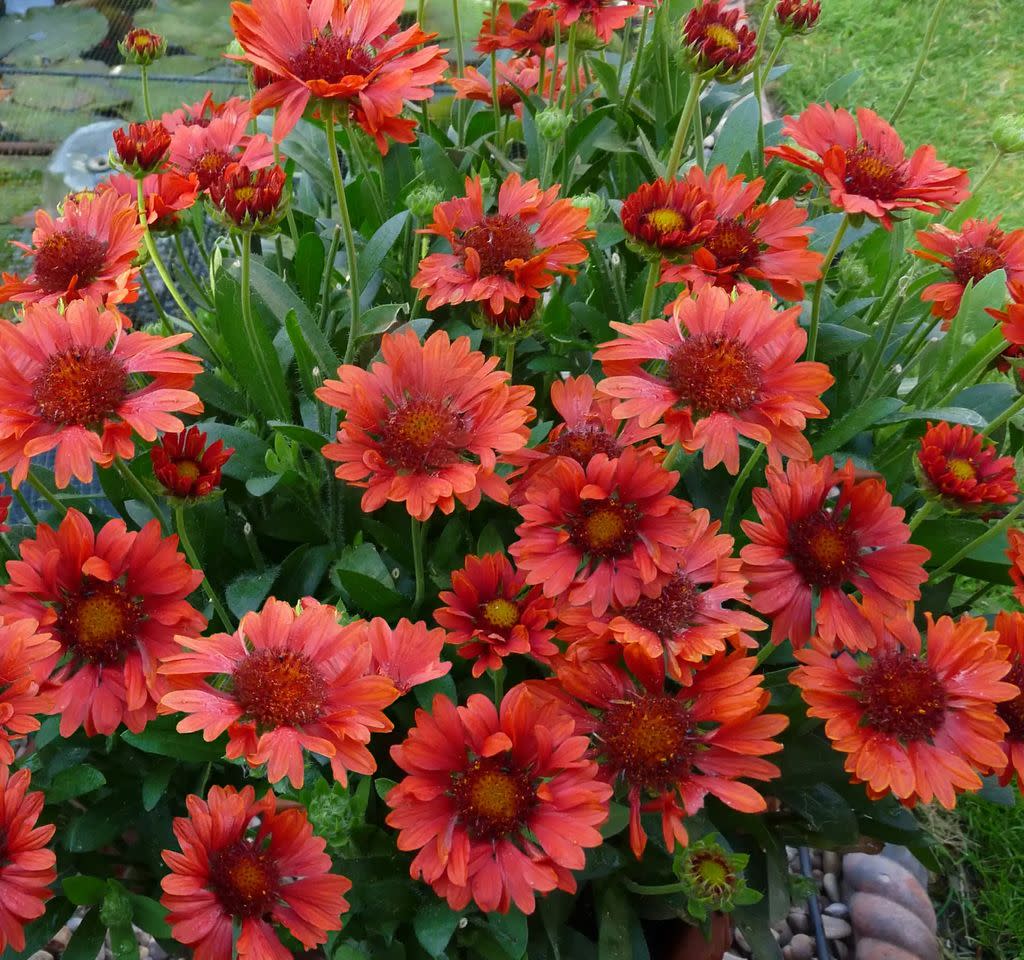
Credit: Southern Living Plant Collection
Botanical Name: Gaillardia x grandiflora
Soil Type: Average, dry to medium, well-draining
Soil pH: Acidic to alkaline (5.5-8.0)
USDA Hardiness Zones: 3 to 10
Bees and butterflies adore the bold red blossoms of this charming perennial. Flowering over a very long season from early spring through fall, Sunset ‘Celebration’ Gaillardia gives annual plants a run for their money. The flowers of these heavy bloomers refuse to fade, even in the hot summer sun. Mass them in borders and pollinator gardens or pot them into containers.
04 of 15
Bells of Fire™ Tecoma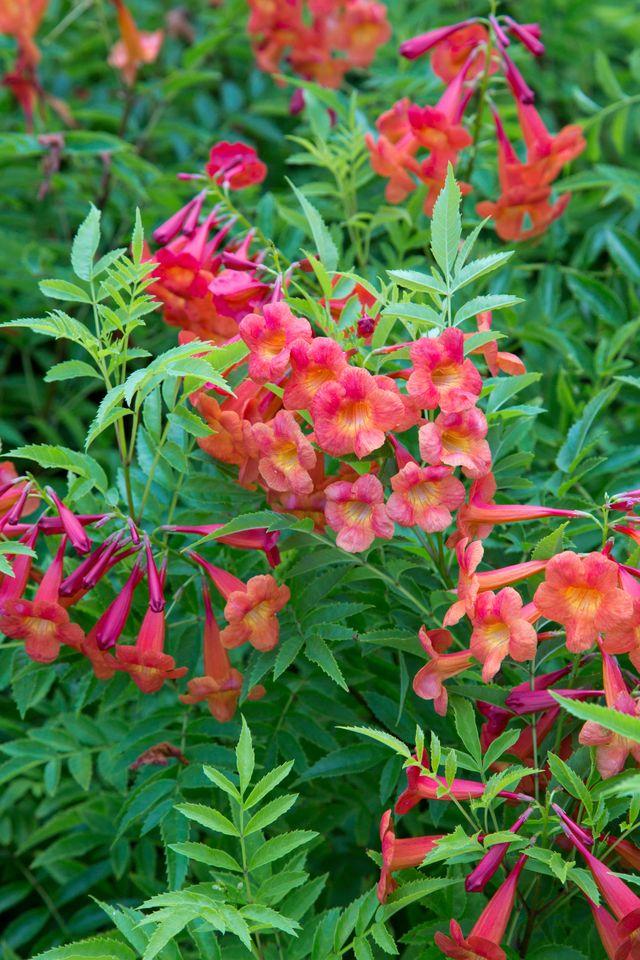
Credit: Southern Living Plant Collection
Botanical Name: Tecoma stans ‘TEC6010916’
Soil Type: Rich, medium, well-draining
Soil pH: Acidic to alkaline (5.5-8.5)
USDA Plant Hardiness Zone: 8 to 11
Add a touch of the tropics, even in hot, dry locales, with Bells of Fire™ Tecoma. This compact tecoma blooms all season long, producing stunning trumpet shaped red-orange blossoms that hummingbirds cannot resist. Plants are self-cleaning, so you’ll enjoy continuous blooms with no deadheading. The showy foliage stays evergreen in frost-free areas. Plants make lovely container plantings in colder regions where they can be brought indoors for winter.
05 of 15
Salvia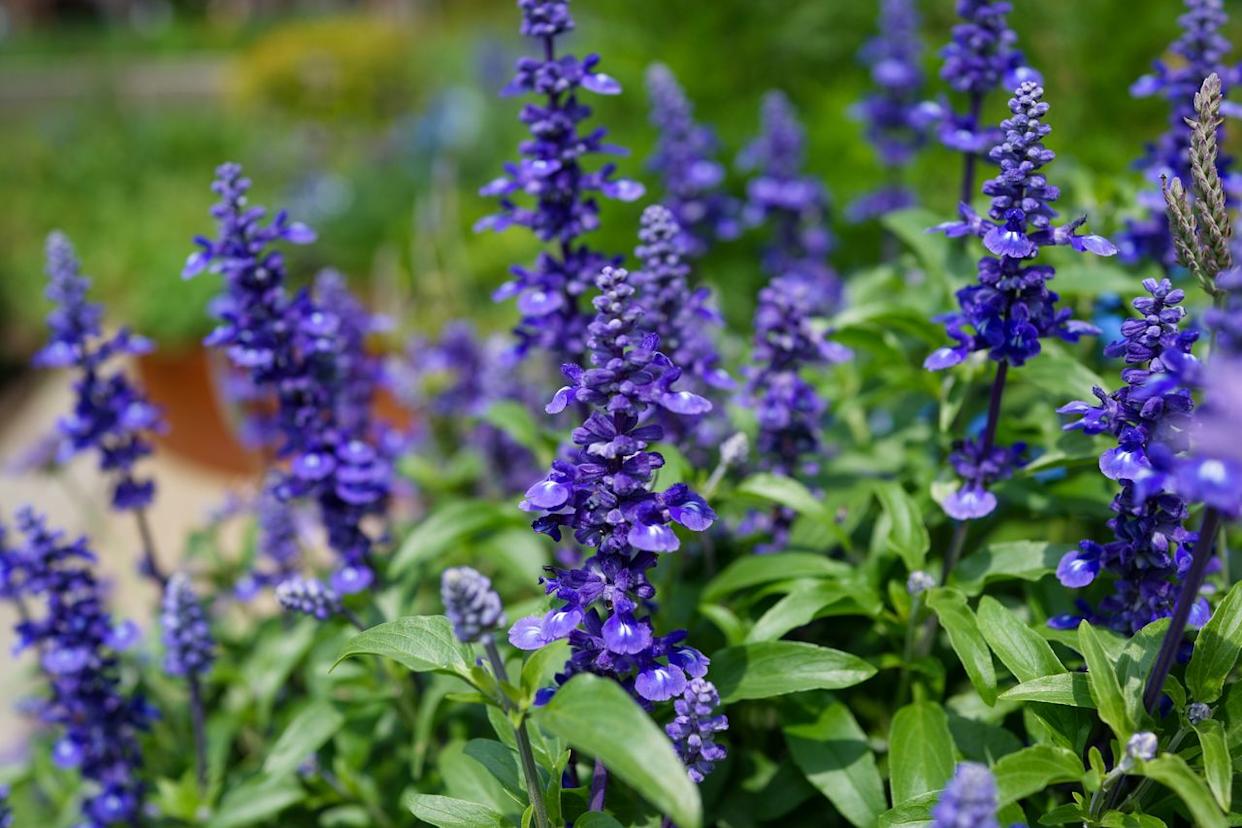
Credit: Getty Images / wulingyun
Botanical Name: Salvia spp. and hybrids
Sun Exposure: Full sun to part shade
Soil Type: Average, dry to medium, well-draining
Soil pH: Adaptable (6.0-8.0)
USDA Hardiness Zones: 5 to 10
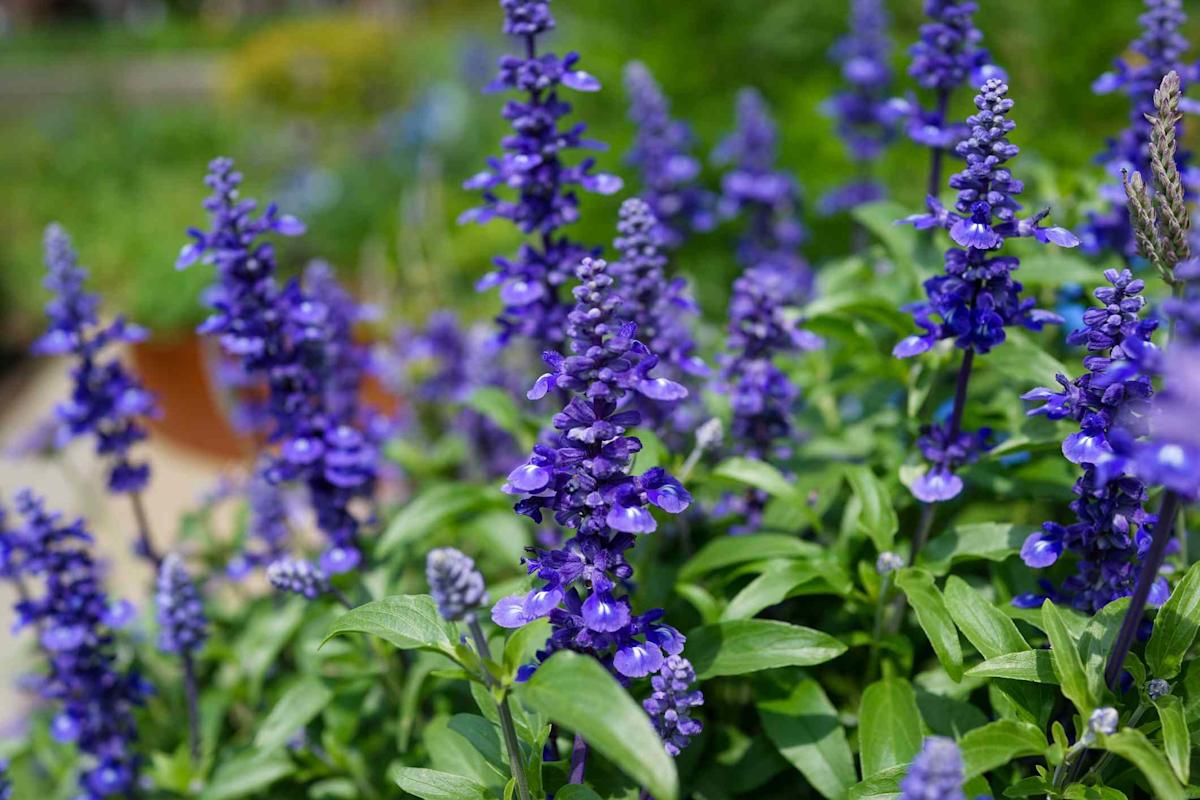
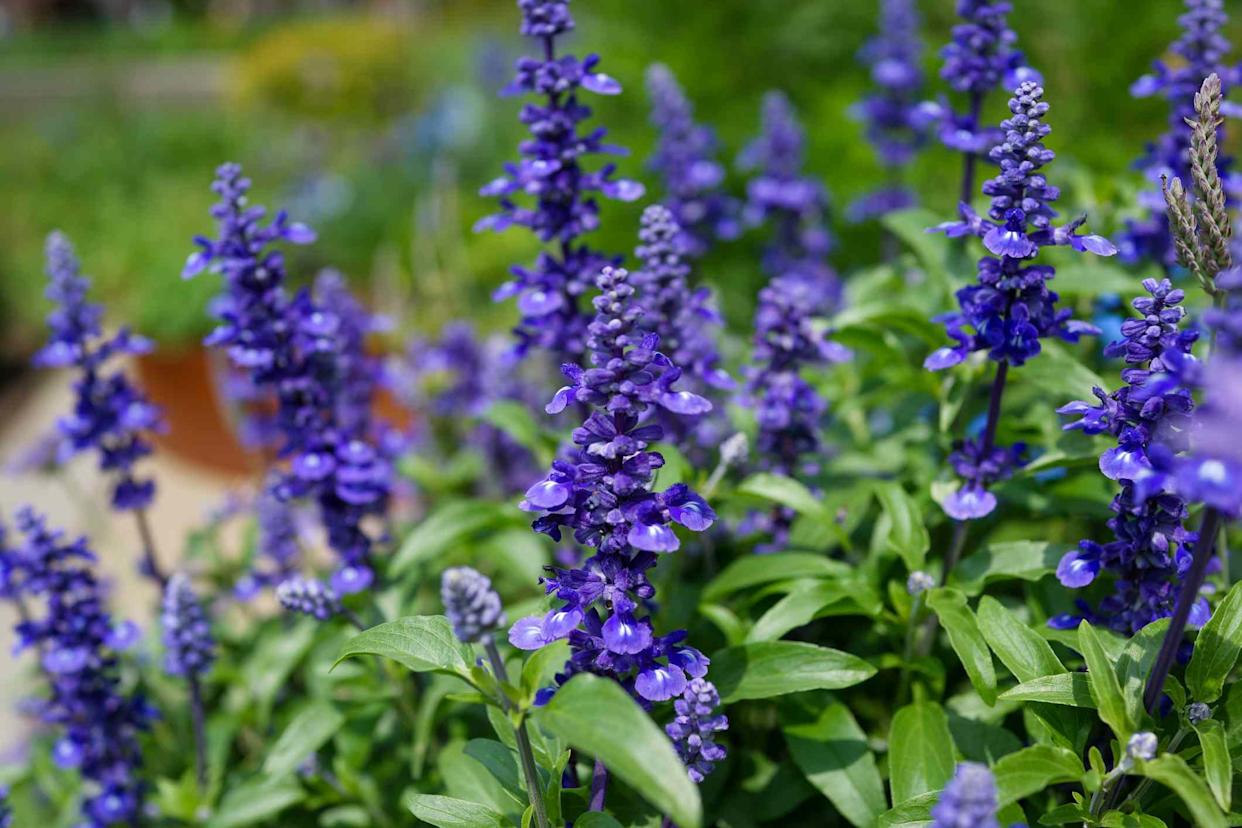
While some salvias or sages are grown as annuals, a great diversity of perennial species and cultivars are available for Southern gardens, including many US natives. Salvias are adored for their abundant blooms which attract bees, butterflies, and hummingbirds to the garden. The plants thrive on heat and tolerate dry conditions and salt, making them quite adaptable to coastal gardens as well as inland sites.
06 of 15
Toad Lily
Credit: Getty Images
Botanical Name: Tricyrtis hirta
Sun Exposure: Full to part shade
Soil Type: Rich, moist, well-draining
Soil pH: Acidic to neutral (5.6-7.5)
USDA Hardiness Zones: 4 to 8
This unique plant is underused in the landscape despite its stunning orchid-like blooms. Speckled with dark purple spots, the white to lavender flowers open along arching stems in late summer through fall. The stems also hold elongated leaves somewhat reminiscent of Solomon’s seal. Plants resist deer browsing and thrive in shade. Pair them with hosta, ferns, and hellebore.
07 of 15
Butterflyweed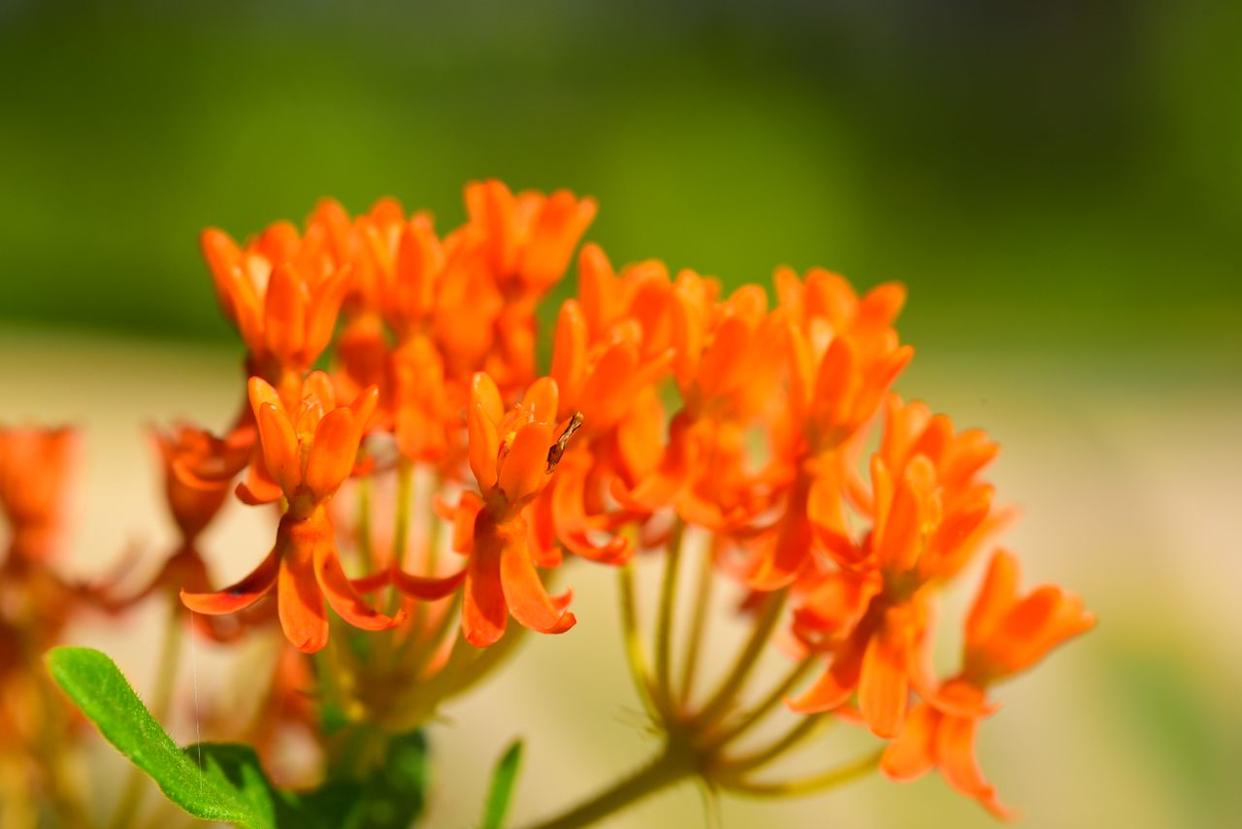
Credit: Getty Images
Botanical Name: Asclepia tuberosa
Soil Type: Average, dry to medium, well-draining
Soil pH: Mildly acidic to alkaline (5.5-7.5)
USDA Plant Hardiness Zone: 3 to 9
The vibrant orange flowers of this native milkweed produce a mass of color in the garden, drawing Monarch butterflies and other pollinators to its nectar-rich blooms. Plants also serve as a larval host to monarch caterpillars, making this perennial an integral part of butterfly gardens. They are remarkable easy to grow, tolerating heat, drought, deer, and rabbits. With a low-mounding habit, this plant looks right at home in any setting.
08 of 15
Tickseed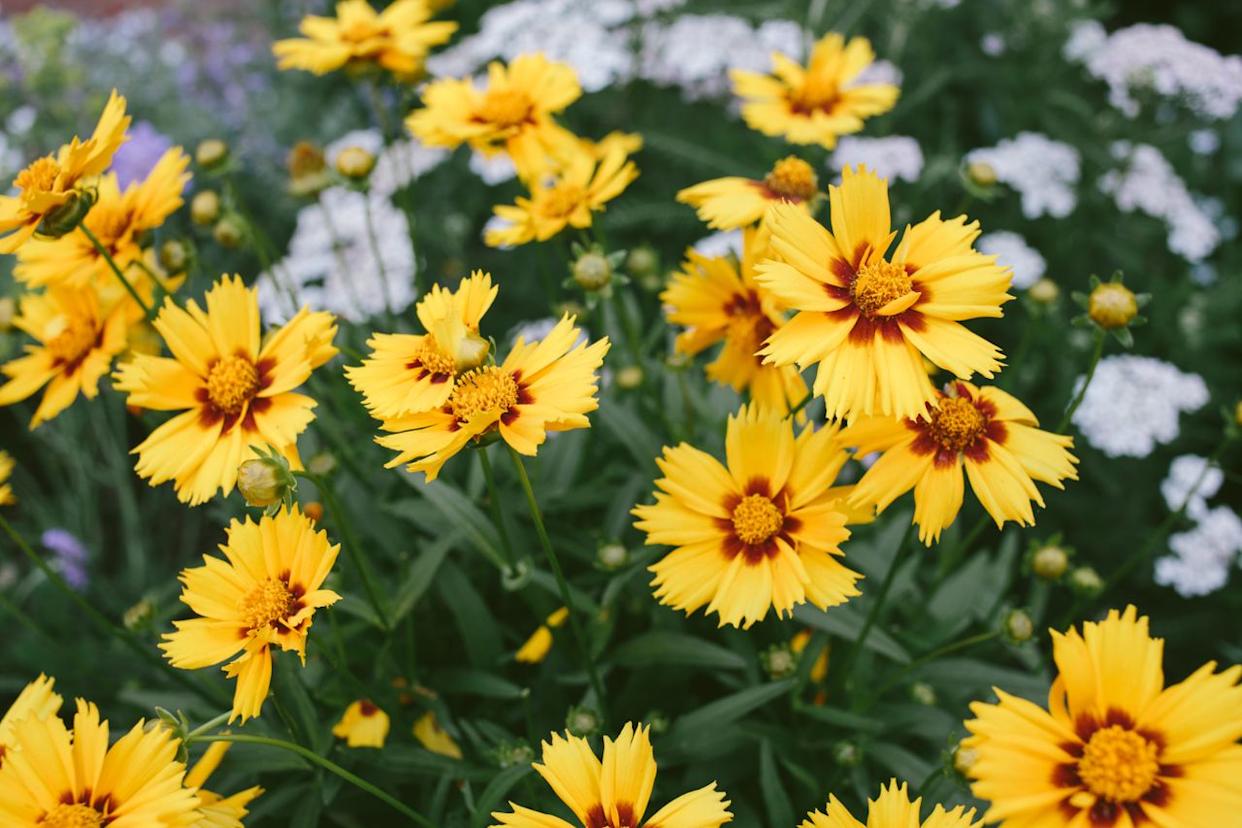
Credit: Getty Images / Grace Cary
Botanical Name: Coreopsis spp. and hybrids
Soil Type: Average to lean, dry to medium, well-draining
Soil pH: Slightly acidic (5.5-6.5)
USDA Hardiness Zones: 7 to 10
Tickseed, also commonly called coreopsis, produces an abundance of sunny yellow blooms over a long season. This native wildflower supports a diversity of butterflies, bees, and other pollinators, while the small seeds provide an important food source for songbirds. These tough plants tolerate the heat and humidity of Southern summers and are resistant to deer and rabbits browsing. Plant en masse for big impact.
09 of 15
Hellebore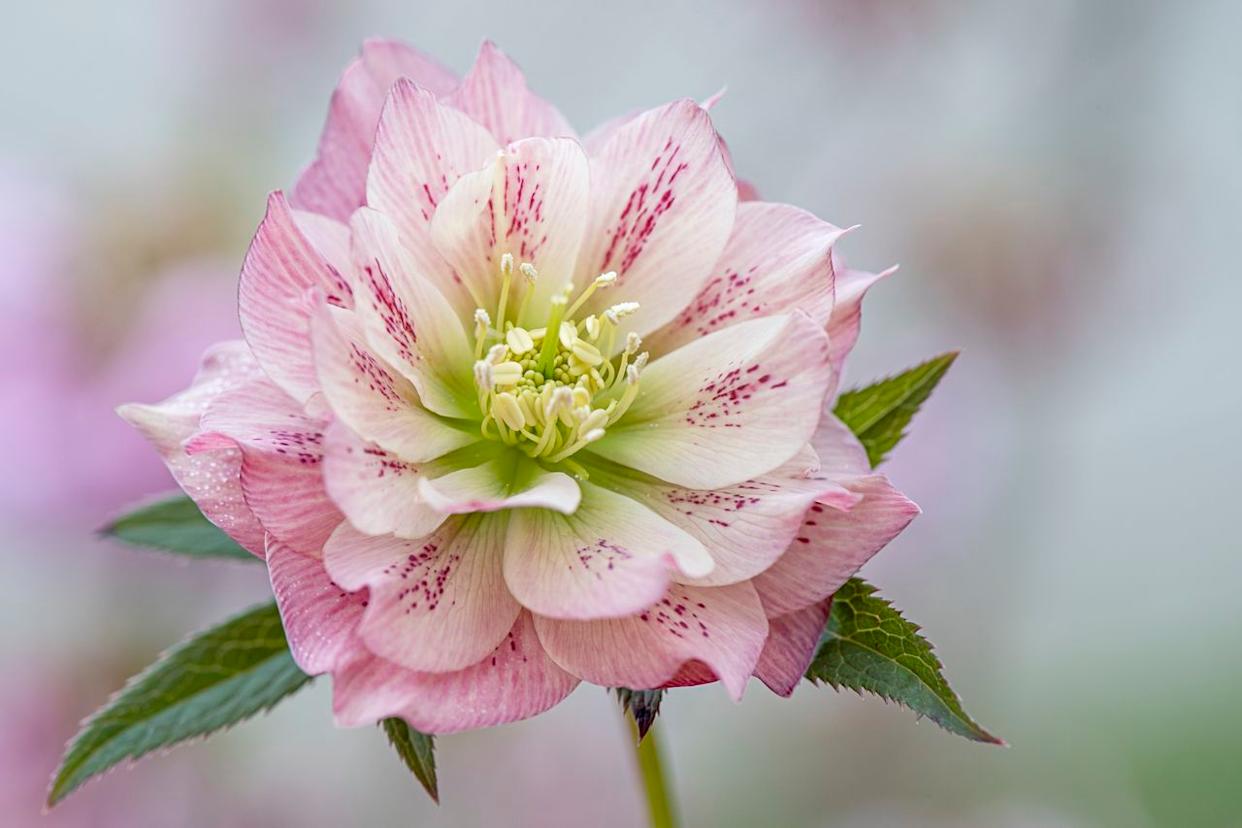
Credit: Getty Images
Botanical Name: Helleborus spp.
Sun Exposure: Partial to full shade, dappled sun
Soil Type: Rich, dry to medium, well-draining
Soil pH: Neutral to alkaline (6.5-8.0)
USDA Hardiness Zones: 4 to 9
This low-maintenance beauty for the shade garden provides handsome evergreen foliage and winter blooms. Flower color ranges from purple to pink and even green, depending on the species. All types feature gorgeous deeply lobed foliage. Hellebores are easy to grow in a range of soils, from clay to dry, rocky substrates, and tolerate heavy shade. The plants are unbothered by deer or rabbits.
10 of 15
Coneflower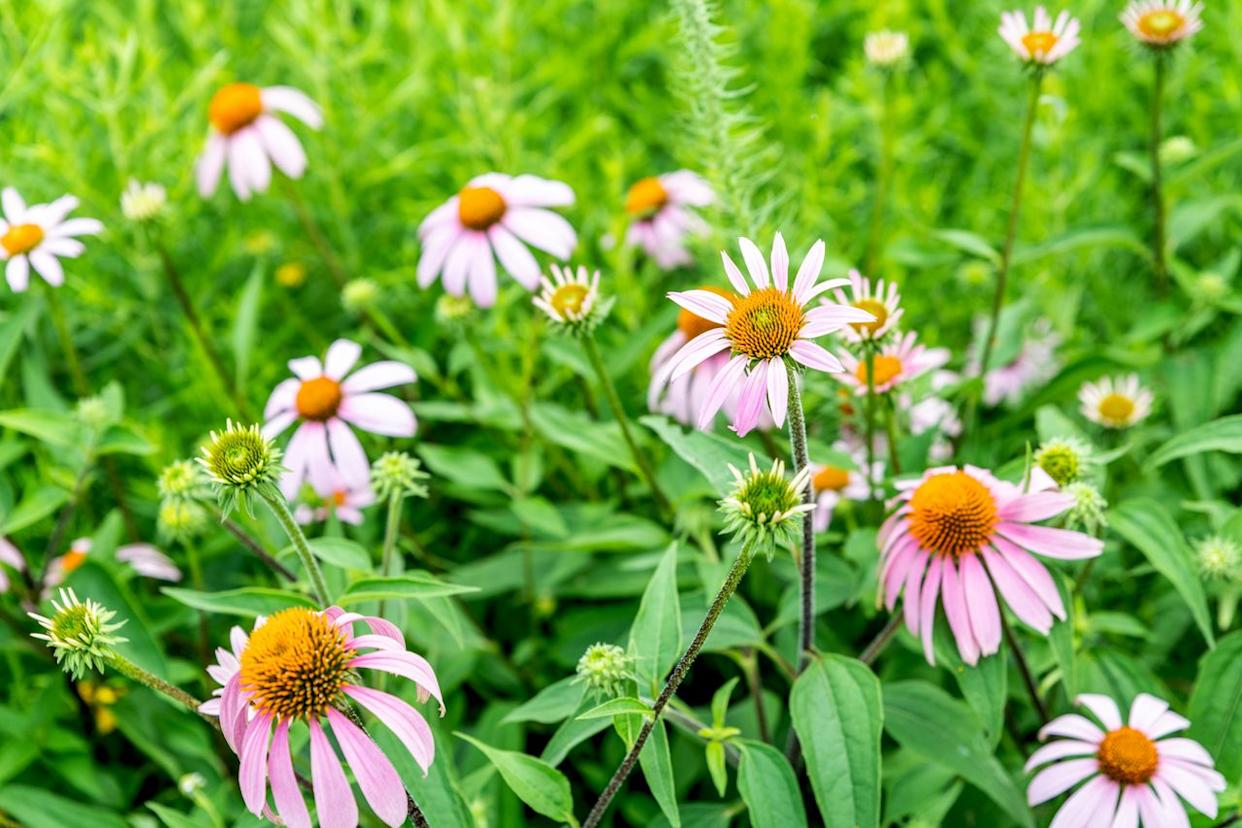
Credit: Southern Living/Adrienne Legault
Botanical Name: Echinacea species and hybrids
Soil Type: Average, medium to dry, well-draining
Soil pH: Slightly acidic to neutral (5.5-7.0)
USDA Hardiness Zones: 3 to 10
Native to North America, coneflowers or echinacea are among our most beloved wildflowers. The cone-shaped flowers add interesting texture to plantings while long ray petals add bold color. Coneflowers support butterflies, native bees, and songbirds with their energy-rich nectar and seeds, while deer tend to leave this plant alone.
11 of 15
Columbine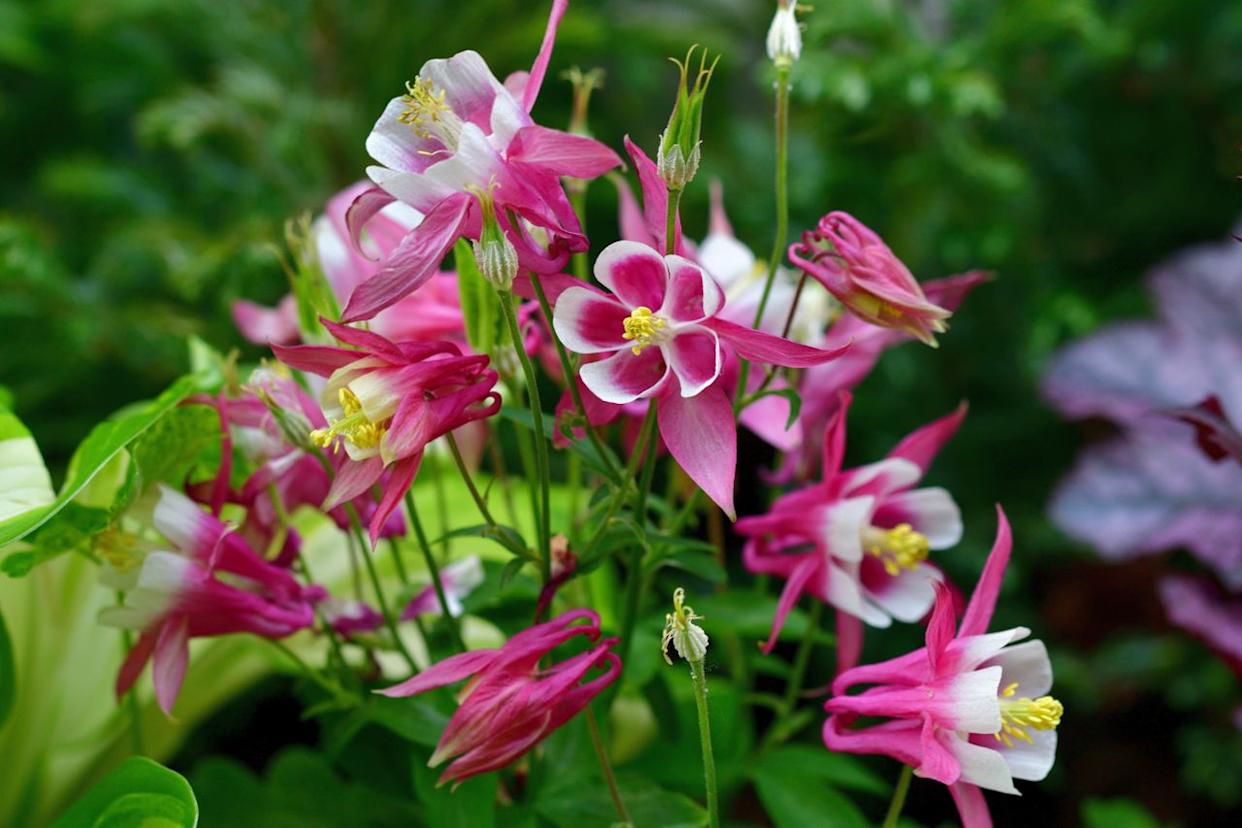
Credit: Getty Images
Botanical Name: Aquilegia spp.
Sun Exposure: Full sun to part shade
Soil Type: Average, medium moisture, well-draining
Soil pH: Slightly acidic to neutral (6.5-7.5)
USDA Hardiness Zones: 3 to 9
Don’t overlook the spring garden when planting fuss-free perennials. Columbines are among the easiest spring-bloomers to grow and are surprisingly tough despite their delicate appearance. The distinctive, spurred blooms fill the mid-spring gap between early-flowering bulbs and summer blooms. Individual plants are not very long lived, but they reseed in the garden ensuring a lasting stand.
12 of 15
Mountain Mint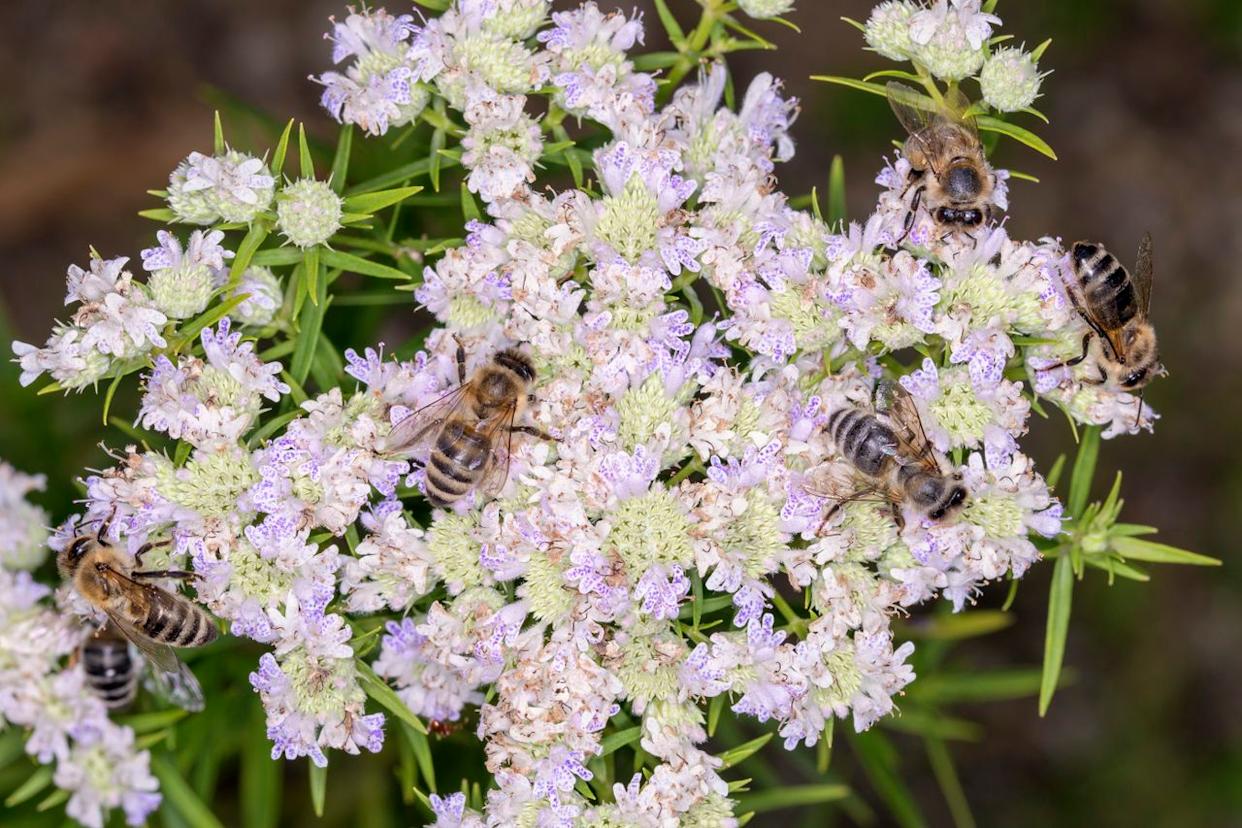
Credit: Getty Images
Botanical Name: Pycnanthemum spp. and hybrids
Sun Exposure: Full sun to part shade
Soil Type: Average to rich, dry to medium, well-draining
Soil pH: Slightly acidic to neutral (6.5-7.5)
USDA Plant Hardiness Zone: 3 to 9
This group of native wildflowers has gained well-deserved attention in recent years thanks to their attractive foliage and long-lasting blooms. The small white to purple flowers occur in dense clusters from mid-summer through fall. The nectar-rich blooms are highly attractive to pollinators. Foliage has a minty aroma and can be used to brew tea.
13 of 15
Barrenwort
Credit: Getty Images
Botanical Name: Epimedium spp. and cltvs.
Sun Exposure: Partial to full shade; dappled sun
Soil Type: Rich, moist, well-draining
Soil pH: Acidic to neutral (5.0-7.0)
USDA Hardiness Zones: 5 to 8
The showy, four-petaled blooms of this woodland perennial are distinctly shaped, lending the plant common names like fairy wings and bishop’s hat. Flowers range in color depending on the species, including yellow, pink, lavender, purple, red, white two-toned varieties. Blooms stand on wiry stems above distinctive evergreen to semi-evergreen foliage. And all-around lovely plant for even the most challenging shade gardens.
14 of 15
Yarrow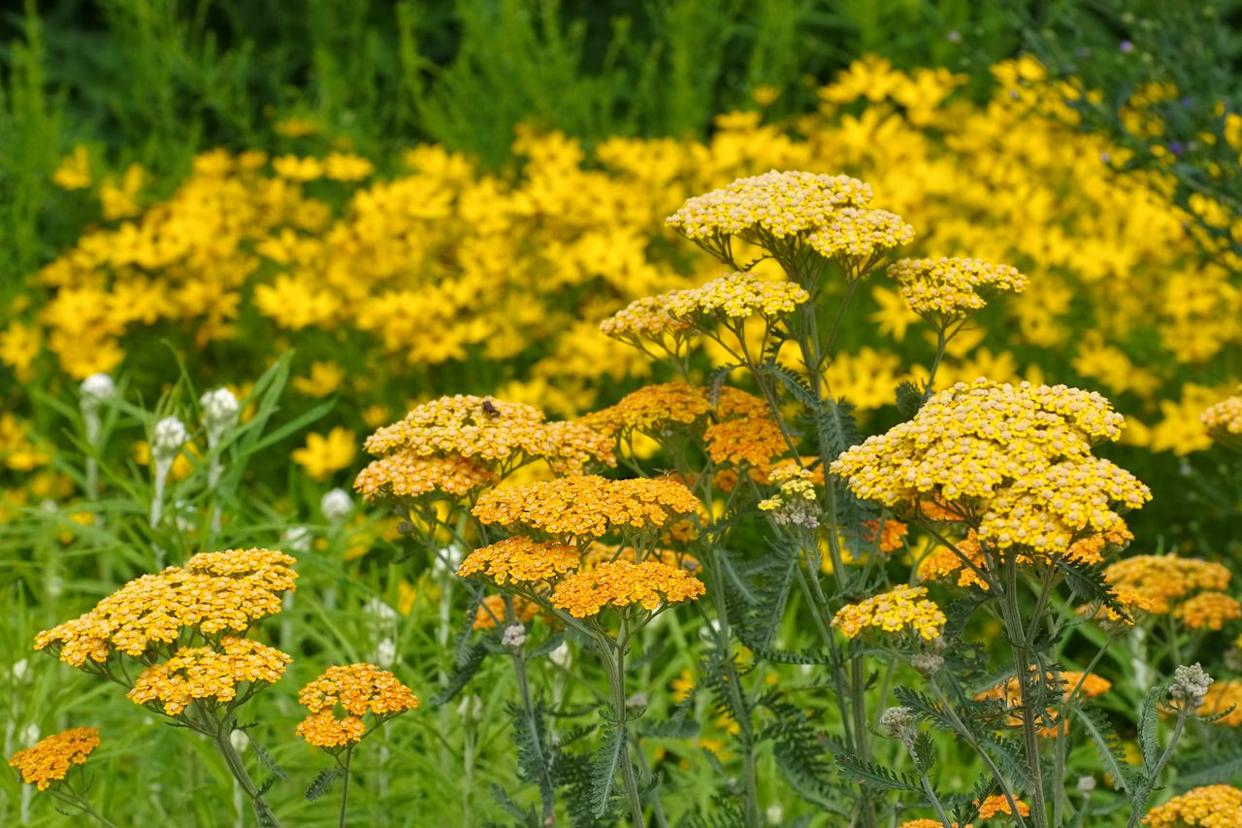
Credit: LianeM / Getty Images
Botanical Name: Achillea spp. and cltvs.
Sun Exposure: Full sun to part shade
Soil Type: Dry to medium, well-draining
USDA Hardiness Zones: 3 to 9
With lacy, fern-like foliage and large flowerheads, yarrow makes a gorgeous addition to cottage gardens, pollinator plantings, and rock gardens. the flat-topped flowerheads are densely packed with tiny nectar-rich blooms that support a diversity of pollinators and other beneficial insects. They make lovely cut flowers, both fresh and dried.
15 of 15
Daylily
Credit: Getty Images
Botanical Name: Hemerocallis spp.
Sun Exposure: Full sun to part shade
Soil Type: Rich, medium to moist, well-draining
Soil pH: Slightly acidic (6.0-6.5)
USDA Hardiness Zones: 4 to 9
Despite the flower’s delicate beauty, daylily plants are surprisingly hardy. They thrive in the heat and humidity of Southern gardens and are tolerant of salt and drought. While individual blooms last only a single day, as the name suggests, new blooms open each day over several weeks. Many new cultivars are repeat bloomers, with a second flush of flowers in autumn.
Read the original article on Southern Living
Comments are closed.