
10 Low-Maintenance Succulents Anyone Can Grow DuKai photographer – Getty Images
“Hearst Magazines and Yahoo may earn commission or revenue on some items through these links.”
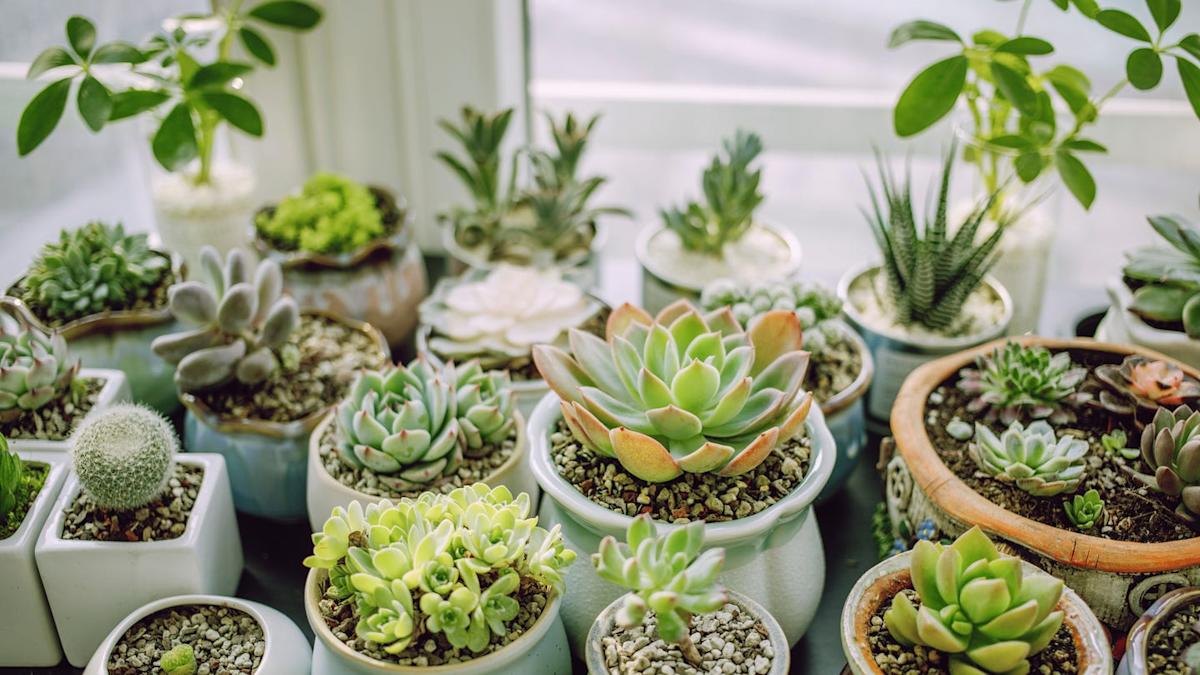
Growing and maintaining houseplants is not only a way to add personality and interest to a room but also a way to turn a house into a home. Aside from bringing the beauty of nature indoors, plants have been proven to boost mood and improve the overall well-being of those in their proximity. But for many of us who lack a green thumb, the idea of keeping something alive not only sounds challenging but downright impossible.
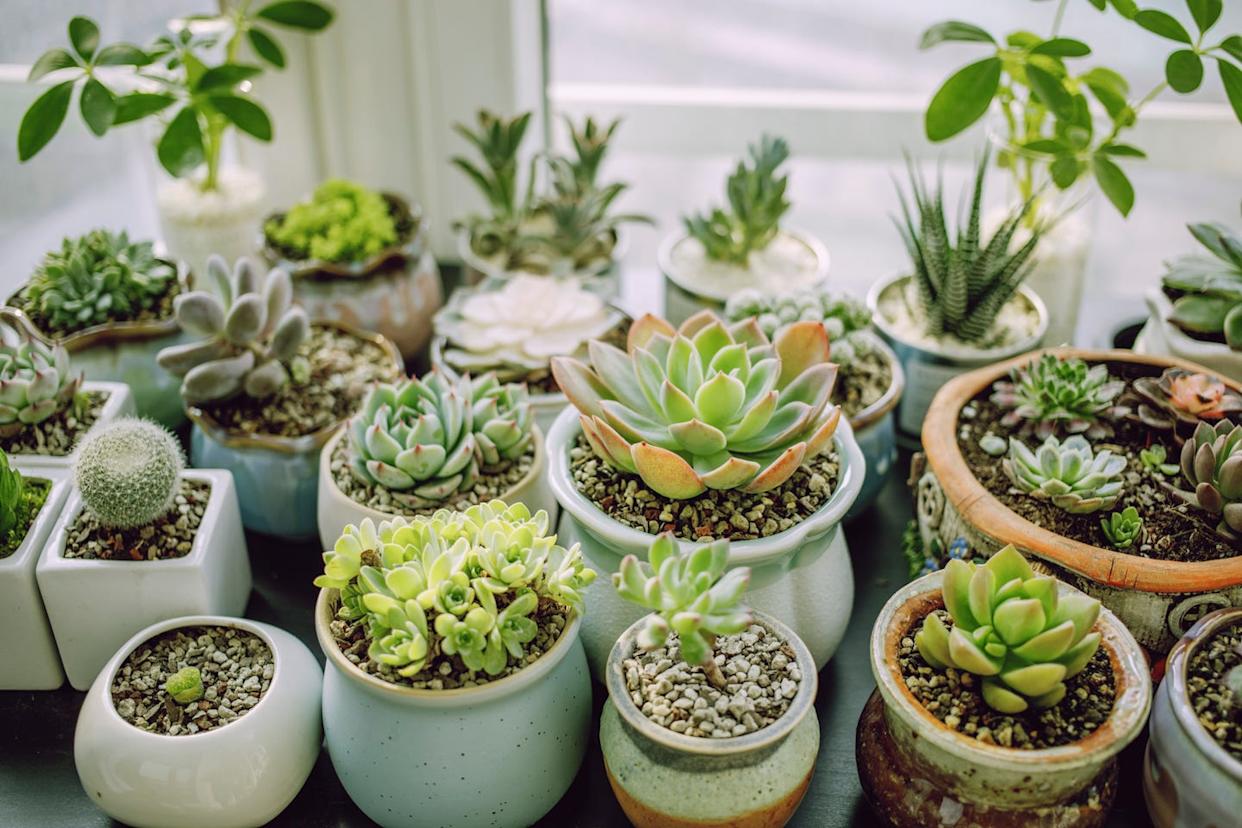
Luckily, succulents—plants with characteristic thick leaves, stems, and/or roots—can store water and withstand even the most severe cases of neglect, making them an ideal option for homeowners who aren’t confident in their ability to care for a living thing. They’re also available in hundreds of varieties to effortlessly blend into any type of decor.
“Succulents are a great low-maintenance option for any plant parent. When placed in a sunny spot, they can thrive in your home,” confirms David Erbe. He and his partner, Aidan Robinson, started their own company and shop, The Plant Gays, offering plant design services and consultations to the Ohio area.
We chatted with the dynamic duo for their top 10 succulent recommendations, as well as basic tips to extend their longevity.
Aloe Plant (Aloe Vera)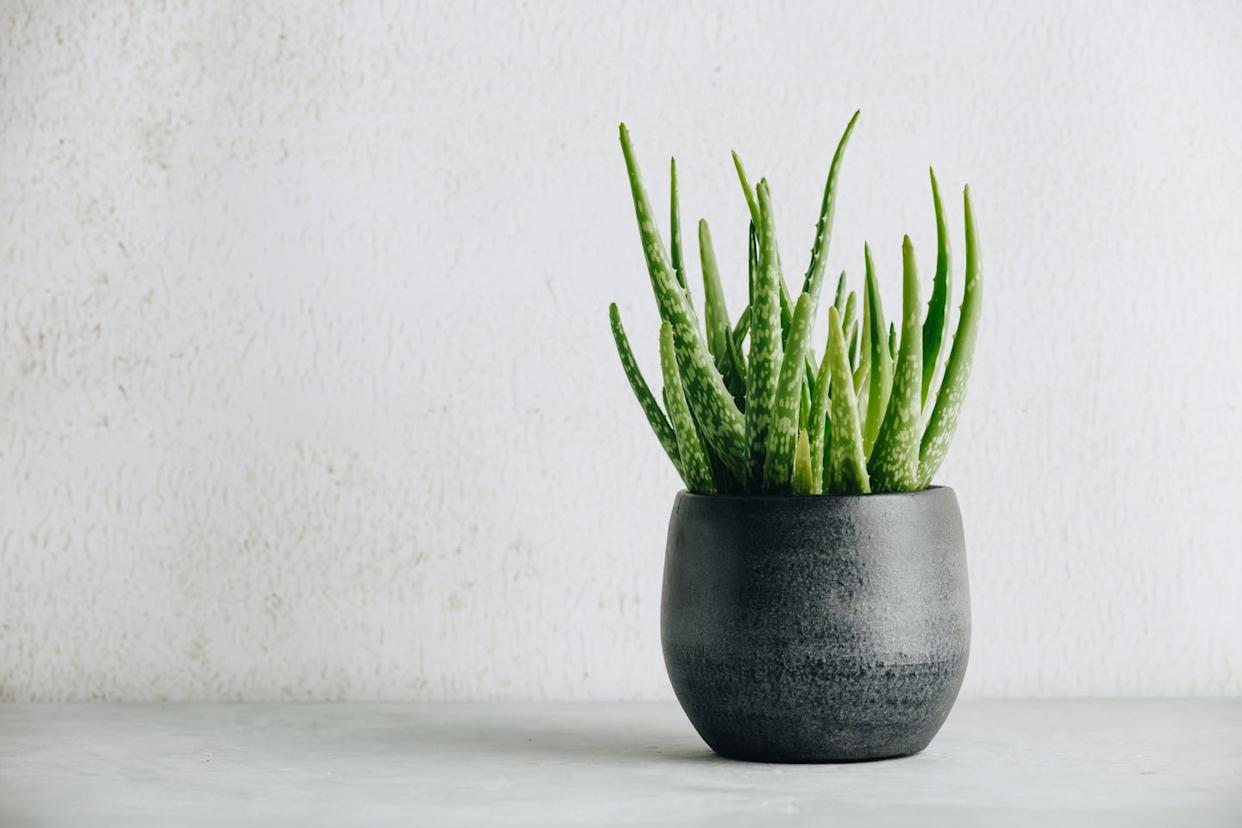
Photo credit: klenova – Getty Images
Perhaps the most popular succulent on this list, tall and slender aloe always makes for a great addition to any home. “This low-maintenance plant is not only beautiful to look at, but also offers benefits to skin and digestion health,” explains Robinson. That means caretakers can cut its leaves and use the flesh for its touted healing properties.
Shop Now
Black Prince Plant (Echeveria Serrana)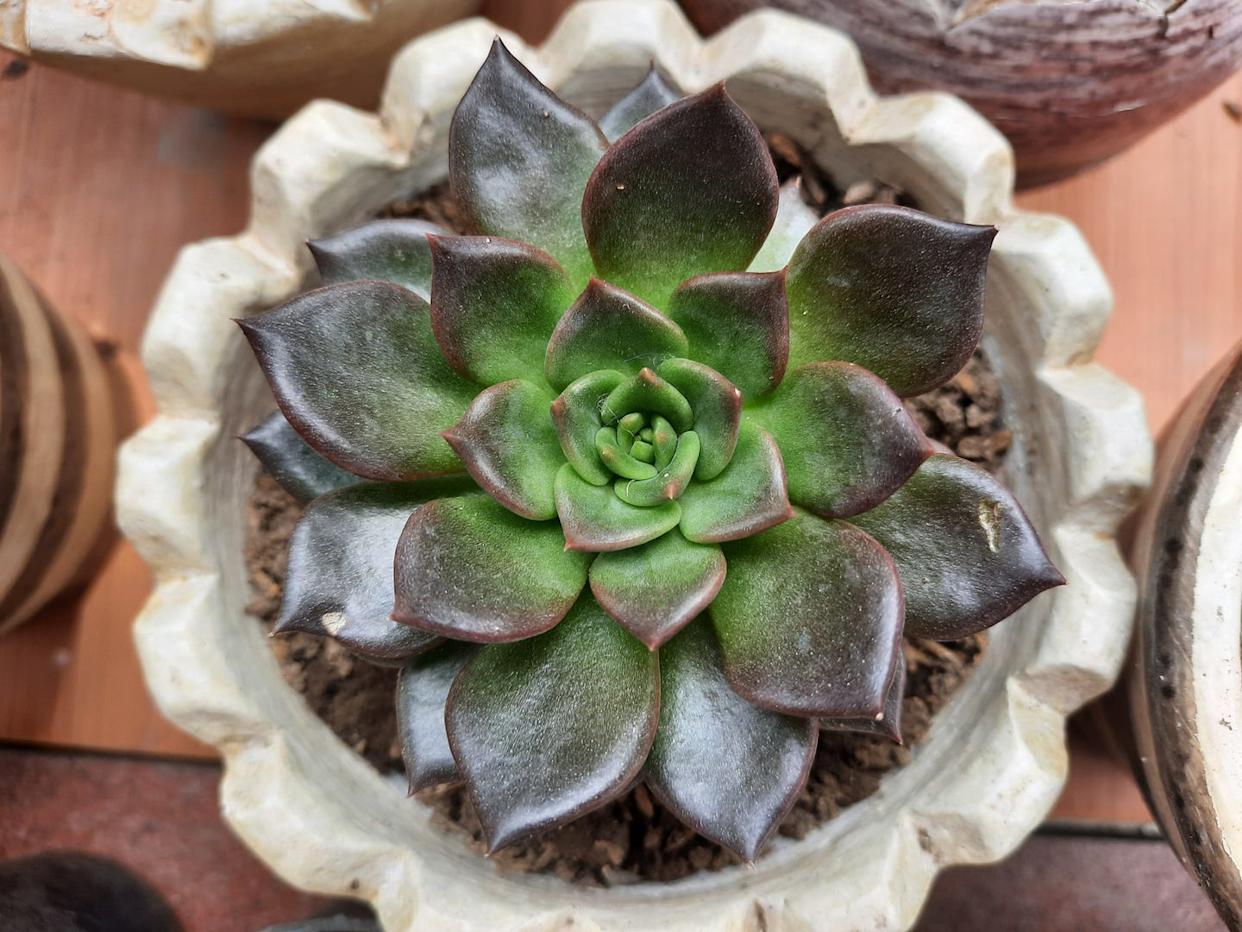
Photo credit: Mutsu Aditha – Getty Images
Any member of the echeveria family makes for a wise choice; they add a touch of color and are easy to care for. “With stunning, rosette-forming leaves, these succulents are a favorite, especially with their ability to flower and produce gorgeous blooms,” says Erbe.
Shop Now
Burro’s Tail Plant (Sedum Morganianum)
Photo credit: fottodk – Getty Images
“This a great hanging option for your bright window,” suggests Robinson. “With its bluish-green leaves and drooping stems, this plant is sure to add variety to your plant collection.” That said, its strands can grow up to a whopping three feet long, so be sure to designate enough space for it to reach its fullest potential.
Shop Now
Flapjack Plant (Kalanchoe Luciae)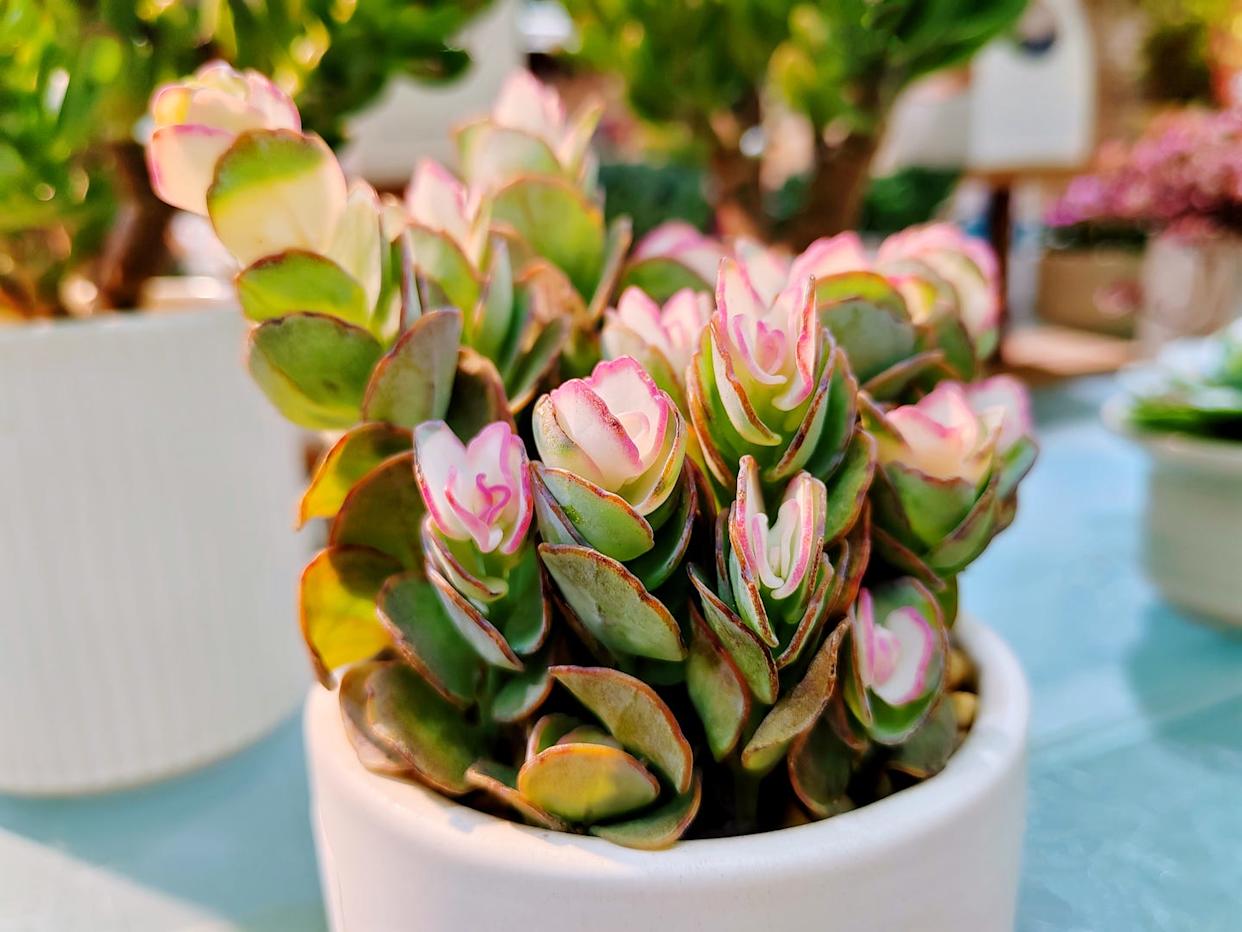
Photo credit: tc397 – Getty Images
Otherwise known as a paddle plant, its flat, pancake-like leaves make it a unique addition among angular succulent bouquets. “When given enough sunlight, they can also get a red color to their tips,” adds Robinson.
Shop Now
Jade Plant (Crassula Ovata)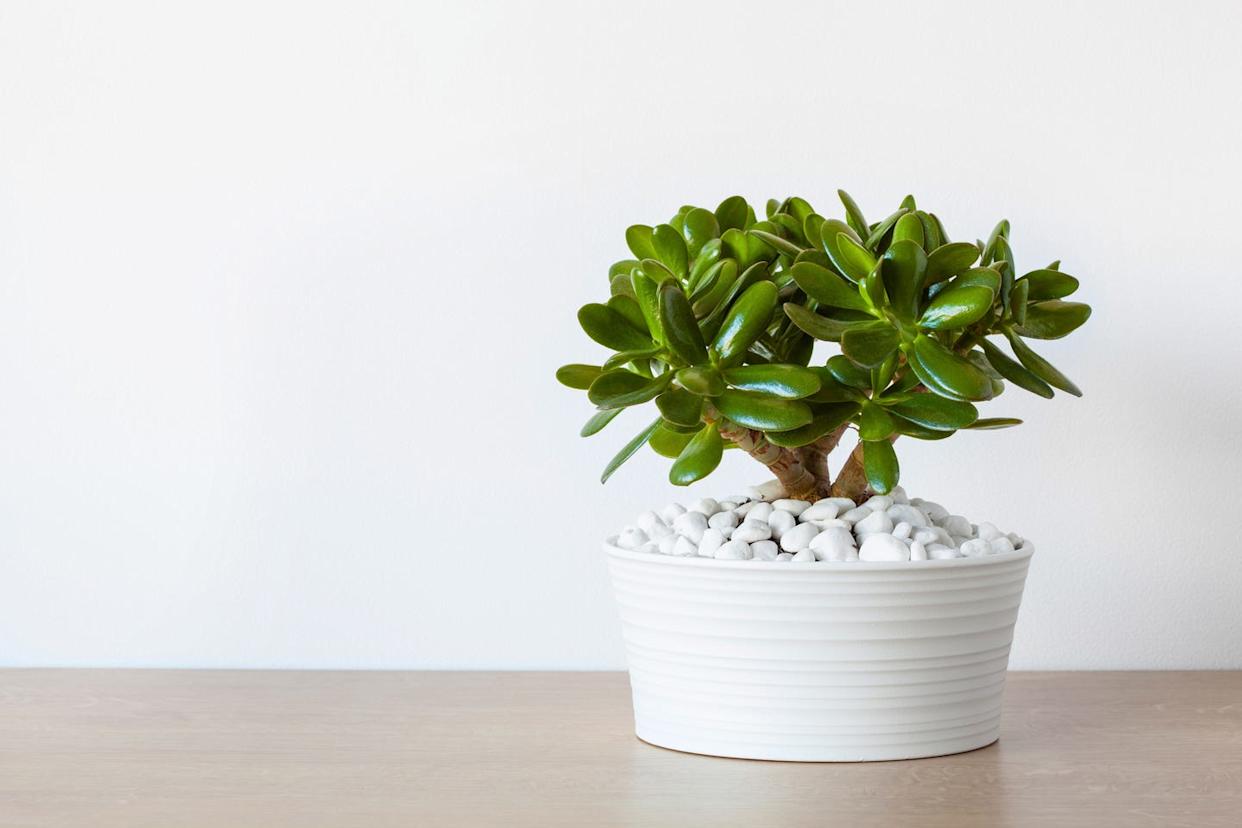
Photo credit: OlgaMiltsova – Getty Images
In addition to aloe, jade is the most common succulent found in most households due to their extreme resiliency and eye-catching trunk. “A classic [option], they’re slow-growing, drought-tolerant, and suitable for anyone new to plants,” says Erbe.
Shop Now
Mother of Thousands Plant (Kalanchoe Daigremontiana)
Photo credit: skymoon13 – Getty Images
Don’t worry—these don’t multiply like mice, but they do make propagation easy by “producing offspring plants along the edges of their leaves,” according to Robinson. This is a great starter plant for anyone who wants to take indoor gardening to the next level and repot young plants for future growth.
Shop Now
Pickle Plant (Kleinia Stapeliiformis)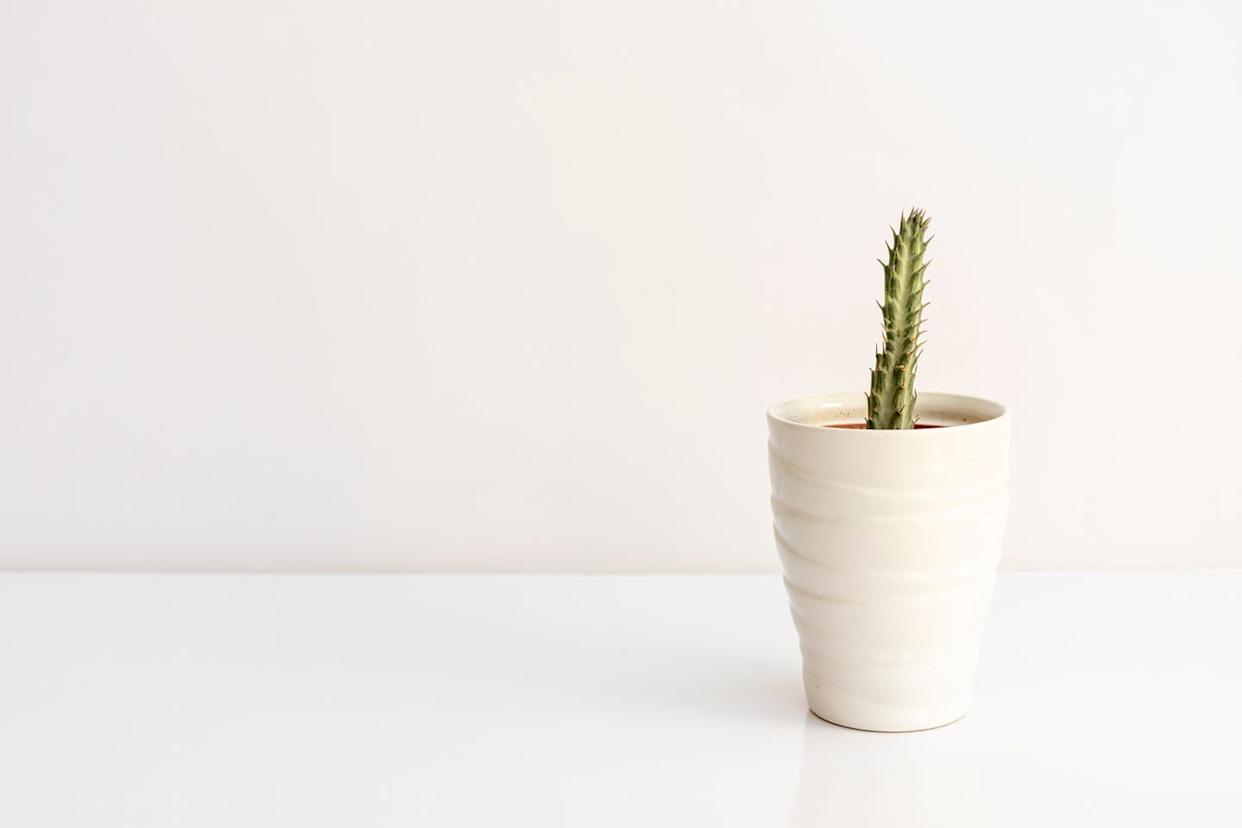
Photo credit: Bilal photos – Getty Images
They won’t flourish in a jar with brine, but they will add unique porous patterns and textures (like the salty snack) to potted window sills. “The plant can also be grown vertically or hung to vine downwards, making it an architectural houseplant,” explains Erbe.
Shop Now
Snake Plant (Dracaena Trifasciata)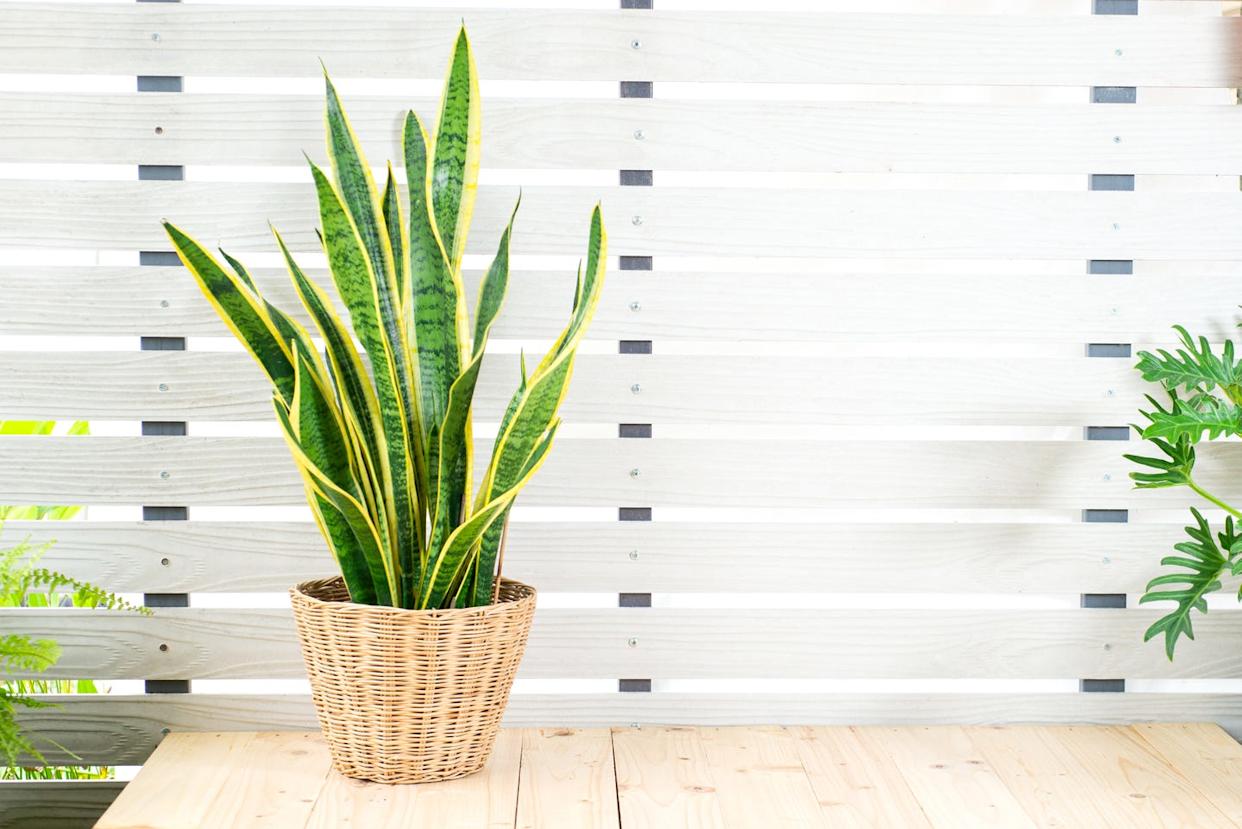
Photo credit: M.photostock – Getty Images
While they may not look like a traditional tiny succulent, they are technically classified as such and are known to store moisture. “They’re very low-maintenance,” adds Robinson, advising buyers to not be intimidated by their size, as they can be separated and repotted to create multiple plants.
Shop Now
Tiger Jaw Plant (Faucaria Tigrina)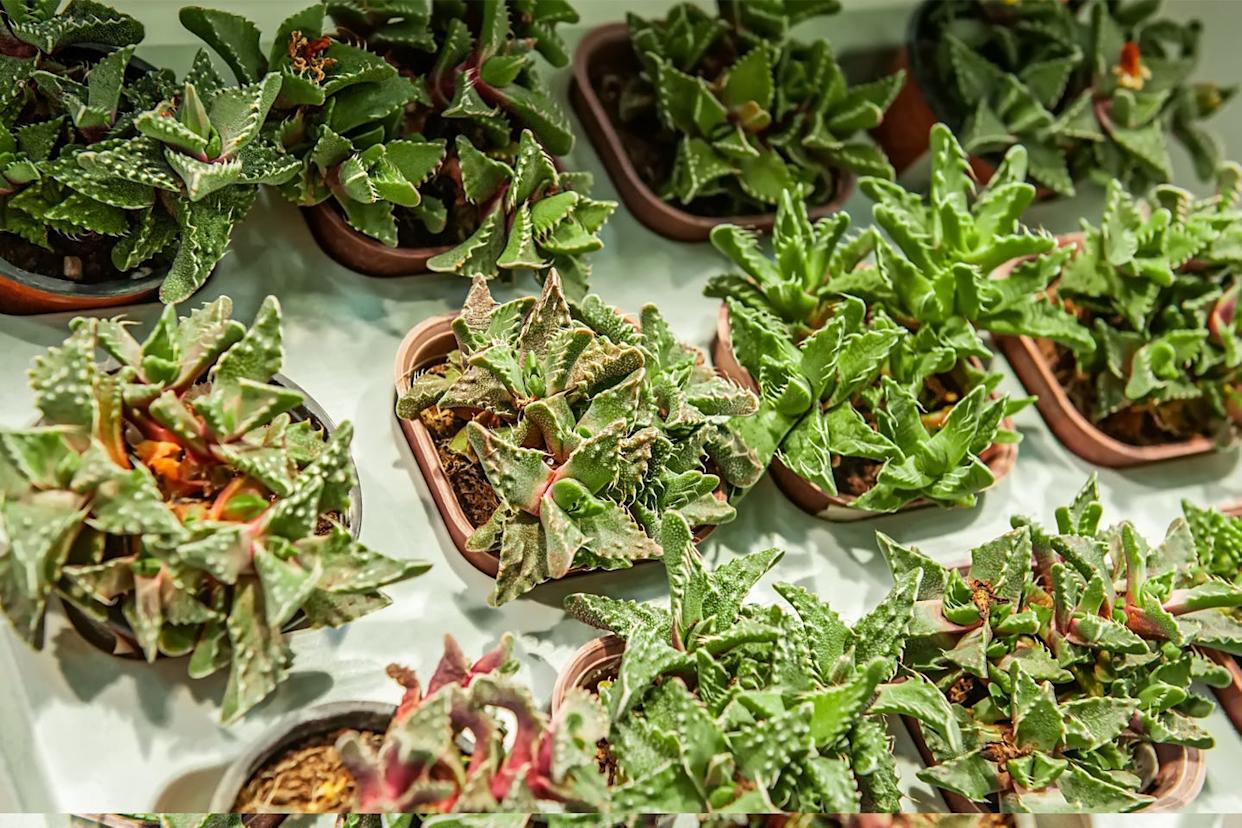
Photo credit: Oxana Medvedeva – Getty Images
If you’re looking for more of a visual showstopper, consider the tiger jaw. “It has spikey, tiger jaw teeth that direct rainwater and dew to the base of the plant where the roots can absorb it,” shares Erbe.
Shop Now
Zebra Plant (Aphelandra Squarrosa)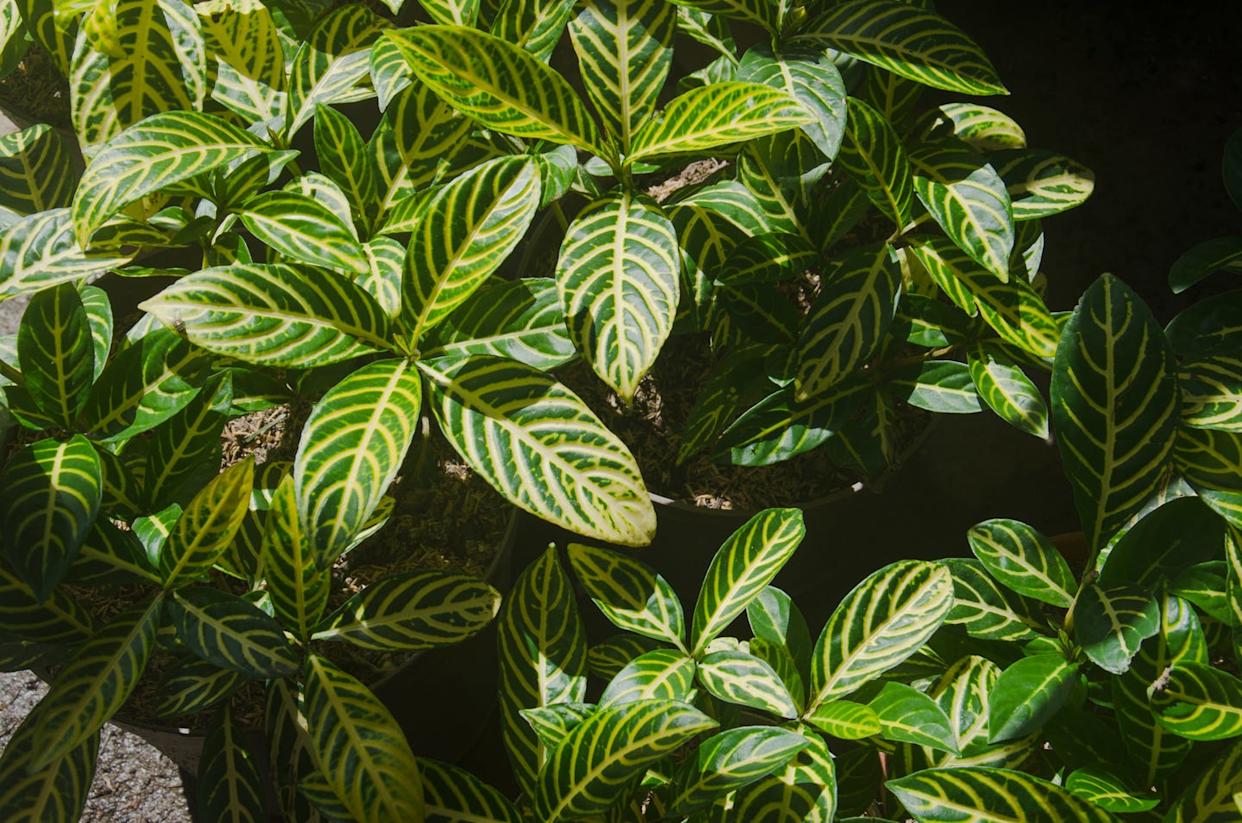
Photo credit: Elizabeth Fernandez – Getty Images
Part of the robust Haworthia family, a zebra plant is “hardy,” striped, and resembles aloe in shape. It’s also ideal when planted with other succulents, as the zebra will remain small and not infringe upon another plant’s growing space.
Shop Now
How to Care for Succulents
Photo credit: Hearst Owned
Your succulent is only as healthy as the time and effort put into it. We tasked Erbe and Robinson to provide their top-level recommendations when it comes to caring for any of the aforementioned succulents.
How often should you water most succulents?
The biggest perk of caring for a succulent is that they can survive for weeks without water. This makes them an ideal plant for those who are forgetful and/or travel often.
“Depending on the soil and planter used, most succulents will only need water once every 3-5 weeks or about once a month,” says Erbe. “I always like to err on the side of underwatering, rather than overwatering. Make sure the soil is completely dried out between waterings. You can also reduce watering frequency in the cooler winter months.”
How much sun do succulents need?
Water may not be a major necessity, but your succulents will certainly demand sunlight. “Indoors, most succulents will need to be in your brightest window (this is usually a south or west-facing window),” advises Robinson. “They thrive in warm environments of 60-75 degrees Fahrenheit.”
What should you pot your succulents in?
“Use a gritty, well-draining succulent/cacti potting mix. Always use a planter with drainage holes and make sure it isn’t too deep,” recommends Elve. “Succulents don’t like sitting in wet soil or ‘having wet feet’ for too long. This can cause root rot.”
Home improvement stores should carry a large and often inexpensive selection. You can also plant multiple succulents in one large planter. Just be sure that each of them are exposed to the aforementioned direct sunlight.
Can succulents also survive outdoors?
Absolutely. In fact, they’ll thrive. “Many people like to bring their succulents outside in the warmer months and bring them back in for the cooler months,” explains Robinson. “This gives them time to enjoy the heat and humidity outdoors, while also being able to enjoy them indoors for part of the year.”
You Might Also Like
Comments are closed.