
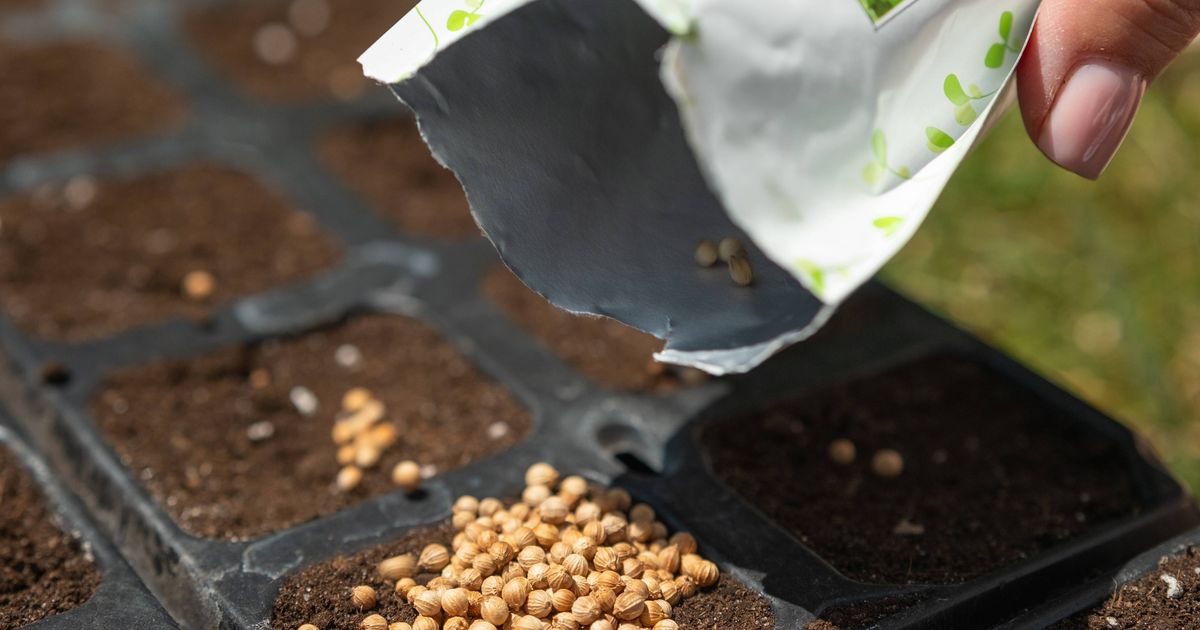
Many gardeners wonder if seeds past their ‘sow by’ date are still worth planting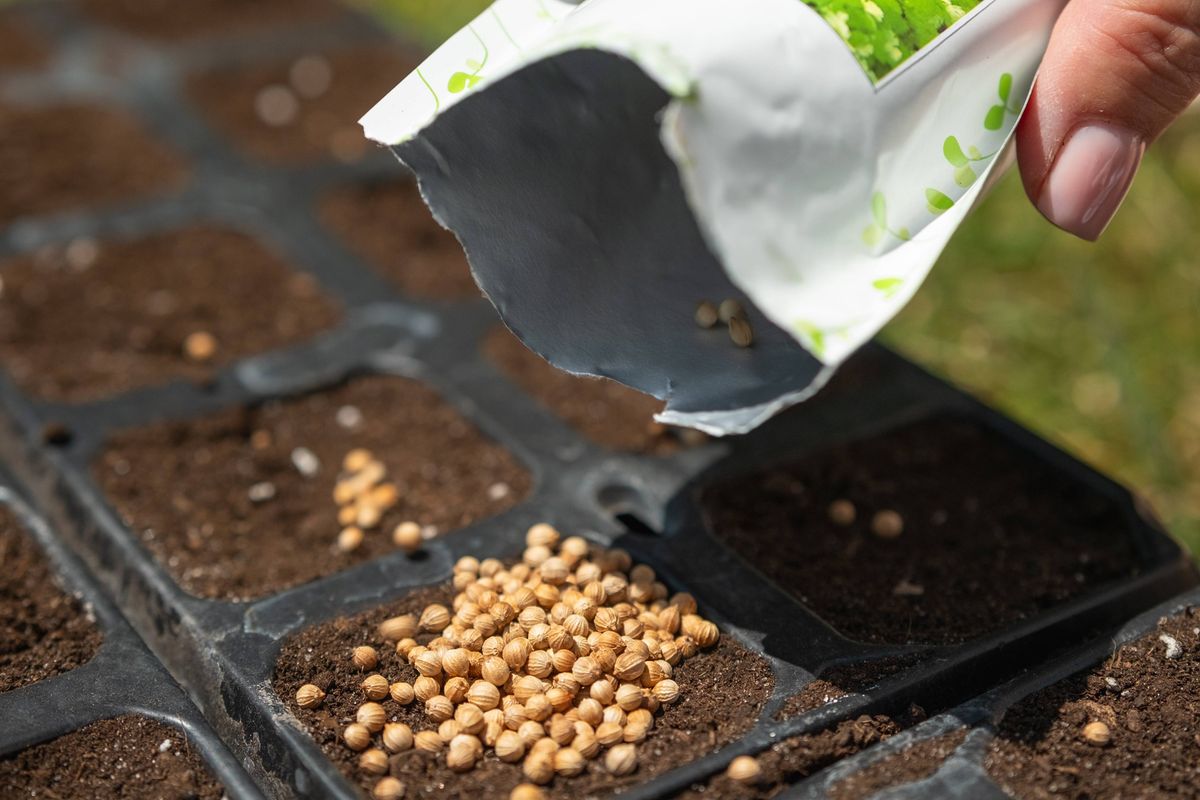
You might still get results(Image: Maliev Oleksandr via Getty Images)
As spring arrives, countless gardeners find themselves rummaging through old seed packets, debating whether to take a chance on those that have passed their ‘sow by’ date. Huw Richards, a grow-your-own expert, author and popular YouTuber with more than 750,000 subscribers who works alongside hand-tools brand Gardena, confesses he’s willing to take risks when it comes to various aspects of gardening.
“Seed packets are just guidelines. At the end of the day, a seed either wants to grow or it doesn’t.”
Thoughts on ‘use by’ dates
“I think it’s a bit like what’s happened with supermarkets, so they’ve got rid of a lot of best-before dates for vegetables because it’s purely a thing of a guarantee, yet if that time elapses, they may still be perfectly fine to eat,” Richards explains.
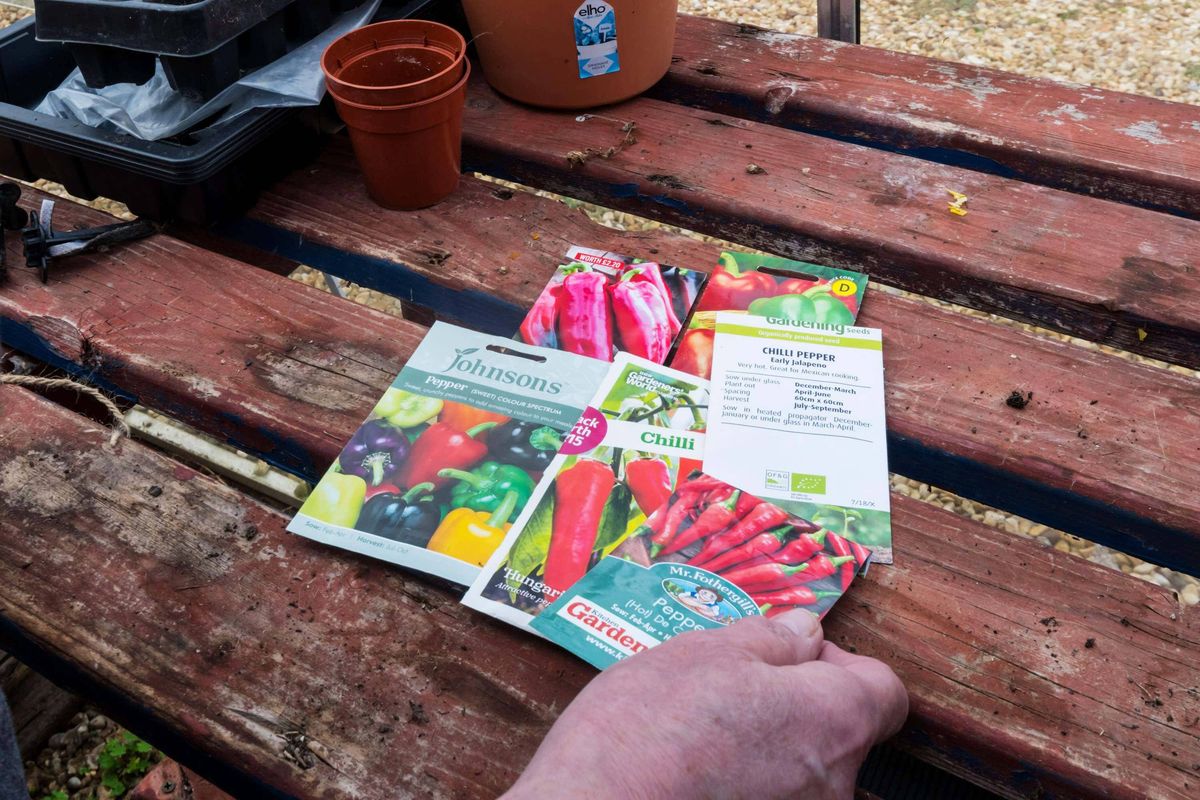
Seeds do degrade over time, yet here’s how you can maximise your chances of success(Image: Alamy/PA)
Certain vegetable seeds remain viable for two years, whilst others can last up to five years or beyond, though as time marches on the germination rate drops and they may lack the vigour of plants grown from fresh seeds. Cucumbers, tomatoes, pumpkins and radishes can remain usable for more than five years, whereas onions, spinach and parsley typically lose viability within one or two years.
Seeds naturally deteriorate over time, and the RHS warns that older seeds may yield disappointing results, potentially forcing you to restart with fresh stock. The longevity of vegetable seeds varies considerably, largely influenced by storage conditions.
If you’re tempted to try, it might be worth double sowing to increase your chances that at least some will germinate.
Richards suggests: “If you’ve got a load of seeds left over, just sow four or five in a pot. And if any come through, you think, Oh, actually, there’s life in this seed packet yet.”
Matthew Appleby, editor of Horticulture Week, reports he’s planted expired seeds with mixed results. “They can work. It’s kind of like a sell-by date on a supermarket packet that they are there for safety reasons rather than practical reasons.
“I’ve grown pumpkins and courgettes from ‘used by’ seeds and I have had success but it’s a bit more hit and miss,” he notes. “It’s worth having a go, but don’t expect so much success.”
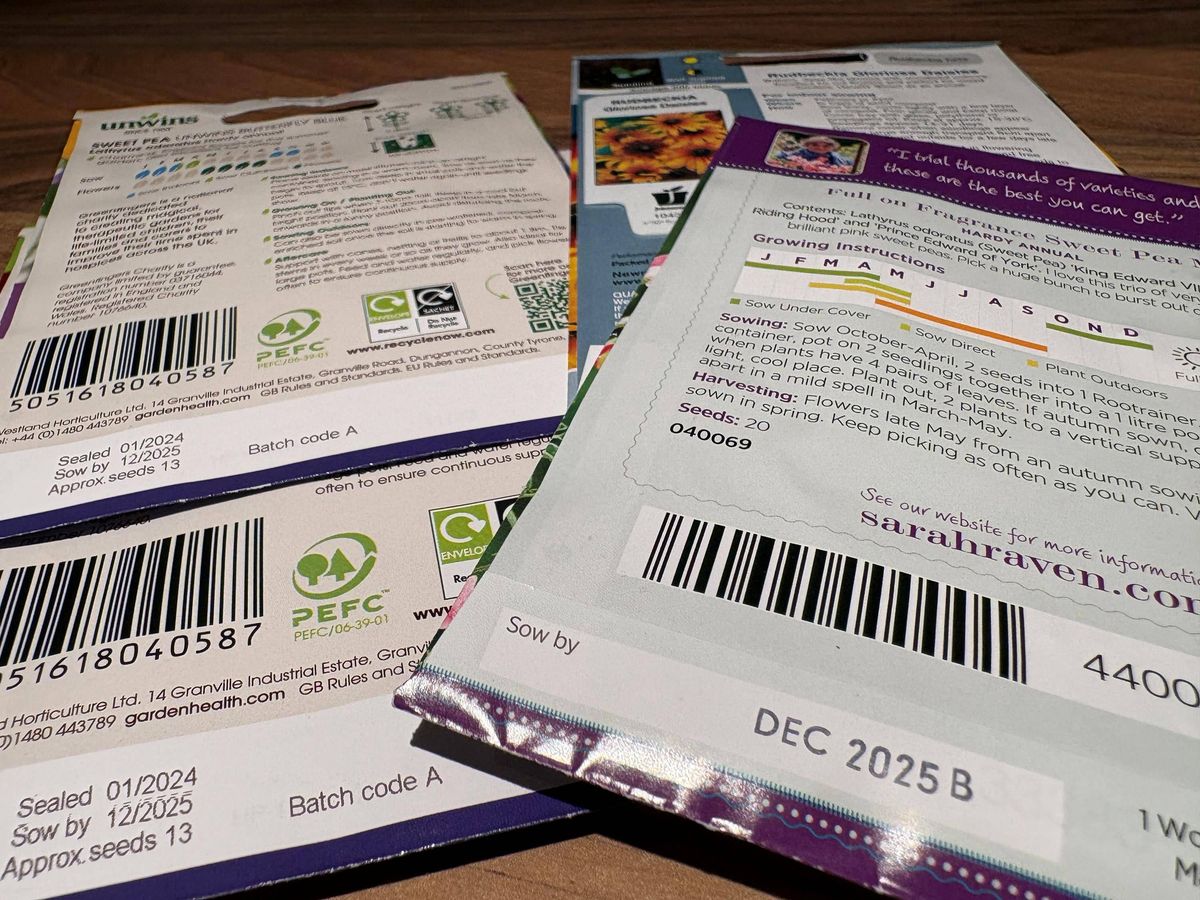
Out-of-date packets of seeds(Image: Hannah Stephenson/PA)
Test viability
Heirloom seed company She Grows Veg suggests that prior to planting, you could conduct a germination test by placing several seeds between moist paper towels, keeping them warm and monitoring for sprouting. If the majority germinate, they’re still suitable for planting.
What about storing seeds?
If you’ve only planted half a packet of seeds because you don’t require too many plants or you lack space to sow more, improve your chances of them remaining viable through proper storage.
“I would say pop them into an old ice cream tub with a lid. Fold up the seed packet and put them in there or even in a cardboard box, in a cool, dry cupboard in your house,” Richards advises.
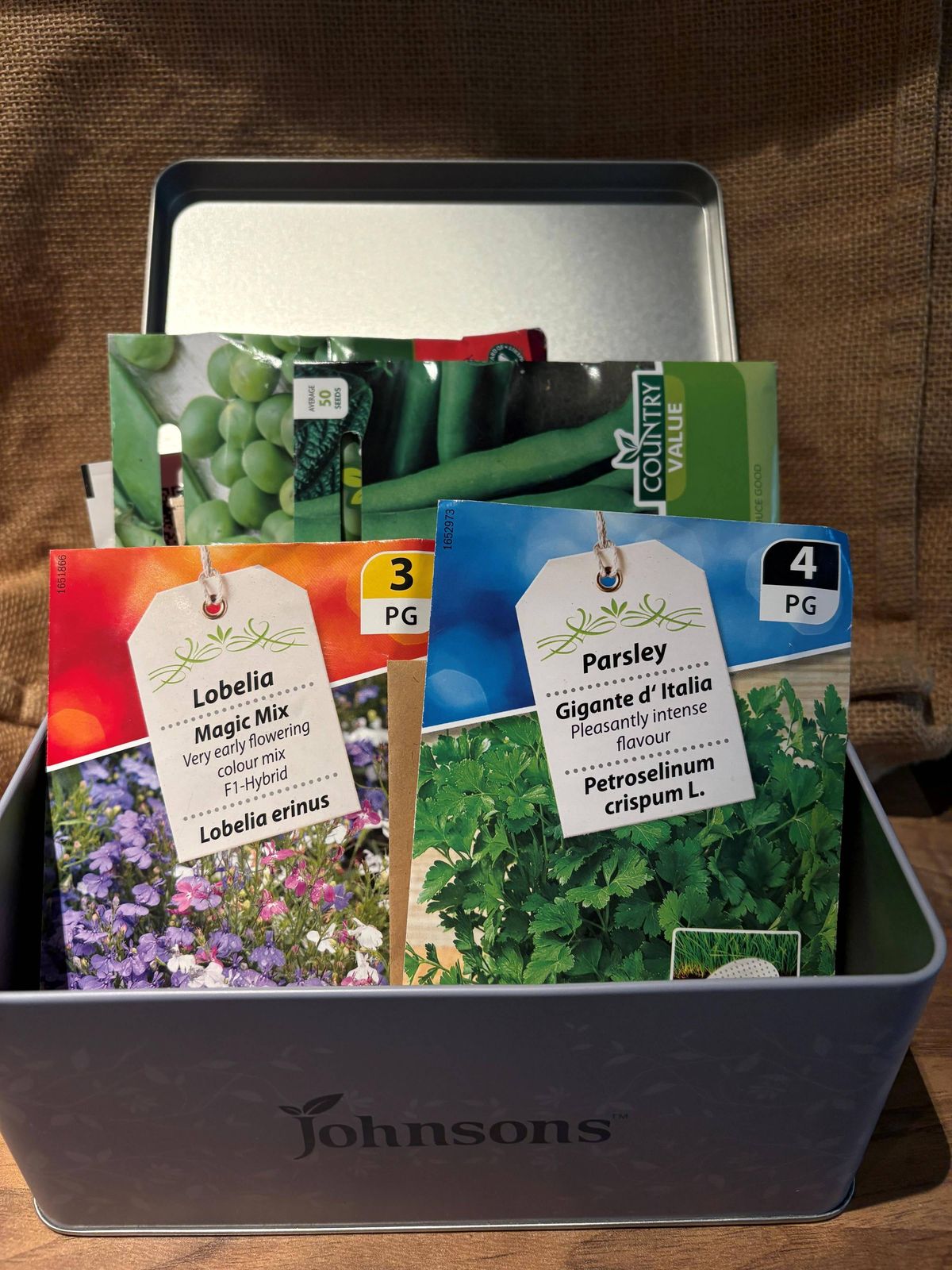
Seed packets in a tin(Image: Hannah Stephenson/PA)
Ensure there’s no dampness accumulating in whichever container you’re using, otherwise it could cause the seeds to deteriorate, so you may wish to include desiccants such as rice in your storage vessels to soak up excess moisture. Alternatively, opt for an airtight glass container to maintain their freshness.
Seeds bought in resealable packaging are advisable if you won’t be using the entire packet. Appleby suggests you can simply secure an opened seed packet with a peg or tape, storing them somewhere cool, dry and dark.
Should you anticipate poorer results once the packaging has been opened?
“Theoretically, but at the same time, it’s more to do with the skill of the gardener when sowing, using the right temperature, the right potting medium, the right water etc,” he says.
Comments are closed.