
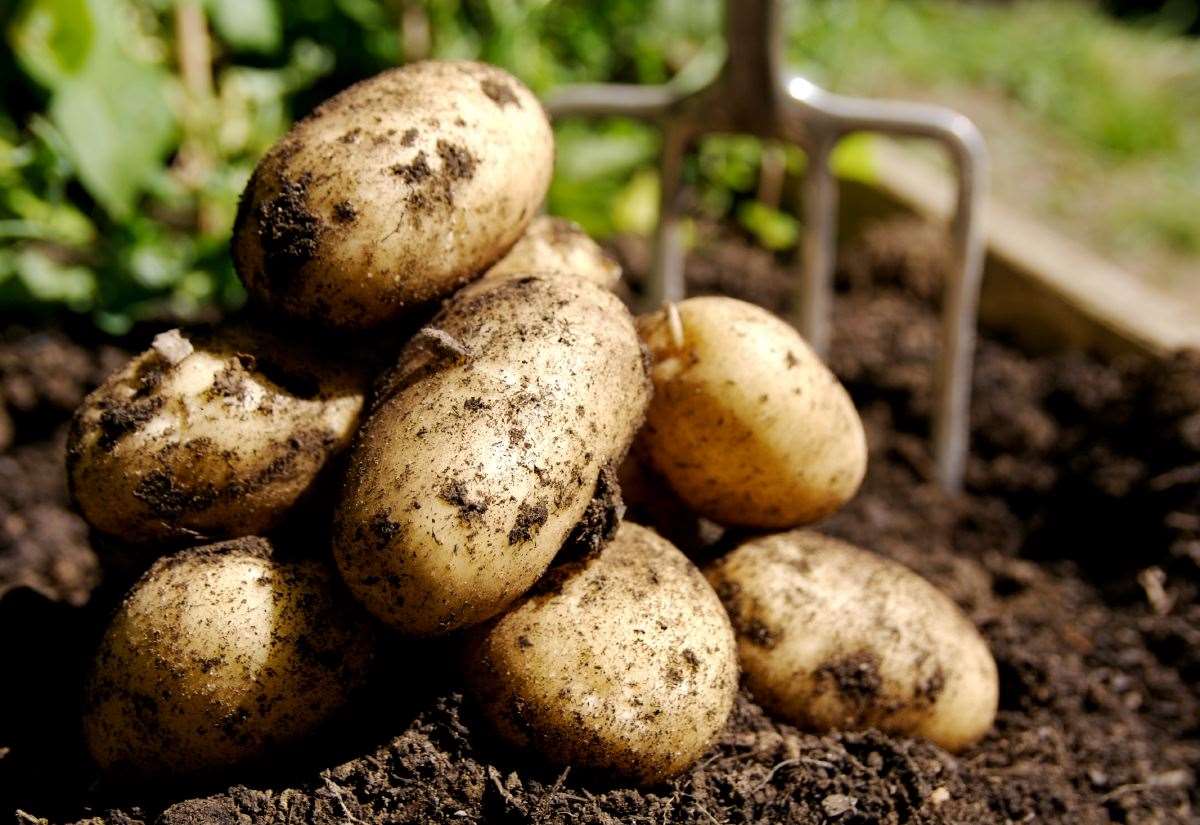
The arrival of March is a sure sign that spring is under way. As usual, the weather has brought with it challenges which have prevented us from preparing for the coming season, however these will soon be forgotten as the days are finally getting longer and we are experiencing bright, warmer conditions, bringing a positive feel everyday.
We must remember there is still time for colder weather, with late frosts nipping at new shoots and freshly-planted seedlings. Keep an eye on the night time temperatures and be prepared to protect tender plants – covering with fleece or bringing pots inside to avoid losses. It’s still early to be planting out young seedlings, but hopefully by the end of the month conditions should allow us to get started. The edible crops are among the first plants we are keen to focus on, potatoes in particular are top of the list. Planting them too early can often prove troublesome as late frosts can easily damage them if they get caught once their foliage has emerged above ground. Here are some useful growing tips to help produce a healthy crop to enjoy later in the season.
Ideally, your seed potatoes will already be ‘chitting’ in shallow trays or egg boxes. Choose a cool, light, frost free environment – they need to develop shoots about 2.5cm in length – this will help them grow quickly once planted. The process of chitting isn’t essential, potatoes can be planted without the shoots but will take longer to grow as they need to sprout underground.
 Look forward to digging up your own harvest of potatoes
Your potato plot will need to be prepared. This is usually completed during late autumn or early spring. It allows the seed potatoes to be easily planted when ready, which is when the soil temperature is above 8 degrees. Dig a flat-bottomed trench, approximately 10-12cm deep. Add a layer of well-rotted garden compost and plant seed potatoes 20cm apart (35cm for main crop varieties). Width between rows should be 45cm (65cm maincrop). Fill the trench, covering the tubers completely.
As the season progresses and the green shoots appear, rake up the earth around the plant leaving peaked rows – this gives the plants more soil in which to grow, keeps out sunlight and improves drainage. This also helps control weeds quickly. Repeat the earthing up process as required until the greenery is too big. The process is similar for container growing seed potatoes. Add a layer (10cm) of soil mixed with perlite or gravel for extra drainage. Plant the tubers, cover with another 10cm of soil. As the plants emerge, earth up in the same way. A pot approx 45cm deep and 40cm in diameter only requires 2 seed potatoes. Water well, but be careful not to over water. If weather turns cold and frosts are likely, use fleece or cloches to cover and protect from damage.
Types of potatoes
First earlies: Red Duke of York, Rocket, Pentland Javelin. Plant March-April. Harvest June- August.
It’s time to plant chitted potatoes
Second earlies: Marfona, Estima, Maris Peer. Plant April-May. Harvest July-September.
Main crop: King Edward, Maris Piper, Desiree. Plant April-May. Harvest September-October.
Salads: Charlotte, Nicola, Caledonian Pearl. Plant March-April. Harvest July-September.
There are several varieties. Those mentioned above are popular ones which grow well in this area.
Harvesting
First earlies are best enjoyed when small and fresh – their skins can be left on or scrapped if preferred – they are followed by second earlies. Main crops remain until October once the foliage has died back. This will encourage large-size potatoes and the skins will be set. They can stay planted until the colder weather arrives. If you haven’t grown potatoes before, give it a try this year and enjoy a tasty crop this summer.
More jobs for March
There’s still plenty of time to get started in the garden, here are a few jobs to consider:
* bare root trees, raspberry canes and fruit bushes can still be planted
* create a strawberry patch for planting
* plant summer flowering bulbs – crocosmia, lilies and gladioli
* sow more vegetable and flower seed for the coming season
* repair and condition lawns with lawn dressing and grass seed
* lift and divide large clumps of perennials – replant among the borders
PLANT OF THE MONTH – Camellia japonica
An attractive, low maintenance evergreen shrub with glossy leaves and large double or single, stunning rosette-like flowers in a range of pinks, reds and white. Grows up to around 2 metres in height. Flowers during March-May. Prefers fertile, well drained soil in a sheltered position and light shade. Plant in ericaceous compost. Can be grown in large planters. Deserves a place in the garden.
Beautiful spring colour with Camellia Japonica
Mothering Sunday, March 15
Flowers are always a popular gift for Mother’s Day. As an alternative to cut flowers, why not choose plants this year? For a personal touch, creating your own planted arrangement is a thoughtful choice. You can include favourite varieties, colours and pick from a vast range of pots and planters which are widely available. Plants will last longer than a bunch of flowers and can be planted in the garden for a lasting memory to be enjoyed for years to come.
Sign up for our monthly newsletter at rhn.me.uk
Growing for more than 60 years
Rougham Hall Nurseries at RHN Plant Centre and Farm Shop, Colethorpe Lane, Barrow IP29 5BE
Call 07813 008960
See rhn.me.uk
Comments are closed.