
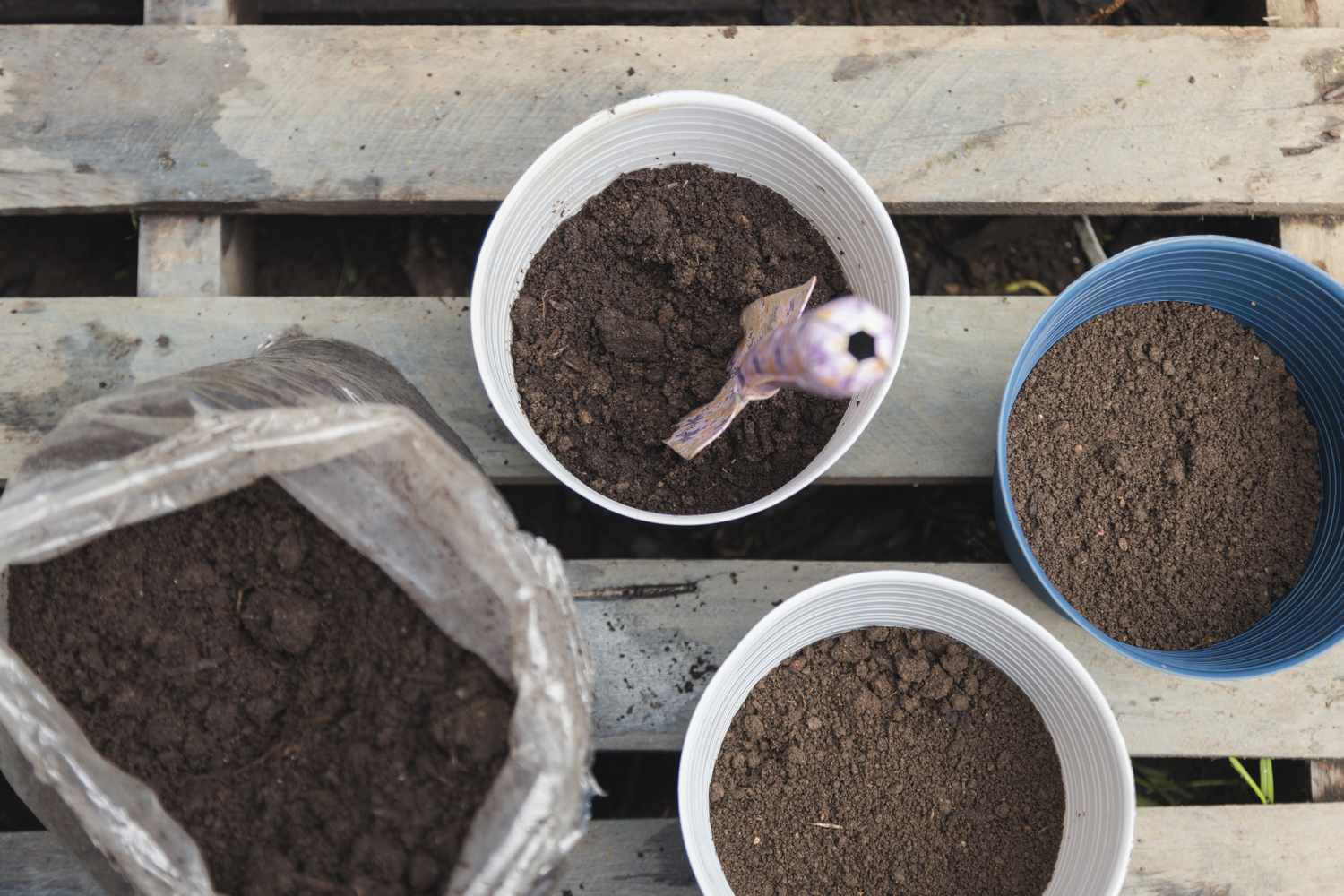
Containers half-filled with old potting soil await after a long winter. The soil they contain is dry, dusty, and full of hairy roots—nothing like the dark, fluffy, moist potting mix you started with last year. This soil has to be revived before planting spring containers if you want them to flourish. But you don’t have to dump out all your containers and spend a ton of money on bags of soil. Refreshing the soil allows your new plants to thrive in most situations.
This is how to refresh your potted soil in time for spring without even emptying your pots.
Do You Need To Change The Soil For Potted Plants?
You don’t have to change the soil every time you replant your pots as long as the previous plants remained healthy. Efforts to sterilize potting mix aren’t guaranteed, so it’s best to start over from scratch if diseased plants were growing in your containers.
You can reuse potting soil for a year or two before replacing it. However, you’ll need to add fresh soil to improve fertility and moisture retention. Potting mix leaches nutrients when you water, and the ingredients eventually break down into a fine dust. Follow the steps below to refresh your potted soil for spring.
How To Refresh Potting Soil
Step 1: Prepare The Old Potting Mix
Remove sticks, leaves, weeds, and any other debris from the pot. Use a trowel or hand cultivator to break up the soil and turn it over. Pull out clumps of roots that you find.
Step 2: Amend The Potting Soil
If your pot is already half empty, you can simply top off the potting mix with one of the products below. Fill the container to 2/3 full, then use your trowel to mix the soils. If the container is mostly full, you’ll need to remove some of the worn-out potting mix before adding new.
Note that almost all potting mixes are soilless. While you technically can use soil from your garden in a pot, this can cause problems. Stick with commercial potting mixes in containers to avoid drainage issues, pests, and disease.
Houseplants and annual flowers: Use an indoor potting mix or an indoor/outdoor mix that is light, fluffy, and well-draining. Many potting mixes contain slow-release fertilizer or compost, in which case you can forgo fertilizing for a few weeks.
Woody plants and perennials: For woody plants, you can use bagged garden soil (despite the name, this product doesn’t contain soil) or an outdoor potting mix that contains aged bark and wood fines. This provides good drainage for woody plants while having enough heft to keep pots stable. The mix will break down more slowly, which is helpful with plants that stick around for a few seasons.
Succulents: Old potting mix works well for succulents since they prefer poor soil and fast drainage. Don’t add organic matter to your pots. Instead, mix in coarse sand or a combination of sand and cactus soil.
Annual vegetables: Most annual vegetables are heavy feeders. Use a lightweight potting mix that already includes compost or add a combination of potting mix and compost. If your potting mix doesn’t contain a fertilizer, you can fertilize at the time of planting.
Step 3: Top Off The Container
Save this step for after you plant your container. Tamp the potting mix lightly around your plants and water. For all plants except succulents, add a thin layer of mulch to help conserve moisture. With succulents, you can choose to sprinkle sand, gravel, or stone on top of the potting mix. Don’t pile mulch up against the stems or leaves of plants.
What To Do With Old Potting Soil
If you need to remove some of your old potting soil, you can still find uses for it:
Start a new container for succulents.Add the potting soil to your compost pile.Fill low areas or divots in your lawn and plant grass seed in the potting mix.Toss it into raised beds that need refilling.
Comments are closed.