
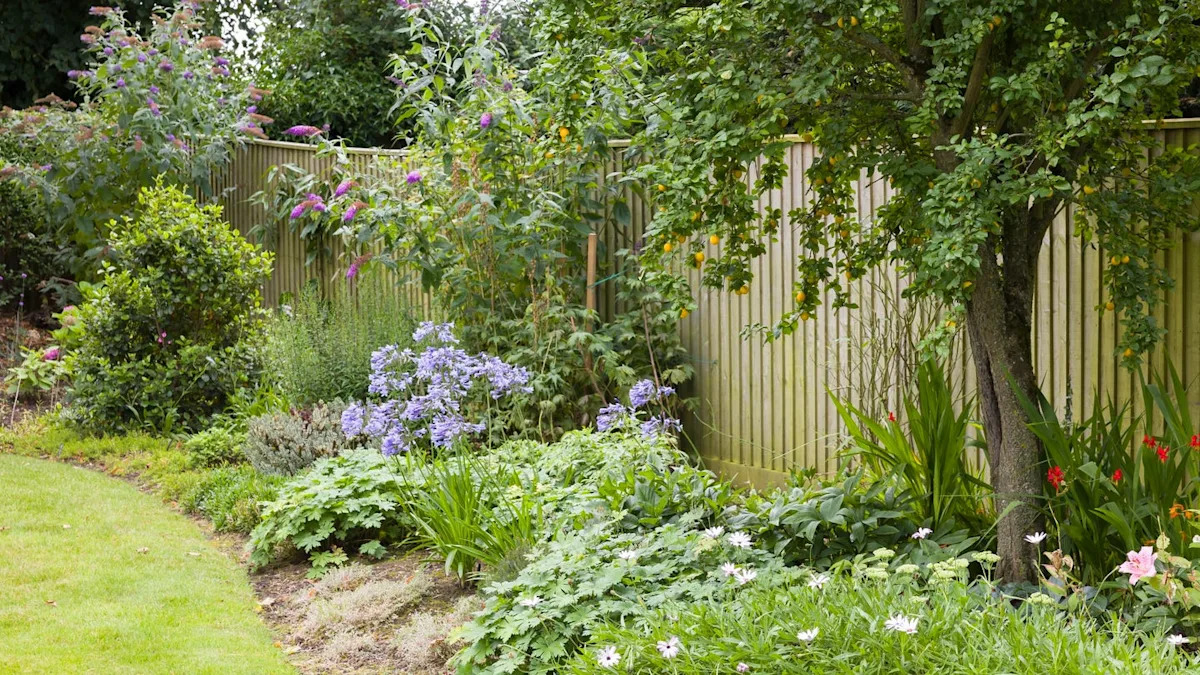
Late winter can be a tough time for gardeners. Spring is just around the corner—early-bird daffodils or crocuses might even be poking up out of the ground—but it’s still a bit too early to get your hands back in the dirt. Depending on where you live and the weather, spring might come early or late in the year, or it might be a bit of a tease, with warmer days followed by a snap freeze.
While you should wait to put plants in the ground until temperatures are consistently warmer (at least 50˚F) and there is little chance of a freeze, there are plenty of things you can do to get your outdoor spaces ready in the meantime.
Garden and lifestyle expert Carmen Johnston, owner of Georgia-based Carmen Johnston Gardens, shares ways you can start cleaning up your garden now in preparation for spring.
“After the winter—especially if you live in a place with a cold season that brings heavy wind, rains, or snow—your garden will demand some extra attention, show it some pre-planting TLC,” she says.
Remove Yard Debris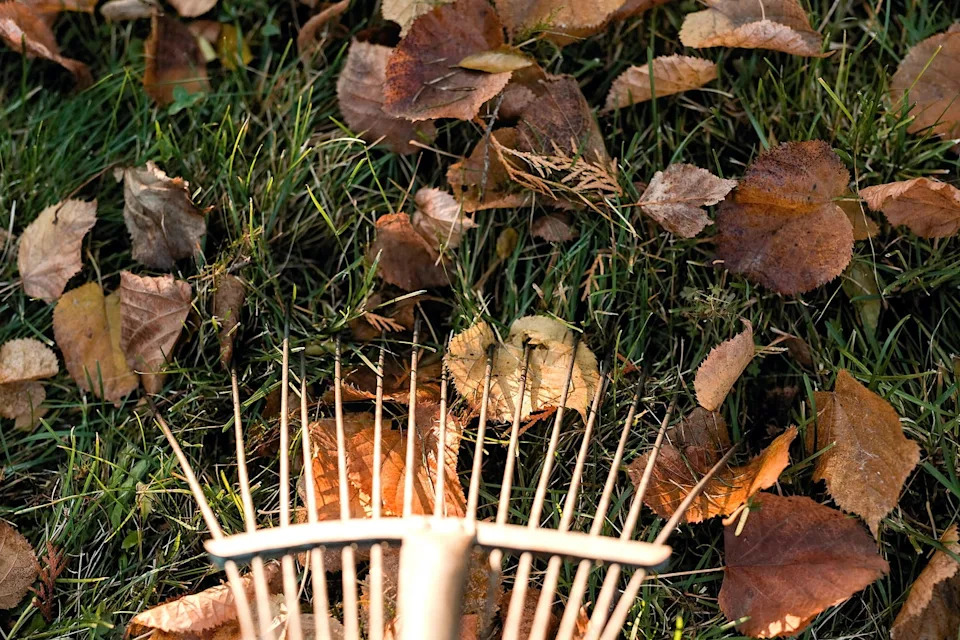
Ekaterina savyolova – Getty Images
Take a walk around your property and tidy things up. Gather fallen sticks, branches, and pinecones, rake up dead leaves, remove dead plants (use the scratch test to see if the plant is truly dead), and remove any other debris that has accumulated over the winter. Don’t forget your containers and window boxes.
Prune Trees and Shrubs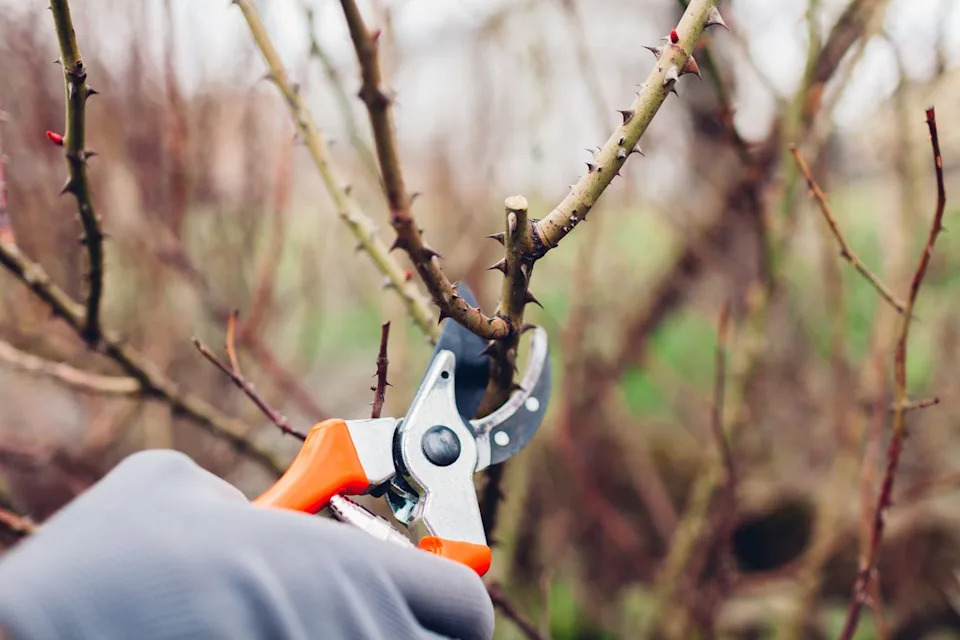
Maryviolet – Getty Images
Johnston says now is the time to cut back trees and shrubs like roses and limelight hydrangeas. Avoid pruning plants that flower in the springtime. “My basic rule of thumb is that if a plant flowers before mid-June, you should prune it after spring and after it flowers,” she says. You can also trim dead leaves and stems from perennials to encourage new growth.
Prepare Garden Beds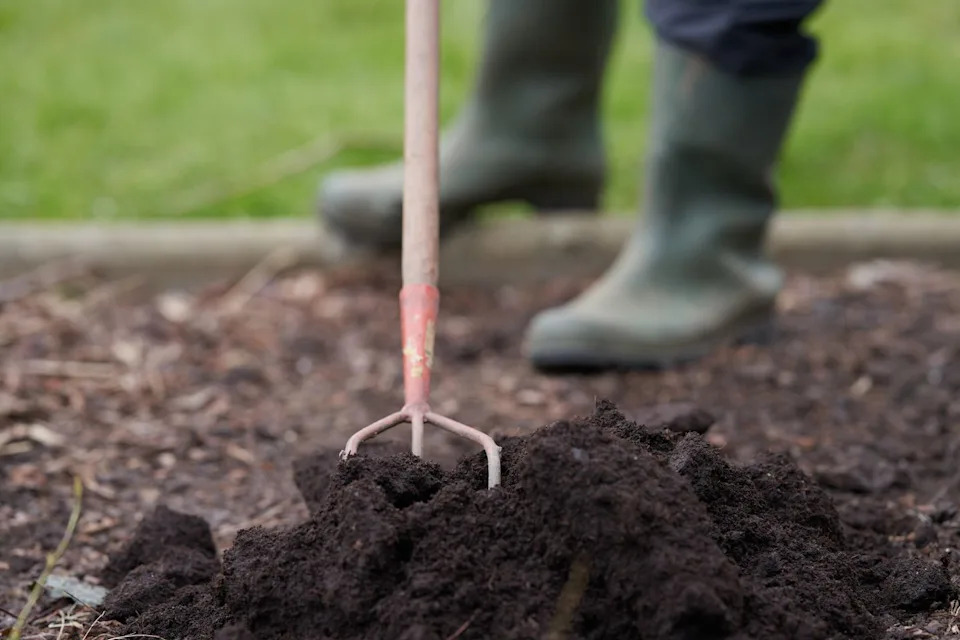
annick vanderschelden photography – Getty Images
Soil can turn hard and compact after a season of snow and cold weather, which makes it harder to place new plants in the ground. Prep your garden beds for new planting by turning over the dirt and loosening it up.
Then, it’s time to add nutrients to boost spring growth. “Fertilize everything from curb to foundation, including your lawn, shrubs, and trees,” Johnston says. But before you do that, it’s worth finding out the pH and nutrient levels of your soil so that you can fertilize properly. “I recommend having a soil test by your local extension office to assess your gardens nutrient needs. Here in the south, soils tend to be quite acidic, which most plants aren’t fond of,” she says. If you compost, now is a great time to add some to your garden beds.
By the time you’re ready to add new plants to your landscape, you’ll thank yourself for planning ahead and getting a fresh start for spring.
You Might Also Like
Comments are closed.