
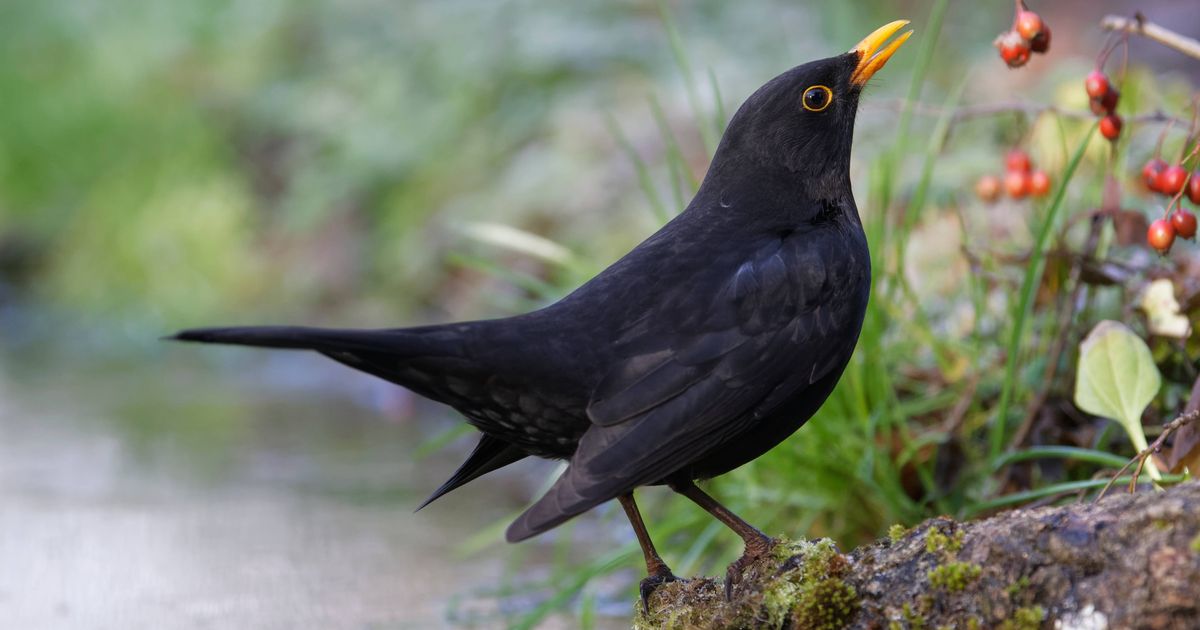
BBC Springwatch researcher Jack Baddams is urging people to take steps to protect the birds they have coming onto their land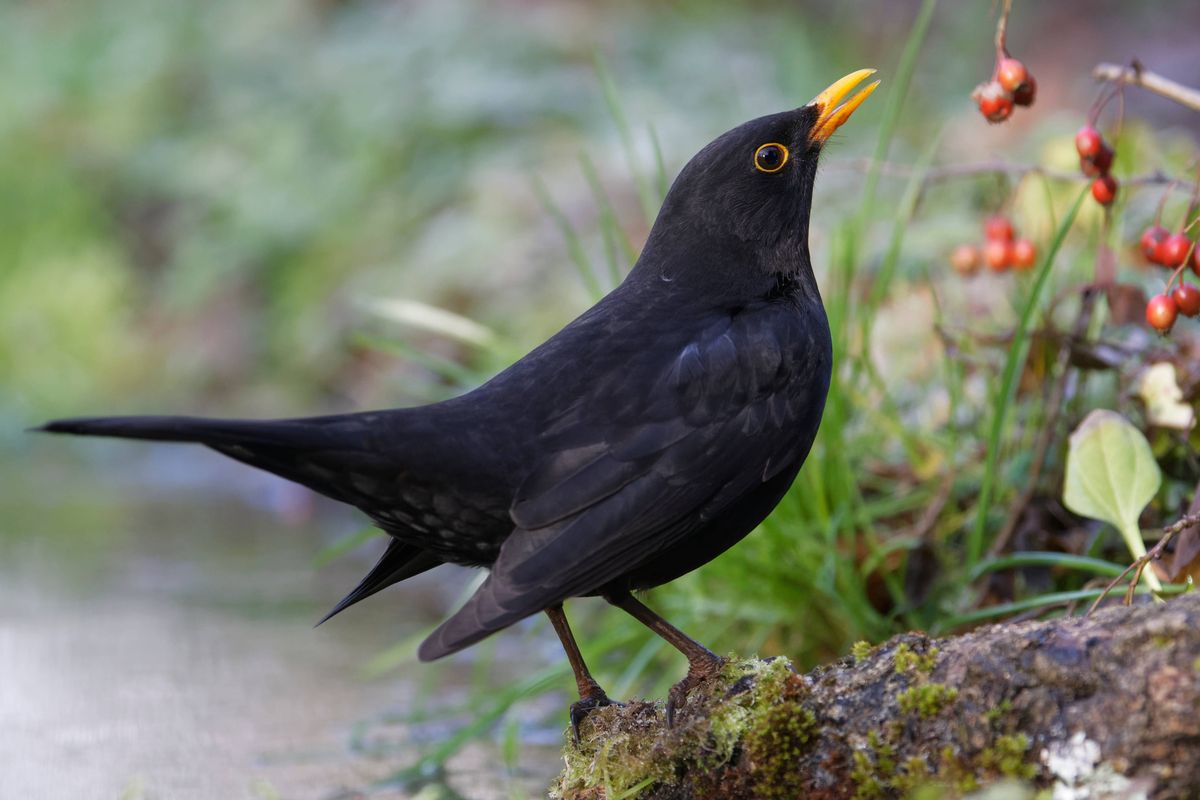
It can help attract birds to your garden(Image: mauribo via Getty Images)
Many people take pleasure in spotting the birds that come into their gardens. Whether it is robins in winter or sparrows, blue birds and blackbirds they are often a welcome sight.
Each year, millions of pounds are splashed out on bird feed in the expectation that filling tables and feeders will draw a diverse range of species to their outdoor spaces. However, one expert is now calling on people to “stop feeding the birds,” outlining three crucial reasons why.
Ornithologist Jack Baddams, BBC Springwatch’s wildlife researcher and lifelong bird enthusiast, argues that rather than helping our feathered companions, when folk dish out seeds and pellets they could actually be causing more damage than benefit. In an Instagram post, he explained his reasons.
![Close-up of a European robin [Erithacus rubecula] standing in a metal bird feeder in a household garden with wooden trellis in the background.](https://www.allforgardening.com/wp-content/uploads/2026/03/1772818284_461_0_European-robin-on-a-bird-feeder.jpg)
There are a number of different birds which come to UK gardens(Image: © Jackie Bale via Getty Images)
He said: “It’s something I struggle to find myself saying, as I’ve done it almost all of my life. But over the last couple of years, as I’ve read more into it, I’ve become increasingly concerned about the whole thing.
“One of the main arguments for feeding birds is that ‘we’ve taken away their natural food so we need to replace it’. It’s certainly true that we’ve removed lots of natural habitat – but why is the focus on replacing it with something so UNnatural?
“Think about it for a second – there is nothing in nature like a bird feeder. Nothing that condenses entire local populations, of multiple different species, into a small space for a never-ending supply of food.
“Birds have evolved with food sources that come and go with the seasons, so of course, when we give them something so artificial – it’s bound to cause problems. I think it’s time to switch our focus to giving them something better.”
In a video shared alongside his post, the specialist warns that feeders not only risk spreading illness between various species but can also compromise their ability to thrive in an increasingly challenging environment. As an alternative, he outlined multiple approaches people can take to welcome birds into their gardens whilst keeping them safe, , reports the Express.
He stated: “I think it’s time that we stopped feeding the birds, and I’m going to give you three reasons why. The expert then went on to outline where bird lovers might be getting it wrong.
Spread of disease
He explained: “This is something we’ve known about for a long time, but not done enough to address. In 2005 a disease called trichomonosis jumped from pigeons into green finches after they were brought together at bird feeders.
“When it got into green finches, it was absolutely lethal, and it caused a 66% decline in our greenfinch population. Around three million birds were lost, and greenfinches went on the red list.”
Content cannot be displayed without consent
He revealed the same pattern is emerging with chaffinches, with numbers plummeting by roughly 40% in little over 10 years. He continued: “Sure, you can clean your feeders, and it’s great if you do, but all you need to do is hang this back out, and within five minutes, if a diseased bird lands on it and starts feeding from it again, that disease risk is there for every other bird that comes to that feeder before you get around to cleaning it again.”
How far the food travels
“In the UK, we spend about £250m a year on feeding the birds, buying an approximate 150,000 tons of bird food, ” said the expert. “How do we produce all that? Well, they have to be grown, just like any other crop. Fields have to be worked. Pesticides are often sprayed on those plants so that they produce the maximum yield.”
He said that many popular bird feed varieties clock up considerable distances before reaching British shores. He cautioned: “Things like sunflower hearts have to be produced in mainland Europe, whereas peanuts and Niger seed, well, that has to be grown in warmer countries, so that comes from places in Africa and Asia before it’s shipped over here for us to feed the birds. Does that make sense?”.
Do all birds benefit equally?
Jack said certain birds benefited more than others, which could prove detrimental. He explained: “Imagine you’re something like a willow tip that stays in one territory its entire life, never moving, or a pied flycatcher that spends spring and summer here in the UK woodlands, and then it goes down to Africa to spend the winter.
“Now, when spring rolls around, these woodlands are full of birds or competing for the same resources, whether that’s nest holes or whether that’s insects to feed their young, but some birds have had a helping hand over the winter. Species like blue tits and great tits are highly aggressive, competitive species, and the worry is that as we raise their population so much, thanks to all of that artificial food that we’re putting out there, it’s making it harder for some of those more specialist species that can’t make use of that food in the same way to compete against them and survive.”
What should we do?
Jack commented: “In my opinion, there’s now enough evidence to suggest that we need to stop encouraging the generalised feeding of birds, but that doesn’t mean you need to stop helping them, not at all. think we need to evolve the way that we think about feeding the birds, focusing less on disease-spreading plastic feeders filled with food grown on the other side of the world, and more about how we can produce natural food for our birds.
“We need to think about how we can build ecosystems in our gardens, and not just fast food restaurants.”
He offered a number of handy tips on the steps people could take, including:
Grow plants that produce seeds for the birds to eat. Things like sunflowers, teasels, scabious and cornflowers are all great. The pollinators will thank you too and you get pretty flowers to look atPlant native hedges, bushes and trees that produce fruits, berries, nuts and seeds for birds to eat. They’re also home for stacks of insects for them, and a place to make their nestsMake a pond! Whether it’s a full one in the ground or a container-pond on a patio, it will attract insect life for birds to feed on and provide a more natural source of water.
Comments are closed.