
When you add new flowering plants to your garden this year, be sure to keep pollinators in mind. Planting for pollinators is a colorful way to attract bees, butterflies, birds and insects to your garden while increasing the productivity of many edible plants.
Pollinators (animals that pollinate plants) are essential for the functioning of virtually all terrestrial ecosystems. The most common pollinators are insects, including both social and solitary bees, butterflies, moths, beetles and flies. Birds (primarily hummingbirds) and bats are the most common vertebrate pollinators. Pollination is the transfer of pollen from the male part of the flower (the stamen) to the female part of the flower (the pistil). Sperm cells from pollen fertilize a plant’s eggs, resulting in the formation of seeds and the fruit that surrounds the seeds.
 ‘The Real Dirt’ is a column by various local master gardeners who are part of the UC Master Gardeners of Butte County.
Pollinator plants are plants that attract pollinators by offering them pollen and/or nectar. Pollen provides pollinators with proteins, fats, vitamins, minerals and other nutrients. Nectar is a sugary liquid that provides pollinators with carbohydrates for energy. Pollinator plants “advertise” the presence of nectar and pollen with scents and colors. A good example of a specific link between pollinators and the plants that attract them is the relationship between bees and the flowers they pollinate. Although it is invisible to humans, bees can see ultraviolet light and bee flowers have evolved distinctive patterns visible only in the ultraviolet range.
Animal pollinators are necessary for the reproduction of 90% of flowering plants and the majority of our fruit, nut and vegetable crops. These facts alone point to the importance of attracting pollinators. In addition, plants are the foundation of the overwhelming majority of food chains on Earth and also provide shelter for many animal species. Healthy pollinator populations, and the plants that feed them, mean healthy ecosystems. Unfortunately, due to human influences such as habitat loss and pesticides, many pollinator populations are in trouble.
Backyard pollinator gardens can serve as important refuges for vulnerable pollinators. An added incentive for including pollinator plants in your garden is that pollinators such as hummingbirds, bees and butterflies are beautiful creatures that are fascinating to watch.
Many pollinator plants can be seen at the Butte County Master Gardeners Demonstration Garden at Patrick Ranch, 10381 Midway, between Durham and Chico.
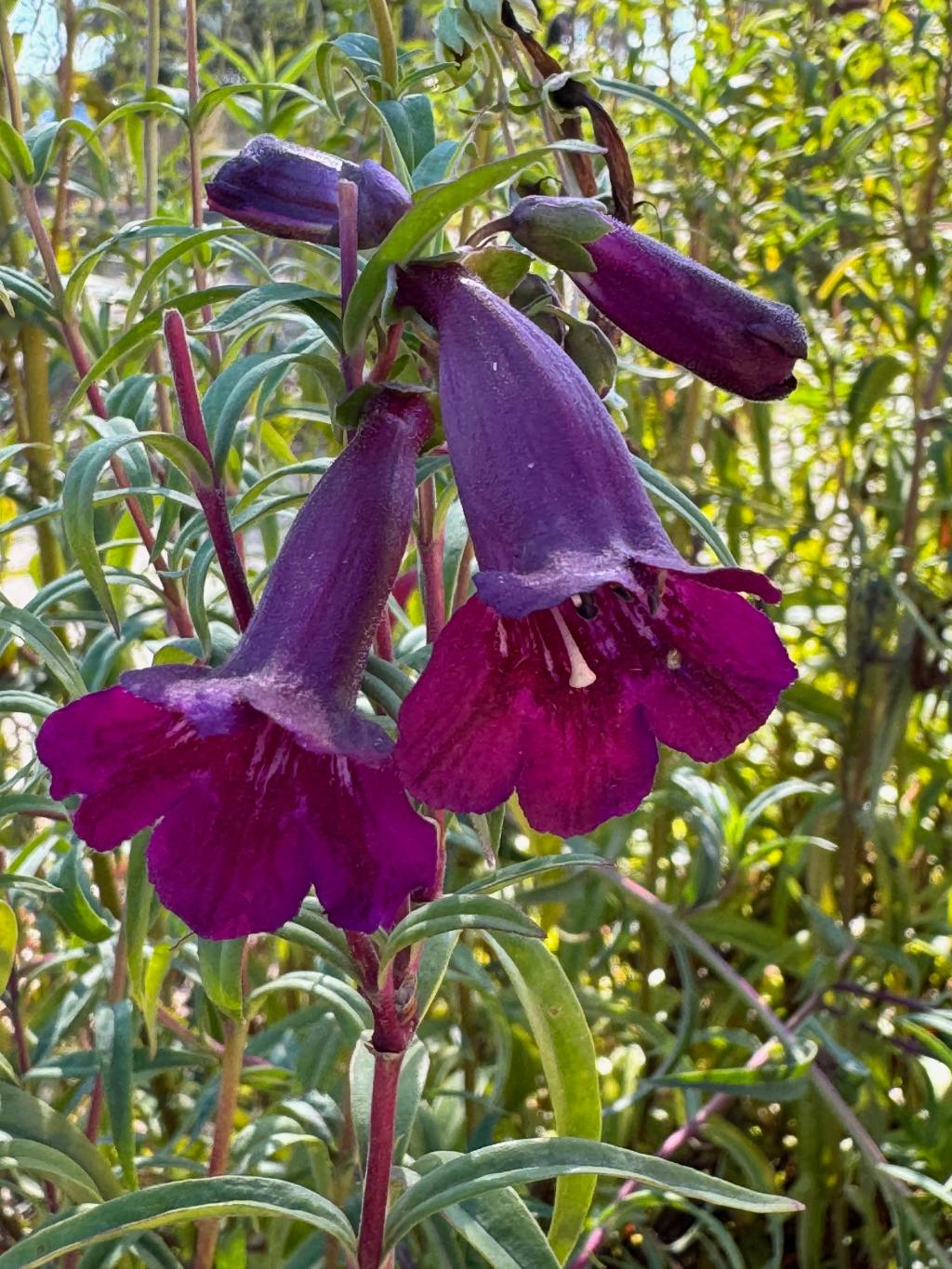
For example, two varieties of manzanita (Arctostaphylos) growing there have delicate white blooms that attract bees and butterflies as well as beneficial insects that prey on insect pests. If you’re interested in a small tree for your garden, California buckeye (Aesculus californica) and Chaste tree (Vitus agnus-castus) can be seen as well. Both of these trees are butterfly favorites and the Chaste tree also attracts hummingbirds, bees, other insect pollinators and beneficial predators. Also found in the gardens are several species of sages (Salvia sp.) and penstemons (Penstemon sp.), which draw hummingbirds. Another hummingbird plant is red fairy duster (Caliandra californica), an airy, mesquite-like shrub that is covered in downy red flowers from summer through fall.
A particularly important plant group found in the Demonstration Garden is that of the milkweeds (Asclepias sp.). Monarch butterflies are dependent on milkweeds to complete their life cycle. They sip milkweed nectar and lay their eggs on milkweed plants; as the monarch caterpillars develop, they eat milkweed leaves. In return, the monarchs pollinate the milkweed plants. With shifting land management practices, milkweeds have declined throughout much of their range. These two species are dependent on one another, so growing these “weeds” in the home garden is an essential step in preserving both.
If you are inspired to grow pollinator plants in your garden, here are a few planting guidelines that will help attract an abundance of native bees and other pollinators.
1. Different pollinators are generally active from early spring to late fall, so the garden should have plants with overlapping flowering times covering this time period. For example, Cleveland sage and manzanita are spring bloomers, while many penstemons bloom in late spring and early summer. Chaste tree is a prolific fall bloomer.
2. Diversity is key. Provide a variety of plants with flowers pollinators can use.
3. Plant in the sun: most flowering plants will need sunlight in order to bloom, and bees and other pollinators prefer to visit plants in the sun. There are always exceptions. Bumble bees, for instance, will forage in shade or sun and most moths are active at night.
4. Maintain flowers. Dead-heading (removing spent flowers) encourages new blooms and lengthens the flowering season. Lightly fertilizing with compost can improve plant health and also serves to lengthen the blooming period. But at the end of the flowering season, remember that leaving seed heads and doing less clean up can support both invertebrates and vertebrates, especially birds.
5. Water regularly. Water stressed plants won’t put much energy into flowers. But many native plants, including most of those mentioned above, require little if any summer water once they are established.
6. Avoid pesticide use! In addition to the targeted pests, these chemicals also kill pollinators as well as other beneficial insects including parasites and predators that can provide an alternative, natural control of garden pests.
Want to learn more about providing plants for pollinators in your garden? Attend our new workshop on Pollinator Gardens, Monday, March 9, part of the Master Gardeners Spring Workshop Series. For more information, and to register, go to ucanr.edu/site/uc-master-gardeners-butte-county/workshops. All workshops are free, but registration is required.
The UC Master Gardeners of Butte County are part of the University of California Cooperative Extension system, serving our community in a variety of ways, including 4-H, farm advisers, and nutrition and physical activity programs. To learn more about UCCE Butte County Master Gardeners, and for help with gardening in our area, visit https://ucanr.edu/sites/bcmg/. If you have a gardening question or problem, call the hotline at 552-5812 or email mgbutte@ucanr.edu.
Comments are closed.