
WITH spring promising warmer days with more sunshine, many of us will be keen to get back out into our gardens.
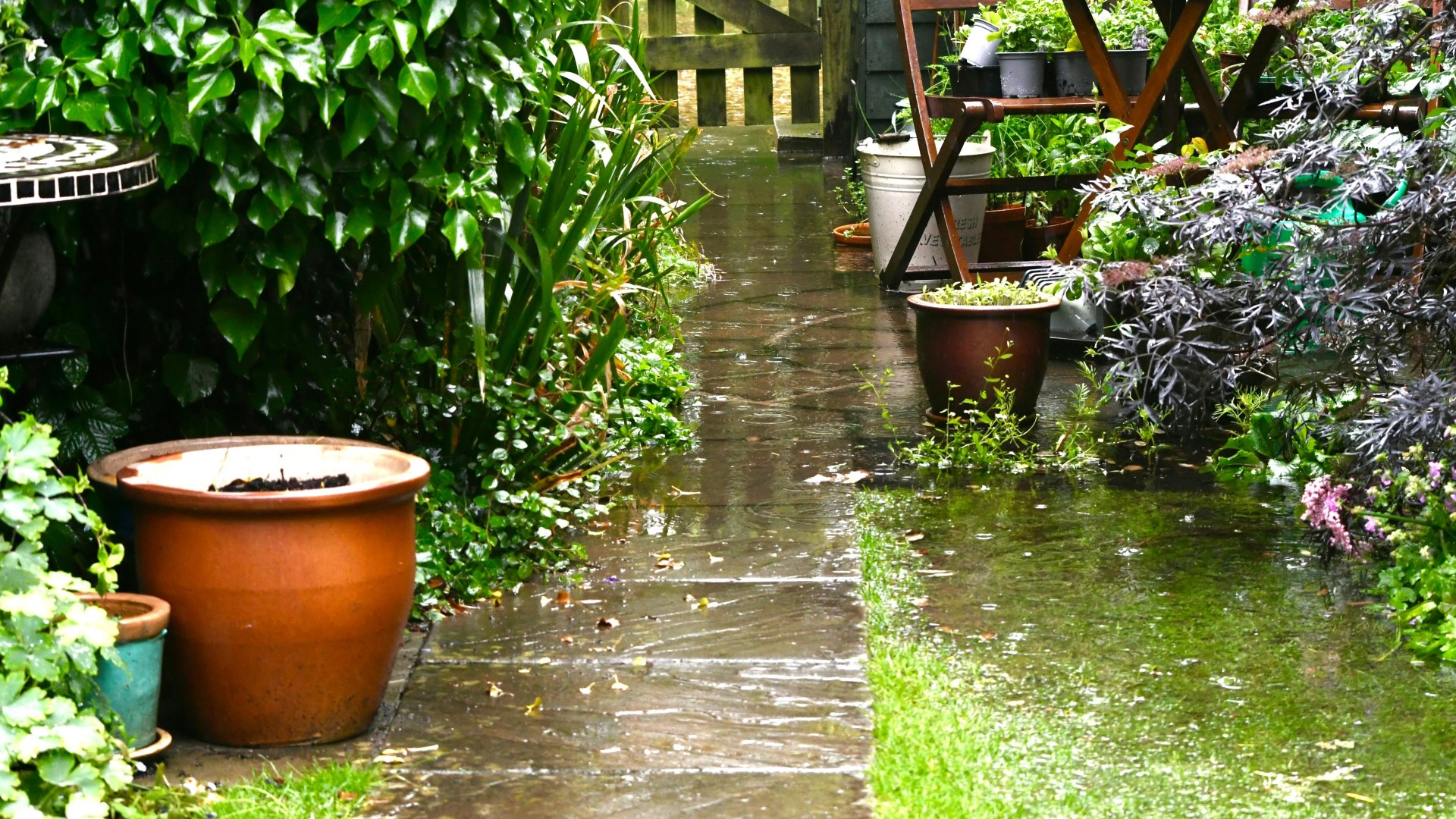
It can be the perfect place to put your feet up and relax – but after a long, horrible winter and plenty of torrential rain, ice, and snow, our gardens have taken quite a hit.
Sign up for Scottish Sun newsletter
Thank you!
Many of us will have noticed our gardens becoming waterlogged after the winterCredit: Getty
And there’s little doubt that many of us will have noticed that our lawns have become waterlogged after the cold wintry weather.
Which is why our gardens might be crying out for some much-needed attention ahead of spring.
Luckily, experts have shared their top tips on how to revive our lawns as we get ready to enjoy our gardens again.
Peter Chaloner, Managing Director of Cobra, has revealed everything we need to do to get our lawns back in top condition – and he says now is the perfect time to act.

LOO KNEW?
I’m an interiors pro – here’s 6 tile mistakes that make your bathroom look dated

SPRING TU IT
We’re sizes 10 & 18 and did a spring Tu haul, £30 dress makes waists look tiny
He said: “After a very wet start to 2026, many lawns have been left looking patchy, compacted and struggling to recover.
“Heavy rainfall combined with reduced evaporation can leave soil saturated, depriving grassroots of oxygen and creating the perfect conditions for moss and disease to take hold.
“As spring arrives, now is the ideal time to help your lawn bounce back. Here are my top tips for restoring a waterlogged lawn and encouraging new healthy growth.”
Stay off the grass until it drains
One of the most important things to do, Peter says, is stay off your waterlogged grass until it is completely drained.
He explains: “When a grass is waterlogged, the worst thing you can do is continue walking on it.
“Saturated soil is incredibly vulnerable to compaction, and repeated foot traffic presses out the air pockets that grassroots need to survive.
“If possible, avoid using the lawn until the surface has had a chance to dry out.
“Even mowing too soon can cause ruts and further damage, setting recovery back by weeks.”
Improve drainage with aeration
The garden pro has revealed that aerating your lawn can help improve its drainage after the winter.
Peter says: “One of the most effective ways to revive a waterlogged lawn is through aeration.
“Creating small holes in the soil allows air, water and nutrients to penetrate down to the root zone, which encourages stronger growth and improves drainage over time.
“Aerating in early spring helps relieve compaction caused by winter rain and gives the lawn the breathing space it needs to recover.
“Aeration can be done with a garden fork for smaller areas, but for larger lawns, a mechanical aerator or scarifier will achieve more consistent results.”
Experts have said aerating your lawn can improve its drainageCredit: Alamy
Remove thatch and moss
You might not realise it, but over the winter, thatch and moss can grow over your lovely grass.
And Peter has revealed that getting rid of this is key if you want healthy grass in springtime.
He says: “Wet conditions often lead to a buildup of thatch and moss, both of which prevent water from draining properly and block healthy grass from thriving.
“Scarifying removes the layer of dead material and allows the soil surface to dry and warm up more quickly in spring.
“Clearing away debris after scarifying is essential, as leaving it on the lawn can continue to trap moisture.”
Top gardening jobs to carry out in March
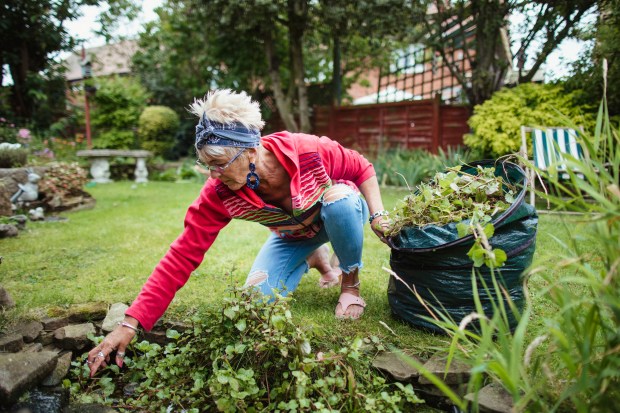
With lighter evenings and the first signs of new growth appearing, March is the perfect time to reset your garden after winter.
You don’t need specialist knowledge: just a few straightforward jobs can instantly refresh your outdoor space and prepare it for warmer days ahead.
To help your garden look spick and span this spring, Michael Scott, Founder of Lazy Susan Furniture, which specialises in metal garden furniture, has shared five gardening tasks to focus on in March:
1. Weed your patio before growth speeds up: Tackle weeds now to keep your patio looking neat and prevent roots from spreading further into joints.
2. Clear winter debris: Thoroughly sweep fallen leaves and twigs, which have built up over the colder months, to prevent slipping.
3. Clean your garden furniture: Wash cast aluminium furniture with warm soapy water and rinse (a wax-type shampoo works well for this).
4. Inspect your furniture for any chips or scratches: If you spot a chip, be sure to touch it up with a Touch Up Paint Kit.
5. Refresh pots and planters: Adding a few early seasonal flowers such as pansies or primroses can instantly brighten patios, balconies, and doorsteps.
6. Plan ahead: Consider whether your current garden layout still works and tighten any loose fittings on your furniture.
Raise mowing height and cut carefully
A common mistake that many homeowners make is cutting their grass too short, and Peter has urged gardeners to be cautious when giving their grass its first cut.
The garden expert advised: “When you do resume mowing, raise the cutting height for the first few cuts.
“Grass that has been sitting in wet soil is already stressed, so cutting it too short can weaken it further.
“A higher cut protects the crown of the grass plant and encourages stronger root development.
“Always ensure mower blades are sharp to avoid tearing damp grass, which can increase the risk of disease.”
Peter has urged homeowners not to cut their grass too short this springCredit: Getty
Top dress and overseed bare patches
If you notice bare patches all over your lawn after winter, you’re not alone. But there are some things you can do to help fix it.
Peter explains: “Waterlogging can often leave thin or bare patches across the lawn.
“Once drainage has improved and the soil surface has dried slightly, overseeding these areas will help thicken the grass and crowd out weeds.
“Applying a light top dressing with a soil and sand mixture will help improve soil structure and drainage over time.
“The warmer weather and improved daylight hours in spring provide ideal conditions for new seed to establish.”
Feed to encourage recovery
After carrying out all these steps, there is only one thing left to do.
Peter says applying a balanced spring lawn feed can help your garden look its best and become vibrant and healthy again.
He adds: “After aerating, scarifying and overseeding, applying a balanced spring lawn feed will give your grass the nutrients it needs to bounce back.
“Look for a fertiliser designed for spring use.
“This supports healthy leaf growth without overstimulating the lawn.”
Applying a balanced spring lawn feed can help make your lawn look its best againCredit: Getty
Comments are closed.