

Jack Stooks, who tended Highgrove House Gardens for 21 years as King Charles’s royal gardener, shares his top spring gardening advice including a surprising kitchen item for your outdoor space.
Parul Sharma GAU Senior Audience Writer
06:00, 06 Mar 2026
This article contains affiliate links, we will receive a commission on any sales we generate from it. Learn more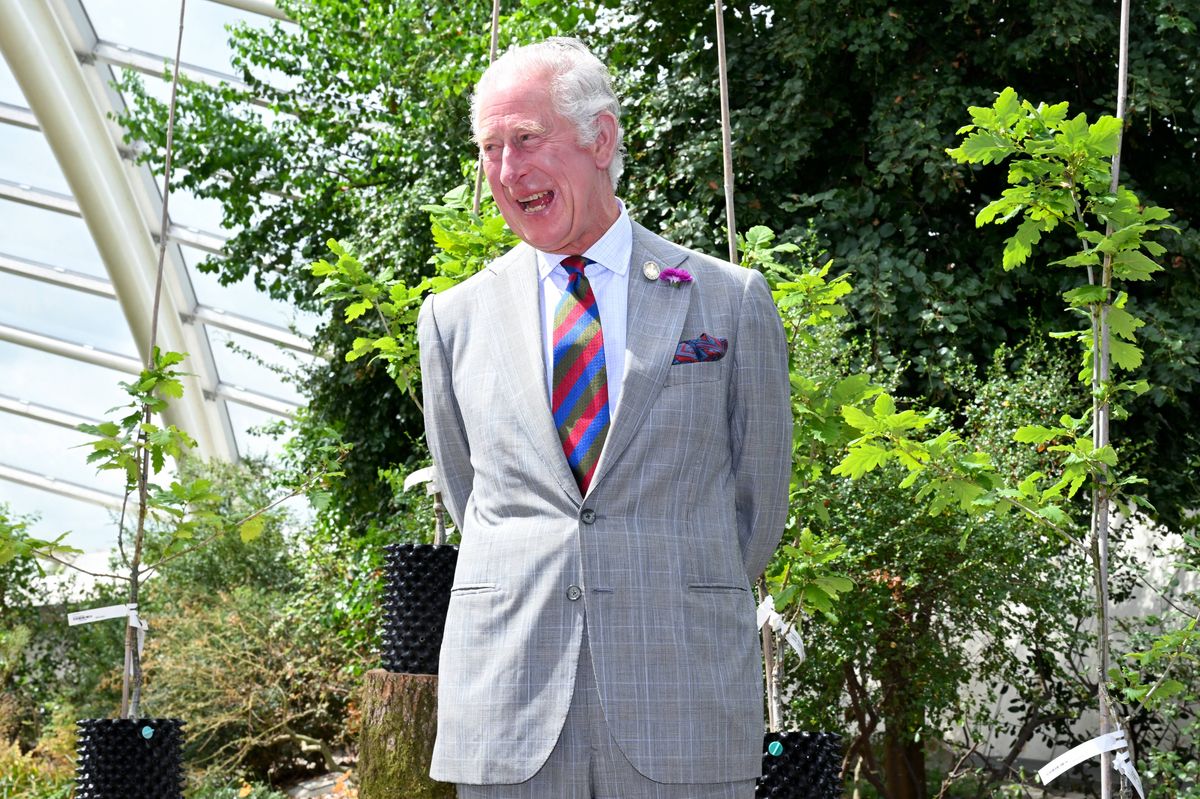
King Charles’ former gardener is sharing some of his top tips(Image: Matthew Horwood, Getty Images)
With Britain’s weather finally taking a turn for the better and early hints of spring emerging, gardeners nationwide are pondering which tasks to tackle now for vibrant, flourishing outdoor spaces come summertime.
Fortunately, expert guidance is at hand. Jack Stooks, who previously tended the royal gardens for King Charles, has revealed his top gardening priorities for this period.
According to Jack, there’s plenty to crack on with during the lead-up to summer if you want your garden to truly thrive and set yourself up for guaranteed success.
The ex-royal gardener has also revealed an unexpected kitchen staple that can be deployed in your garden during these cooler months to boost growth.

Jack Stooks was King Charles’s gardener for 21 years at Highgrove House(Image: Instagram)
Covering everything from which plants need immediate attention to crucial lawn maintenance advice, plus a surprising kitchen ingredient that can work wonders outdoors, Jack—speaking on behalf of coffee bean stockist Coffee Friend—has mapped out how keen gardeners can secure a stunning paradise ready for when the summer sun returns in earnest, reports the Express.
Unexpected kitchen ingredient ideal for mulch and compost
Jack has an ace up his sleeve. The former royal gardener, who served King Charles for 21 years, says: “Don’t bin your coffee grounds. Put them to good use in your garden [especially] during the colder months.
“One of the easiest ways is to add them to your compost. Composting turns organic waste into nutrient-rich soil that boosts the structure and fertility. Coffee adds nitrogen, which is a key nutrient for healthy plant growth, and it also helps speed up the decomposition process.”
There’s more to this everyday kitchen scrap than meets the eye. The horticultural specialist adds: “You can also use coffee grounds as a mulch, which is a layer of material placed on top of the soil to help retain moisture, suppress weeds, and regulate soil temperature. Simply sprinkle the coffee grounds around the base of your plants, or mix them into an existing mulch layer.”
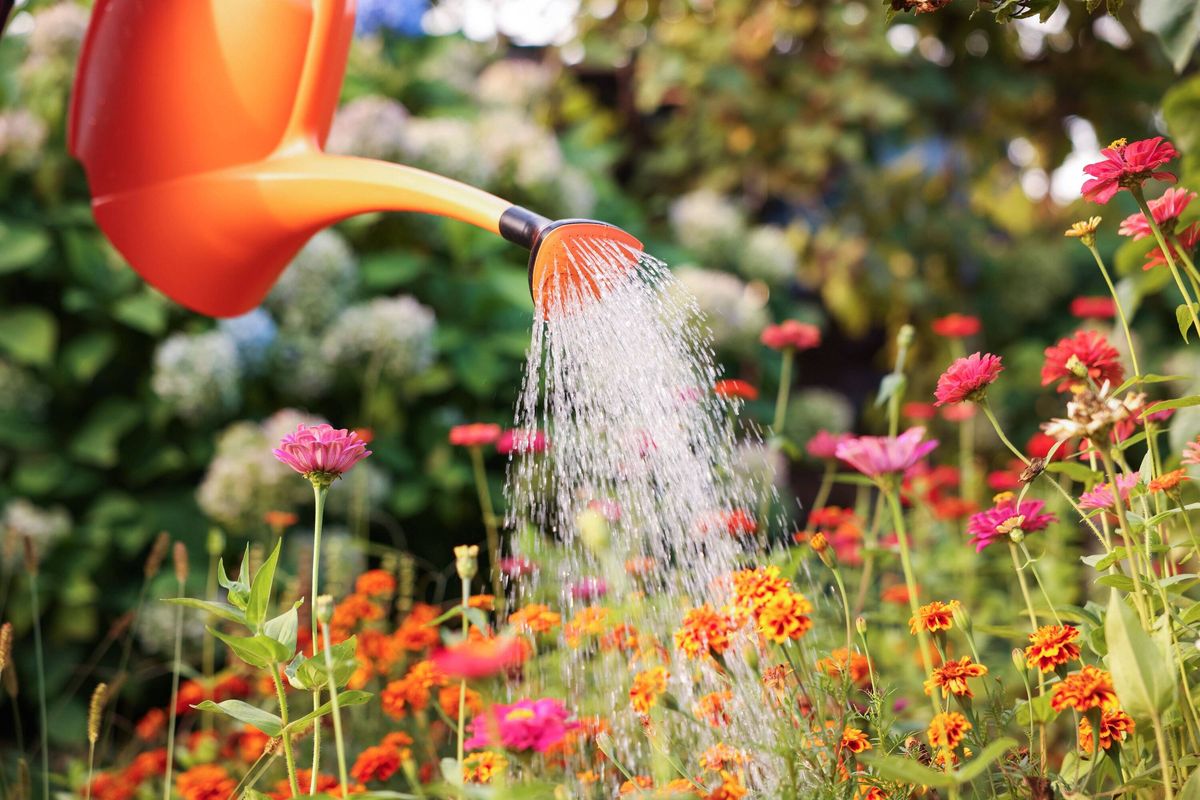
These essential tasks will set your garden up for success(Image: Getty)
Get those spring bulbs in the ground now
Haven’t got round to planting your bulbs yet?
According to King Charles’s former head gardener, who spent more than 20 years maintaining the Highgrove House Gardens, there’s still time to act.
“Late daffodils and other spring bulbs need to go in the ground soon to ensure they bloom beautifully for the spring,” advises Jack.
He continues: “Another top pick for a winter garden is bare-root roses. They make a beautiful gift, too, as they just keep on giving. They produce summer flowers year after year, so it’s a beautiful and long-lasting present for someone special or your own garden to enjoy.”
Whilst the optimal window for planting bare-root roses falls during their dormant winter months, there’s still an opportunity to get them established in time for a spectacular summer display. Don’t lose faith – growth can return after winter’s chill.
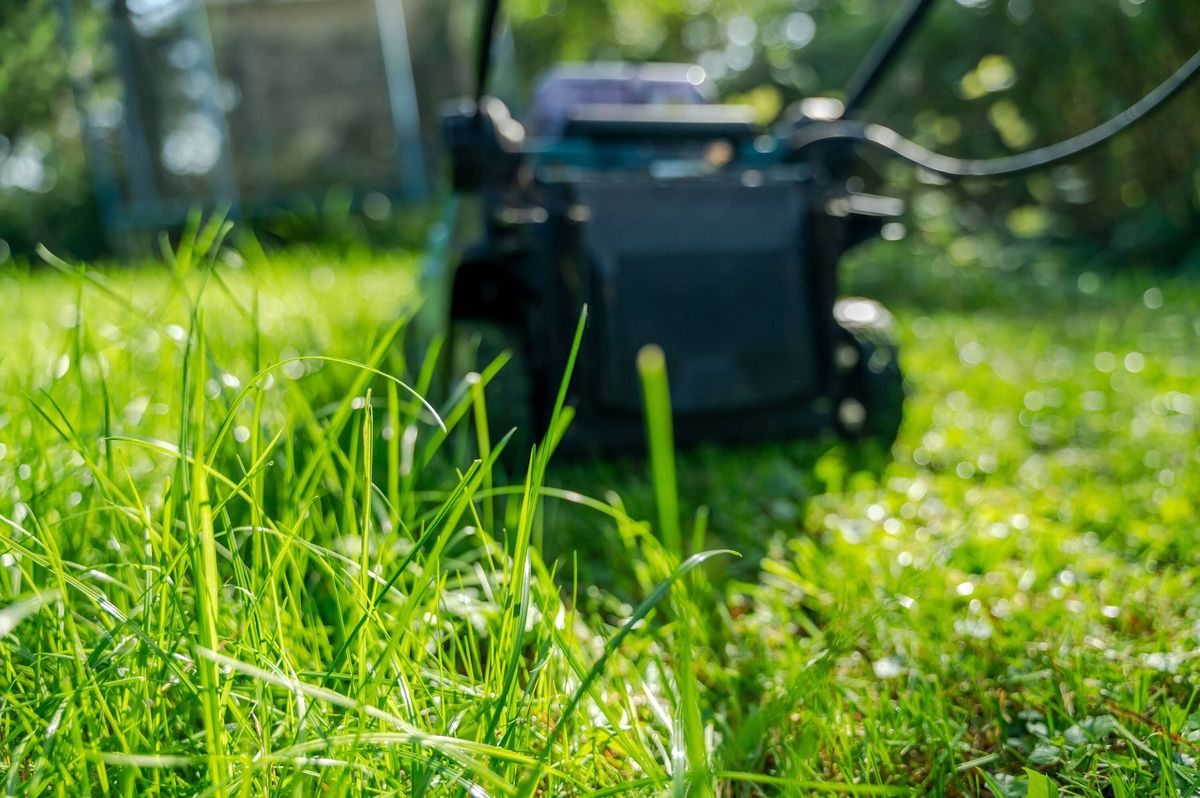
Lawn mowing should be left alone till spring is in full force(Image: Getty)
The former head gardener at Highgrove House advises: “You could always trim back anything that you think is clearly dead, but take care, as plants can sometimes regrow from parts that look lifeless.”
“If by late spring there is still no sign of life, it’s safe to assume the plant hasn’t survived the winter. At that point, remove it and replace it with the same plant or something hardier. Wait a little before cutting so you don’t accidentally discard a plant that could still bounce back,” Jack warns.
Hold off on lawn work until spring arrives fully
According to Jack, it’s best to avoid touching your lawns until spring is properly underway.
He explains: “When it comes to lawns, winter is not the ideal time to carry out any gardening or maintenance. The cold temperatures, frost, and wet conditions can make the grass more vulnerable to damage. Walking on or cutting the lawn during this period can compact the soil, harm the roots, and leave the grass more susceptible to disease.”
“Leave it until the spring to mow. The sun will hopefully be shining again and the plants will be coming back to life,” Jack suggests.
It might be worth preparing yourself now, as those bright days perfect for lawn care and upkeep aren’t far off.
Comments are closed.