
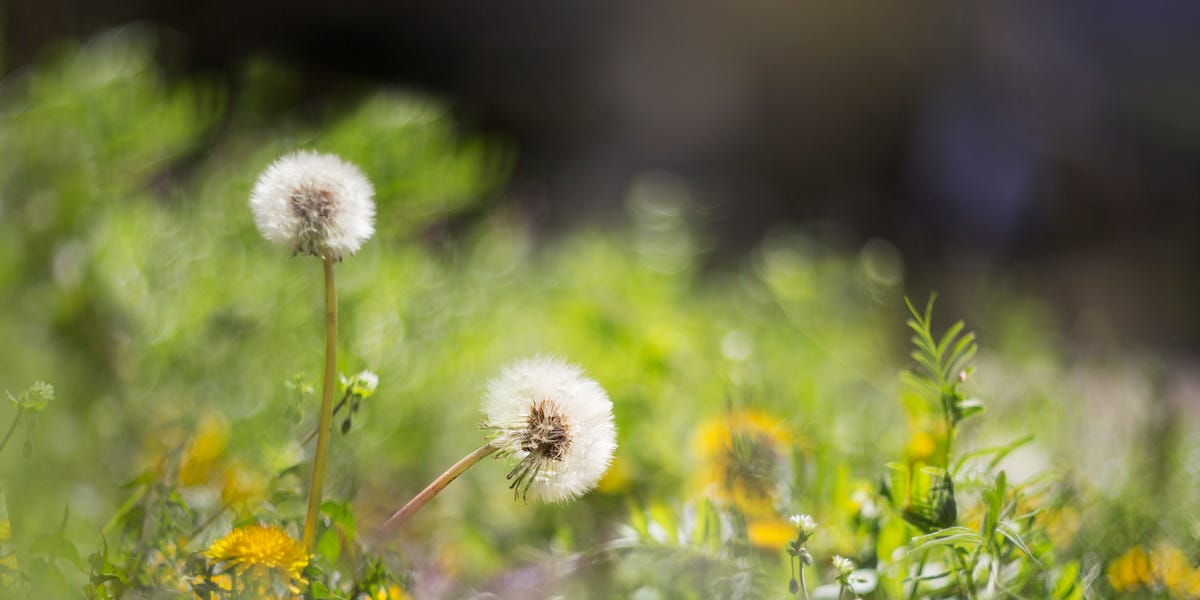
As winter becomes spring, the brown, crunchy grass in our gardens slowly turns lush, green and full of weeds.
For some, dandelions, buttercups, nettles and thistles aren’t a big deal. But if you like your lawn to look as pristine as a golf course, you’ll want to keep those pesky plants at bay.
Before you reach for the weed killer, you might want to try a chemical-free approach. According to agriculture experts at PennState Extension, weed growth can actually be controlled by the way you mow the grass.
Make sure you’re avoiding these three lawn-care mistakes, that could be helping spring weeds thrive…
Forgetting the ‘one-third rule’
Andrija Nikolic//Getty Images
Have you ever had a haircut that’s just a little too short? Sometimes just a fraction of an inch is the difference between looking great or slightly off. The same goes for your lawn.
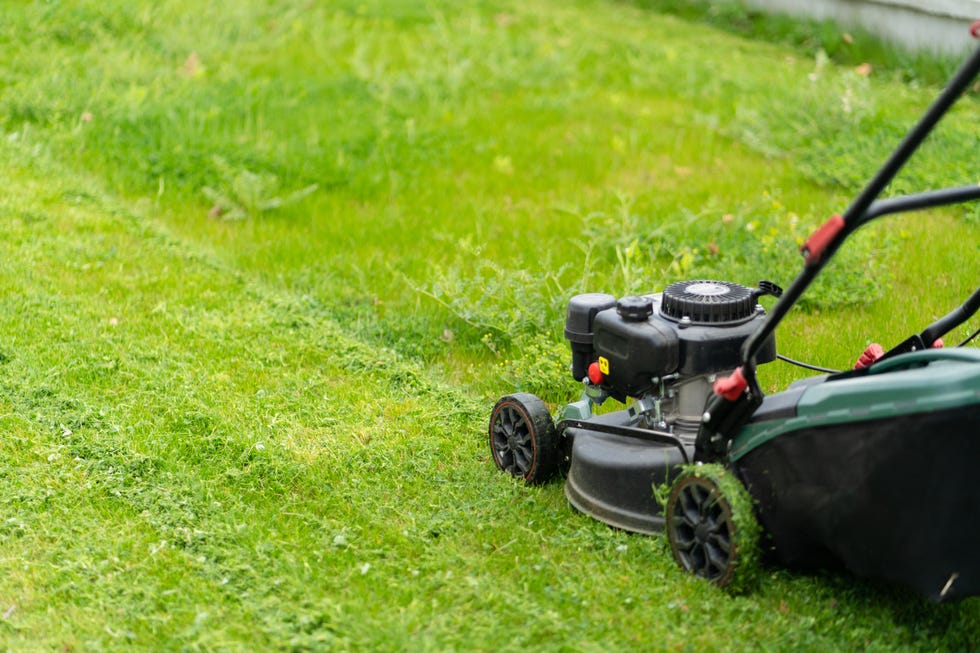
Landscaping experts often cite the “one-third rule,” which states that you should never remove more than one-third of a blade of grass when mowing. This rule of thumb not only keeps your garden from looking bald, it prevents weeds from taking over.
Tanner Delvalle, former extension educator at PennState Extension, explains: “Think of the turf canopy as a forest. When a forest is clear-cut, hundreds of different plants grow rapidly, competing for sunlight and nutrients from the soil. As time passes and trees get large, fewer weeds and other plants grow, allowing the trees to proliferate. This same concept applies to turf.”
Longer blades of grass shade weeds and weed seeds from the sun, which prevents them from growing and siphoning off nutrients from the soil.
Cutting grass too soon
As winter and early spring temperatures warm up, and your grass starts to flourish again, Delvalle recommends letting it grow a bit before you break out the mower.
This gives the grass a chance to develop deeper root systems, which can access more moisture and nutrients in the soil and keep your lawn looking healthy.
Cutting your lawn too soon (and too short as mentioned above) in spring can lead to weaker grass, which cannot compete with weeds.
Not checking your mower blades
delihayat//Getty Images
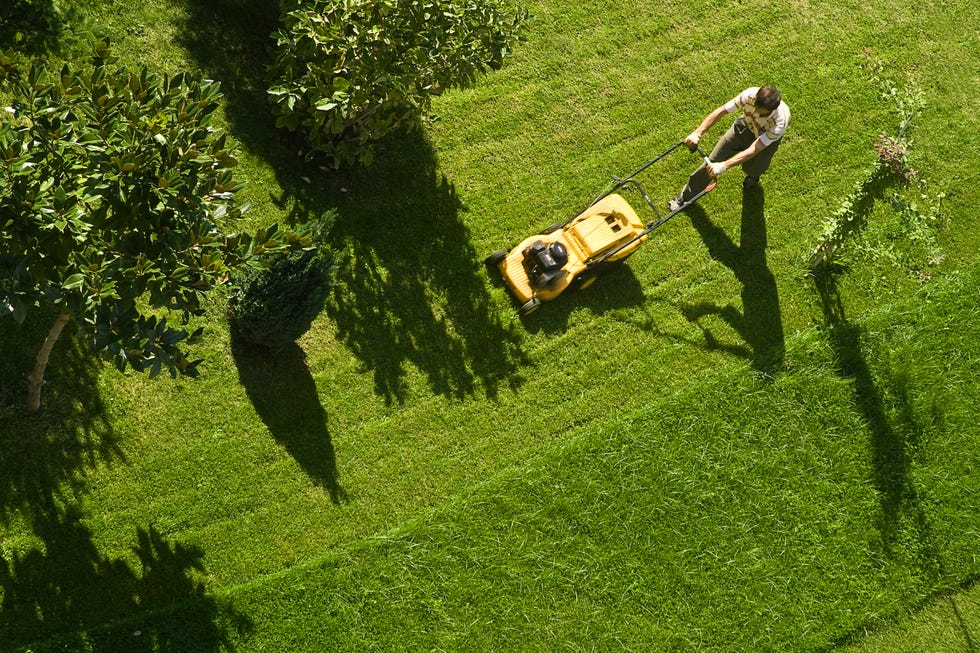
Dull blades will cut grass unevenly and damage it, which can cause more weeds to poke through. So make sure your mower is in good shape and set so that it won’t cut the grass too short. Delvalle suggests using a mulching mower blade and leaving the lawn clippings right on the grass instead of bagging them up.
He says: “Grass clippings are a source of nitrogen and other nutrients that the turf can reuse throughout the year. Think about clippings as free fertiliser.”
Gardening must-haves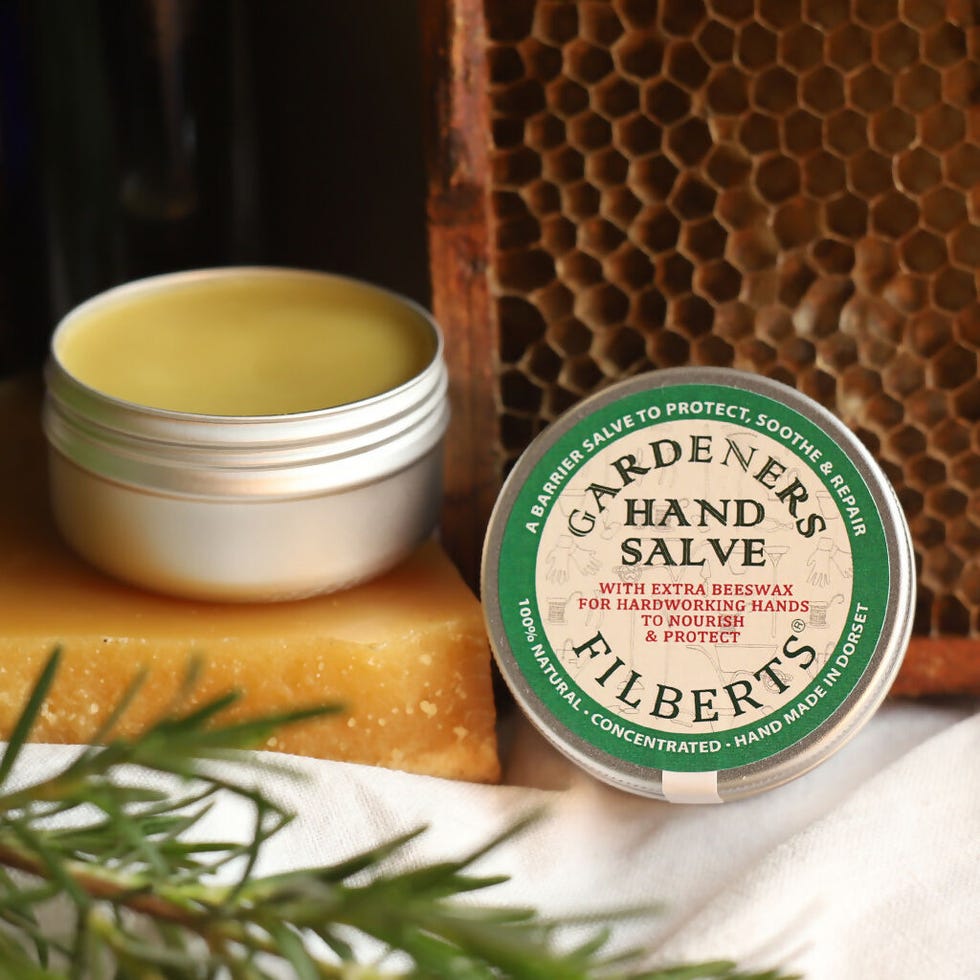 Filberts of Dorset Gardeners Hand Salve
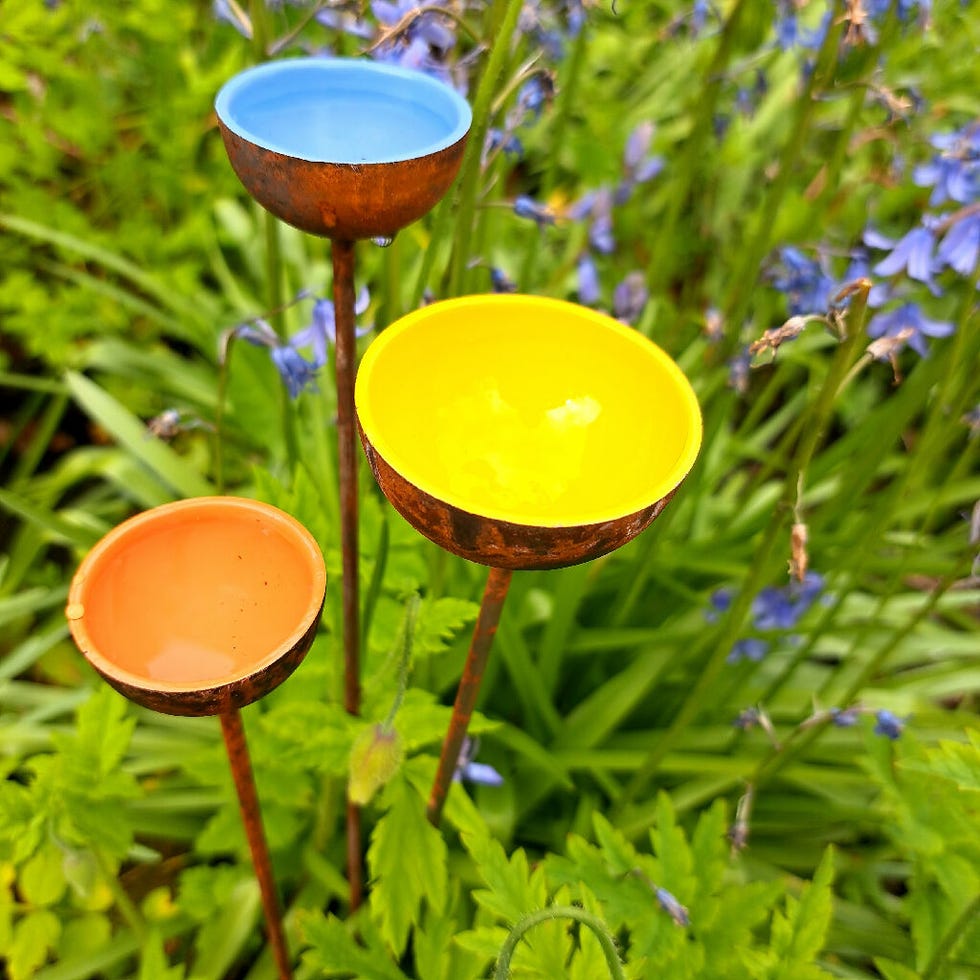 Haywards Garden Bee and Butterfly Water Stations, Garden Décor, set of three colourful bee water cups .
Now 17% Off
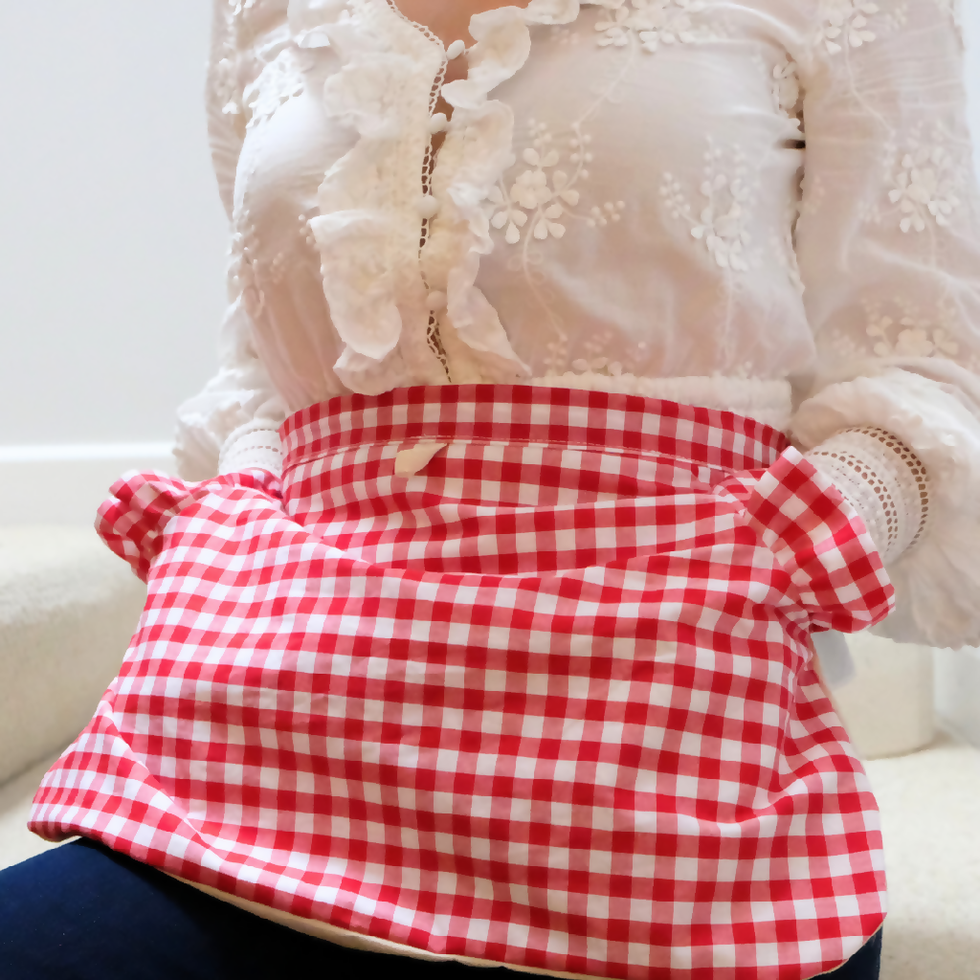 Home Sussex Handmade Peg Apron
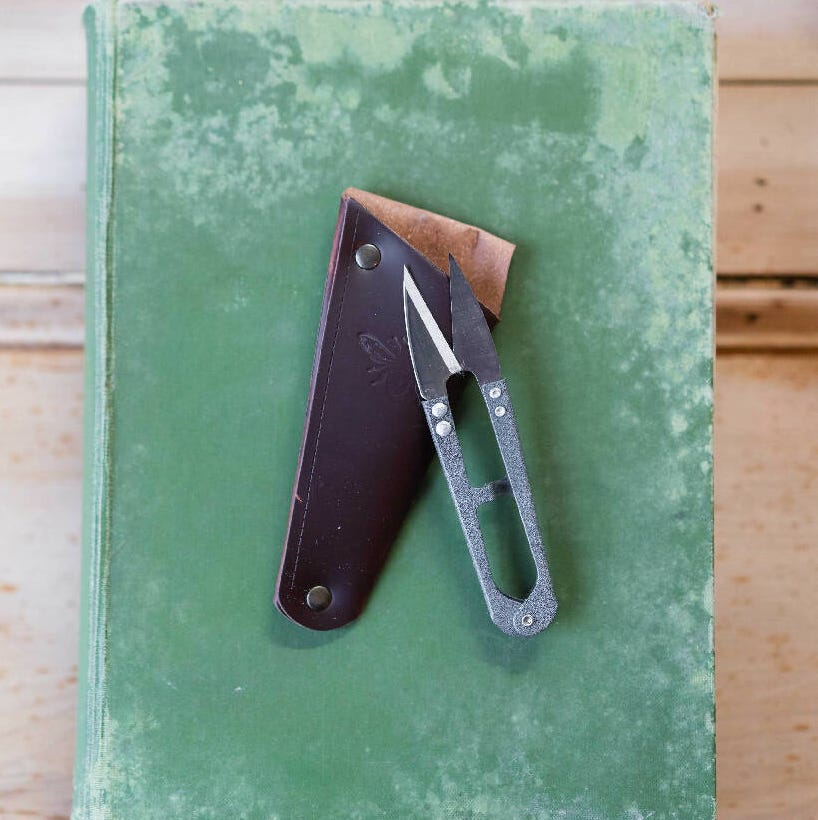 Garden Snips in Leather Pouch
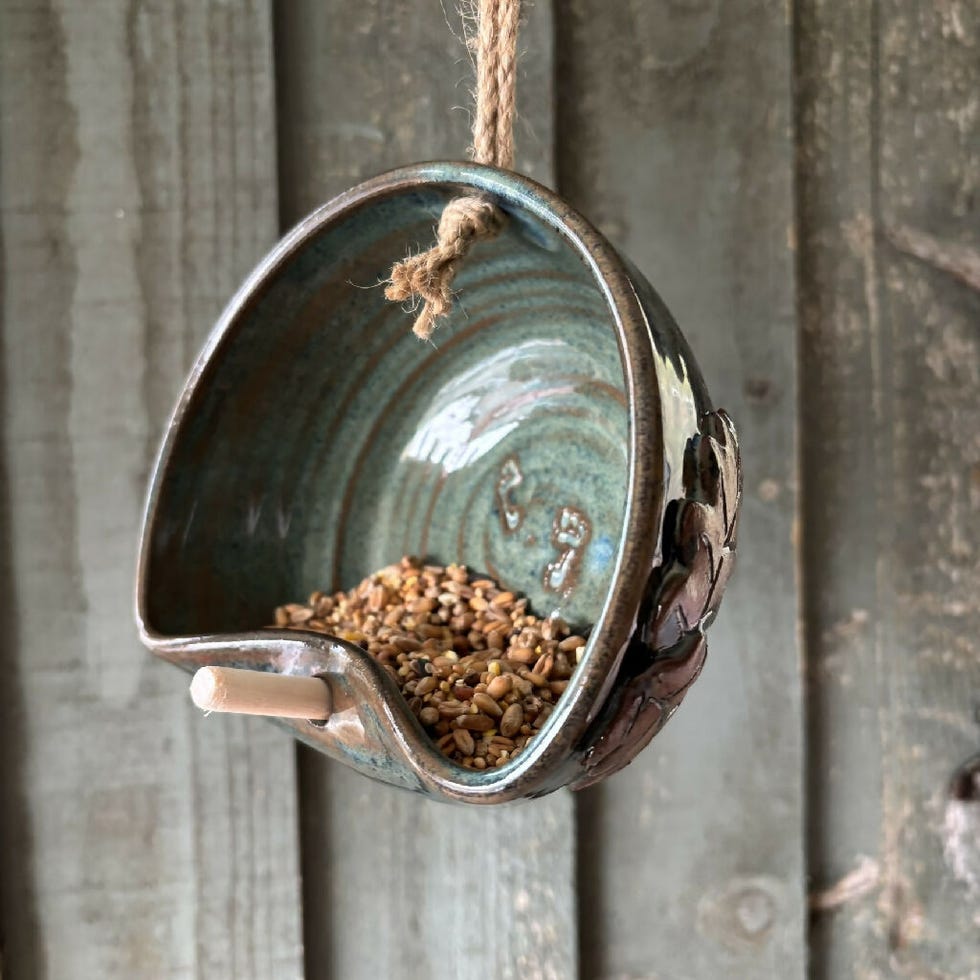 The Fae Potter Wild Bird Feeder ceramic hanging
 WhinnyPoo WhinnyPoo Box of 3 Plant Feed

Lisa Cericola is a writer and editor who specializes in travel, food, and culture. A South Florida native, Lisa lived in New York City for 15 years and now resides in beautiful Birmingham, Alabama. She has been an editor at Southern Living and Food Network Magazine and writes for numerous publications including Garden & Gun and USA Today. When she’s not working on a story, or planning her next trip, Lisa is likely selling small-batch olive oil granola at her local farmers’ market.
Comments are closed.