
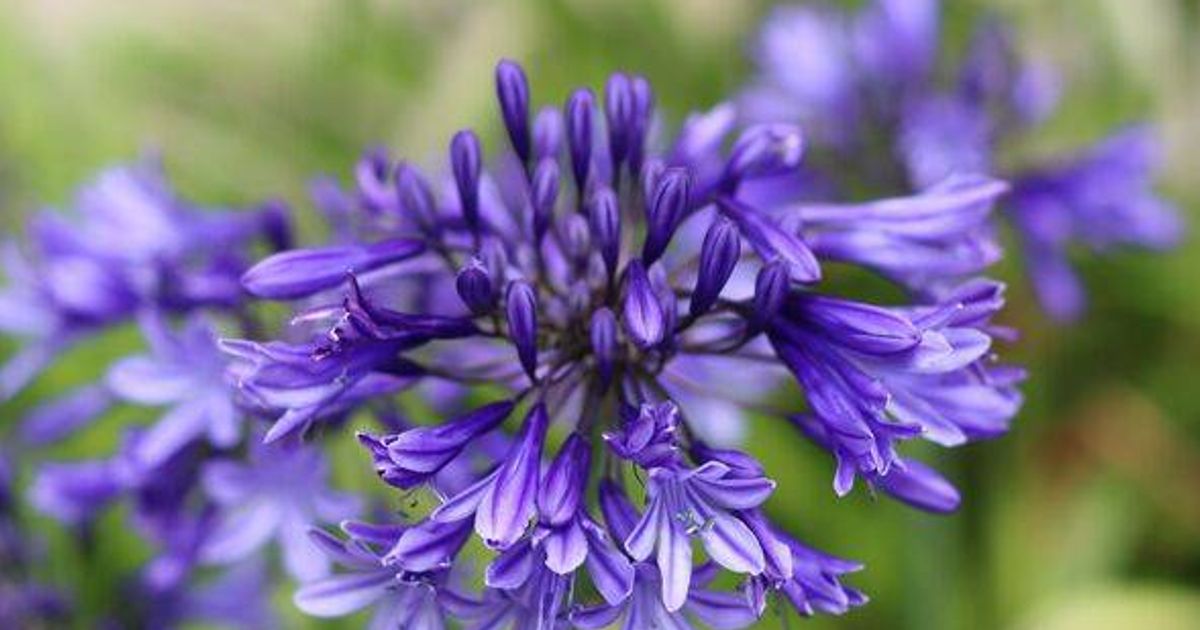
Gardening expert Alan Titchmarsh has shared his top seven drought-resistant plants that thrive in sunny, dry conditions and help preserve water in your garden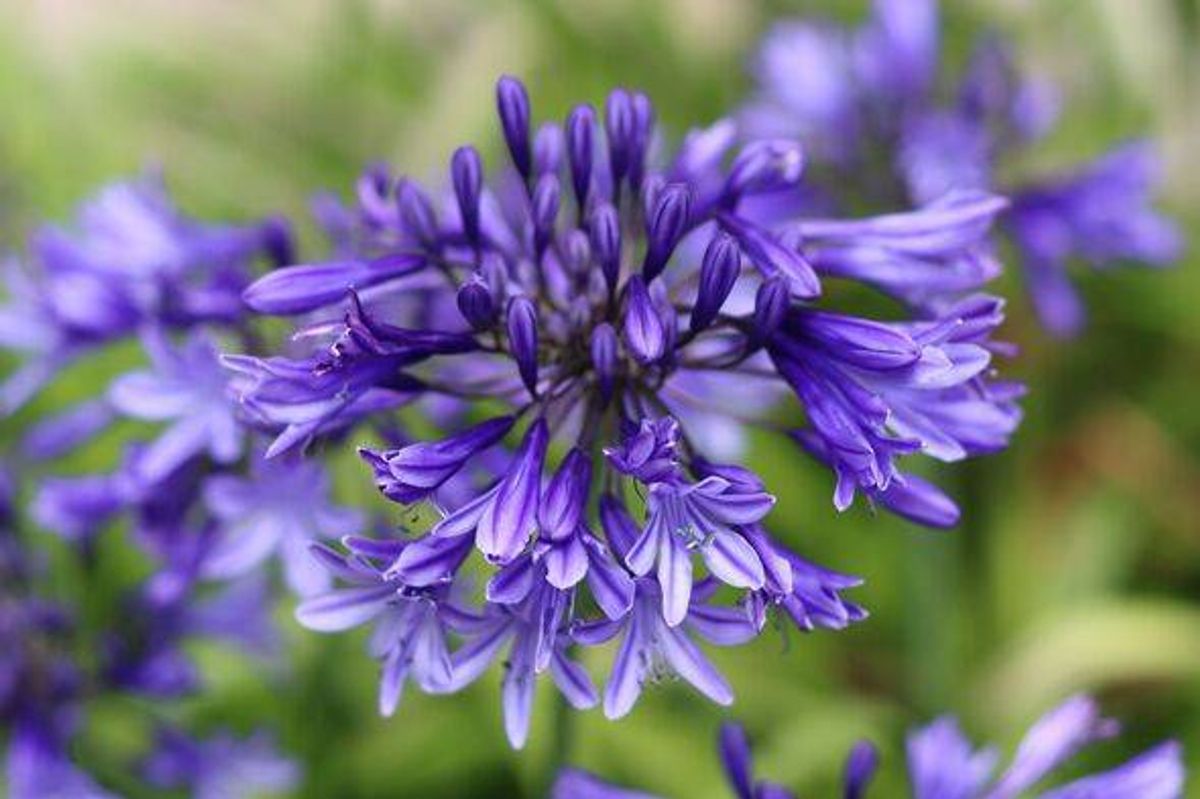
These plants will make your garden low maintenance (Image: Getty)
If your garden borders are prone to drying out in the summer heat, it might be worth considering a switch from traditional bedding plants to drought-resistant varieties that thrive in sunny conditions. These hardy specimens originate from areas where water is scarce, evolving over thousands of years to withstand dry soil once they’ve taken root.
As gardening guru Alan Titchmarsh advises, “Remember, with all these plants, as well as enjoying sunshine, the soil is well-drained.”
In a YouTube video on his channel, Gardening With Alan Titchmarsh, Alan shared his top seven drought-resistant plants, stating: “Like all gardeners I’m always looking for ways to preserve water or use less water in my garden and one way to do it is by including plants that can survive in drier conditions.”
Regardless of your plant selection, the key to success lies in proper establishment, so make sure to water new plants thoroughly and consistently during their first season, reports the Express.
Catmint ‘Purrsian Blue’
Flowering from summer into autumn, this beautiful catmint is made for dry, well‑drained borders. It’s hazy blue flowers attract pollinators and look elegant in the garden. It also smells great, and cats love it – hence the name.
While catmints can flop if they grow tall, Alan notes this is easily managed by staking, so give full sun or light shade, and shear after the first flush of bloom to keep growth tight and flowers coming. With the right care, you can enjoy a low‑maintenance season of colour in the very conditions where thirstier perennials struggle.
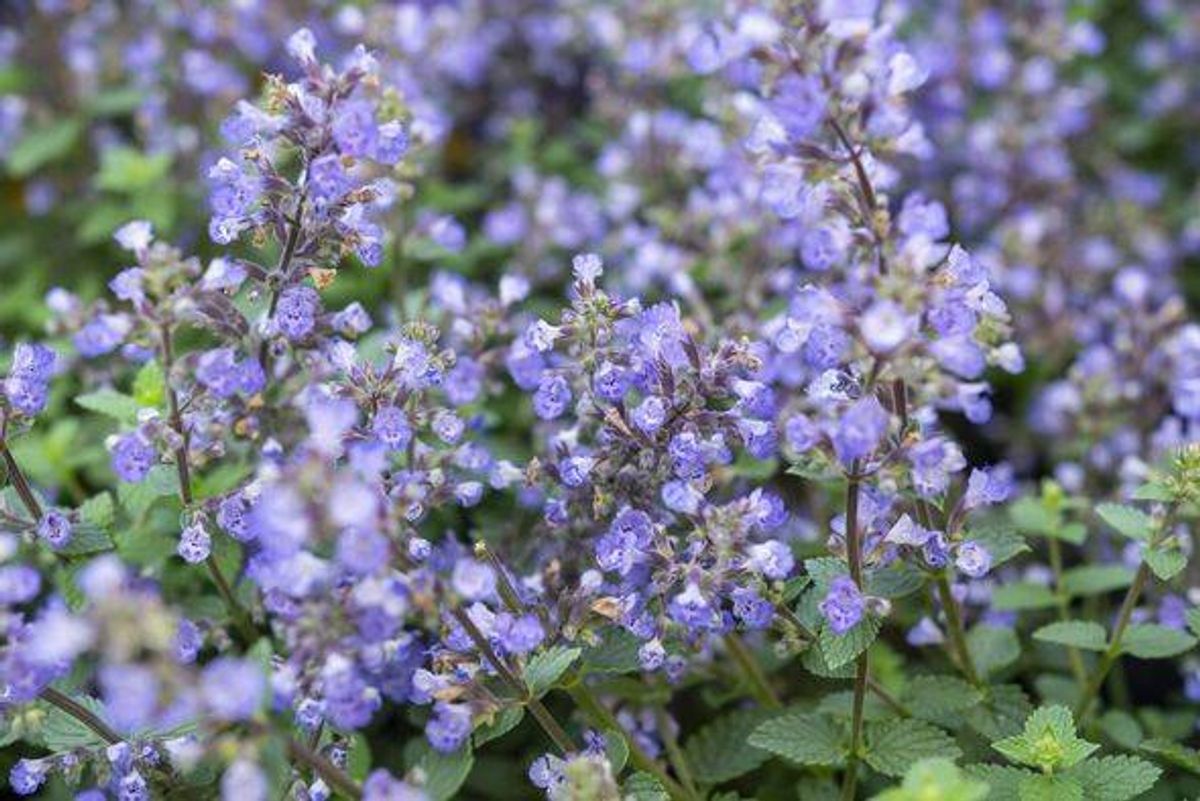
‘Purrsian Blue’ flowers in close up(Image: Getty)
Stipa tenuifolia (Ponytail grass)
A wispy, movement‑making grass to about 75cm, Stipa tenuifolia is wonderfully drought‑resistant once established and perfect at the front or middle of a border. The fine, hair‑like blades soften hot colour schemes—Alan advises, “Use these as little buffers in between brighter coloured plants”—and it’s easy to multiply by splitting a pot into three or four chunks.
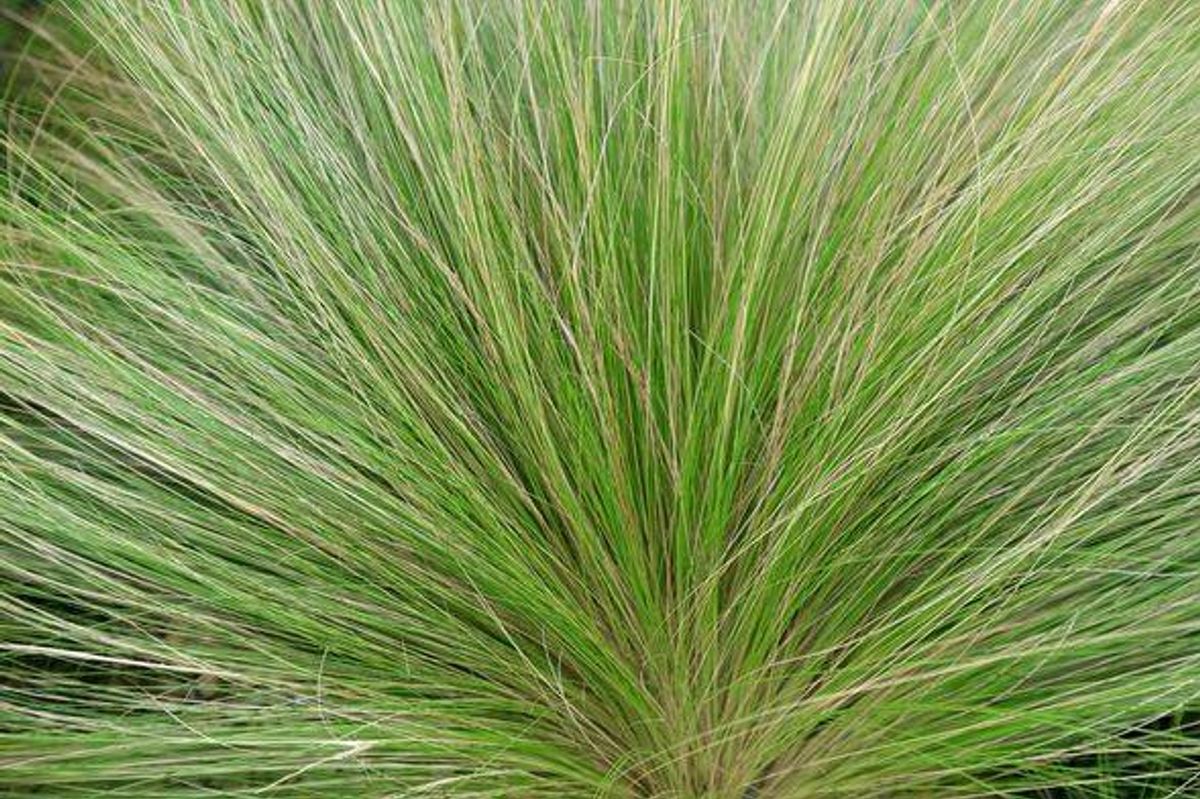
Ponytail grass(Image: Getty)
“Plant it and water it in well, and you’ll end up with a little forest. It seeds itself gently and it’s just wonderfully elegant in every way,” said the gardening expert. Site ponytail grass in full sun with free‑draining soil, water well at planting. When you first plant them, give them a good watering and keep doing it until they get established. Once their roots are down, they can cope with drier soil.
Cistus pulverulentus
A compact, semievergreen rose grows that grows to around 50cm tall, Cistus ‘Sunset’ forms low, neat mounds ideal for small gardens and drought ridden borders. They’re nondescript in winter but in late spring and summer they erupt into bright pink blooms.
The downy, foliage signals strong drought tolerance – Alan’s tip: “Hairy leaf plants are generally a fairly good bet for dry, drought-ridden conditions”- and for effortless summer colour in problem strips.
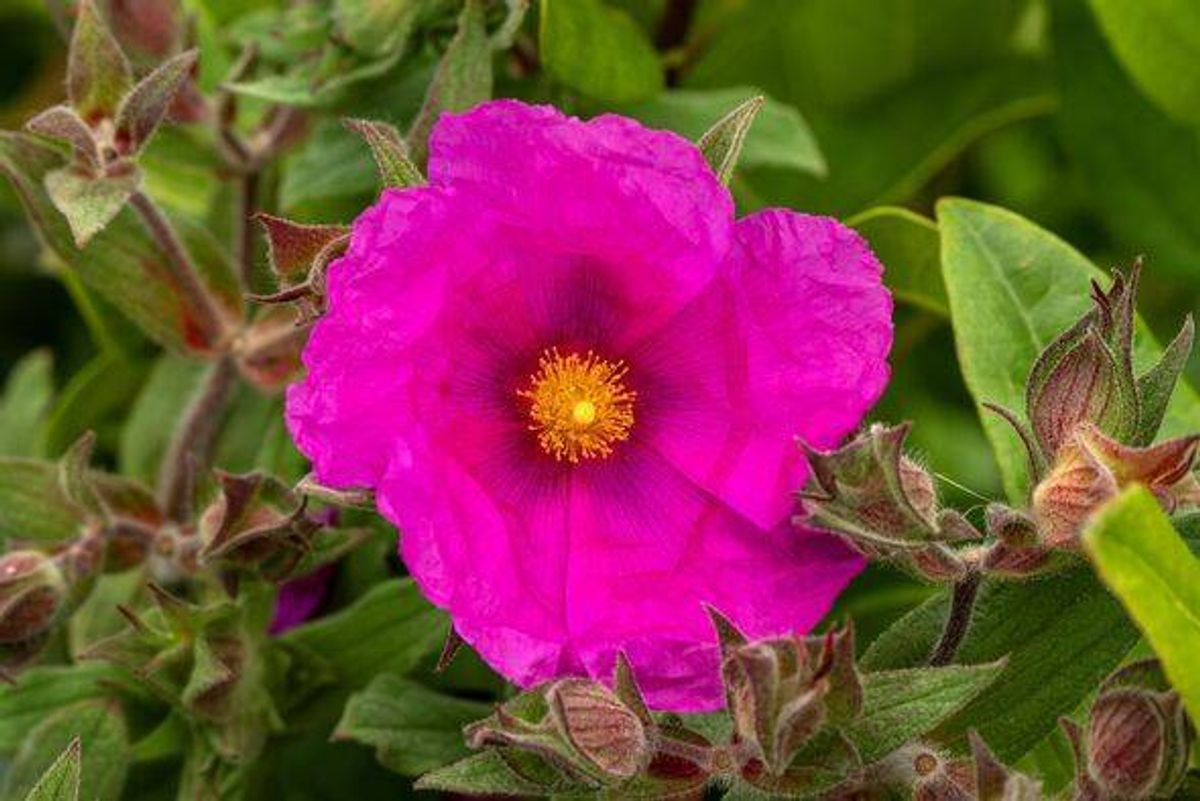
Cistus pulverulentus ‘Sunset’ (Image: Getty)
He adds, “If you have a long, narrow drought-ridden border, plant it entirely with cystases and from the beginning to the end of summer, you’ll really enjoy these flowers.” Just give it full sun, excellent drainage and a light trim after flowering to keep those mounds tight.
Eryngium ‘Magical White Lagoon’
With spiky, holly-like leaves and luminous white to blue, thistle style heads, Eryngium ‘Magical White Lagoon’ reaches around 50cm and excels in hot, dry, sunny borders.
Also known as sea holly, the plant has thick roots that hunt out deep moisture, which makes them great in a hot, dry garden border.
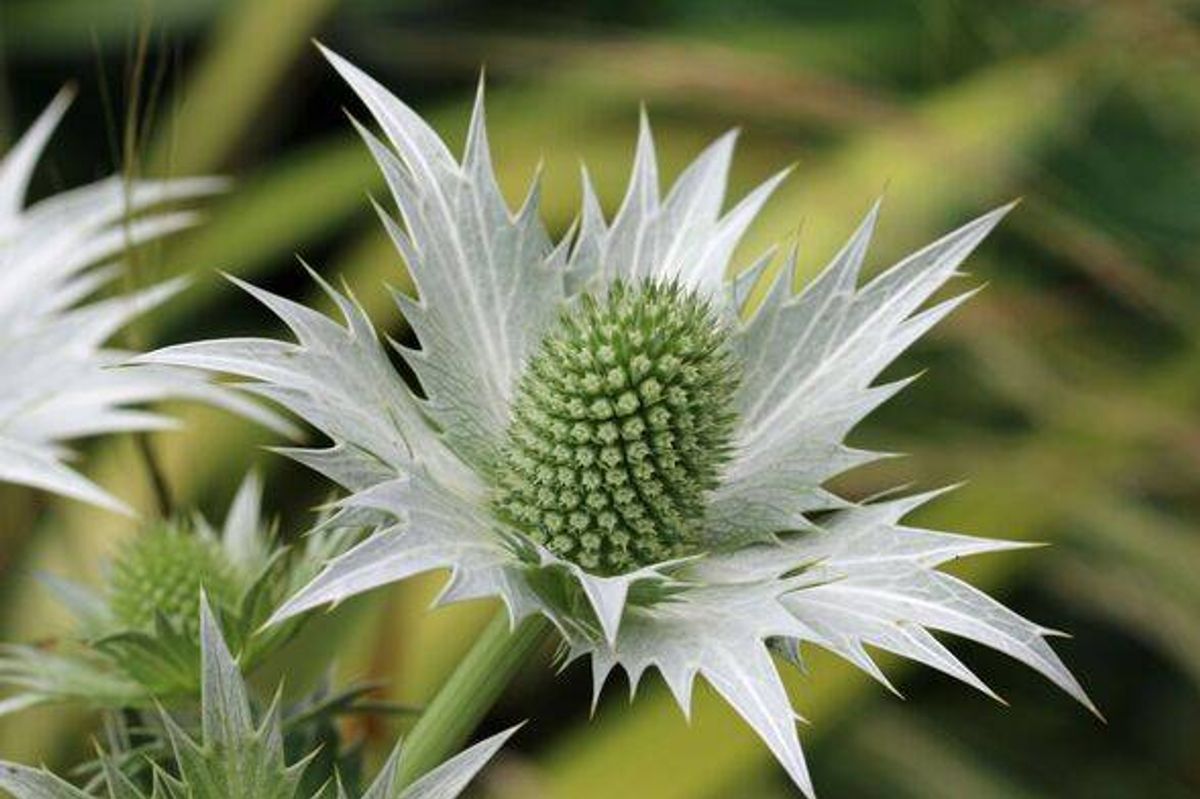
Eryngium ‘Magical White Lagoon'(Image: Getty)
Alan calls them “firework plants” for their starburst buds in mid to later summer. They look striking cut and dried too – simply hang the stems upside down in an airy room for an interesting midwinter bouquet.
Sedum ‘Sunsparkler Plum Dazzled’
This hardy, evergreen succulent-often dubbed an ice plant because its leaves feel cool even on hot days-earns its keep with plum tinged, slightly grey backed foliage and “lovely clusters of starry pink flowers towards the end of summer”.
Carrying colour from July through August and September to the first frosts, Alan says this plant thrives in sun and sharp drainage in borders or pots, offers superb late nectar for pollinators. The drought-tolerant plant shrugs off heat thanks to fleshy, saprich leaves that buffer temperature swings, and brings structure just when early borders fizzle out.
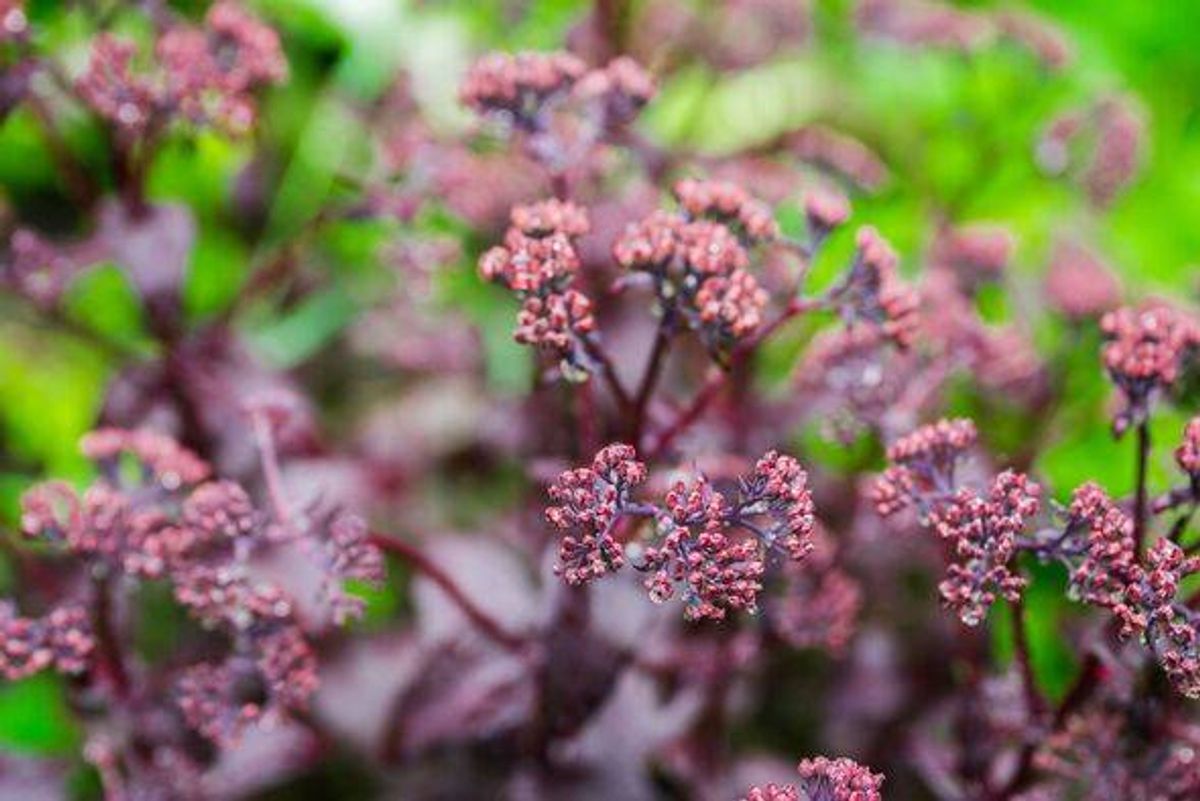
Sedum ‘Sunsparkler Plum Dazzled'(Image: Getty)
Agapanthus ‘Ever Sapphire’
Bred for stamina, ‘Ever Sapphire’ flowers repeatedly across summer rather than in a single flush and, with good drainage, is a reliable container or border choice in colder regions.

Agapanthus ‘Ever Sapphire'(Image: Getty)
The strappy foliage frames bold heads that may come in white, but as Alan says, “For me, true blue is the colour of agapanthus,” and these look especially “handsome” in a large terracotta pot where roots can bake.
While establishing, give this hardy variety full sun, a gritty compost, and regular water. Modest feeding allows the plant to become slightly rootbound to boost bloom power in heat and drought.#
Helianthemum ‘The Bride’
Evergreen and lowgrowing, Helianthemum, commonly known as the rock rose, sprawls gracefully across rocks or edges the very front of beds, rarely topping nine to 12 inches high.
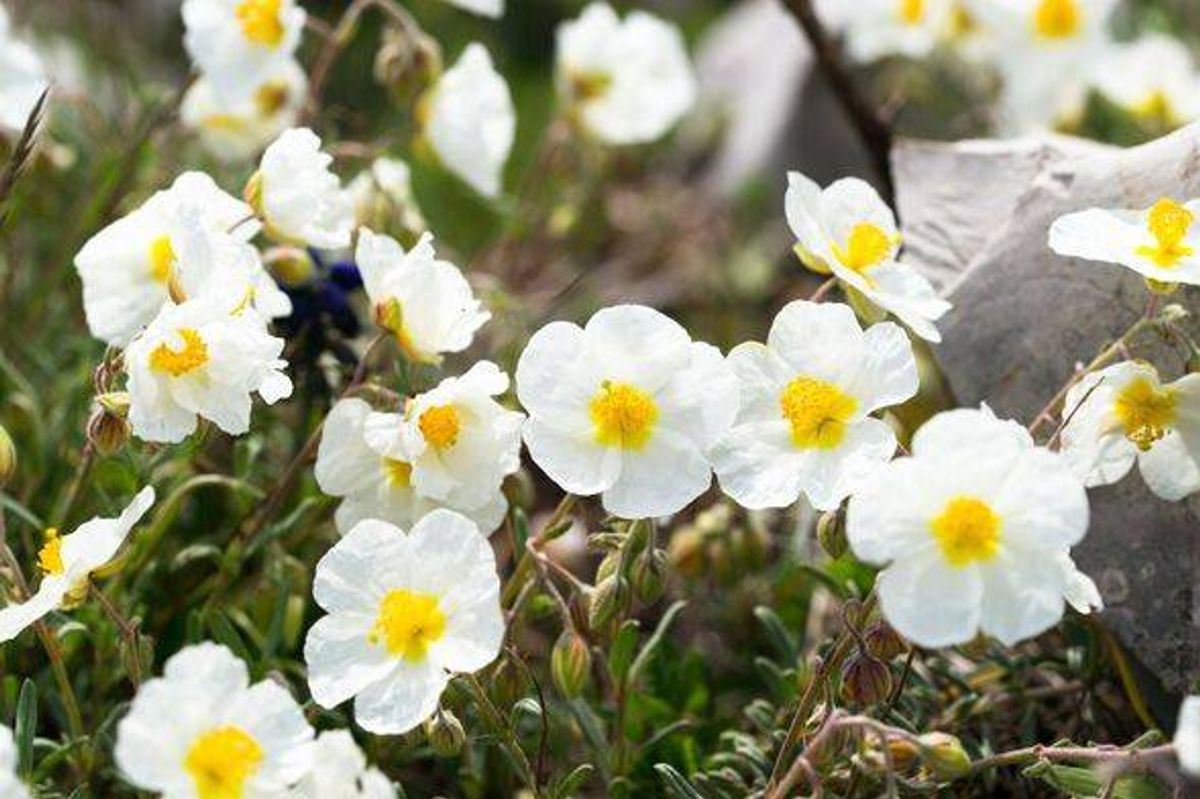
Helianthemum ‘The Bride’
(Image: Getty)
This low-growing plant spreads two to three feet wide for superb ground cover that flowers from late spring right through summer. Its neat habit and mass of simple, sunloving blossoms (white in ‘The Bride’, though rock roses also come in yellow, pink and orange) make it a drought garden essential.”
Tuck it into the hottest, most freedraining spots, shear lightly after the first flush to spur more buds, and pair with gravel, silver foliage and low succulents for a bright, Mediterranean edge.
Comments are closed.