
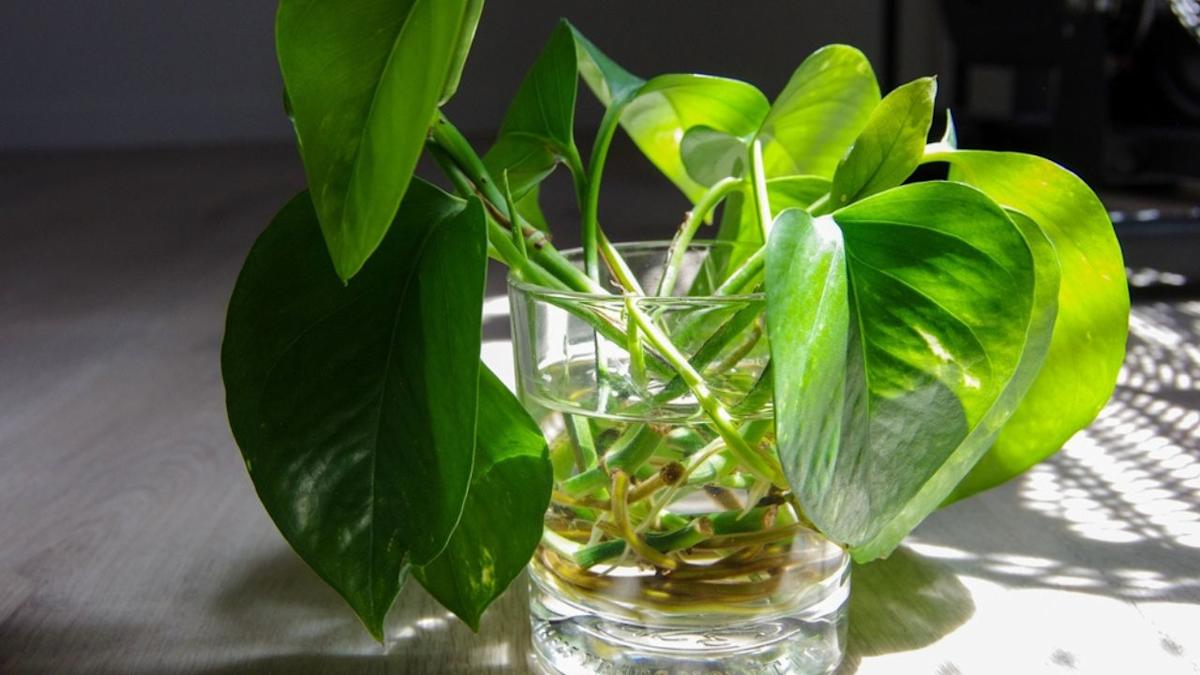
There is a particular satisfaction in cutting a stem from a plant you love, tucking it into soil, and watching a new life begin to take hold. Propagation, or the art of creating new plants from existing ones, is one of gardening’s most rewarding skills, and for outdoor gardeners, it is also one of the most practical. It costs almost nothing, and it can fill gaps in borders or produce gifts for every gardening friend you have.
The good news is that you do not need special equipment, a greenhouse, or years of experience to propagate plants. Many of the most beautiful garden plants propagate freely and forgivingly, asking only for a clean cut, some moisture, and a little patience.
Here are some of the easiest plants to start with, and everything you need to know to succeed.
Why Every Gardener Should Know How to Propagate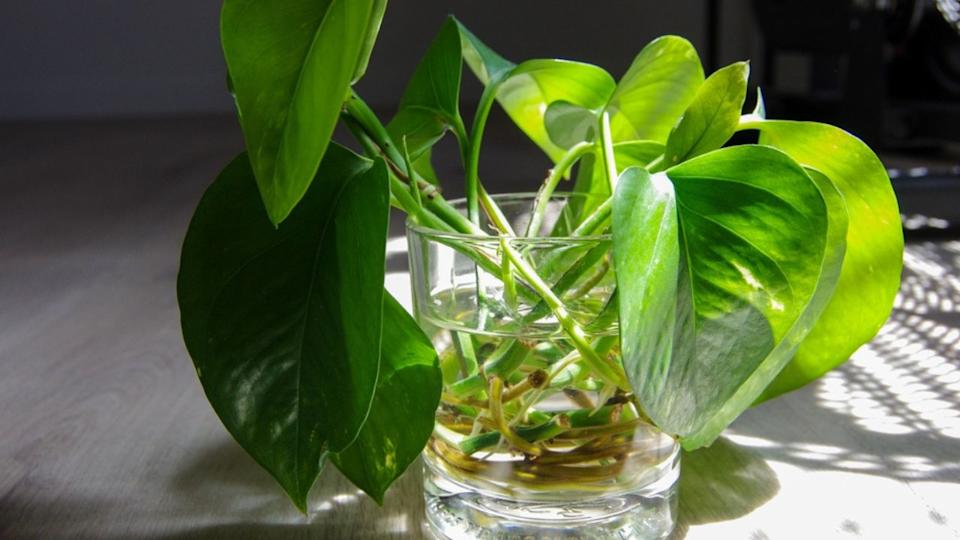
Image Credit: Shutterstock.
A single coleus plant can become a dozen by midsummer. One well-established hosta clump can fill three new spots in the border. A fuchsia cutting taken in early summer will root within ten days and bloom by August. Propagation is how experienced gardeners expand their gardens without expanding their budgets, and it is also how beloved plants are preserved and shared across generations.
“Softwood cuttings are generally the easiest to root and don’t require special handling — they are taken from new growth of the current season while stems are succulent and not yet woody,” explains Michele Warmund in the University of Missouri Extension’s guide to home propagation.
The Easiest Plants to Propagate from Cuttings- 1. Coleus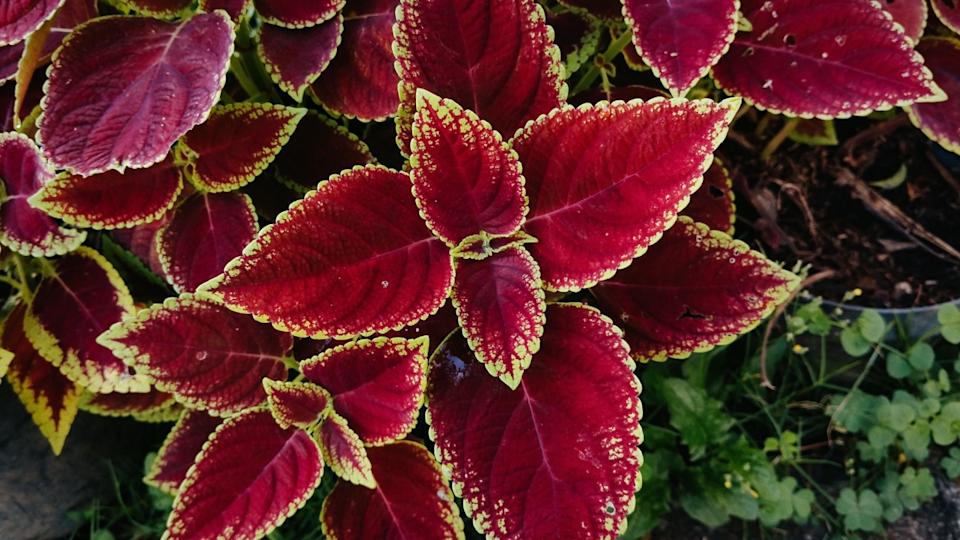
Image Credit: Shutterstock.
Coleus may be the single most forgiving plant to propagate. Take a 4–6 inch stem cutting, remove the lower leaves, and place it in a glass of water on a bright windowsill. Roots will appear within two to three weeks, at which point you can pot your new plant directly into the garden. Few plants demonstrate the principle so clearly: propagation does not have to be complicated.
2.Fuchsia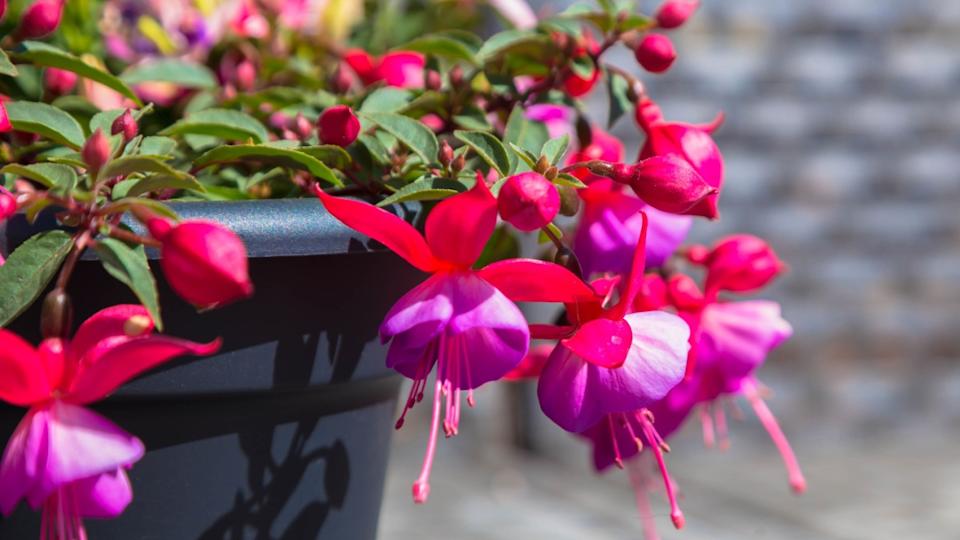
Image Credit: Shutterstock.
Fuchsia is legendary among propagators for its willingness. Cuttings taken from soft new growth in early summer will root in as few as ten days, whether placed in water, damp compost, or, as some experienced gardeners swear, directly into moist florist’s foam. Take a cutting just below a leaf node, remove the bottom set of leaves, and keep it out of direct sun while the roots form.
“It is almost impossible for fuchsia cuttings to fail — they will root quite amiably in soil, water, or even damp florists’ foam, often within ten days,” says Kirsten Schrader in Birds & Blooms’ guide to growing plants from cuttings.
3. Lavender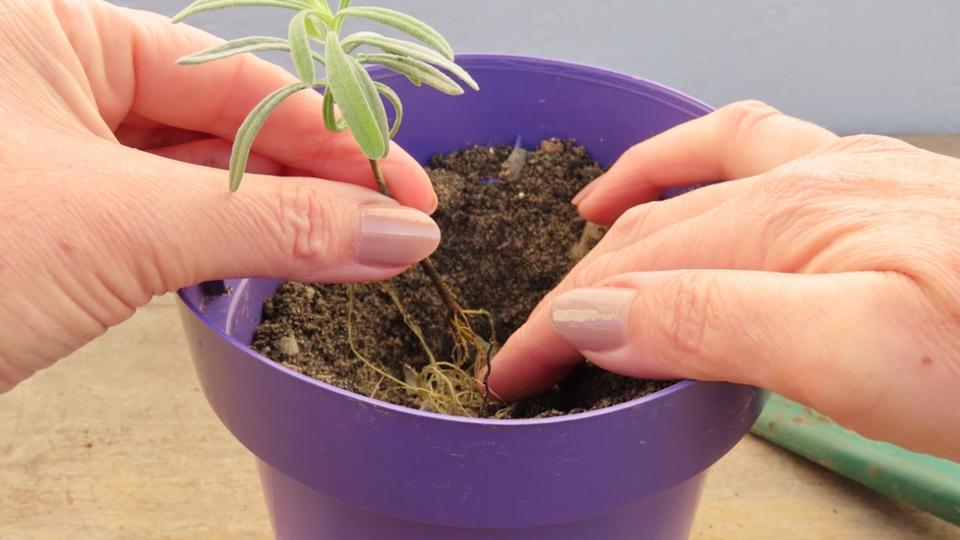
Image Credit: Shutterstock.
Lavender cuttings taken in late summer, when the new growth has begun to firm up just slightly, root reliably in gritty, free-draining compost.
Take a stem of four to six inches, strip the bottom half of leaves, and push it into a small pot of compost and perlite. Keep it in a sheltered spot over winter, and by spring, you will have a sturdy new plant ready for the garden.
4. Roses (Hardwood Cuttings)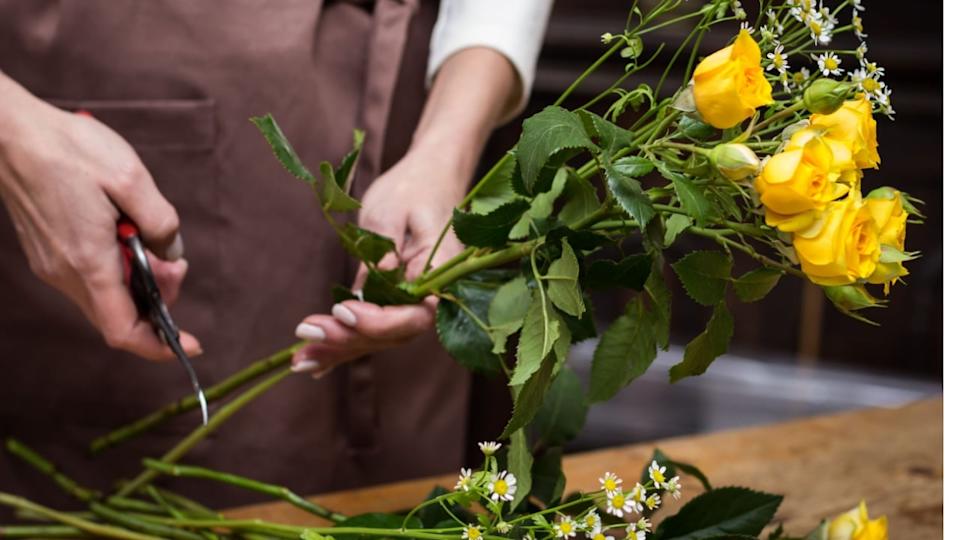
Image Credit: Shutterstock.
Taking hardwood rose cuttings in autumn is one of gardening’s most satisfying, slow-burning projects.
Cut pencil-thick stems about 12 inches long, make a straight cut at the base and an angled cut at the top (so you always know which end is up), and push them firmly into a sheltered trench in the garden. Leave them over winter. By spring, most will have rooted.
The Easiest Plants to Propagate by Division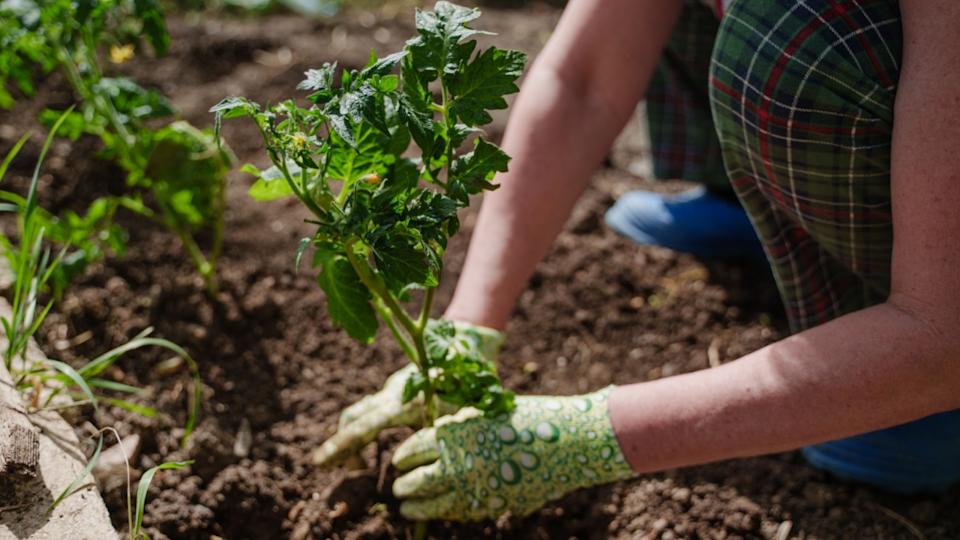
Image Credit: Shutterstock.
Division is even simpler than cutting for many perennials. In early spring or autumn, when the ground is soft and the plant is not in full growth, you simply dig up the clump, separate it into two or more sections, each with roots and shoots, and replant. It is fast, reliable, and the rejuvenated plants often bloom more vigorously than the original had in years.
The best candidates for division:
Hostas are among the easiest; lift the clump in early spring just as the new growth emerges and divide with a sharp spade.
Day lilies can be divided in spring or autumn and will bloom the following summer. Irises benefit from division every three or four years, which keeps them blooming freely.
Peonies divide best in autumn and should each be replanted with the eyes no more than an inch below the soil surface.
“Division works easily with hostas, coreopsis, Shasta daisies, and phlox — all respond well and generally produce vigorous new growth after being divided,” according to Audrey Stallsmith in Bob Vila’s outdoor plant propagation guide.
A Few Tips to Help Every Cutting Succeed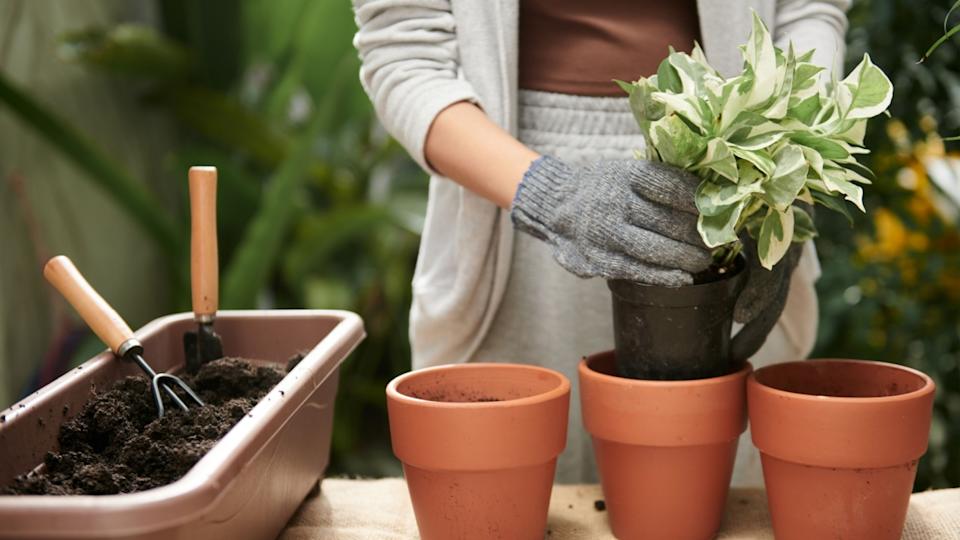
Image Credit: Shutterstock.
Use clean, sharp tools. A ragged cut from a dull blade introduces bacteria and increases the chance of rot. Wipe your snips or knife with rubbing alcohol between plants, especially if you are propagating several at once. Your new cuttings will thank you for it.
Keep cuttings out of direct sun until roots form. This is the step that trips up many beginners. Before roots exist, a cutting cannot pull water up through a stem efficiently, and strong sunlight will cause the leaves to wilt faster than the roots can develop. A bright, indirect spot is the sweet zone.
Be patient, but not passive. Check your cuttings every few days. If the compost or water has dried out, moisten it. If leaves have yellowed and fallen, remove them cleanly. If a cutting looks hopeless, take a new one and try again. Propagation is a skill, and skills are built by repetition.
The ability to propagate your favorite plants changes your relationship with your garden in a quiet but profound way. You stop thinking about plants as things you buy and start thinking about them as living things you tend, share, and multiply. That shift in perspective is worth every cutting you’ll ever take.
Read more
How to save snow-damaged trees and shrubs after winter storm Hernando
Don’t let your plants die while you’re on vacation: 7 genius hacks
Comments are closed.