
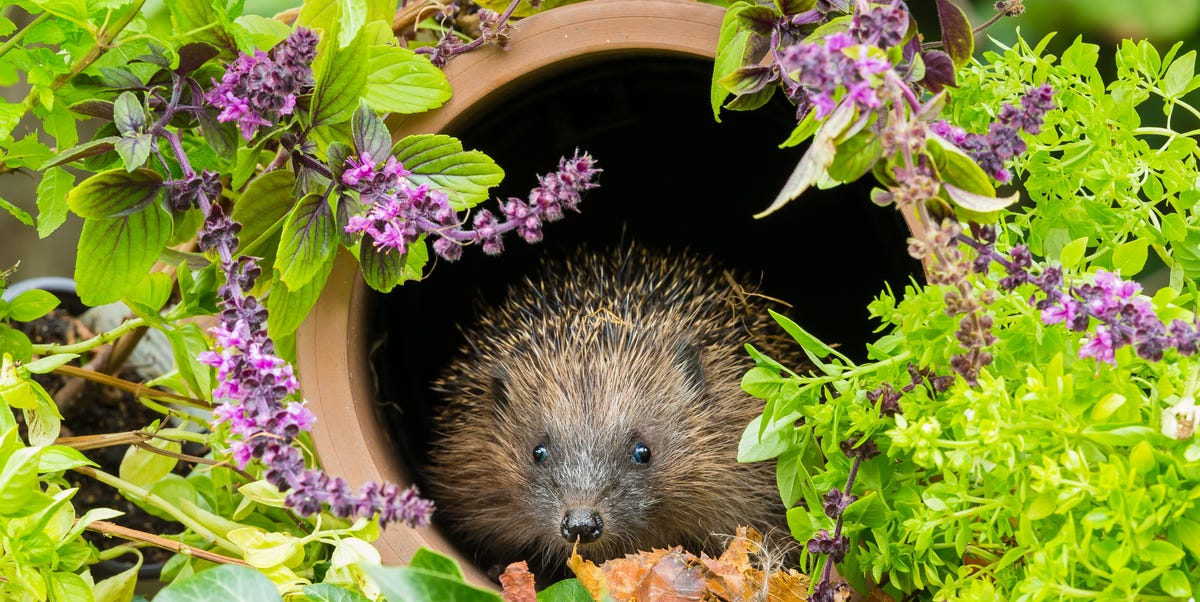
As the weather warms, hobby gardeners across the country are starting to hear the siren song of their shovels and secateurs, beckoning them to get to work in flower beds and vegetable patches again.
Some routine spring gardening jobs, however, can have dire consequences for local wildlife.
Even when they go unnoticed, gardens are alive with insects, small mammals and countless invertebrates. Through the colder months, many will have used sheds, compost heaps, leaf piles and dense borders as shelter – and as temperatures rise, they are only just beginning to stir from hibernation.
Meanwhile, birds start building their nests in trees and dense shrubs, preparing for the brooding season.
Well-intentioned jobs – from cutting back growth to clearing debris – can disrupt these hidden residents, sometimes mildly, sometimes with far greater impact. To help you approach the season more thoughtfully, we asked wildlife and horticultural experts which tasks demand particular care this spring.
1. Pruning and deadheading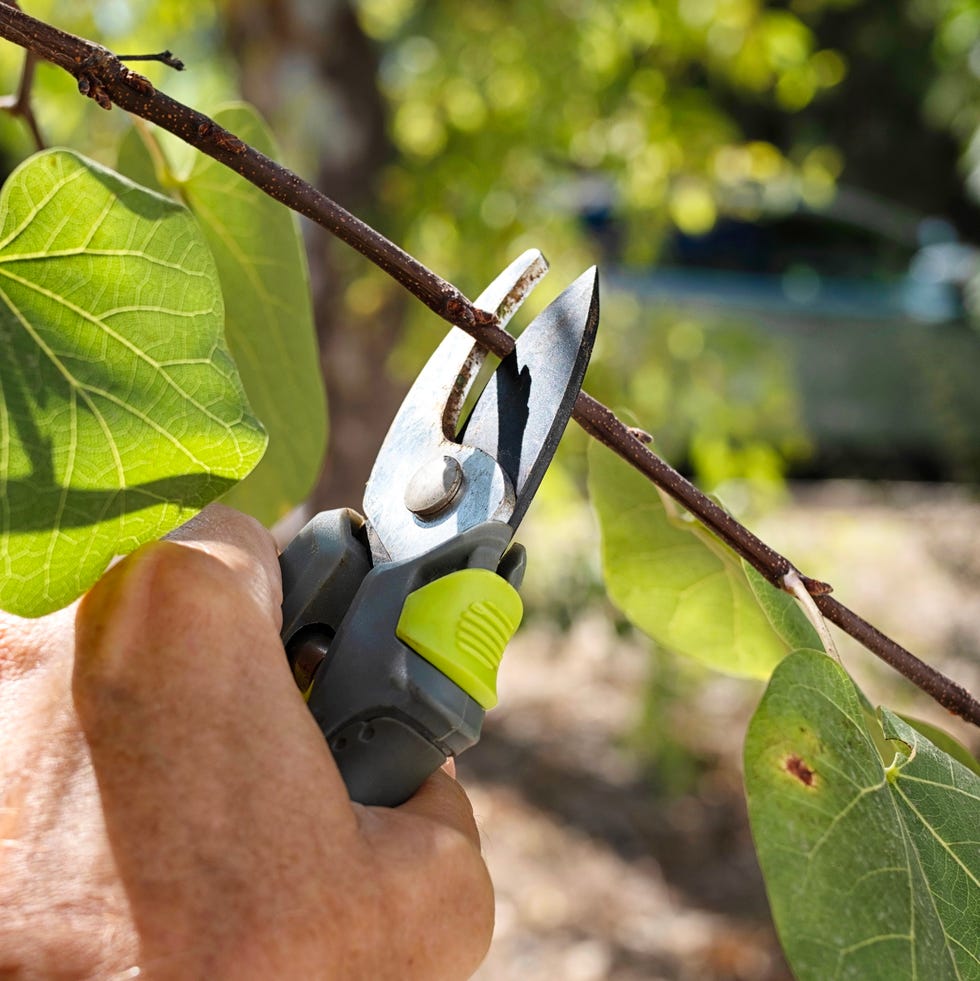

Emreturanphoto//Getty Images
Pruning and deadheading are common garden jobs for spring. The Wildlife Trusts recommends leaving your trimmings in a quieter area of the garden for a few days to allow the invertebrates that might be living in their stems, leaves and seed heads to move elsewhere.
Meanwhile, species like newts and beetles may be using logs and leaf piles for shelter.
If you’d like your garden to be a haven for nesting birds, Richard Barker, horticultural expert and commercial director of LBS Horticulture, recommends going a step further. “You should avoid pruning trees, shrubs and hedges between March and August as this is nesting season for birds. Pruning during this time can risk destroying bird nests, eggs or chicks,” he explains.
If you have to prune, make sure you check for any existing nests before you get to work.
“Any noise or disturbance from pruning can cause parents to abandon their young. Removing branches and foliage will also expose the bird nests to predators,” Richard warns.
2. Using herbicides (weed killers)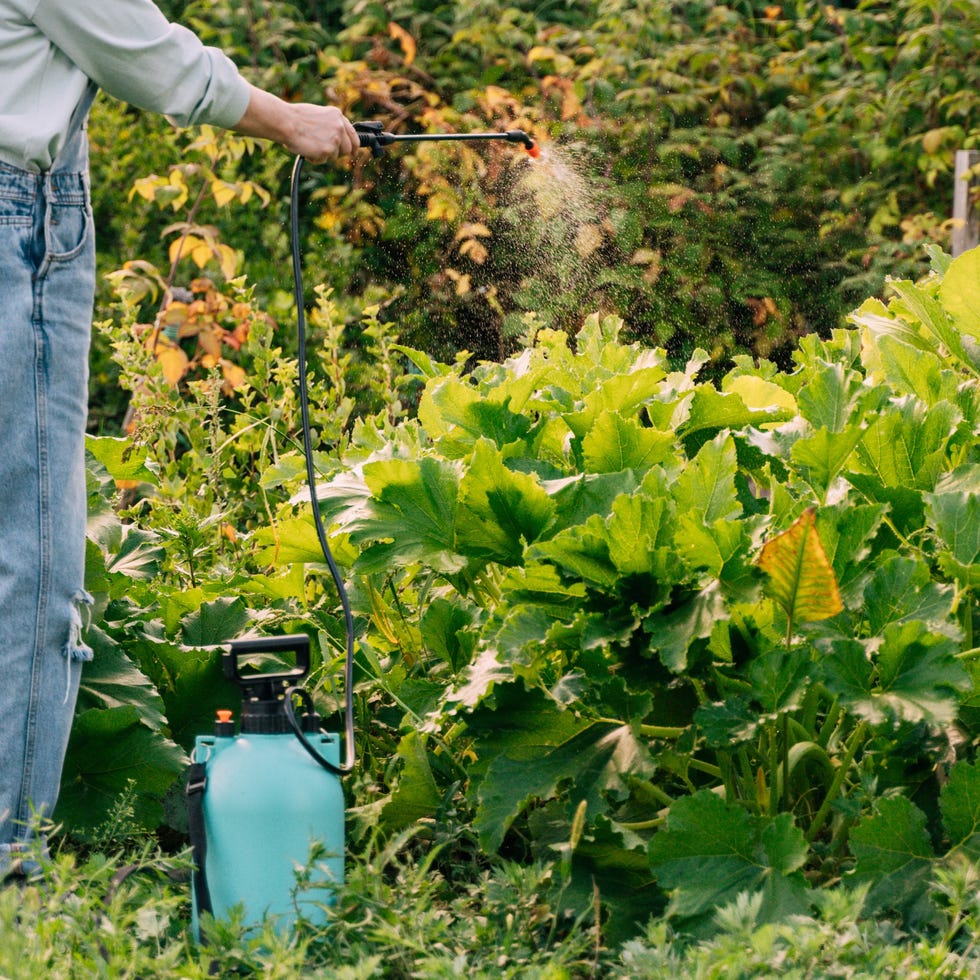
Tatiana Maksimova//Getty Images
Now is the time when gardeners revive their lawns, often using chemical weedkillers to clear moss and other weeds growing between the grass blades. Robert warns that this could have consequences for both soil fertility and wildlife.
“Common herbicides, like glyphosate, can damage soil health as they destroy microorganisms in the soil that are essential for nutrient cycling,” he explains.
“The herbicides will also kill weeds that serve as food sources for beneficial insects and pollinators like bees or butterflies, which can lead to a decline in their populations.
3. Tidying up 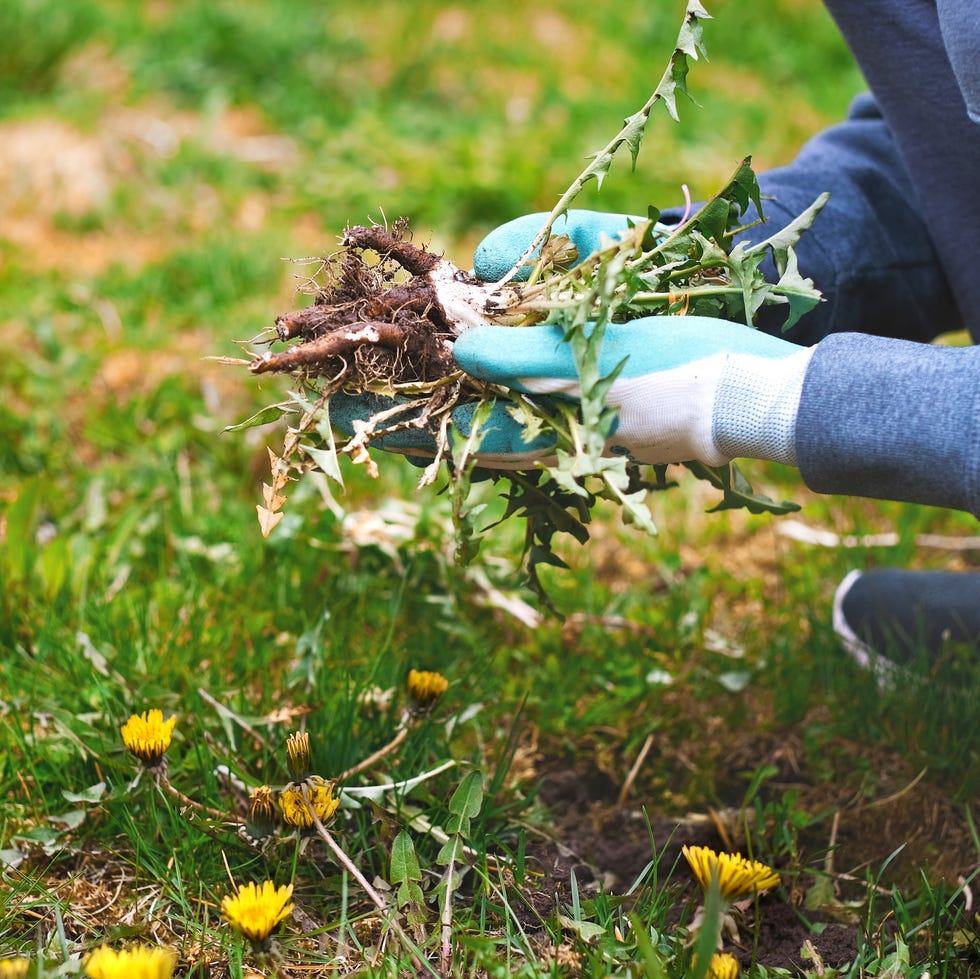
VisualArtStudio//Getty Images
Tidying your garden and decluttering your shed are routine jobs for spring, but it pays to wait a few beats before wiping the slate clean.
“Tidying your garden too early in springtime can harm wildlife, as they may still be relying on the ‘mess’ for food, shelter or they might be hibernating inside,” says Richard.
This includes pollinating insects and hedgehogs still hibernating in leaf litter or just below the soil surface. The prickly mammals typically emerge from their slumber between mid-March and early April.
4. Roof repairs
Spring is also a popular time for carrying out small repairs outside, so it’s important to be mindful of the birds and bats who might be taking shelter in eaves, roofs and garden trees.
“Before repairing any roofs or soffits, take care to check for bat and bird roosts before blocking any exit holes,” a spokesperson for the Wildlife Trusts says. “Both bats and birds, and their nests, breeding sites and resting places, are protected by law, so it’s important to check before you begin and seek the right advice on how to carry out necessary works lawfully.”
So before you launch into a full-scale spring clear-out, it’s worth pausing to consider which jobs could – and should – wait. The local wildlife will thank you, quietly and undetected.
Gardening must-haves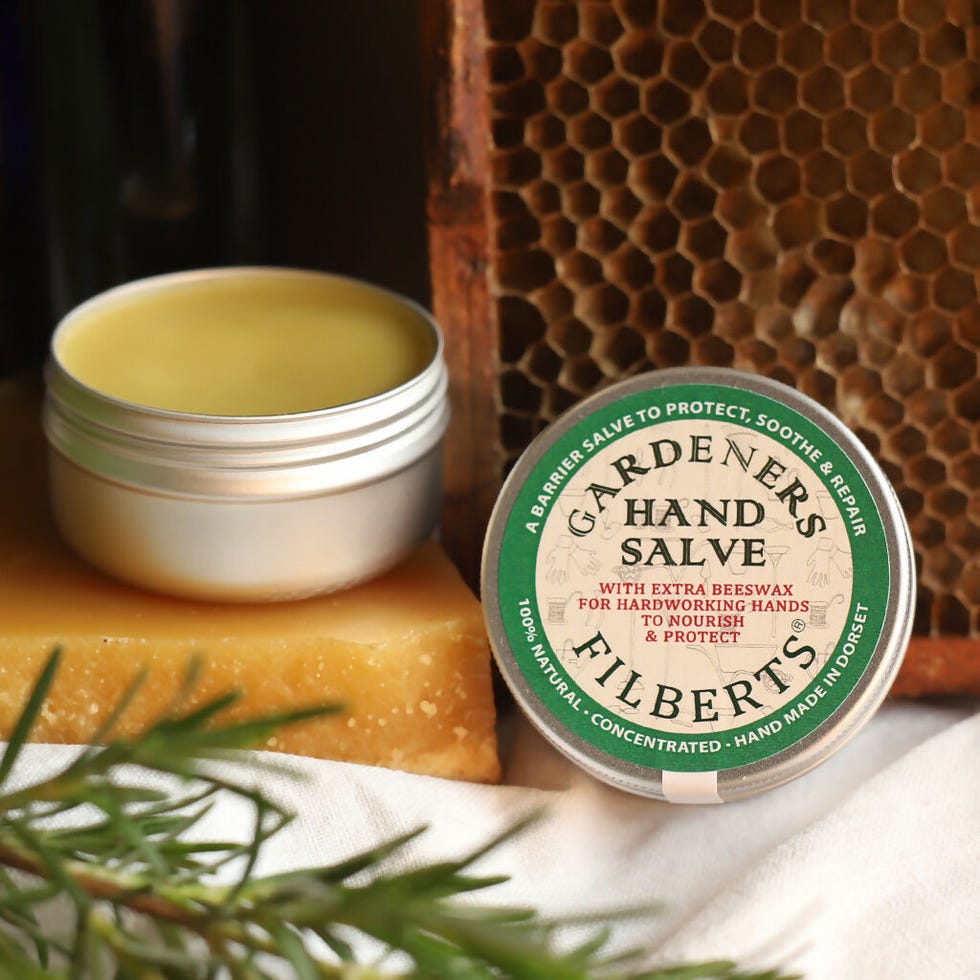 Filberts of Dorset Gardeners Hand Salve
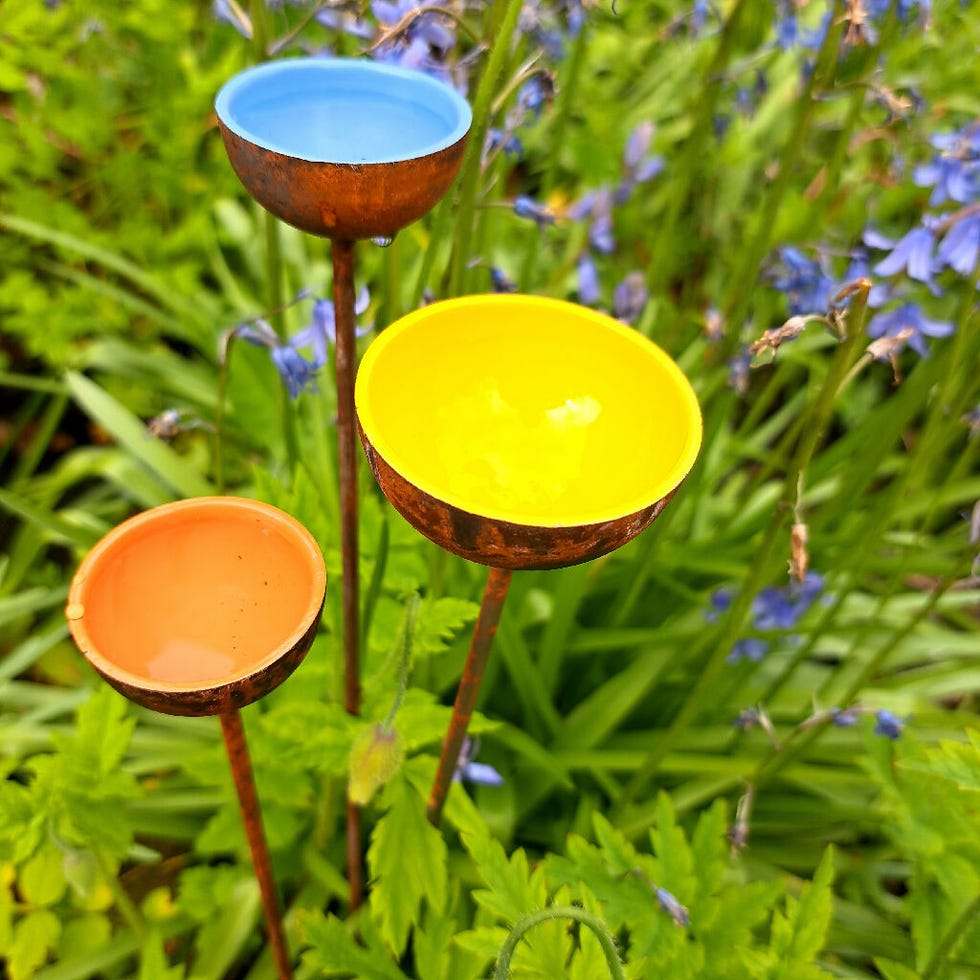 Haywards Garden Bee and Butterfly Water Stations, Garden Décor, set of three colourful bee water cups .
Now 17% Off
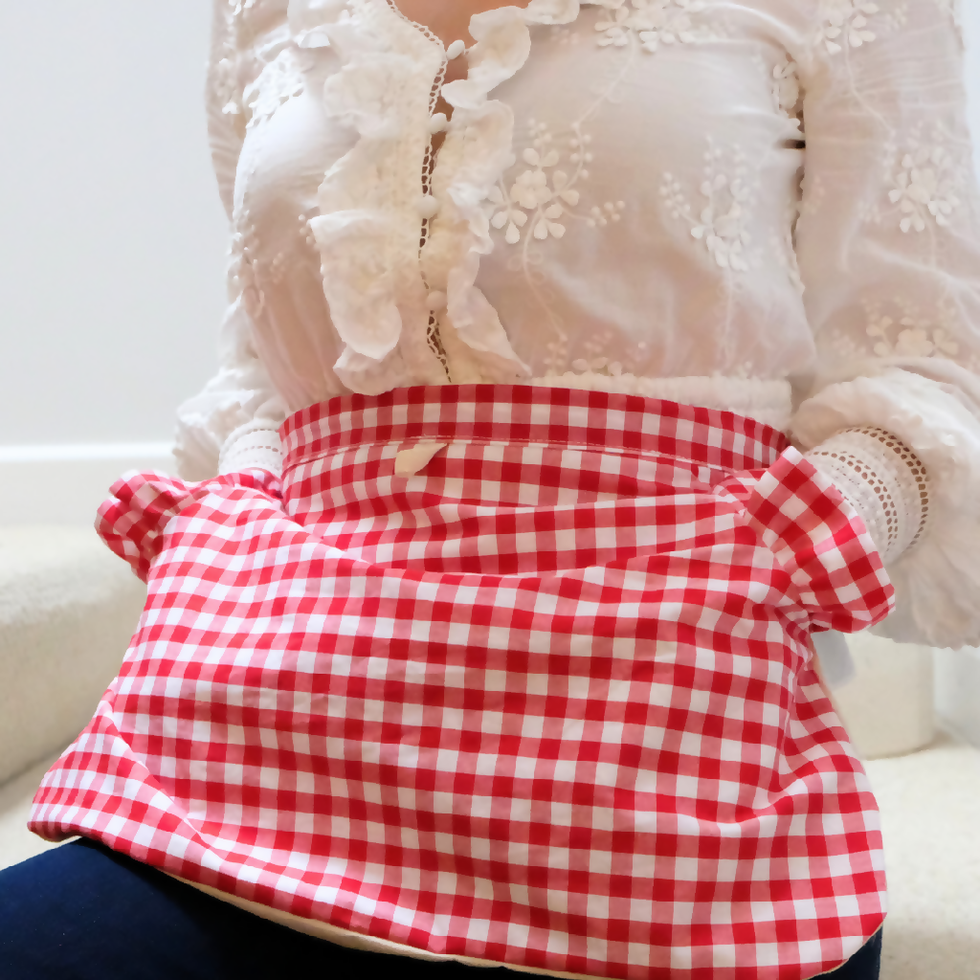 Home Sussex Handmade Peg Apron
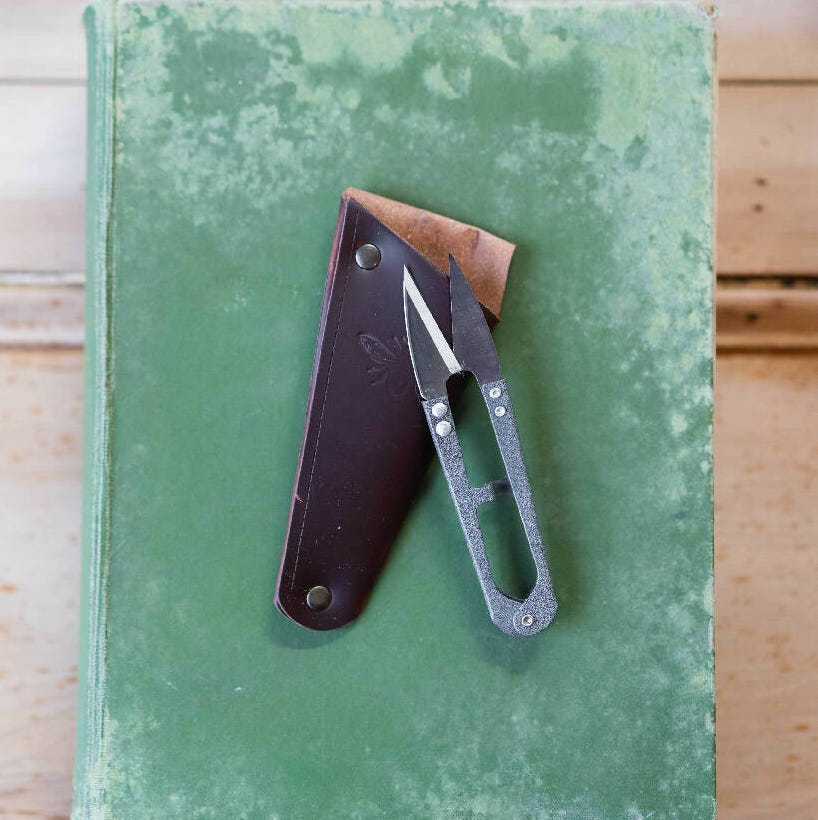 Garden Snips in Leather Pouch
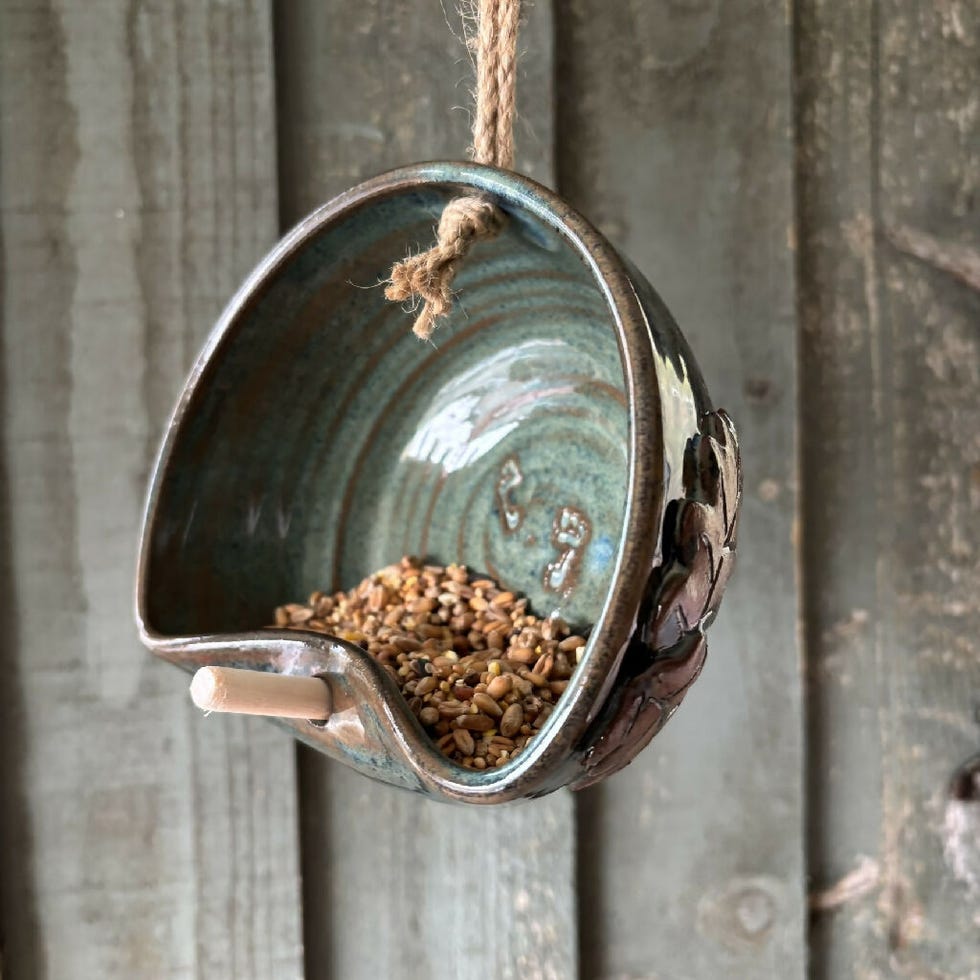 The Fae Potter Wild Bird Feeder ceramic hanging
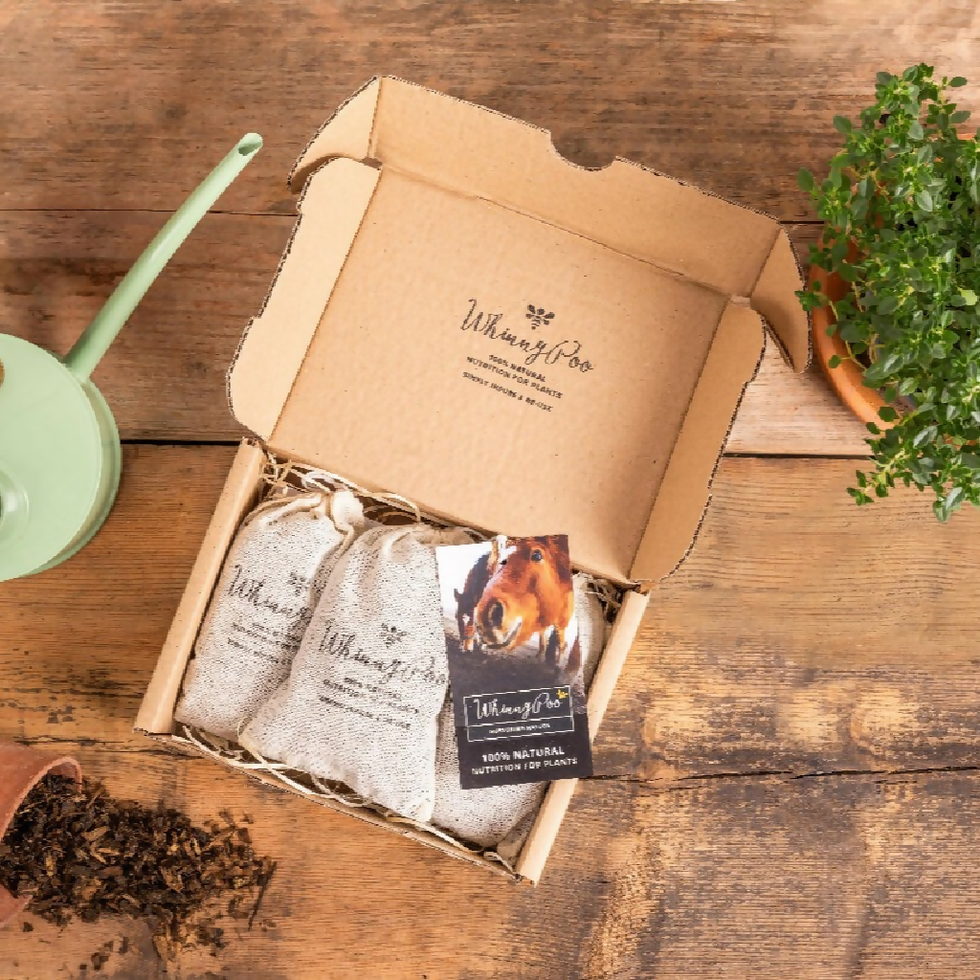 WhinnyPoo WhinnyPoo Box of 3 Plant Feed

Wanda Sachs is the Daily Writer for House Beautiful and Country Living, exploring the latest in interior design, home trends, property news, wellbeing and sustainable living. With a keen eye for style and a passion for storytelling, she previously served as an Associate Editor at The Berliner in Berlin, where she launched and led the magazine’s monthly style vertical, covering emerging fashion trends. Wanda holds a combined BA in English and German from Goethe University Frankfurt.
Comments are closed.